
You know the feeling. You step into your car after a long day in Dubai, hit the start button, and instead of that glorious blast of cold air, you get a warm, wheezing sigh. It’s not just annoying; it’s dangerous when outside temperatures hover near 45°C (113°F). Most drivers wait until the system completely fails before visiting a shop. By then, you’re often looking at a blown compressor or a cracked condenser-expensive repairs that could have been avoided with a simple pre-summer check.
Living in Dubai means your vehicle's air conditioning system works harder than almost anywhere else on the planet. The heat doesn't just make the AC less efficient; it accelerates wear on every component involved. If you want to keep your cool this summer, you need to shift from reactive repairs to proactive maintenance. Here is exactly what you need to look at before the real heat kicks in.
The Compressor: The Heart That Can’t Skip a Beat
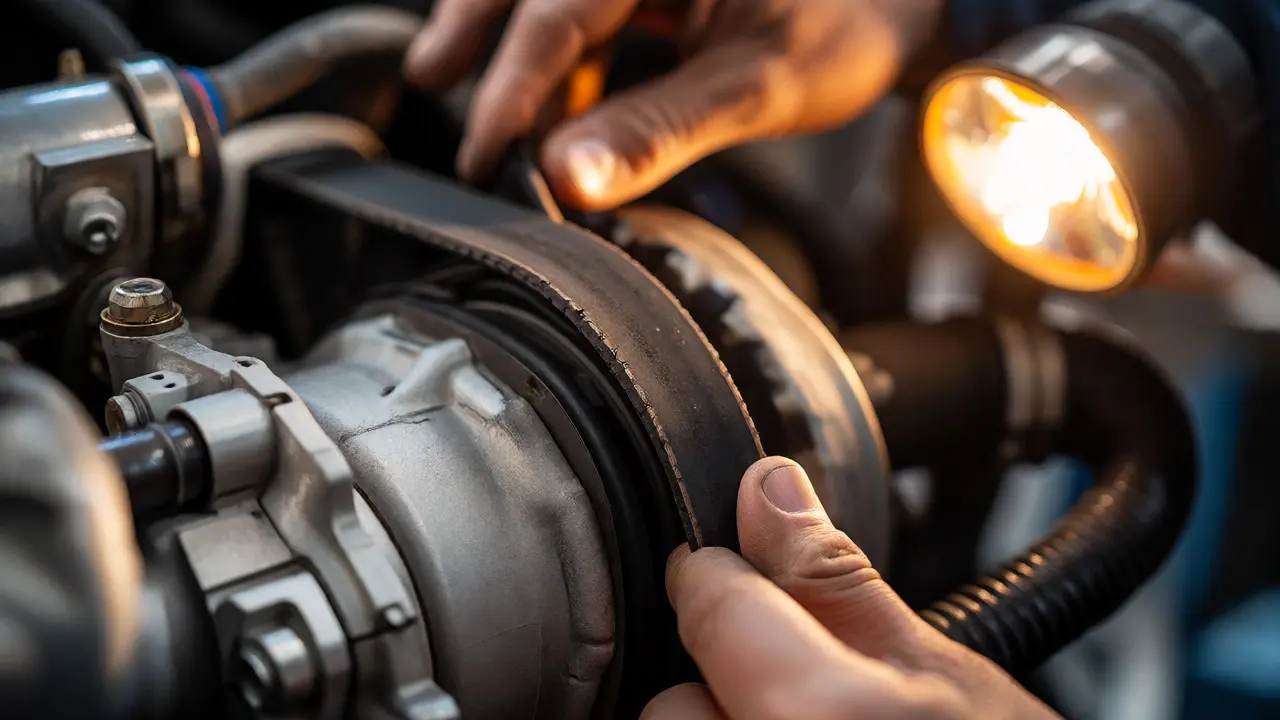
The AC compressor is the heart of your cooling system. It pumps refrigerant through the lines, creating the pressure difference needed to cool the air. In extreme heat, the compressor faces massive thermal stress. When it starts to fail, it rarely gives you a clear warning light. Instead, you might hear a loud clunk when you first engage the AC, or notice that the clutch isn't engaging smoothly.
Check the drive belt connected to the compressor. Is it cracked? Glazed? A slipping belt means the compressor isn't spinning at full speed, reducing efficiency. Also, listen for squealing noises. While some noise is normal under high load, grinding sounds indicate bearing failure. Replacing a $50 belt now saves you from replacing a $800 compressor later because the old belt shredded and sent debris into the system.
Refrigerant Levels and Leak Detection
Air conditioners don't "consume" refrigerant like an engine consumes oil. If your levels are low, you have a leak. Period. In Dubai, leaks often happen at connection points where rubber seals harden due to constant exposure to UV rays and heat. You can spot these leaks by looking for oily residue around the hose connections or the condenser coils.
Don't just top off the gas without finding the leak. Topping off masks the problem while the system continues to lose performance. Use a UV dye kit if you suspect a slow leak. These kits are inexpensive and let you see exactly where the green glow appears under a blacklight. Common leak spots include the O-rings at the service ports and the joints where the aluminum lines meet the plastic connectors.
Cabin Filter Hygiene
This is the most overlooked part of car AC maintenance. The cabin filter traps dust, pollen, and sand before they enter your ventilation system. In a desert environment, this filter gets clogged much faster than in temperate climates. A clogged filter restricts airflow, meaning your blower motor has to work twice as hard to push air through. This reduces cooling efficiency and strains the motor.
Replace the cabin filter every six months in Dubai, or sooner if you drive on unpaved roads frequently. It’s a five-minute job on most cars. Pull out the old filter and hold it up to the light. If you can't see light through it, it's done. Don't buy the cheapest paper filters; look for activated carbon versions. They absorb odors and pollutants, which makes a huge difference in the stuffy interior of a parked car baking in the sun.
Condenser Coils and Radiator Synergy
Your AC condenser sits right in front of your radiator. Its job is to release heat absorbed from inside the car. If dirt, bugs, and road grime coat the fins, the heat can't escape. This causes the system pressure to spike, forcing the compressor to work harder and potentially triggering the high-pressure cut-off switch-which turns the AC off temporarily to protect itself.
Inspect the front grille area. You’ll likely see a layer of grey fuzz. Gently clean the fins with a garden hose on a gentle setting. Do not use a pressure washer; the force will bend the delicate aluminum fins, blocking airflow even more. Straighten any bent fins with a fin comb tool. Keeping the condenser clean helps both your AC and your engine cooling system, preventing overheating during traffic jams on Sheikh Zayed Road.
Evaporator Mold and Odor Control
If your AC smells musty or sour when you first turn it on, you have mold growing on the evaporator coil. This happens because moisture collects on the cold coil inside the dashboard. In humid coastal areas or after rain, this becomes a breeding ground for bacteria. The smell isn't just unpleasant; it can trigger allergies and respiratory issues.
To prevent this, run your fan on high with the AC off for the last two minutes of every drive. This dries out the evaporator. For existing smells, use an aerosol disinfectant spray designed for car vents. Spray it into the intake vent (usually near the base of the windshield) while the fan is running on fresh air mode. This kills the bacteria causing the odor without needing to dismantle the dashboard.

Pre-Summer Maintenance Checklist
| Component | Action Required | Warning Signs |
|---|---|---|
| Compressor | Listen for noises, check belt tension | Grinding, clunking, intermittent cooling |
| Refrigerant | Check pressure, inspect for oily residue | Warm air, hissing sounds, visible oil stains |
| Cabin Filter | Inspect and replace if dirty | Weak airflow, dusty smell, reduced cooling |
| Condenser | Clean fins, straighten bends | High engine temp, AC cycling on/off |
| Evaporator | Disinfect, dry out after driving | Musty odor, foggy windows despite AC |
Why DIY Isn't Always Enough
While you can handle filters and cleaning yourself, diagnosing electrical faults or recharging the system properly requires tools. Modern cars use variable displacement compressors controlled by sensors. If a sensor reads incorrectly, the computer might shut down the AC to save fuel, even if everything looks fine mechanically. A professional scan tool can read live data from the AC pressure sensors and climate control module, revealing issues that visual inspection misses.
In Dubai, many shops offer "AC Service" packages. Be careful here. Some just top off the gas without checking for leaks. Ask them to perform a vacuum test. This checks for internal moisture and micro-leaks. If they skip the vacuum stage, walk away. Moisture inside the system freezes the expansion valve, causing blockages that mimic other failures.
Frequently Asked Questions
How often should I service my car AC in Dubai?
Ideally, once a year before the peak summer season begins, typically around March or April. However, if you drive frequently on dusty roads, change the cabin filter every three to four months.
Why does my AC stop working when I'm stuck in traffic?
This usually indicates a failing condenser fan or a blocked condenser. At idle, there is no ram air to cool the condenser, so the system relies entirely on the electric fans. If they aren't spinning fast enough, pressure builds up, and the system cuts off to prevent damage.
Is it bad to leave the AC on while the car is parked in the sun?
Yes, it puts unnecessary strain on the battery and alternator if the engine isn't running efficiently. More importantly, if the system is already struggling, idling with the AC on in direct sunlight can cause the engine temperature to rise significantly, risking overheating.
Can I add refrigerant myself?
You can, but it's risky. Overcharging is common with DIY kits and can damage the compressor. Also, if you have a leak, adding gas only fixes the symptom temporarily. It's better to diagnose the leak first.
What causes water to drip under my car?
Clear water dripping from the center of the car is normal condensation from the evaporator draining out. However, if the liquid is colored (green, orange, pink), it's likely coolant leaking from the heater core or another source, which needs immediate attention.