Your car feels sluggish. You step on the gas, but the response is dull, like wading through water. Before you blame the engine or the transmission, look at the air intake system. This is where your vehicle breathes. If that breathing is restricted or compromised, your engine runs rich, burns more fuel, and loses power. Diagnosing this system isn't just about swapping a dirty filter; it’s about understanding how airflow interacts with sensors, pressure, and combustion.
Why Airflow Matters More Than Fuel
Modern engines are controlled by computers, not carburetors. The Engine Control Unit (ECU) needs precise data to mix air and fuel correctly. It relies heavily on the Mass Airflow Sensor a critical component that measures the volume of air entering the engine to calculate fuel injection timing. If the air path is blocked by dirt or leaking due to cracked hoses, the ECU gets wrong numbers. The result? A check engine light, poor acceleration, or excessive fuel consumption. Understanding the physical state of the intake tract is the first step in any serious diagnostic process.
The First Line of Defense: Inspecting the Air Filter
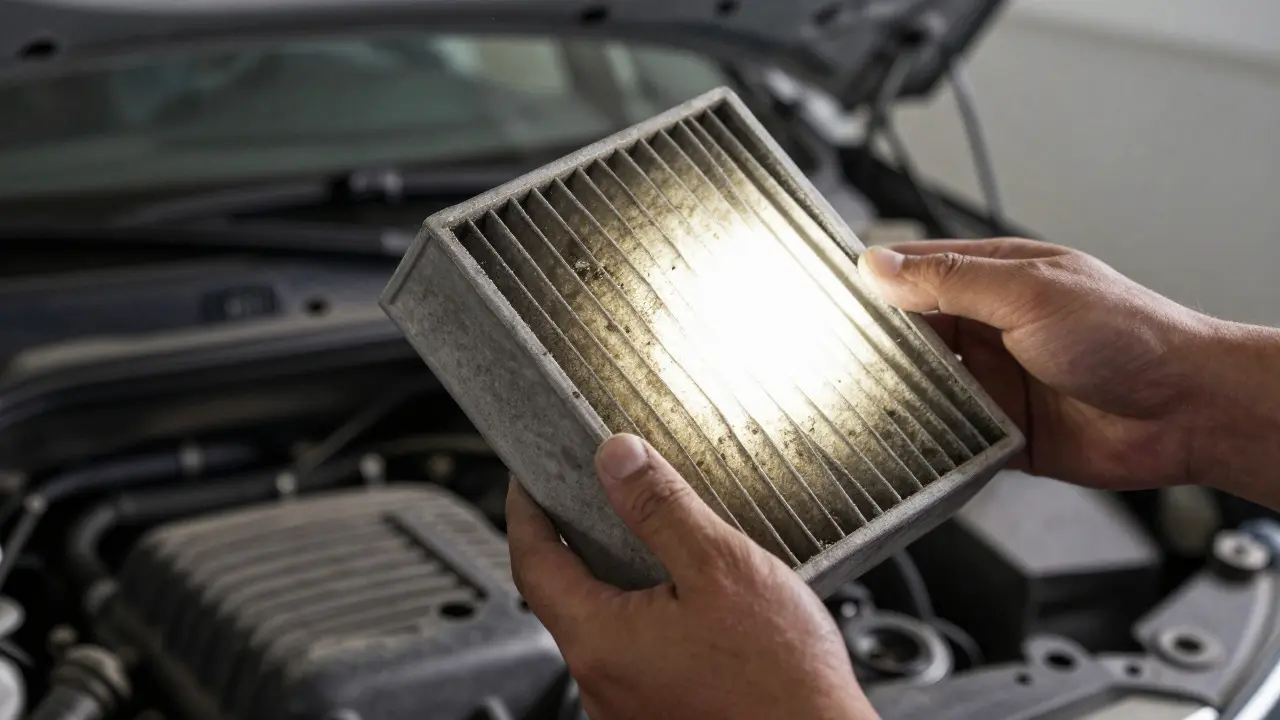
Start with the obvious. Open the hood and locate the air box. Remove the cover and pull out the Paper Air Filter a pleated media element designed to trap dust and debris while allowing maximum airflow. Hold it up to a bright light. If you can see distinct shadows from the pleats, it’s likely clogged. If it looks like a solid gray block, it’s time for a replacement. But don’t stop there. Check the housing itself. Is there oil residue inside? That could indicate a Positive Crankcase Ventilation (PCV) issue or a blow-by problem. Is there moisture? In Portland’s rainy climate, condensation is common, but standing water suggests a clogged drain or a cracked intake tube.
- Clean: Light dust, no visible clumps.
- Replace: Heavy soot, torn paper, or inability to see light through the media.
- Inspect Housing: Look for cracks, loose clips, or gasket deterioration.
Detecting Vacuum Leaks: The Silent Power Killer
A clean filter doesn’t guarantee good airflow. Unmetered air entering the engine after the Mass Airflow Sensor (MAF) causes a lean condition. This is known as a vacuum leak. These leaks often hide in rubber hoses, the intake manifold gasket, or the throttle body seal. When unmetered air enters, the ECU thinks less air is coming in than actually is, so it injects less fuel. The mixture becomes too lean, causing misfires, rough idling, and hesitation.
To find these leaks, use a smoke machine if you have one. Pump smoke into the intake tract and watch for wisps escaping from joints. If you’re DIY-ing without professional tools, use a propane torch (just the flame, not the heat) or a spray bottle of carburetor cleaner. With the engine idling, carefully introduce propane near suspected leak points. If the RPMs jump or stabilize, you’ve found a leak. Alternatively, listen for hissing sounds with the engine off. A strong vacuum source can reveal cracks that are hard to see.
Testing the Mass Airflow Sensor
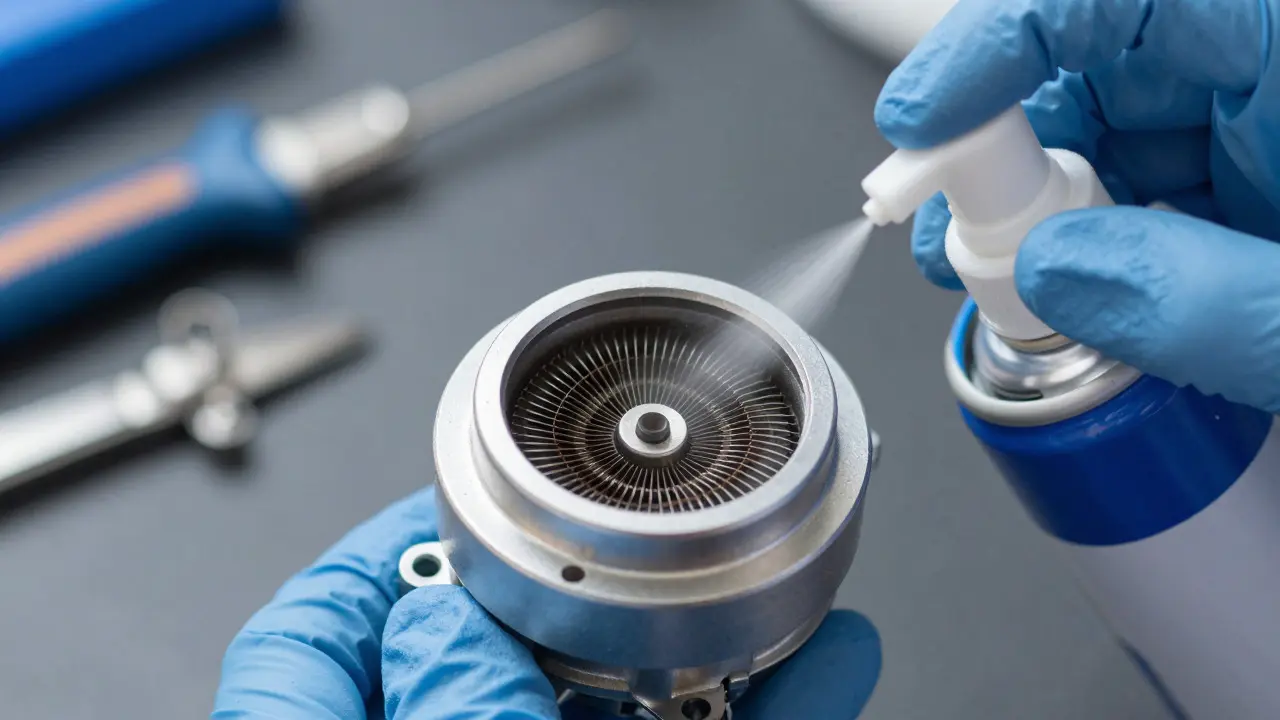
If the filter is clean and there are no obvious leaks, the MAF sensor might be faulty. Over time, oil vapors or road grime coat the hot wire or film element inside the sensor, reducing its sensitivity. A failing MAF sends erratic signals to the ECU, leading to inconsistent fuel trims. You can test this using an OBD-II scanner. Look for live data streams. Specifically, monitor the Short-Term Fuel Trim the immediate adjustment the ECU makes to fuel delivery to maintain the ideal air-fuel ratio. If the short-term fuel trim is constantly above +10% or below -10%, the ECU is struggling to compensate for bad air data. Clean the sensor with dedicated MAF cleaner (never use brake cleaner, which leaves residue) and see if the trims normalize. If they don’t, the sensor may need replacement.
Flow Analysis: Beyond Visual Inspection
Visual inspection tells you if the filter is dirty, but it doesn’t tell you if the entire intake path is efficient. For a deeper analysis, consider measuring pressure drop across the air filter. While difficult to do accurately without specialized equipment, a simple proxy is comparing idle RPM before and after cleaning or replacing the filter. A significant drop in idle speed after cleaning suggests severe restriction. In high-performance applications, technicians use flow benches to measure cubic feet per minute (CFM). For daily drivers, however, checking for kinked intake tubes and ensuring the throttle body is free of carbon buildup is usually sufficient. Carbon deposits can restrict airflow at the throttle plate, mimicking a restricted filter.
| Symptom | Possible Cause | Diagnostic Action |
|---|---|---|
| Rough Idle | Vacuum Leak / Dirty Throttle Body | Smoke test / Clean throttle body |
| Check Engine Light (P0171) | Lean Condition / MAF Fault | Check fuel trims / Test MAF sensor |
| Sluggish Acceleration | Clogged Air Filter / Restricted Intake | Inspect filter / Check for kinks |
| Fuel Smell | Rich Mixture / Fuel Injector Leak | Scan for codes / Inspect injectors |
The Role of the Throttle Body
Don’t overlook the throttle body. In drive-by-wire systems, the electronic throttle control adjusts the butterfly valve based on pedal input. If the bore is coated in carbon sludge, airflow is restricted even with a new filter. Cleaning the throttle body involves removing it, spraying it with cleaner, and wiping away deposits. Be careful not to let cleaner run into the engine cylinders. After cleaning, the ECU may need to relearn the idle position. Usually, this happens automatically after a few minutes of driving, but some vehicles require a specific reset procedure via a scan tool.
When to Replace vs. Clean
Knowing when to replace components saves money. Paper filters are cheap; replace them every 15,000 to 30,000 miles depending on driving conditions. If you drive on dusty roads or in heavy traffic, shorten that interval. Reusable cotton filters can last longer but require proper cleaning and oiling. If done incorrectly, they can shed fibers into the intake. MAF sensors are expensive. Only replace them if cleaning fails to resolve fuel trim issues. Intake hoses crack with age. Inspect them annually. A small crack can cause major performance issues and trigger emissions failures during inspections.
Practical Diagnostic Workflow
Follow this sequence to troubleshoot air intake issues efficiently:
- Scan for Codes: Start with an OBD-II scanner. Note any P0100-P0104 (MAF circuit) or P0171/P0174 (System Lean) codes.
- Visual Inspection: Check the air filter, intake tubes, and hose connections for damage or disconnection.
- Check Live Data: Monitor MAF readings and fuel trims at idle and under load. Compare actual values to manufacturer specifications.
- Leak Test: Perform a smoke test or propane test to identify unmetered air entry points.
- Clean Components: Clean the MAF sensor and throttle body if necessary.
- Re-test: Clear codes and drive the vehicle. See if symptoms return and if fuel trims stabilize.
Frequently Asked Questions
How often should I change my air filter?
Most manufacturers recommend every 15,000 to 30,000 miles. However, if you drive in dusty environments, construction zones, or heavy city traffic, inspect it every oil change. A visual check takes seconds and can save you from reduced fuel economy.
Can a dirty air filter cause a check engine light?
Yes. If the restriction is severe enough to alter the air-fuel ratio significantly, the ECU may detect a lean or rich condition and set a code like P0171 (System Too Lean Bank 1). It’s one of the most common causes for this code.
What is the difference between a vacuum leak and a clogged filter?
A clogged filter restricts all airflow, causing a general lack of power and potentially a rich mixture if the ECU overcompensates. A vacuum leak introduces unmetered air, causing a lean mixture, rough idle, and misfires. The key difference is that a vacuum leak affects the accuracy of the air measurement, while a clog reduces the total volume available.
Do I need to reset the computer after cleaning the throttle body?
In many modern cars, the ECU will adapt automatically within a few minutes of driving. However, some vehicles store a fixed idle setting. If your idle remains high or unstable after cleaning, use a scan tool to perform a throttle body relearn procedure.
Is it worth installing a cold air intake kit?
For stock daily drivers, the gains are minimal and often not worth the cost or risk of water ingestion. Cold air intakes work best in performance applications where higher airflow volumes are needed. For regular maintenance, sticking with OEM-quality filters is safer and more reliable.