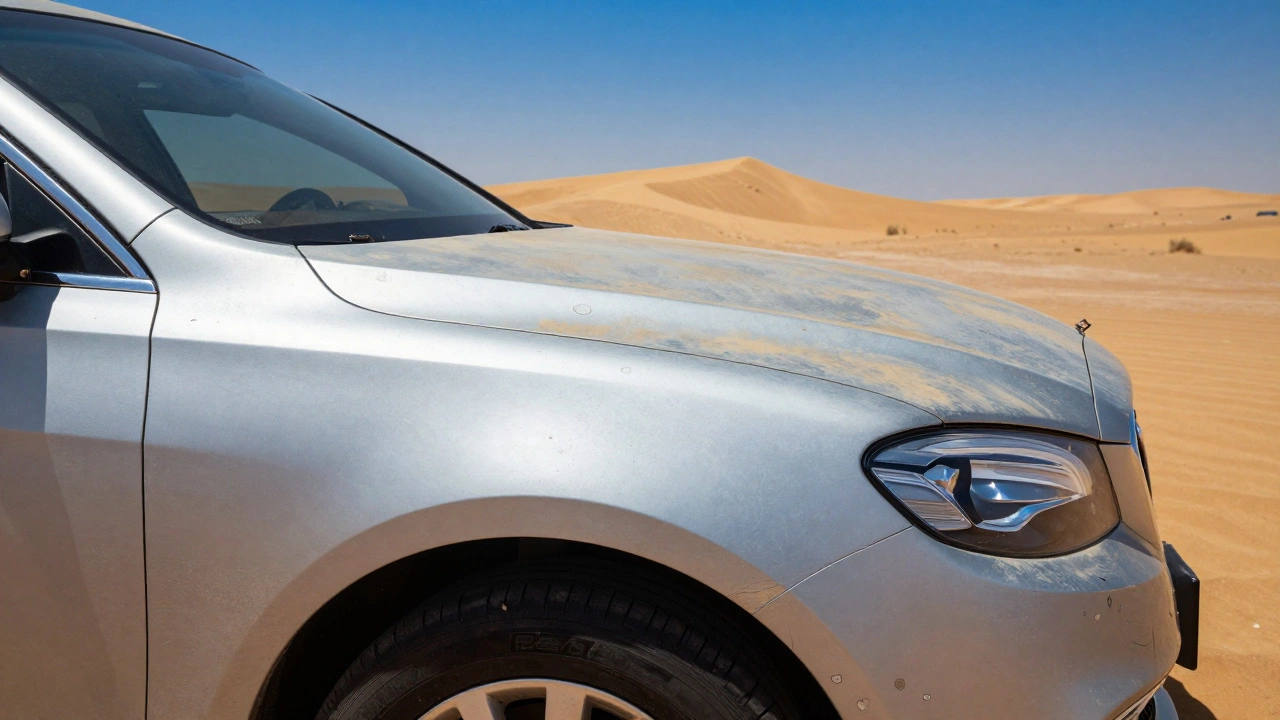
Your car’s paint job is doing more than just looking good. In the United Arab Emirates, it is one of the biggest factors deciding how much money you get back when you sell your vehicle. The sun here does not just shine; it attacks. Between intense UV rays, scorching temperatures, and abrasive sand storms, your car’s exterior takes a beating that would destroy a vehicle in months in other parts of the world. If you ignore this damage, you are literally watching your cash value evaporate.
Many drivers think an annual paint inspection is a mandatory government check. It is not. The official vehicle fitness test focuses on safety, emissions, and mechanical reliability. However, when you go to sell your car, the buyer or dealer will perform their own informal inspection. They look at the paint first. A faded, oxidized, or scratched finish tells them one thing: the owner did not care for the rest of the car either. This perception can slash your resale price by thousands of dirhams.
Why UAE Climate Destroys Paint Faster Than You Think
You might wonder why your car looks fine after six months but starts dulling by year two. The answer lies in the specific environmental conditions of the region. The combination of heat and sunlight creates a chemical reaction called oxidation. When UV rays hit the clear coat-the protective layer over your paint-they break down the polymers. Over time, this makes the paint look chalky and gray instead of glossy and vibrant.
Sand adds another layer of destruction. During sandstorms, tiny particles act like sandpaper against your windshield and body panels. Even if you do not see deep scratches immediately, micro-abrasions build up. These tiny swirl marks scatter light, making the paint look hazy. In cities like Dubai and Abu Dhabi, where humidity can also mix with dust to create grime, neglecting regular cleaning accelerates this degradation. The result is a surface that loses its depth and shine, signaling poor maintenance to potential buyers.
The Myth of Repainting vs. Preserving Original Finish
A common mistake owners make is trying to fix bad paint by repainting the entire car or large panels. Experts from firms like Pit Stop Arabia warn against this. Buyers are suspicious of cars that have been repainted. They assume there was a major accident, hidden structural damage, or flood history that the seller is trying to hide. A freshly painted car often smells of chemicals and lacks the factory-perfect color match of the original equipment manufacturer (OEM) finish.
Original paint holds significantly more value. When you preserve the factory finish, you prove the car has not been in serious crashes. Instead of repainting, focus on restoring the existing clear coat. Professional polishing can remove light oxidation and swirl marks, bringing back the gloss. If the clear coat is severely damaged, spot repairs or professional correction techniques are far better than a full respray. Always prioritize maintaining the integrity of the original layers.
Ceramic Coatings and Paint Protection Film: Worth the Investment?
If you want to protect your investment, you need barriers between your paint and the elements. Two main technologies dominate the market: ceramic coatings and Paint Protection Film (PPF). Both offer protection, but they work differently and serve different needs.
Ceramic coatings are liquid polymer solutions that bond chemically with the vehicle’s surface. They create a hydrophobic layer, meaning water beads up and rolls off, taking dirt and contaminants with it. This makes washing easier and reduces the chance of water spots etching into the paint. Brands like Ziebart UAE offer products such as Z-Shield, which claim to prevent fading and maintain shine for years. Ceramic coatings are excellent for UV protection and keeping the car looking clean longer.
On the other hand, PPF is a physical transparent film applied to high-impact areas like the hood, bumper, and side mirrors. It is designed to absorb rock chips and minor abrasions. If you drive frequently on highways or through dusty construction zones, PPF provides superior defense against physical damage. Many luxury car owners in the UAE opt for a combination: PPF on the front end for impact protection and ceramic coating on the rest of the body for gloss and UV resistance.
| Feature | Ceramic Coating | Paint Protection Film (PPF) |
|---|---|---|
| Primary Benefit | UV resistance, hydrophobicity, gloss enhancement | Physical impact protection, self-healing scratches |
| Durability | 2-5 years depending on product quality | 5-10 years with proper maintenance |
| Cost Impact on Resale | Moderate increase due to maintained appearance | High increase due to pristine condition of high-risk areas |
| Maintenance Required | Regular washing, occasional booster spray | Gentle washing, avoid harsh chemicals |
How to Perform Your Own Annual Paint Inspection
You do not need a mechanic to check your paint. You can do a thorough assessment yourself once a year, ideally before the peak summer heat sets in. Start by washing the car thoroughly. Dirt hides defects, so you need a clean slate. Use a pH-neutral car shampoo and dry with a microfiber towel to avoid introducing new swirls.
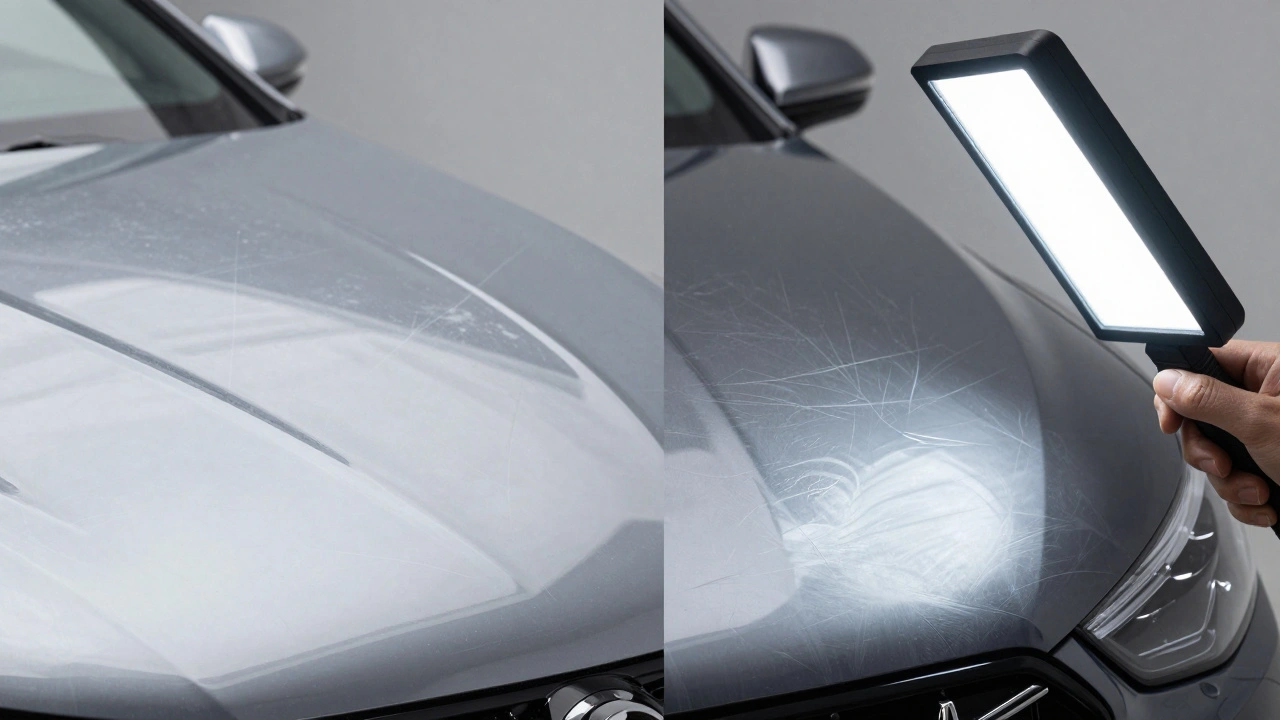
Next, inspect under bright, direct sunlight or use a strong LED panel light. Look for these specific issues:
- Oxidation: Does the paint look dull or chalky? Run your hand over the surface. If it feels rough or dry, the clear coat is breaking down.
- Swirl Marks: Shine the light at an angle. Do you see spiderweb-like scratches? These reduce gloss and indicate improper washing habits.
- Clear Coat Failure: Look for flaking or peeling. This is serious and requires immediate professional attention to prevent rust.
- Color Mismatch: Check panels near doors and bumpers. If colors look slightly different, previous repairs may be visible.
Document your findings. Take photos of any damage. This record helps you decide whether you need a simple polish, a ceramic coating refresh, or professional repair. Consistent documentation also proves to buyers that you monitor your vehicle’s condition closely.
The Role of Regular Detailing in Value Retention
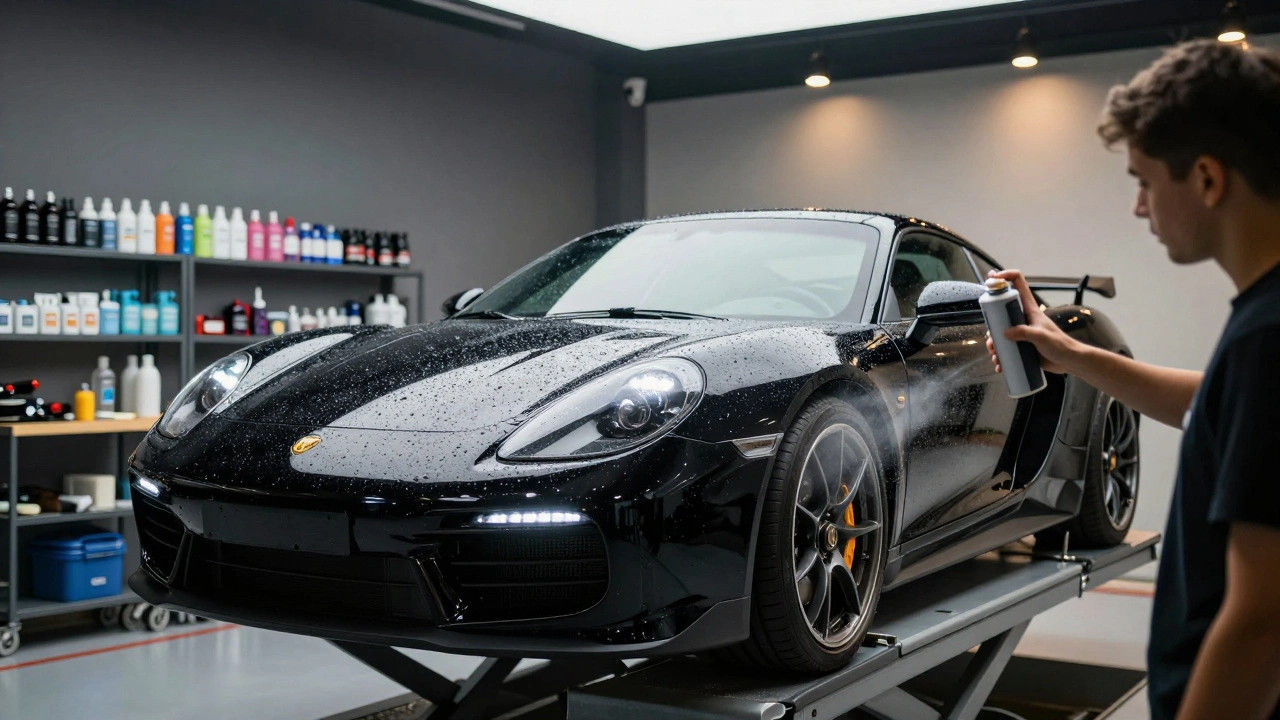
Protection is not a one-time event. It requires ongoing care. Professional detailing services in the UAE are not just about making the car look shiny for a weekend trip. They are essential maintenance. A detailed wash removes acidic contaminants from bird droppings and tree sap, which can eat through clear coat in hours during summer heat.
Waxing alone is often insufficient in the UAE climate. Traditional waxes degrade quickly under extreme UV exposure. Instead, seek out detailers who offer sealants or ceramic boosters. These products last longer and provide better chemical resistance. Aim for a professional detail every three to four months. This frequency keeps the protective layers active and ensures that minor defects are addressed before they become major problems.
Keep all receipts from detailing and protection services. When selling, these documents serve as proof of care. A buyer seeing a receipt for a $500 ceramic coating application knows you invested in the car’s longevity. This transparency builds trust and can justify a higher asking price.
Understanding Vehicle Inspection Fees and Timelines
While paint is not part of the mandatory government inspection, staying compliant with general vehicle regulations is crucial. In the UAE, vehicles must undergo annual fitness tests. For sedans under 2.0L, the fee is typically around 170 AED, while larger vehicles cost about 220 AED. Service fees and environmental surcharges add another 85-100 AED.
Missing your renewal date triggers penalties. You have a 30-day grace period, but late renewal incurs fines of 100 AED per month, up to a maximum of 500 AED. An expired registration can lead to traffic fines if caught by cameras. More importantly, a car with expired paperwork raises red flags for buyers. Ensure your registration is current to present a hassle-free transaction.
Is an annual paint inspection legally required in the UAE?
No, there is no separate legal mandate for an annual paint inspection. The standard vehicle fitness test checks safety and emissions. However, paint condition is critically assessed by buyers and dealers during resale, directly impacting your vehicle's market value.
Does repainting my car increase its resale value?
Generally, no. Repainting often decreases resale value because buyers suspect hidden accident damage or poor original maintenance. Preserving the original factory paint through protection and polishing is far more valuable than a fresh coat of paint.
What is the best protection against UAE sun damage?
A combination of Paint Protection Film (PPF) for physical impact resistance and ceramic coatings for UV protection and hydrophobic properties offers the best defense. Parking in shaded areas and using regular professional detailing also significantly extend paint life.
How much does poor paint condition affect resale price?
Significant paint damage, such as heavy oxidation, fading, or unprofessional repairs, can reduce resale value by 5% to 15% or more. Buyers perceive poor paint as a sign of overall neglect, leading them to negotiate aggressively or walk away entirely.
How often should I detail my car in the UAE?
Due to harsh environmental conditions, professional detailing every 3 to 4 months is recommended. This includes thorough washing, decontamination, and reapplication of protective sealants or ceramic boosters to maintain the integrity of your paintwork.