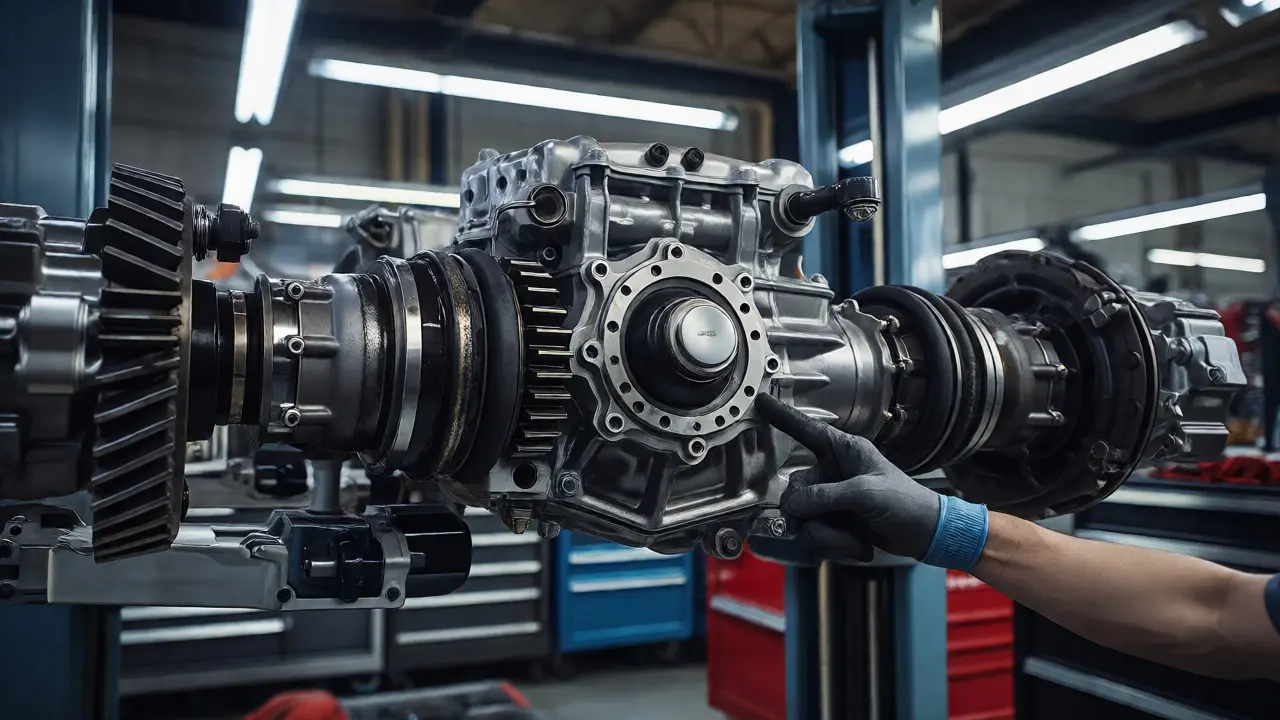
There is a specific sound that makes an Audi owner’s stomach drop. It’s not the engine revving or the tires squealing; it’s a low-frequency hum or a clunk when you turn the steering wheel at full lock in a parking lot. If you own a vehicle with Audi Quattro all-wheel drive system, that noise isn’t just annoying-it’s often the first whisper of a failing component. Most general mechanics see this as a minor nuisance. A true drivetrain specialist knows it’s a critical diagnostic clue.
You bought your Audi for its handling, its grip, and that confident feeling on wet pavement. But here is the hard truth: maintaining the Quattro system is fundamentally different from servicing a standard front-wheel-drive sedan. The complexity of the mechanical linkages, the fluid requirements, and the electronic integration mean that a generic "oil change and tire rotation" shop can easily miss issues that lead to five-figure repairs later. This guide breaks down why specialized care matters, what actually goes wrong in these systems, and how to keep your Audi gripping the road without breaking the bank.
Understanding the Evolution of Audi Quattro Technology
To understand why service needs vary, you have to know which generation of Quattro you are driving. Audi didn’t just slap four-wheel drive on their cars and call it a day. They evolved the technology significantly over decades, creating distinct categories that require different maintenance protocols.
The original Quattro system, introduced in 1980, was a mechanical beast. It used a center differential (often a Torsen unit) to send power to all four wheels permanently. This setup was robust but heavy. Later, Audi introduced the Ultra Quattro system around 2013, which switched to a more fuel-efficient, on-demand engagement using electromagnetic clutches. Then there is the Crown Gear Differential found in modern high-performance RS models, which allows for torque vectoring-sending more power to the outside wheel during cornering.
| System Type | Primary Mechanism | Maintenance Focus | Common Failure Points |
|---|---|---|---|
| Torsen Mechanical | Gear-based center diff | Differential fluid changes every 40k-60k miles | Transfer case wear, driveshaft couplings |
| Ultra Quattro | Electromagnetic clutch packs | Clutch calibration, software updates | Clutch overheating, sensor failures |
| Crown Gear Vectoring | Two rear diffs + clutch | Precision fluid specs, cooling checks | Rear diff seal leaks, actuator faults |
Why does this matter to you? Because telling a mechanic "it's an Audi" isn't enough. You need to know if you have a Torsen system that requires specific gear oil or an Ultra system that relies heavily on electronic sensors. Misidentifying the system leads to using the wrong fluids or performing unnecessary part replacements.
The Hidden Costs of Generic Maintenance
Let’s talk about money. A quick lube shop might charge $50 for a fluid check. An Audi specialist charges $200 for a comprehensive drivetrain inspection. At first glance, the latter seems expensive. But consider the cost of a failed transfer case. Replacement can range from $1,500 to $3,000 depending on whether you go OEM or aftermarket.
Generic shops often use universal transmission fluids. While these meet basic viscosity standards, they lack the specific friction modifiers required by Audi’s tightly toleranced differentials. Using the wrong fluid can cause shuddering during acceleration-a condition known as "judder." In Ultra Quattro systems, incorrect fluid can cause the clutches to slip prematurely. I’ve seen cars come into our shop in Portland with complete clutch pack burnouts simply because a previous owner topped off the system with generic ATF instead of the specified Audi GTF fluid.
Furthermore, general technicians often overlook the propshaft (driveshaft) connections. On older Quattro models, the rubber couplings connecting the front and rear drive shafts degrade over time. These aren’t visible unless you put the car on a lift and inspect them closely. When they fail, they create vibrations that mimic tire imbalance. Many owners spend hundreds on new tires before realizing the issue was a $40 rubber coupling.
Diagnostic Clues Only Specialists Catch
If you suspect your Quattro system is acting up, pay attention to these specific symptoms. They are rarely obvious to the untrained eye.
- The Parking Lot Clunk: As mentioned earlier, a clunk when turning sharply at low speeds usually points to binding in the center differential or worn CV joints. In Torsen systems, this can indicate internal gear wear. In Ultra systems, it might mean the clutch is engaging incorrectly.
- Vibration Under Light Acceleration: If you feel a shudder between 20 and 40 mph while gently pressing the gas, it’s likely a torque converter or clutch engagement issue. This is distinct from wheel balance vibration, which happens at constant highway speeds.
- Dashboard Warnings Without Obvious Causes: Modern Audis integrate the drivetrain with stability control. A faulty wheel speed sensor can trigger the ABS light, traction control light, and even disable cruise control. A specialist uses VCDS or ODIS software to read the underlying fault codes, rather than just clearing them.
One common pitfall is ignoring the rear differential on R8 and RS models. These cars often have limited-slip differentials that require special LSD (Limited Slip Differential) additive in the gear oil. If a general mechanic drains and refills with standard GL-5 gear oil, the differential will chatter and eventually fail within months.

Fluid Services: The Heartbeat of Quattro Health
Fluids are the lifeblood of any mechanical system, but in Audi Quattro vehicles, they are also part of the electronic control logic. The ZF 8-speed automatic transmission, commonly paired with Quattro, has a strict fluid change interval. Audi claims it’s "lifetime," but most specialists recommend changing it every 60,000 miles. Here’s why: the valve body inside the transmission has tiny passages. Over time, clutch material and metal shavings accumulate. If you don’t flush the system, these particles clog the solenoids, leading to harsh shifts.
For the differentials, the process is simpler but equally critical. You drain the old gear oil, inspect it for metallic flakes (a sign of internal wear), and refill with the exact specification. For Torsen centers, this is usually a synthetic hypoid gear oil. For rear diffs with active torque vectoring, the fluid must maintain consistent viscosity across a wide temperature range to ensure the pumps work correctly.
Don’t forget the Haldex Coupling if you drive an Audi A3, Q3, or TT with the newer Quattro system. This unit sends power to the rear wheels only when needed. It contains a pump and clutch packs submerged in fluid. Neglecting this fluid change leads to pump failure, which disables the rear wheels entirely, turning your all-wheel-drive car into a front-wheel-drive commuter.
Choosing the Right Specialist: What to Look For
Not all independent shops are created equal. How do you find a true Audi drivetrain specialist? Start by asking about their diagnostic tools. Do they use ODIS (Offboard Diagnostic Information System)? This is Audi’s factory-level software. If they rely solely on a generic code reader, they might miss subtle calibration errors.
Next, ask about their experience with specific components. Can they rebuild a transfer case, or do they only replace it? Rebuilding is often half the cost of replacement, but it requires specialized knowledge of bearing preloads and shim thicknesses. A specialist who says "we just swap parts" might be cheaper upfront but could leave you dealing with recurring issues.
Finally, look for evidence of community engagement. Specialists often participate in forums like AudiWorld or local club meets. They stay updated on Technical Service Bulletins (TSBs). For example, there was a known issue with certain model years where the rear driveshaft support bearing would fail due to water ingress. A specialist aware of this TSB will inspect that bearing proactively, saving you a breakdown on the freeway.

Preventative Care Checklist for Owners
You don’t need to be a mechanic to help your car. There are simple things you can do between professional services to extend the life of your drivetrain.
- Warm Up Properly: Don’t floor the accelerator until the oil and transmission fluids reach operating temperature. Cold fluid is thicker, causing higher stress on gears and clutches during initial movement.
- Avoid Full Lock Turns: Whenever possible, avoid holding the steering wheel at full lock for extended periods. This puts immense strain on the CV joints and center differential, especially on dry pavement.
- Check Tire Uniformity: All four tires should have similar tread depth. A difference of more than 2/32nds of an inch can force the center differential to constantly compensate, generating excess heat and wear. Rotate your tires regularly to keep them even.
- Listen for Changes: Familiarize yourself with your car’s normal sounds. Early detection of a new whine or hum allows for cheaper repairs, such as replacing a wheel bearing, before it damages the hub assembly.
Living in Portland, I see a lot of moisture-related issues. Road salt and rain accelerate corrosion on exhaust hangers and suspension components, but they also affect electrical connectors in the drivetrain. Keeping underbody washes regular helps prevent connector corrosion that can cause intermittent Quattro warnings.
When to Consider a System Upgrade or Swap
Sometimes, repairing an aging system isn’t the best option. Enthusiasts often swap engines or transmissions to improve performance. However, swapping a non-Quattro transmission into a Quattro chassis (or vice versa) is complex. You need to match the bell housing pattern, the output shaft spline count, and the electronic control modules.
A popular upgrade involves installing a stronger clutch pack in Haldex systems for track use. Stock clutches can overheat after repeated hard launches. Aftermarket kits offer better heat dissipation and bite characteristics. But remember, increased grip means increased stress on other components like axles and CV joints. Always upgrade related parts together.
Another consideration is converting from Ultra Quattro back to a mechanical system, though this is rare and expensive. Most owners stick with the stock configuration but invest in better cooling solutions, such as auxiliary transmission coolers, to reduce thermal stress.
How often should I change my Audi Quattro differential fluid?
While Audi sometimes labels these fluids as "lifetime," most specialists recommend changing them every 40,000 to 60,000 miles. This prevents metal shavings from circulating and damaging internal gears. Always use the specific fluid grade recommended for your differential type (e.g., GL-5 with LSD additives for limited-slip units).
What causes the clunking noise when turning my Audi?
A clunk during sharp turns at low speeds typically indicates worn CV joints, a failing center differential, or issues with the transfer case couplings. In Ultra Quattro models, it can also signal clutch engagement problems. It’s important to diagnose this early to prevent further damage to the drivetrain.
Can I drive my Audi if the Quattro warning light is on?
Yes, but with caution. The system may default to front-wheel drive or limit power to protect itself. Avoid aggressive acceleration and long trips until the issue is diagnosed. Continuing to drive with a severe mechanical failure can lead to catastrophic damage, so schedule a specialist inspection promptly.
Is it necessary to replace all four tires at once for Quattro?
It is highly recommended to keep tread depths within 2/32nds of an inch across all four tires. Significant differences cause the center differential to bind, leading to premature wear. If one tire is damaged beyond repair, you may need to shave the matching tire or replace all four to maintain proper circumference.
What is the difference between Torsen and Ultra Quattro?
Torsen is a permanent mechanical all-wheel-drive system using gears to distribute power, offering superior durability and response. Ultra Quattro is an on-demand system using electromagnetic clutches, designed for better fuel efficiency. Torsen requires regular fluid changes; Ultra relies more on electronic calibration and clutch health.