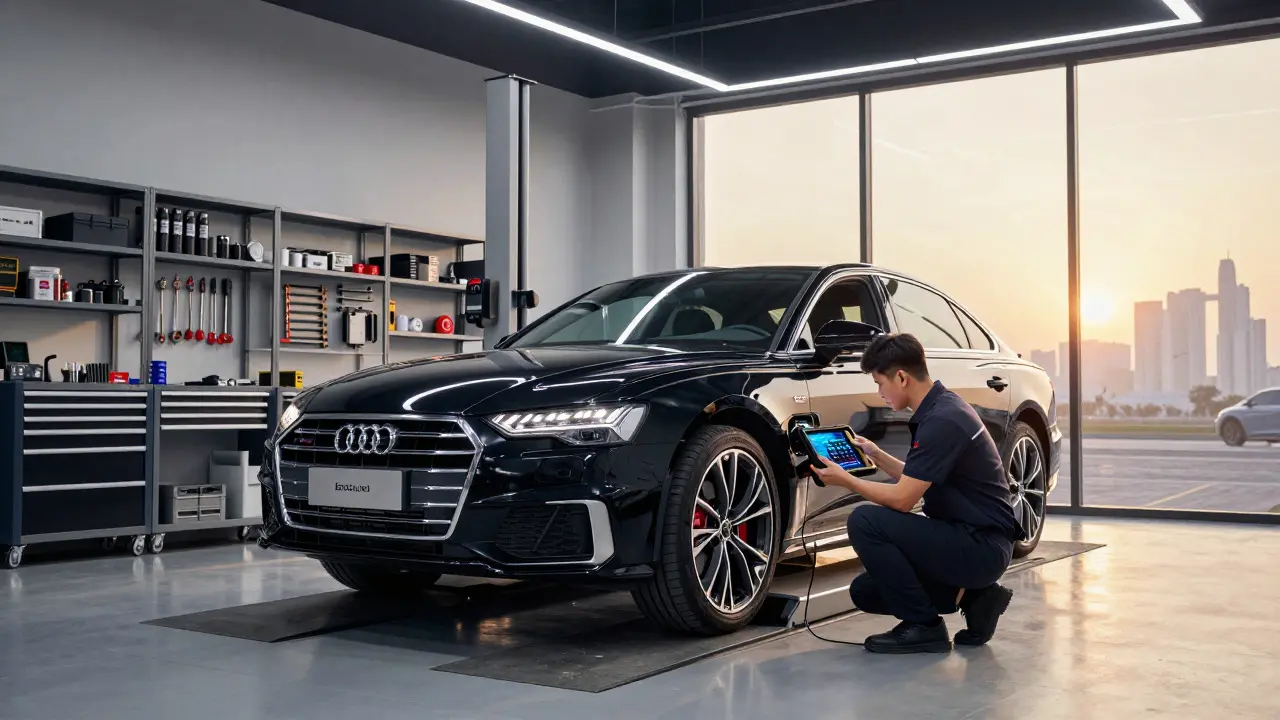
Driving an Audi is a different experience when you are in the middle of the desert heat. The combination of high temperatures and dust puts unique stress on German engineering. If your check engine light comes on or the air conditioning stops working, you need more than just any mechanic. You need a shop that understands the specific logic of the Volkswagen Group. This is where finding a true Audi specialist in Dubai becomes critical for keeping your vehicle running smoothly.
Many people assume that because Audi and VW share parts, any garage can fix them. That is a risky assumption. While they share some mechanical components, the software calibration, sensor sensitivity, and electronic architecture are distinct. A generic repair shop might swap a part, but a specialist uses advanced diagnostic protocols to ensure the entire system talks to each other correctly. This distinction saves you money in the long run by preventing recurring issues.
Why VW Group Diagnostics Matter
The core of modern automotive repair is data. For vehicles from the Volkswagen Group, this means dealing with complex networks of sensors and control units. These cars use a system called CAN bus communication, which allows different modules (like the engine, transmission, and climate control) to exchange information constantly. If one module fails or has a glitch, it can trigger warnings in unrelated systems.
Standard OBD-II scanners often miss these deeper issues. They read basic codes, but they don't see the live data streams that reveal subtle problems. A specialist uses factory-grade diagnostic software, such as VCDS or ODIS, to access every corner of the vehicle's brain. This level of detail is essential for diagnosing intermittent faults that keep coming back after a standard repair.
- Deep System Scanning: Accessing all 50+ control modules in newer models.
- Live Data Analysis: Watching sensor inputs in real-time while driving.
- Module Coding: Adjusting software parameters to match specific hardware changes.
- Adaptive Reset: Clearing learned behaviors in the transmission and engine management.
The Dubai Climate Factor
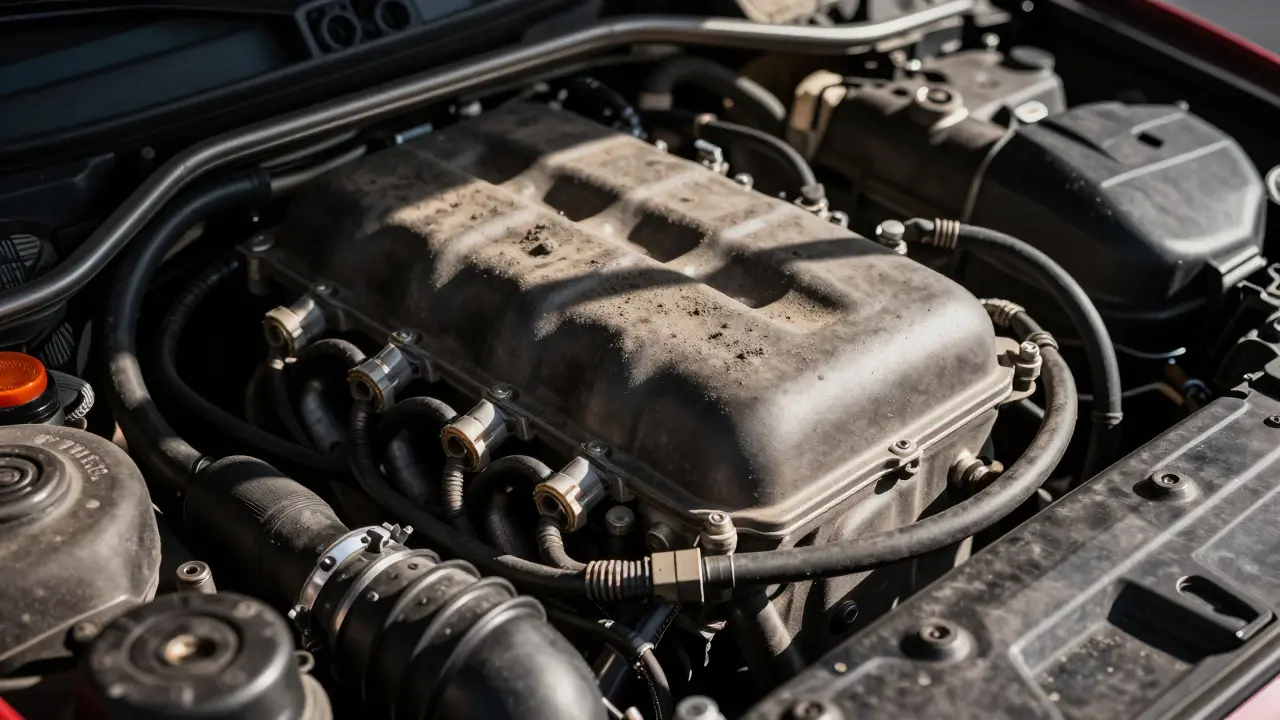
Dubai presents a harsh environment for European cars. Summer temperatures regularly exceed 40°C (104°F), and humidity levels can spike during the monsoon season. This extreme heat accelerates wear on cooling systems, electrical connectors, and rubber seals. Dust from sandstorms also finds its way into air filters and intake manifolds, affecting engine performance.
An Audi specialist in this region knows exactly which components fail first under these conditions. For example, the water pump seal on many VW Group engines is prone to drying out in extreme heat. A generalist might replace the pump only when it leaks visibly, but a specialist checks the coolant condition and pressure regularly to prevent overheating damage to the engine block.
| Component | Typical Failure Mode | Specialist Solution |
|---|---|---|
| Cooling System | Water pump seal degradation | Preventive replacement + pressure test |
| Air Conditioning | Compressor clutch slip | Refrigerant leak check + clutch diagnosis |
| Electrical Connectors | Oxidation due to humidity | Corrosion treatment + dielectric grease application |
| Intake System | Dust accumulation in MAF sensor | Sensor cleaning + filter inspection |
Identifying a True Specialist
Not every shop with "German" in the name is a true specialist. To verify if a workshop in Dubai meets the standard for VW Group excellence, look for specific certifications and equipment. The most reliable indicator is their ability to perform module coding and adaptive resets without guessing. If they rely solely on guesswork or part swapping, they are not using full diagnostic potential.
Check if they have trained technicians who hold certifications from manufacturers like Bosch or Snap-on, which provide training for VW Group systems. Also, ask about their warranty policy. A reputable specialist will offer a comprehensive warranty on both labor and parts, reflecting confidence in their diagnostic accuracy. This transparency builds trust and ensures you are not paying twice for the same problem.
| Feature | General Auto Shop | VW Group Specialist |
|---|---|---|
| Diagnostic Tool | Basic OBD-II Scanner | Factory-Grade Software (ODIS/VCDS) |
| Problem Solving | Part Swapping / Guessing | Data-Driven Root Cause Analysis |
| Software Updates | Rarely Performed | Regular Module Recoding |
| Climate Awareness | Generic Maintenance | Heat-Specific Preventive Care |
| Cost Efficiency | Potential Repeat Visits | First-Time Fix Rate Higher |
The Role of Electronic Modules
Modern Audis are essentially computers on wheels. The Engine Control Unit (ECU) manages fuel injection, ignition timing, and emissions. It communicates with the Transmission Control Module (TCM), the Body Control Module (BCM), and the Instrument Cluster. When you take your car in for service, the technician must ensure these modules are synchronized. For instance, after replacing a throttle body, the ECU needs to be recalibrated to recognize the new position sensors. Without this step, your idle might remain unstable, leading to poor fuel economy and rough acceleration.
This synchronization is what defines diagnostic excellence. It is not just about fixing what is broken; it is about ensuring the whole system functions as a cohesive unit. In Dubai, where traffic congestion is common, smooth shifting and responsive acceleration are crucial for daily comfort. A specialist ensures your car feels like it did when you drove it off the lot, even after years of use.

Maintenance Beyond Repairs
Prevention is cheaper than cure. A good specialist will advise you on a maintenance schedule tailored to the local conditions. This includes more frequent oil changes if you drive short distances in heavy traffic, as unburned fuel can dilute the oil. They will also recommend checking the battery health more often, as extreme heat reduces battery lifespan. By staying proactive, you avoid unexpected breakdowns on highways like Sheikh Zayed Road.
Consider the value of a pre-purchase inspection if you are buying a used Audi in Dubai. Many used cars have hidden history, such as previous flood damage or neglected maintenance. A specialist can scan the vehicle's history through its onboard computer, revealing past error codes that were cleared but may still indicate underlying issues. This insight helps you negotiate a better price or avoid a bad purchase entirely.
Frequently Asked Questions
What is the difference between a VW specialist and a general mechanic?
A VW specialist uses factory-level diagnostic software to analyze complex electronic systems and perform module coding. A general mechanic typically relies on basic scanners and part replacement, which may not resolve root causes in modern German vehicles.
How often should I service my Audi in Dubai?
Due to extreme heat and dust, it is recommended to change oil every 7,500-10,000 km instead of the standard 15,000 km. Air filters should be inspected every 6 months to prevent dust ingestion.
Do I need original parts for repairs?
While OEM parts are ideal for longevity, high-quality aftermarket parts from trusted brands can work well for non-critical components. However, for electronics and safety-critical parts like brakes and suspension, OEM or equivalent certified parts are strongly recommended.
Can a specialist fix hybrid models like the A6 e-tron?
Yes, but it requires specific high-voltage training. Ensure the technician is certified in HV systems before allowing work on the battery or electric motor components to ensure safety and proper calibration.
What does module coding involve?
Module coding adjusts the software settings within a control unit to match the current hardware configuration. For example, after installing a new exhaust system, the ECU must be coded to account for the changed backpressure and sound characteristics.