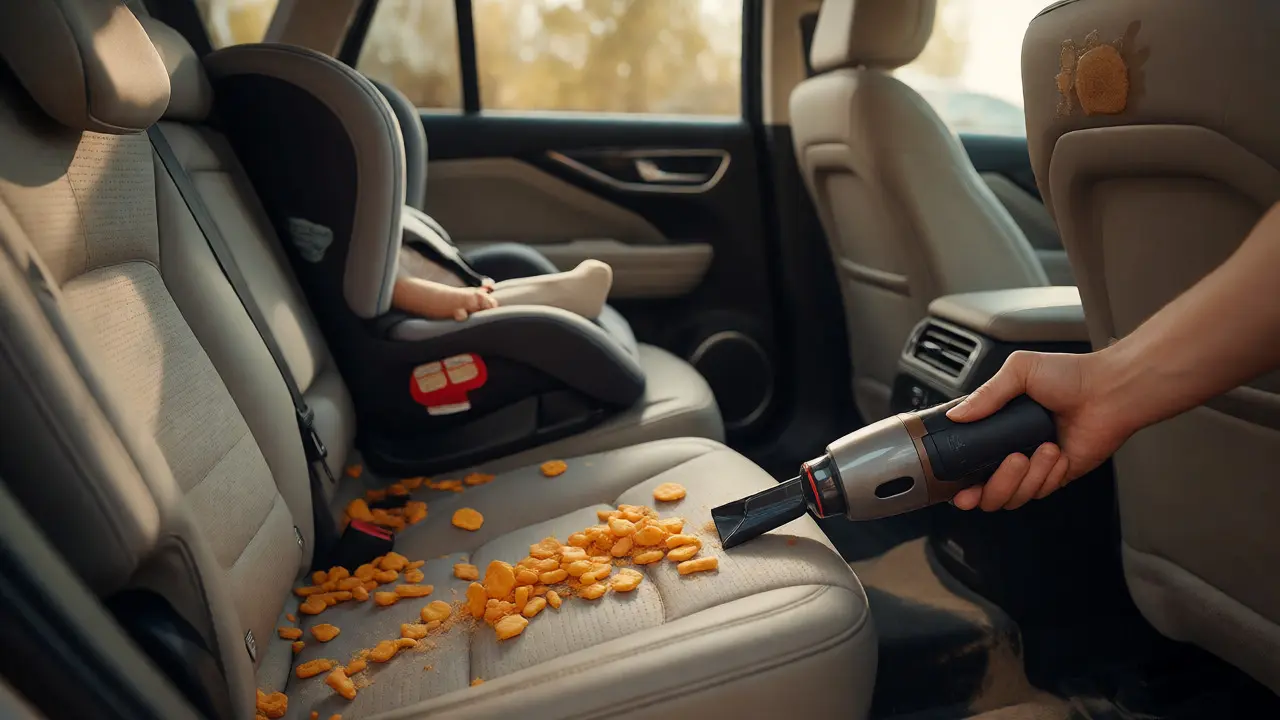
You just spent three hours at the park. The backseat is a graveyard of crushed Goldfish crackers, mysterious sticky spots, and enough sand to fill a sandbox. You look in the rearview mirror and see your toddler’s face pressed against the window, surrounded by chaos. It’s not just messy; it’s a potential health hazard. For parents, family car detailing isn’t about making the leather shine for Instagram. It’s about removing bacteria, allergens, and toxins that accumulate in the spaces where your children spend most of their time.
Standard vacuuming doesn’t cut it when you’re dealing with spit-up, diaper leaks, or juice spills that have soaked into foam padding. You need a protocol. This guide breaks down the specific hygiene standards for keeping your baby seat and vehicle interior safe, especially if you’re in a damp climate like Portland where mold and mildew love to hide under those seat covers.
Why Standard Cleaning Fails Parents
Most people think cleaning means removing visible dirt. But in a family car, the real enemy is invisible. Think about what accumulates in a child’s car seat over six months: skin cells, saliva, milk residue, dust mites, and pet dander if you have a dog who rides along. These organic materials feed bacteria and mold.
A quick wipe-down with all-purpose cleaner might remove the stain, but it leaves behind chemical residues and doesn’t kill the pathogens living deep in the fabric weave. If your child has allergies or asthma, this matters. According to the EPA, indoor air quality (yes, your car counts as indoor space) significantly impacts respiratory health. When you skip deep cleaning, you’re essentially asking your kid to breathe in concentrated allergens for an hour-long drive.
The goal here is deep hygiene. We aren’t aiming for "good enough." We’re aiming for a standard that protects developing immune systems.
The Baby Seat Protocol: Disassembly and Drying
Your infant car seat is the highest-risk zone. It’s small, enclosed, and directly contacts your baby’s skin and mouth. Here’s the non-negotiable rule: never put the harness straps in the washing machine unless the manufacturer explicitly says so. Most straps lose their tensile strength when washed, which compromises safety in a crash.
Instead, follow this step-by-step approach:
- Check the Manual First: Every brand (Graco, Chicco, Britax) has different rules for removable covers. Some are machine washable on gentle cold; others require hand-washing only.
- Vacuum Before Wetting: Use a crevice tool on your vacuum to suck up crumbs and debris from the seams. If you wet the seat first, you turn dust into mud, which is harder to remove.
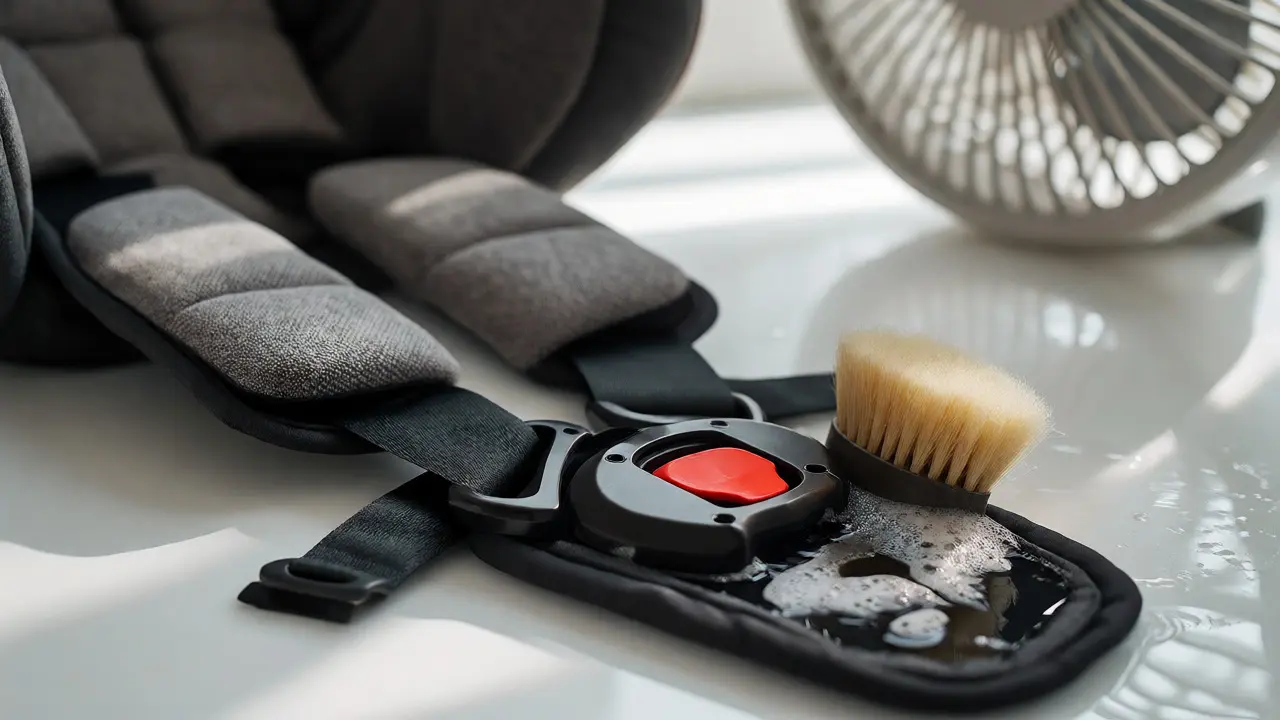
- Spot Clean Straps: Mix warm water with a tiny amount of mild baby detergent. Scrub the straps gently with a soft-bristled brush. Avoid soaking them. Wipe with a damp cloth to remove soap residue.
- Air Dry Completely: This is critical. Never use a hair dryer or heater to speed up drying. High heat can warp plastic components and degrade foam integrity. Lay everything flat in a well-ventilated area. In humid weather, use a fan to circulate air around the parts.
If you notice a musty smell after reassembling the seat, moisture got trapped somewhere. Pull it apart again. Mold grows fast in dark, damp places, and babies chew on things.
Interior Fabric vs. Leather: Different Rules Apply
Once the seats are out, tackle the vehicle interior. Your material dictates your method. Using the wrong product can ruin upholstery or leave harmful fumes.
| Material Type | Cleaning Agent | Tool Required | Drying Time |
|---|---|---|---|
| Fabric/Cloth | Enzymatic Cleaner (pet-safe) | Microfiber Towels & Stiff Brush | 4-6 Hours (with airflow) |
| Leather/Vinyl | pH-Balanced Leather Cleaner | Horsehair Brush & Microfiber | 1 Hour |
| Carpet Mats | Steam or Shampoo Extractor | Vacuum & Agitator | Overnight |
For fabric interiors, enzymatic cleaners are your best friend. They break down organic matter (like milk or urine) rather than just masking the odor. Spray generously, let it sit for 5-10 minutes, then agitate with a brush. Blot-don’t rub-with clean microfiber towels until no more moisture transfers.
Leather requires care because harsh chemicals strip natural oils, leading to cracks. A pH-balanced cleaner preserves the finish. After cleaning, apply a conditioner designed for automotive use. This keeps the surface flexible and resistant to staining from future spills.
Killing Germs Without Toxic Chemicals
Parents often ask: "Should I disinfect?" Yes, but choose wisely. Bleach is too strong for most car interiors and can damage fabrics. Alcohol-based wipes dry out vinyl and plastic. Instead, look for products labeled "EPA Registered" for antimicrobial activity but free of chlorine and ammonia.
Steam cleaning is highly effective for families. A handheld steamer reaches temperatures above 212°F (100°C), which kills bacteria, viruses, and dust mites without any chemicals. It’s perfect for high-touch areas like door handles, seatbelt buckles, and the center console. Just be careful with electronics and sensitive fabrics that might water-spot.
If you don’t own a steamer, consider hiring a professional detailer who uses hot water extraction. This method injects hot water into the carpet and immediately vacuums it back out, pulling deep-seated grime with it. It’s far superior to DIY rental machines, which often leave carpets overly wet, inviting mold growth within 24 hours.
Maintaining Hygiene Between Deep Cleans
You can’t do a full detail every week. But you can prevent buildup. Establish a "reset routine" after every long trip or particularly messy outing.
- Shake Out Mats: Take floor mats outside and beat them against a curb. Vacuum them thoroughly.
- Wipe High-Touch Zones: Keep a pack of fragrance-free, alcohol-free wipes in the glove box. Wipe down seatbelts, armrests, and tray tables weekly.
- Use Seat Protectors: Place waterproof, breathable seat covers under car seats. They catch spills before they soak into the upholstery. Wash these covers monthly.
- Air Filtration: Replace your cabin air filter twice a year. In cities with high pollen counts or pollution, this filter traps particulates that otherwise circulate through the vents. A clogged filter makes your HVAC system work harder and spreads dust.
Consider adding a HEPA portable air purifier to your car’s cup holder during drives. It sounds excessive, but in a small enclosed space, it actively removes airborne particles. Many parents report fewer sneezes and clearer breathing for kids with sensitivities.
When to Call a Professional
DIY works for maintenance, but some situations demand expertise. If you’ve had a significant accident involving fluid leaks, or if there’s persistent mold smell despite thorough cleaning, call a pro. Also, if you’re selling the car, a certified detailer can restore value. Studies show that a clean interior can increase resale value by up to 5%, simply because buyers perceive better overall maintenance.
Look for detailers who specialize in "interior sanitation" rather than just "cosmetic detailing." Ask them specifically about their process for car seats and whether they use ozone treatment for odor removal. Ozone generators oxidize odor-causing molecules at a molecular level, neutralizing smells that steam alone might miss.
Final Thoughts on Safety and Sanity
Keeping a family car hygienic isn’t about perfection. It’s about consistency. You don’t need to sterilize every inch daily. But regular attention to the baby seat and high-contact surfaces reduces exposure to germs and allergens. Start with one section per weekend. Next month, add another. Before you know it, your car will feel fresh, and your kids will have a cleaner place to nap on the way home.
Can I wash my car seat cover in the washing machine?
It depends entirely on the manufacturer's instructions. Most modern brands allow machine washing on a gentle cycle with cold water, but many older models require hand-washing. Never put the harness straps in the machine unless specified, as agitation can weaken the fibers and compromise safety in a collision.
How often should I deep clean my family car?
Aim for a full deep clean every 3 to 6 months. However, spot cleaning should happen immediately after spills. If you have young children who eat in the car, or pets that ride along, increase the frequency to monthly. Regular vacuuming and wiping of high-touch areas should occur weekly.
Is it safe to use bleach to disinfect car interiors?
Generally, no. Bleach is too harsh for most automotive fabrics and plastics. It can cause discoloration, weaken synthetic fibers, and leave strong fumes that may irritate children's respiratory systems. Opt for EPA-registered disinfectants that are safe for auto interiors or use steam cleaning for chemical-free sanitization.
What causes the musty smell in car seats?
Musty odors usually indicate mold or mildew growth due to trapped moisture. This happens when liquids spill and aren't fully dried, or when humidity builds up in the cabin. Spilled drinks, sweat, and even wet umbrellas contribute. To fix it, you must identify the source, dry it completely with fans or dehumidifiers, and treat the area with an enzymatic cleaner or steam.
Do professional detailers clean baby car seats?
Many do, but not all. Always confirm beforehand. Specialized family detailing services will disassemble the seat, wash removable covers according to guidelines, scrub the base, and sanitize the frame. General cosmetic detailers might only vacuum the exterior. Look for providers advertising "interior sanitation" or "health-focused detailing."