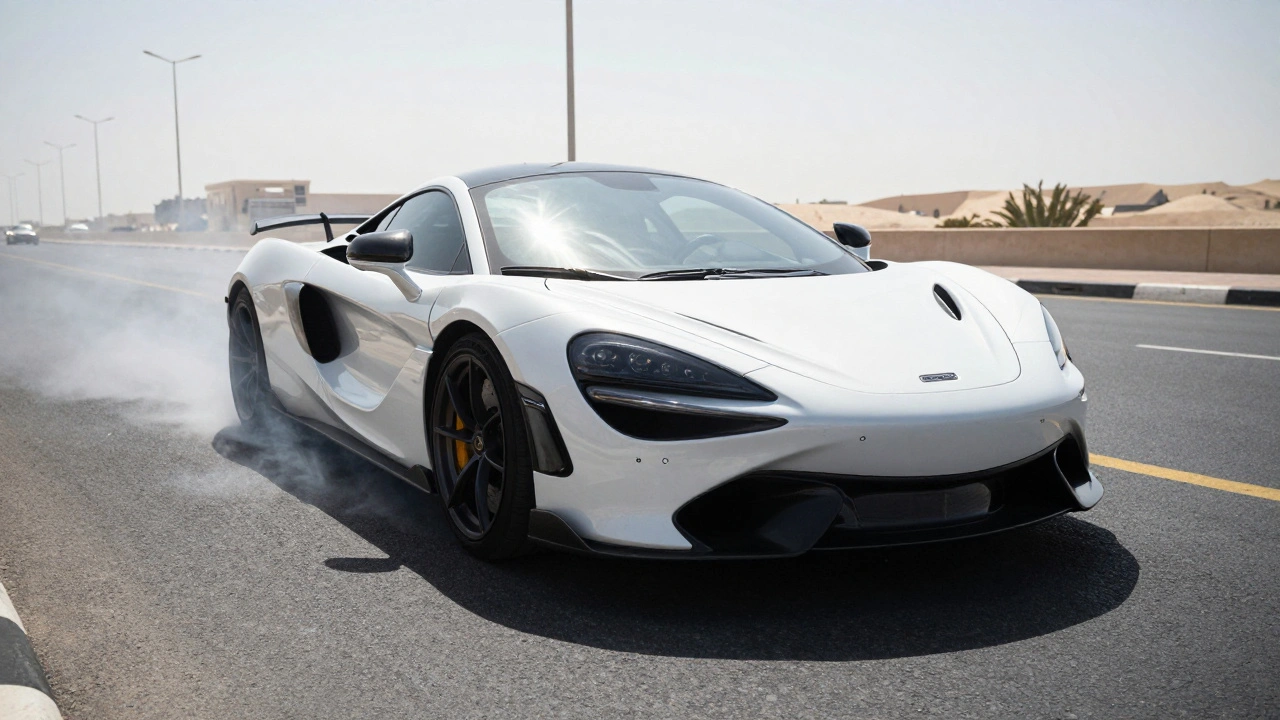
Why Dubai Heat Kills Your Horsepower
Air density is the secret sauce of engine performance. Cold air is thick and packed with oxygen; hot air is thin and lazy. In a turbocharged setup, the Turbocharger compresses air to force more into the cylinders, but this process creates massive heat. The factory intercooler is supposed to scrub that heat away, but in a place like Dubai, the ambient air is already so warm that the heat exchanger can't keep up. When your Intake Air Temperature (IAT) climbs too high, your car's computer triggers a safety mechanism. It retards the ignition timing to stop the fuel from exploding too early, which leads to a noticeable drop in torque. This is why your car feels like a rocket in January but struggles in July. Upgrading your cooling system isn't just about chasing numbers on a dyno; it's about maintaining a consistent power band regardless of the weather.Choosing the Right Intercooler for the Desert
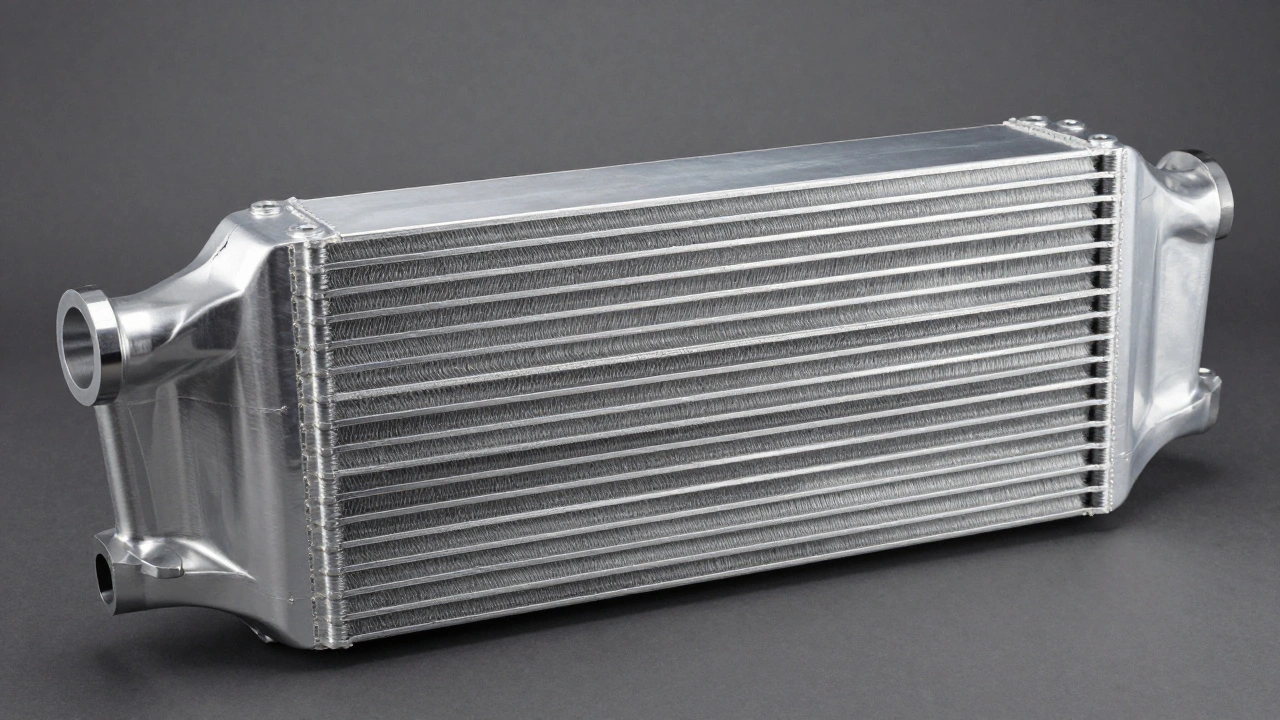
Not all intercoolers are created equal. If you just buy the biggest one you find, you might actually make your car slower in city traffic. You have to balance two competing forces: cooling efficiency and pressure drop.First, look at the core material. High-quality aluminum bar-and-plate designs are the gold standard for durability and heat transfer. If you're dealing with extreme heat, a thicker core with more surface area generally performs better, provided there is enough airflow to actually cool it down.
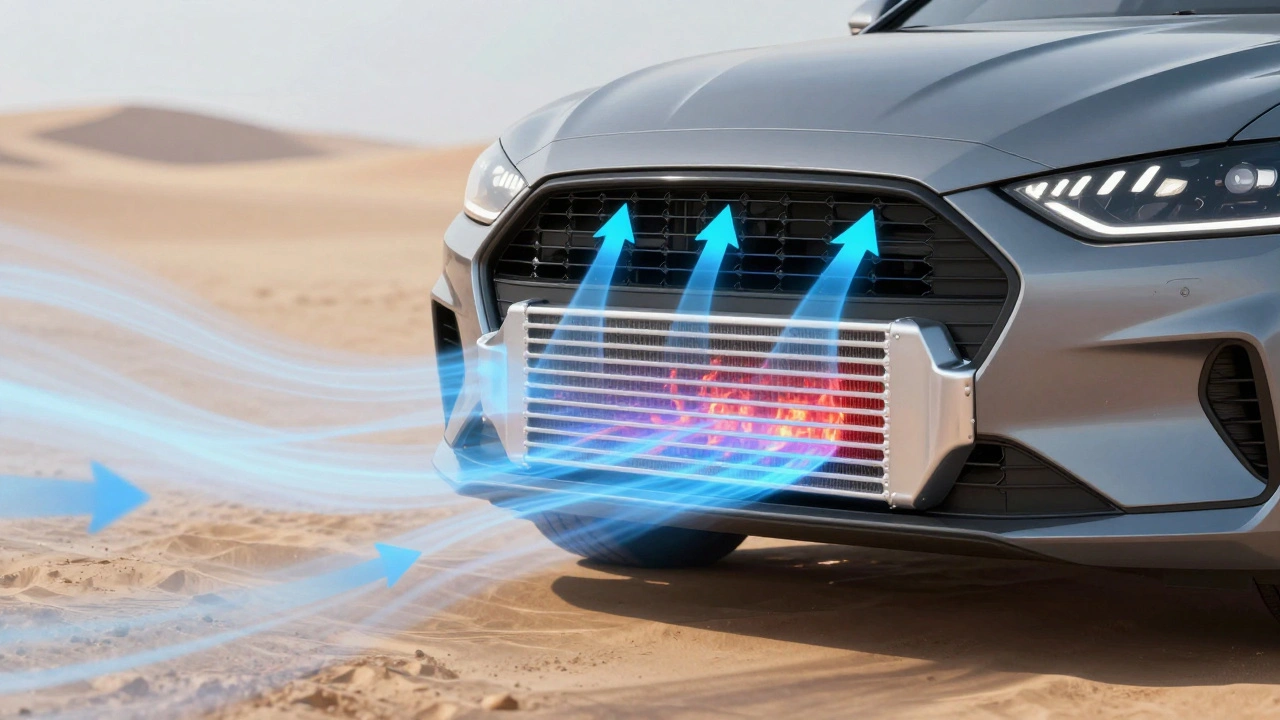
Second, consider the mounting position. A front-mount intercooler (FMIC) puts the core directly in the path of the wind, which is great for highway cruising. However, if you spend your time in stop-and-go traffic in Downtown Dubai, you might experience heat soak-where the intercooler itself becomes a heat battery, holding onto warmth because there's no wind to carry it away.
| Type | Cooling Ability | Pressure Drop | Best Use Case |
|---|---|---|---|
| Stock (OEM) | Low | Low | Daily commuting, low boost |
| Large Front Mount | High | Medium | Highway driving, track days |
| Air-to-Water | Very High | Low | Heavy city traffic, drag racing |
The Trap of the "Bigger is Better" Mentality
There is a common myth that the largest intercooler always wins. In reality, a massive intercooler increases the volume of air between the turbo and the engine. This creates "turbo lag," where the turbo takes longer to spool up because it has to fill a larger volume of space before the boost reaches the cylinders. For a Dubai driver, the real danger is heat soak during idling. Some users who switched to oversized units from brands like Evolution Racewerks found that while highway temps dropped, their IATs actually rose during slow traffic. Why? Because a giant block of aluminum sitting in 50°C air without any wind becomes a radiator that heats the air instead of cooling it. If you do a lot of city driving, focus on a unit with an efficient fin design rather than just raw size.Installation Tips to Avoid Common Mistakes
Putting in a new intercooler isn't just about bolting it in. If you do it wrong, you'll lose all your gains to air leaks.- Check your piping: Use high-quality silicone hoses and T-bolt clamps. Standard worm-gear clamps can slip under high boost, leading to a "boost leak" that makes your car feel sluggish.
- Airflow Management: If your new intercooler blocks too much of the radiator's airflow, you'll solve your intake temp problem but create an engine overheating problem. Consider adding a duct to channel air directly through the intercooler core.
- Clean the surroundings: Ensure there are no obstructions in front of the core. Even a small piece of debris can create turbulence and reduce the efficiency of the heat exchange.
Measuring Success: How to Know It's Working
Don't trust a "feeling." If you've spent money on an upgrade, you need data. The best way to verify your intercooler's performance is through a OBD-II Scanner. Log your Intake Air Temperatures (IAT) during a typical drive. Compare the peak temperature of the stock unit versus the upgraded one. In a successful upgrade, you should see a drop of 10°C to 20°C during spirited driving. If your temps stay high during city driving but plummet on the highway, you're experiencing heat soak, and you might need to look into auxiliary cooling fans to push air through the core when the car is stationary.Beyond the Core: Supporting Mods for Heat Management
An intercooler is only one part of the cooling puzzle. To truly beat the Dubai heat, you need a holistic approach to temperature management.First, consider your Intake System. If your air filter is sitting right next to the hot engine block, you're feeding the intercooler hot air from the start. A cold air intake (CAI) that pulls air from the front of the car or uses a heat shield can lower the air temperature by several degrees before it even hits the turbo.
Second, look at your Oil Cooling. High intake temps often go hand-in-hand with high oil temps. Adding an external oil cooler ensures that the internal components of your engine stay lubricated and cool, which prevents the engine block itself from radiating more heat into the intake tract.
Will a bigger intercooler cause more turbo lag?
Yes, generally. A larger intercooler increases the total volume of the intake system, meaning the turbocharger has to move more air before the pressure builds up in the intake manifold. While the difference is often negligible on modern high-flow turbos, very large cores can cause a slight delay in boost onset.
What is heat soak and why does it happen in Dubai?
Heat soak occurs when the intercooler core absorbs heat from the surrounding air and the engine, but doesn't have enough airflow (like when idling in traffic) to release it. In Dubai's extreme ambient temperatures, the metal of the intercooler can become so hot that it actually transfers heat into the intake air rather than removing it.
Do I need a tune after installing a new intercooler?
Not necessarily for the intercooler itself, as it's a passive cooling device. However, because your IATs will be lower, the ECU may naturally advance timing, giving you a bit more power. If you've changed the piping size significantly or added a larger turbo, a professional remap is recommended to optimize the new airflow characteristics.
Can I use an air-to-water intercooler in the desert?
Yes, and they are often superior for city driving because they use a dedicated coolant reservoir and pump, meaning they don't rely on vehicle speed for cooling. The downside is the added complexity, weight, and the need to maintain the coolant level in the reservoir.
How often should I clean my intercooler?
In sandy environments like Dubai, the exterior fins of the intercooler can get clogged with dust and sand, which blocks airflow. It's a good idea to gently spray the core with water during every few car washes to clear out debris and maintain maximum thermal efficiency.