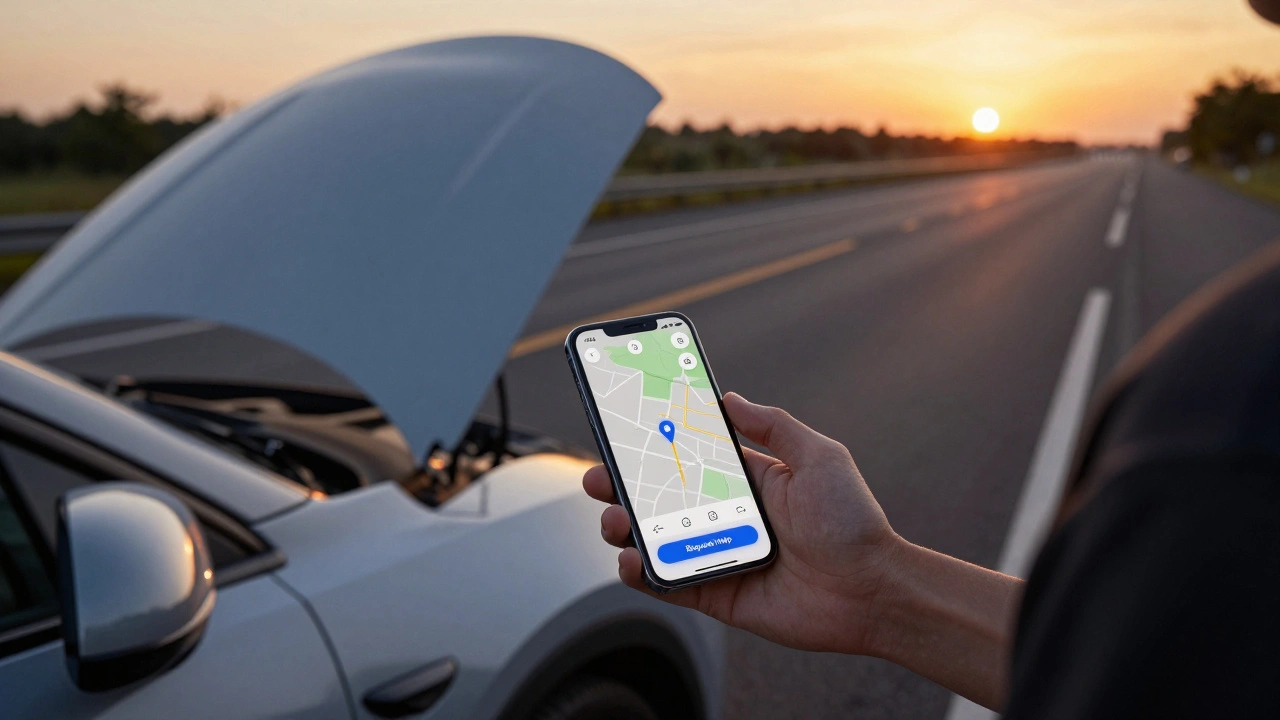
Stuck on the shoulder of a highway with a flat tire or a dead battery? The old way of frantically searching for a local tow truck company on Google and hoping they pick up the phone is mostly gone. Today, roadside assistance app is a digital platform that connects drivers in distress with nearby certified mechanics and towing providers in real-time using GPS technology. These tools turn your smartphone into a lifeline, cutting out the middleman and getting a service truck to your exact location without you having to describe nearby landmarks for twenty minutes. Whether you want a monthly membership for peace of mind or just a one-time fix without a subscription, there is a tool for that.
How These Apps Actually Work
The magic behind a Mobile Car Service Booking system is primarily based on location-based services. When you open the app and request help, the software pings your Global Positioning System (GPS) coordinates. This allows the platform to see exactly where you are and identify the closest available service provider.
Most of these apps follow a similar user flow: you select the type of problem (fuel, tire, tow, or battery), the app calculates the price or checks your membership, and it dispatches a professional. Many modern platforms now include real-time tracking, so you can watch the tow truck move toward you on the map, similar to how you track a food delivery order. This removes the anxiety of wondering if help is actually coming.
Membership vs. Pay-Per-Use Models
Depending on how often you travel or how reliable your car is, you'll likely fall into one of two camps: the "peace of mind" subscriber or the "only when it breaks" user. Choosing the wrong model can either cost you too much in monthly fees or leave you with a massive bill during an emergency.
AAA is the gold standard for membership. With around 50 million members, they offer tiered coverage (Classic, Plus, and Premier). If you drive long distances frequently, a membership often makes sense because the cost of a long-distance tow can easily exceed the annual fee. However, for those who rarely have car trouble, paying a yearly subscription for a service you might never use feels like a waste.
On the flip side, apps like Urgent.ly and HONK operate on a pay-per-service model. There are no membership fees; you simply pay for the specific help you need. This is ideal for drivers with newer, reliable cars who just want a safety net without a recurring bill. It's a purely transactional relationship-you only pay when you're actually stranded.
| App / Service | Pricing Model | Key Strength | Best For... |
|---|---|---|---|
| AAA | Membership (Annual) | Huge network & tiered coverage | Long-distance travelers |
| HONK | Pay-per-use | No membership required | Occasional users |
| GEICO | Insurance-integrated | 2-minute request speed | Existing policyholders |
| CruZen | Upfront Pricing | Includes scheduled maintenance | Urban drivers (e.g., Philadelphia) |
| Ontu | Flexible/Budget | Fast, modern interface | Tech-savvy, budget-conscious drivers |
Core Services You Can Book via App
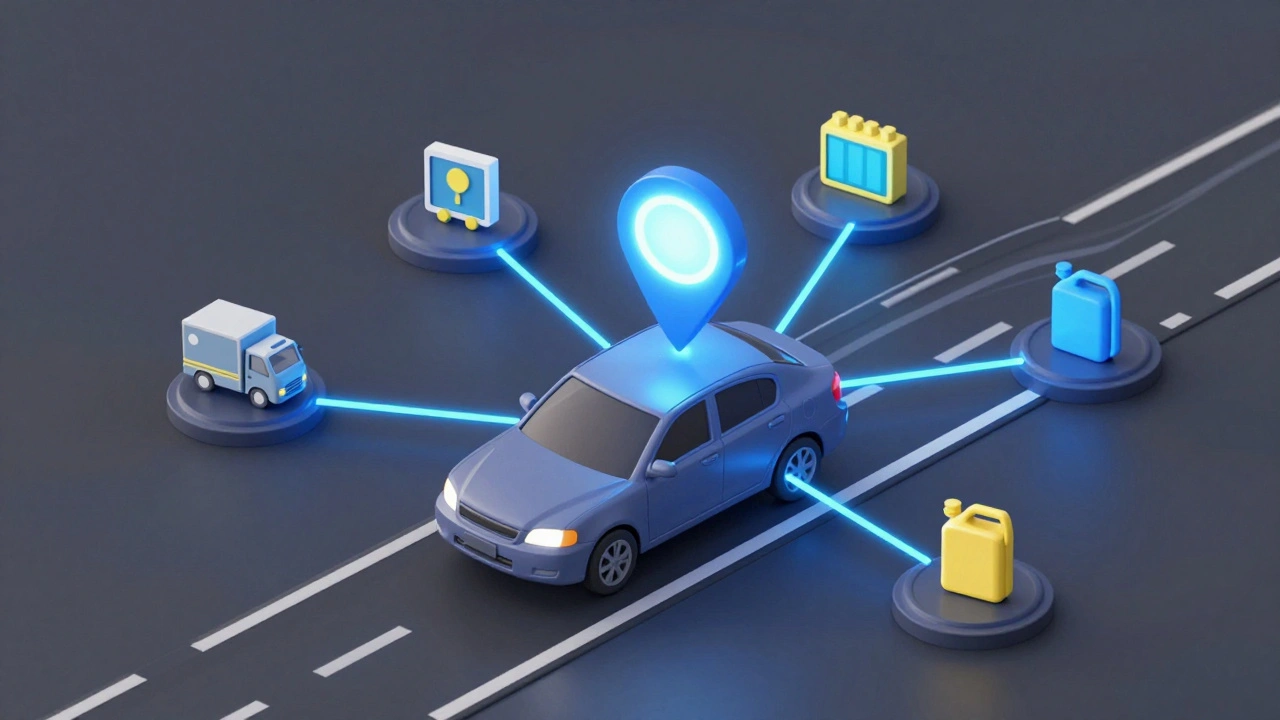
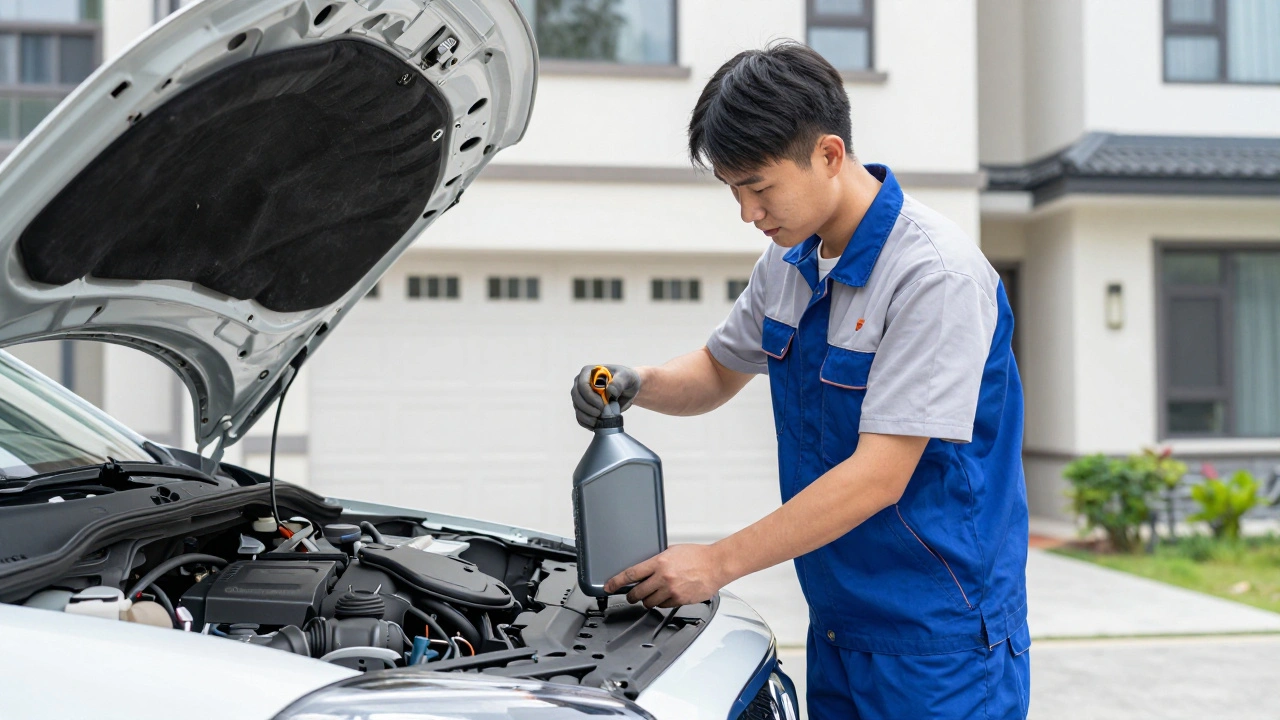
It's not just about towing. Modern apps have expanded into a full suite of mobile automotive care. If you're using a platform like CruZen, you can actually book scheduled services that aren't emergencies, such as oil changes or interior detailing, directly to your home or office.
For emergency situations, the most common requests include:
- Battery Jumpstarts: When your battery dies in a parking lot, a mobile technician comes with a professional-grade jump starter.
- Flat Tire Change: Instead of struggling with a rusty jack, a pro swaps your tire for the spare.
- Fuel Delivery: If you run out of gas, the app sends a small amount of fuel to get you to the nearest station.
- Lockout Services: Professional locksmiths can get you back into your car without damaging the door frame.
- Towing: From light-duty cars to heavy-duty trucks, the app matches you with the right vehicle for the job.
What to Look for Before Downloading
Not all apps are created equal. Some are national giants, while others are hyper-local. Before you find yourself in a pinch, check these three factors:
1. Geographic Coverage: A great app in Philadelphia might be useless in rural Oregon. For example, HONK has a massive US presence with over 55,000 providers, while other services might be region-specific. Ensure the app you choose has a strong density of providers in the areas you actually drive.
2. Pricing Transparency: There is nothing worse than a "estimated' price' that doubles once the tow truck arrives. Look for apps that provide guaranteed pricing or a clear quote before you hit confirm. Platforms like HONK and CruZen emphasize this upfront visibility to avoid "sticker shock."
3. Response Time Guarantees: In a dangerous spot on the highway, every minute counts. GEICO, for instance, highlights the ability to request help in as little as 2 minutes. Check if the app provides a real-time ETA so you aren't sitting in the dark wondering where your help is.
Pitfalls and Pro Tips for Using Roadside Apps
Even with a great app, things can go wrong. One common mistake is relying solely on the app in areas with zero cell service. If you're driving through remote mountains, an app is useless. Always keep a physical list of a few local towing companies or a membership card with a phone number.
Another tip: Check your insurance policy first. Many people pay for a separate roadside app when they already have it bundled into their car insurance through providers like GEICO. Using the integrated app is often faster and completely free since it's already paid for in your premium.
Finally, be specific about your vehicle type. A small flatbed truck is great for a sedan, but if you're driving a lifted 4x4 or a heavy commercial van, you need a specific type of tow truck. If the app doesn't ask for your vehicle's make and model, mention it in the notes to avoid the wrong truck showing up and having to leave to find a larger one.
Do I need a membership for most roadside assistance apps?
No, you don't. While legacy services like AAA rely on memberships, newer apps like HONK and Urgent.ly use a pay-per-service model. This means you can download the app and only pay when you actually need a tow or a jumpstart, without any monthly or annual fees.
How do these apps find my exact location?
They use your smartphone's built-in GPS. When you request service, the app transmits your precise coordinates to the provider. This is much more accurate than trying to describe your location over the phone, especially on highways or in unfamiliar cities.
Are the mechanics through these apps certified?
Most reputable platforms, such as CruZen and AAA, partner with certified professionals and vetted towing companies. However, it's always a good idea to check the app's rating system or the specific provider's credentials when they arrive.
Can I use these apps for non-emergency services?
Yes, some apps have expanded into mobile maintenance. CruZen, for example, allows you to book scheduled services like oil changes and car detailing at your preferred time and location, moving beyond just emergency help.
What happens if I have no signal when I need the app?
If you have no data or cell service, the app won't work. In these cases, your best bet is to use a satellite messenger if you have one, find a landline, or use a physical membership card's emergency number if your phone can still make basic voice calls.
Next Steps for Every Driver
If you're a city driver who rarely leaves the metro area, a pay-per-use app like Ontu or HONK is your best bet. Just download it and keep it in a folder on your home screen. You don't need to set up a subscription; just be ready to enter your payment info when the time comes.
If you're a road-tripper or drive an older vehicle that's prone to issues, go for a tiered membership with AAA. The cost of a single long-distance tow can be hundreds of dollars, and a membership usually covers a significant portion of that, making it a smarter financial move in the long run.
Regardless of your choice, take five minutes today to check your current car insurance app. You might already have a "Request Help" button waiting for you, meaning you're already covered without spending another dime.