You just swapped out your old battery for a shiny new one in your BMW. You turned the key, the engine roared to life, and you felt great. But here is the catch: if you didn’t tell the car’s computer about this change, you might be driving around with a ticking time bomb under the hood. This isn’t just about keeping things tidy; it’s about how modern vehicles manage power. For BMW owners specifically, skipping battery registration and coding can lead to premature battery failure, electrical glitches, and even check engine lights that make no sense.
The Smart Power Management System
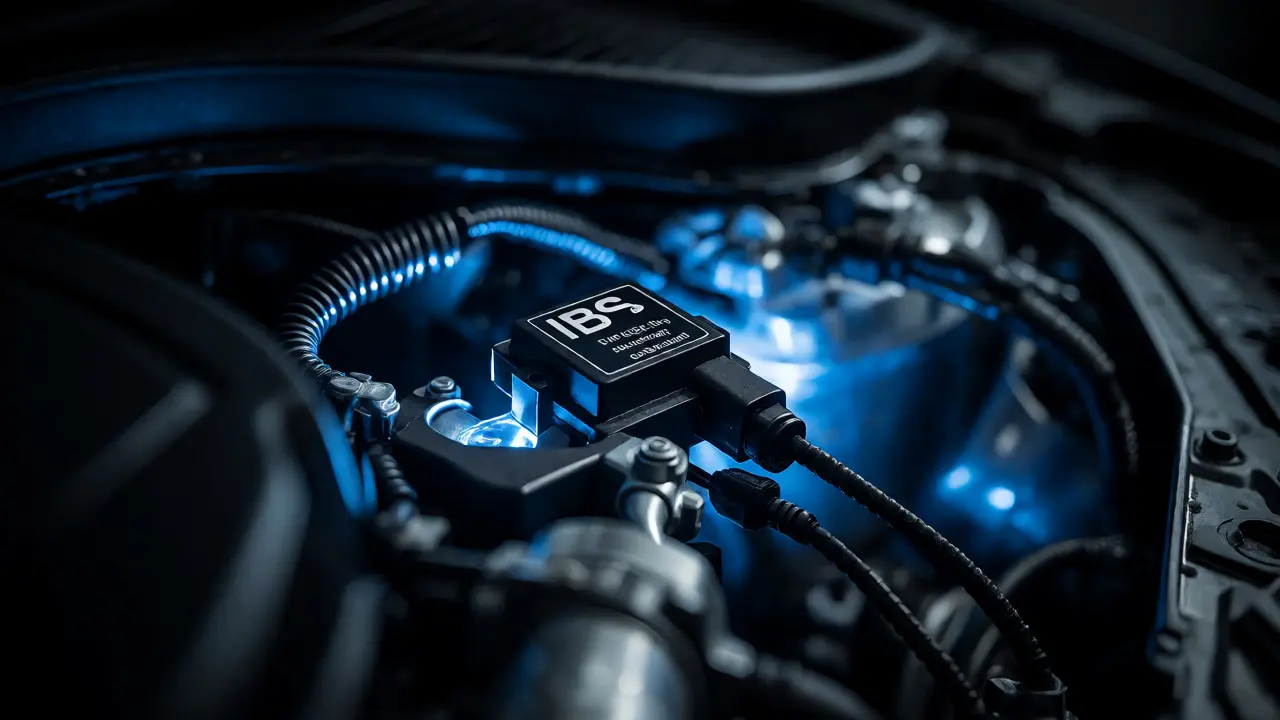
Why does your car care so much about which battery is installed? It comes down to the Intelligent Battery Sensor (IBS). Located on the negative terminal of most modern cars, especially those from German manufacturers like BMW, Mercedes, and Audi, this small device monitors voltage, current, and temperature. The car’s DME (Digital Motor Electronics) uses this data to adjust the charging strategy dynamically.
Think of it like a fitness tracker for your battery. When a battery is new, it accepts charge quickly and holds a high voltage. As it ages, its internal resistance increases, and it loses capacity. The DME learns these characteristics over time. If you replace an old, tired battery with a fresh one but don’t reset the system, the DME still thinks it’s dealing with the old battery. It will limit the charging voltage to protect the "old" battery from overcharging. In reality, the new battery needs a higher voltage to reach full capacity. The result? Your new battery never gets fully charged, sulfates up, and dies prematurely-often within months instead of years.
What Is Battery Registration?
Battery registration is the process of telling the vehicle’s onboard computer that a new battery has been installed. This action resets the learning values stored in the DME. It clears the history of the old battery’s performance metrics and starts the monitoring cycle from scratch for the new unit.
Without this step, the alternator continues to charge at a lower rate suitable for an aged battery. You might notice symptoms like dimming headlights at idle, sluggish start-stop functionality, or random electrical warnings. These aren’t necessarily signs of a bad alternator or wiring issue; they are often just the car trying to protect a battery it doesn’t know exists.
Battery Coding vs. Registration
While people often use these terms interchangeably, there is a distinct difference between battery registration and battery coding.
- Registration: This tells the car, "I have replaced the battery." It resets the age and health counters. It applies whether you put in a battery of the same type or a different one.
- Coding: This tells the car, "This is the specific type and capacity of the battery." If you swap a standard AGM (Absorbent Glass Mat) battery for a flooded lead-acid one, or if you change the amp-hour (Ah) rating significantly, you must code the new parameters. The DME needs to know the chemistry and size to optimize the charging curve correctly.
If you install a battery with a different Ah rating than what was originally coded, failing to update the coding means the alternator might overcharge or undercharge based on incorrect assumptions. For example, a 90Ah battery requires a different charging profile than a 70Ah battery. Ignoring this can stress the electrical components or leave the battery underpowered.

When Do You Need to Register or Code?
Not every battery swap requires both steps, but knowing when to do what saves you headaches later.
| Scenario | Action Required | Reason |
|---|---|---|
| Replacing with identical battery (same brand, model, Ah, CCA) | Registration Only | Resets age/health stats; coding remains valid. |
| Replacing with different capacity (e.g., 70Ah to 80Ah) | Registration AND Coding | Updates capacity limits for proper charging voltage. |
| Changing battery type (e.g., Lead-Acid to AGM) | Registration AND Coding | AGM requires higher voltage acceptance; DME must adapt. |
| Disconnecting battery for short period (<15 mins) | None typically required | Learning values usually persist through minor disconnects. |
In the Portland area, where we deal with damp winters and mild summers, battery strain can be subtle. A properly registered battery ensures that the stop-start system-which puts extra load on the battery during traffic jams on Burnside Bridge-functions efficiently without draining the reserve capacity too quickly.
How to Perform the Procedure
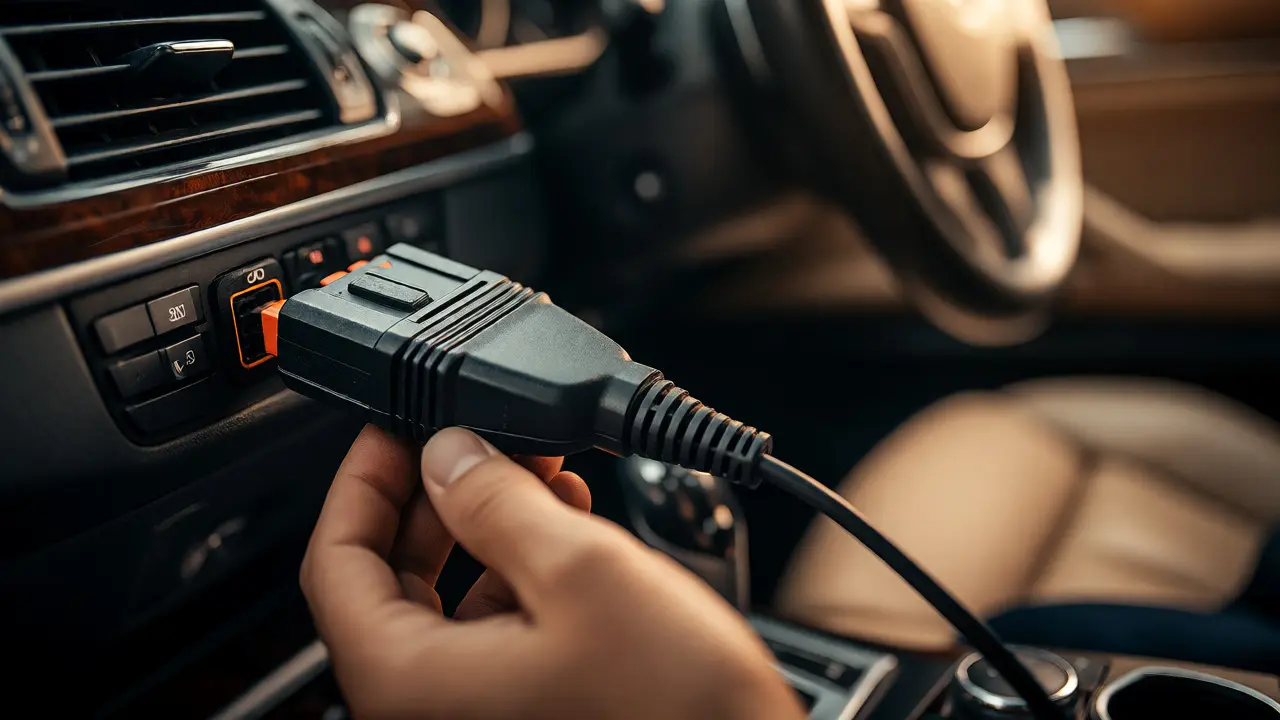
You cannot simply pull a fuse or disconnect the terminals to reset this system. The memory is non-volatile and resides in the ECU. You need specialized diagnostic software. Here is how the process generally works using tools like ISTA+ (for BMW), Autel, Launch, or Snap-on scanners.
- Connect the Scanner: Plug your OBDII interface into the port, usually located under the dashboard near the driver’s knee.
- Navigate to Powertrain: Select the Engine Control Module (DME/DDE).
- Select Battery Management: Look for options labeled "Battery Replacement," "Register New Battery," or "Service Functions."
- Input Data: Enter the new battery’s Ah rating and type (AGM, Gel, or Standard). Some systems ask for the manufacturer part number.
- Confirm and Reset: Execute the command. The tool will communicate with the DME to wipe the old learning values.
- Verify: Check the live data stream. Look for "Battery Age" or "Battery Health" counters. They should reset to 0 days/months or 100% health.
If you don’t have a scanner capable of this, many independent shops offer this service for a minimal fee, often included if they perform the installation. DIY enthusiasts can buy Bluetooth adapters compatible with apps like BimmerCode, which simplifies the process significantly for BMW owners.
Risks of Skipping the Step
Ignoring this procedure doesn’t always result in immediate catastrophe, but the long-term effects are costly. First, you waste money on batteries. If a new battery only lasts 18 months because it was chronically undercharged, you’ve spent double what you needed to.
Second, you risk damaging other components. An alternator working harder to compensate for poor battery reception can overheat. Voltage fluctuations can corrupt data in infotainment systems or cause airbag light errors. In severe cases, the car may enter a "limp mode" or disable comfort features like heated seats and sunroofs to preserve power for the engine.
Consider the cost of a $200 premium AGM battery versus the potential repair bill for an alternator or a module reflash. The few minutes it takes to register the battery are negligible compared to the peace of mind and financial savings.
Common Misconceptions
Many drivers believe that because their car starts fine, everything is okay. Starting ability is not the same as charging efficiency. A battery can crank the engine but fail to hold a surface charge necessary for electronics when the engine is off.
Another myth is that all cars require this. While older vehicles with simple voltage regulators did not, any car manufactured after roughly 2005 with smart charging capabilities benefits from registration. European brands were early adopters, but Japanese and American manufacturers have followed suit. Always check your owner’s manual or consult a specialist if you are unsure about your specific model year.
Final Thoughts on Maintenance
Treat your battery like a critical component, not just a consumable. When you replace it, take the extra five minutes to register it. It’s a digital handshake between the hardware and the software that keeps your car running smoothly. Whether you drive a 3 Series or an X5, respecting the intelligence of the vehicle’s power management system pays dividends in reliability and longevity.
Can I drive my car without registering the new battery?
Yes, you can drive it. The car will start and run. However, the charging system will likely operate inefficiently, potentially leading to reduced battery life and minor electrical anomalies until the correction is made.
Do I need to code the battery if I use the exact same model?
If the new battery is identical in capacity (Ah), cold cranking amps (CCA), and chemistry to the old one, you only need to register it. Coding is only necessary if the specifications differ from what is currently stored in the DME.
What happens if I forget to register the battery?
The DME continues to apply the charging profile of the old battery. This usually results in undercharging, which causes sulfation and reduces the lifespan of the new battery. You may also experience issues with the stop-start system or dimming lights.
Is battery registration covered under warranty?
Generally, labor for battery registration is considered a maintenance task and is not covered by the basic vehicle warranty unless it is part of a larger diagnostic repair. However, if a dealer installs a new battery, they are expected to perform the registration as part of the service.
Can I use a generic OBDII scanner to register a BMW battery?
Most cheap, generic code readers cannot perform battery registration. You need a scanner with bi-directional control capabilities or specific software like BimmerCode, ISTA+, or professional-grade tools from Autel or Launch that support BMW-specific service functions.