Most drivers assume that a fresh coat of paint or a wax job is enough to keep their vehicle looking good. But the real enemy isn't surface dirt; it's moisture trapped in places you can't see. When water gets into body seams or pools on the undercarriage, corrosion starts silently. By the time you hear a rattle or see a bubble in the paint, the metal has already been compromised. This is where body seam sealing and undercoating come in as critical defense layers.
These two processes are often confused, but they serve distinct purposes. One protects the joints where panels meet, while the other shields the entire underside from road debris and salt. Understanding how they work together is the key to extending your car's lifespan by years, not just months.
Understanding Body Seam Sealing
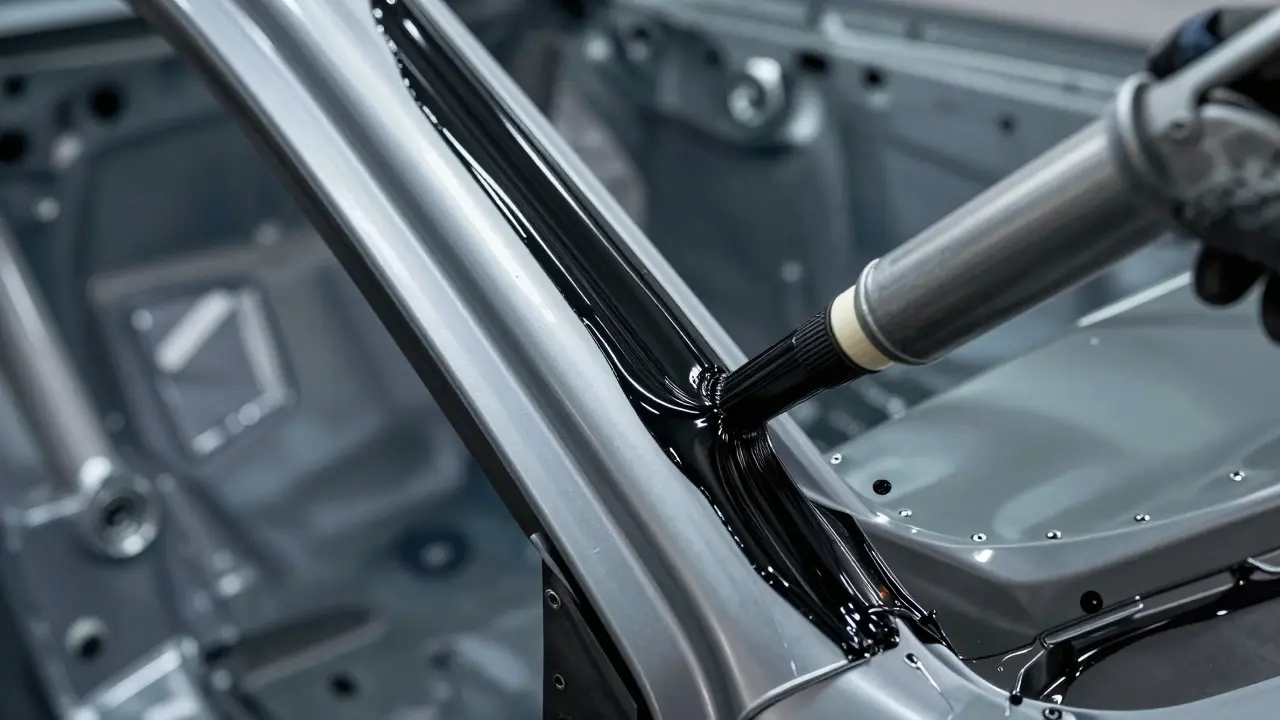
Body Seam Sealing is the process of applying a specialized adhesive sealant to the gaps between metal panels on a vehicle's exterior. Think of it like caulking a bathtub, but with high-performance automotive materials. Every car has dozens of these seams: where the door meets the fender, where the hood connects to the cowl, and along the rocker panels. Factory manufacturers apply a thin layer here, but over time, heat cycles, vibration, and weathering cause this factory seal to crack or peel away.
When that happens, rainwater and snowmelt find their way into the cavities. Once inside, the air becomes stagnant. Rust forms on the inner metal surfaces, which you can't see until the outer panel buckles or leaks. Applying new seam sealer blocks these entry points. It creates a flexible barrier that expands and contracts with the temperature, keeping water out permanently. Unlike rigid paints or adhesives, quality seam sealers remain pliable for decades, ensuring the joint stays watertight even after ten years of driving.
The Role of Undercoating in Chassis Protection
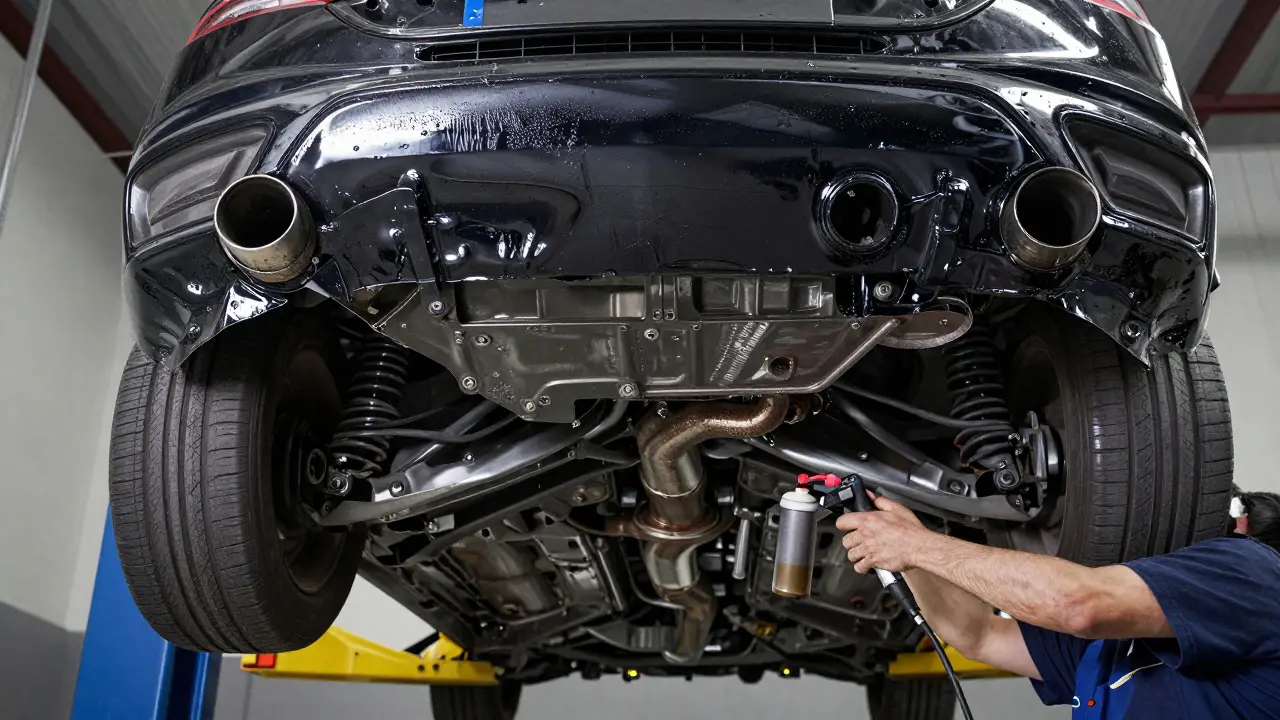
While seam sealing handles the upper body joints, Undercoating is a protective spray or pour applied to the vehicle's undercarriage to shield against corrosion, stones, and noise. The underside of your car takes a beating daily. Gravel chips the paint, road salt accelerates chemical reactions, and mud traps moisture against the frame rails and suspension components.
Modern undercoating systems have evolved significantly from the thick, tar-like substances used in the 1980s. Today, products range from waxy films to rubberized coatings. Each type offers different benefits. A waxy undercoater might focus on sound deadening, reducing road noise by up to 5 decibels. A rubberized system, however, prioritizes flexibility and impact resistance, preventing stone chips from exposing bare metal. Choosing the right type depends on your climate and driving conditions.
Why DIY Often Fails Without Proper Prep
You might be tempted to buy a kit at the auto parts store and handle this yourself. It’s cheaper, sure, but the results are rarely professional. The biggest mistake people make is skipping the preparation phase. If you apply sealer or undercoat over old, peeling material or dirty metal, you’re trapping moisture underneath. That trapped water will eventually find a weak spot and burst through, causing more damage than if you had done nothing at all.
Proper application requires:
- Thorough cleaning with degreaser to remove oil and grime.
- Sanding down any existing rust or flaking paint to bare metal.
- Masking off sensitive areas like exhaust tips, wheel bearings, and brake lines.
- Applying in controlled environments to avoid dust contamination.
Without these steps, the longevity of the protection drops dramatically. A professionally applied system typically lasts 5 to 7 years before needing touch-ups, whereas a rushed DIY job might fail within 18 months due to adhesion failure.
Comparing Sealers and Coatings: What Fits Your Needs?
Not all protection products are created equal. The choice between different types of sealants and undercoats depends heavily on your specific environment and vehicle age. Here is a breakdown of the most common options available in the market today.
| Type | Primary Function | Best For | Lifespan | Application Method |
|---|---|---|---|---|
| Polyurethane Seam Sealer | Waterproofing joints | Newer cars, coastal areas | 10+ years | Gun applicator |
| Rubberized Undercoat | Impact & Corrosion | Highway driving, rocky roads | 5-7 years | Airless spray |
| Wax-Based Coating | Noise reduction | Urban commuters | 3-5 years | Roll-on or Spray |
| Cavity Wax | Internal cavity protection | All vehicles (preventive) | Indefinite | Injection gun |
Notice that cavity wax is listed separately. This is because it goes *inside* the hollow tubes of the car body, such as the door boxes and roof pillars. You don't just wipe the outside; you inject the wax into small access holes drilled by the manufacturer. This prevents internal rust, which is often the first sign of structural weakness in older vehicles.
Climate Factors and Regional Considerations
Your location dictates how aggressively you need to protect your car. If you live in the Midwest or Northeast, where road salt is spread generously from November through March, undercoating is non-negotiable. Salt is a hygroscopic agent, meaning it pulls moisture from the air and holds it against the metal. Without a barrier, that salty water sits on the frame rails for weeks, eating through the zinc coating on steel.
In contrast, if you live in a dry, arid region like Arizona or Nevada, rust might seem less of a concern. However, UV radiation breaks down factory seals much faster in intense sunlight. Heat causes the metal to expand and contract rapidly, cracking the original factory sealer. In these regions, focusing on high-quality polyurethane seam sealers is more important than heavy-duty undercoating, though a light protective film still helps prevent stone damage from desert highways.
Coastal areas present a unique challenge. Humidity combined with salt-laden air creates a constant corrosive atmosphere. Here, both seam sealing and undercoating are essential, and you should consider using marine-grade products that offer superior resistance to chloride ions.
Maintenance Schedule: When to Reapply
Protection isn't a one-time fix. Even the best products degrade over time. How often should you check your car? As a rule of thumb, inspect your undercarriage every six months. Look for signs of peeling, cracking, or exposed metal. If you drive in harsh conditions, shorten this to every three months.
For seam sealers, visual inspection is harder since the seams are often hidden. However, if you notice water pooling in the door pockets after rain, or if you see rust spots appearing near the edges of panels, it’s time to reseal. A full reapplication cycle is generally recommended every 5 to 7 years for undercoating and every 10 years for seam sealing, depending on the product quality and local climate.
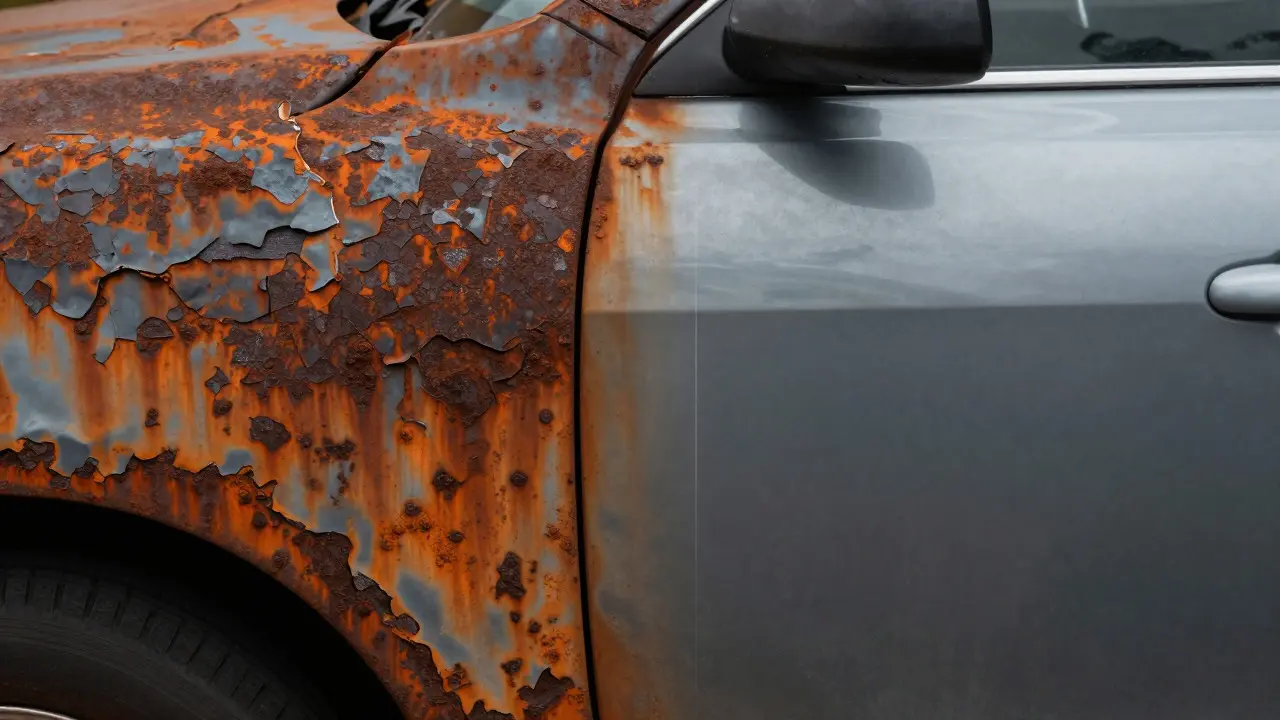
Don’t wait for visible rust. By the time you see it, the corrosion has likely penetrated several millimeters into the metal. Preventive maintenance costs a fraction of what structural repair or replacement would cost later.
Frequently Asked Questions
Does undercoating make the car heavier?
Yes, but minimally. A full application of modern rubberized undercoat adds roughly 10 to 15 pounds to the total vehicle weight. This is negligible compared to the fuel economy impact of aerodynamics or tire pressure, and far outweighed by the value of preserved structural integrity.
Can I apply undercoating to a car that already has rust?
Only if the rust is surface-level. You must sand down active rust to bare metal and apply a rust converter primer first. If the rust is pitted deeply or has weakened the metal structure, undercoating will trap moisture and accelerate failure. Repair the metal first, then protect it.
What is the difference between seam sealer and gasket tape?
Seam sealer is a liquid or paste applied to painted or bare metal joints to create a waterproof bond. Gasket tape is usually a pre-formed strip used in engine bays or transmission areas for specific mechanical seals. They are not interchangeable; seam sealer is designed for body panels, while gaskets handle high-heat mechanical interfaces.
How long does it take for undercoating to dry?
Most solvent-based undercoats dry to the touch in 24 hours but require 48 to 72 hours to fully cure. During this time, avoid washing the car or driving in heavy rain. Water-based formulations may dry faster, in about 12 hours, but check the manufacturer's specifications for your specific product.
Is seam sealing worth it for a car that is already 10 years old?
Absolutely. Older cars are actually better candidates for seam sealing because the factory seal has likely failed completely. Resealing now prevents further water intrusion into cavities that may still be intact. It’s one of the most cost-effective ways to add resale value to an aging vehicle.