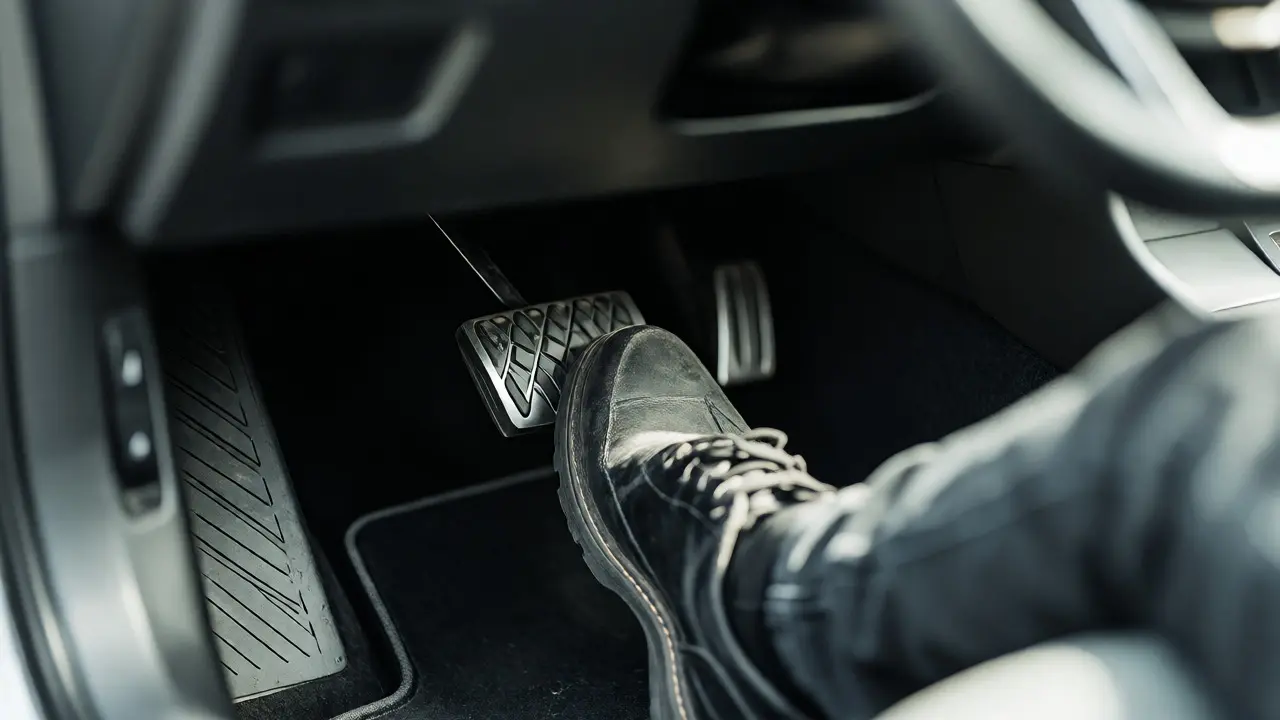
You press the brake pedal to stop at a red light, but instead of sinking smoothly toward the floorboard, it feels like you're trying to push through concrete. It’s scary, isn’t it? That sudden loss of assistance turns a routine stop into a workout for your right leg. If you’re driving in Portland’s hilly terrain or navigating heavy traffic on I-5, a hard brake pedal isn't just an annoyance-it's a safety hazard.
Most drivers assume their brakes are failing entirely when this happens. But here’s the truth: your actual brake pads and rotors might be perfectly fine. The culprit is often the brake booster, a component that uses engine vacuum to multiply the force you apply to the pedal. When it fails, you lose that mechanical advantage, leaving you to do all the stopping work yourself.
What Exactly Is a Brake Booster?
To understand why the pedal gets hard, you need to know what the booster does. Think of it as a power steering system, but for your feet. Without it, pressing the brake pedal requires enough physical strength to clamp calipers onto rotors with massive force-something most humans can’t sustain comfortably, especially during emergency stops.
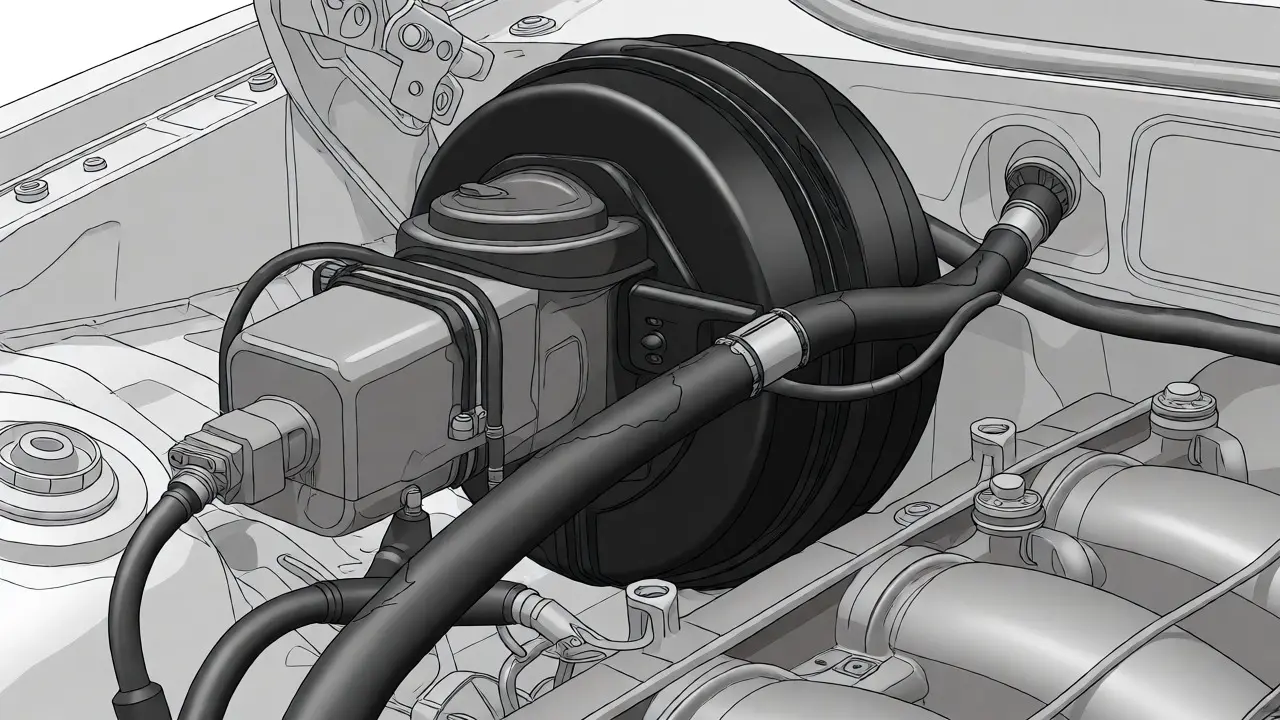
The brake booster is typically a large, round black canister mounted behind the master cylinder. It sits between the firewall of your car and the engine bay. Its job is simple: use the vacuum created by your engine (or a separate pump in some modern cars) to pull a diaphragm inside the booster. This pull amplifies the pressure from your foot before it even reaches the hydraulic fluid.
| Scenario | Pedal Feel | Stopping Distance Impact | Driver Effort |
|---|---|---|---|
| Healthy System | Firm but responsive; sinks slightly under moderate pressure | Standard manufacturer specs met | Low (Assisted) |
| Failed Booster | Extremely stiff; barely moves even with full weight | Significantly increased (dangerous) | High (Manual effort only) |
| Leaking Vacuum Line | Gets harder after idling or repeated pumping | Gradual increase in distance | Moderate to High |
The #1 Cause: Vacuum Leaks
Before you blame the booster itself, check the plumbing. Most brake boosters rely on engine vacuum. A rubber hose runs from your intake manifold to the booster. Over time, heat cycles make this rubber brittle. Cracks develop, letting air sneak in where it shouldn’t.
Here’s a quick test you can do in your driveway. Start the engine and let it idle for about a minute. Turn it off. Now, pump the brake pedal three times firmly. Hold the pedal down with steady pressure and restart the engine. If the pedal drops slightly when the engine starts, your booster is working. If it stays rock hard, you’ve lost vacuum supply or the booster has failed internally.
A common mistake people make is ignoring small hissing sounds. If you hear a whistle near the firewall while braking, that’s air rushing into the booster through a cracked seal or hose. In older vehicles, especially those parked outside in Oregon’s damp climate, these hoses degrade faster than you’d expect.
When the Master Cylinder Is the Real Villain
Sometimes, a hard pedal isn’t about lack of assist-it’s about too much resistance downstream. The master cylinder converts mechanical force into hydraulic pressure. If its internal seals swell due to contaminated brake fluid or moisture absorption, it can create back-pressure that makes the pedal feel stiff.
How do you tell the difference? Look at your brake fluid reservoir. If the fluid looks dark brown or cloudy, it’s likely absorbed water. Water causes corrosion inside the master cylinder bore. As pistons move against corroded surfaces, they bind up. This binding mimics a hard pedal because your foot has to fight both the spring tension and the friction of stuck pistons.
Another clue involves the brake lights. If your pedal is hard but the car doesn’t stop well, and you notice the brake lights stay dim or don’t activate until you stand on the pedal, the issue is usually hydraulic blockage or master cylinder failure rather than just a vacuum problem.
Modern Cars and Electric Boosters
If you drive a hybrid, electric vehicle, or a turbocharged car from the last decade, your setup might look different. These vehicles often lack sufficient natural engine vacuum. Instead, they use an electric vacuum pump or a fully electronic electro-hydraulic booster.
In these systems, a hard pedal often points to an electrical fault. Maybe the pump motor burned out, or a sensor failed to signal the computer to engage the assist. You might also see a warning light on your dashboard-often labeled "ABS" or "Brake System." Don’t ignore these codes. Unlike traditional vacuums, electronic boosters fail abruptly. One day it works fine; the next, it’s gone.
Tesla owners, for instance, have reported issues with the iBooster unit, which uses an electric motor to push the master cylinder piston directly. If the software glitches or the motor stalls, the pedal becomes unyielding. Diagnosis here requires a scan tool that can read specific brake module data, not just generic OBD-II codes.
Diagnosing the Problem Step-by-Step
You don’t need a mechanic’s license to narrow this down. Follow this logical path to save money on unnecessary repairs:
- Check the Hoses: Inspect the vacuum line going to the booster. Squeeze it. Does it crackle? Are there visible holes? Replace it if it looks dry-rotted. It’s cheap and easy.
- The Idle Test: With the engine running, press the brake pedal. It should feel normal. Shut the engine off. Wait two minutes. Press the pedal again. It should still have some residual assist. If it’s instantly hard, the one-way valve in the hose might be leaking backward, draining vacuum too fast.
- Listen for Hisses: Have a friend sit in the driver’s seat and hold the brake pedal down. Open the hood and listen near the booster. A loud sucking sound means the internal diaphragm is torn. The booster needs replacement.
- Inspect Fluid Level: Low brake fluid can introduce air into the system, making the pedal spongy initially, then hard if the master cylinder runs dry. Top it off and bleed the brakes if necessary.

Costs and Repairs: What to Expect
Replacing a brake booster isn’t a five-minute job. It usually requires removing the master cylinder and sometimes disconnecting steering components or firewall brackets. Labor costs vary, but in the Pacific Northwest, expect to pay between $400 and $800 total for parts and labor on a standard sedan.
Parts alone range from $150 for aftermarket units to over $300 for OEM replacements. If you’re handy, DIY is possible, but be warned: mounting nuts are often rusted shut. Breaking them can turn a simple job into a nightmare. Use penetrating oil days in advance if you plan to tackle this yourself.
Is it safe to drive with a hard pedal? Technically, yes, the brakes still work. But your stopping distance increases significantly. In a panic stop, you might not generate enough force to lock the wheels or achieve maximum deceleration. For daily commuting, it’s risky. For highway driving, it’s dangerous. Fix it soon.
Preventing Future Failures
You can’t prevent wear forever, but you can slow it down. Keep your engine tuned. A poorly running engine produces less consistent vacuum, straining the booster. Check your vacuum hoses during every oil change. They’re cheap to replace and prevent bigger headaches later.
Also, watch your brake fluid. Change it every two years or 30,000 miles. Fresh fluid protects the master cylinder seals and keeps the hydraulic system clean. Dirty fluid eats away at internal components, leading to binding and stiffness that feels exactly like a bad booster.
Can I drive my car with a hard brake pedal?
Yes, but cautiously. The brakes will still function, but you’ll need to press much harder to stop. Stopping distances will increase, so leave extra space between you and the car ahead. Avoid high-speed highways if possible until repaired.
Why does my brake pedal get hard after sitting overnight?
This usually indicates a leak in the vacuum system. While driving, the engine maintains vacuum. Once parked, air leaks into the booster through a faulty check valve or cracked hose, causing the stored vacuum to dissipate. By morning, the booster is empty, resulting in a hard initial press.
Does a hard brake pedal mean I need new brake pads?
Not necessarily. Worn brake pads typically cause squealing or grinding noises, not a hard pedal. A hard pedal is almost always related to the booster, vacuum supply, or master cylinder. However, severe pad wear combined with a hard pedal could indicate caliper seizure, which is a separate hydraulic issue.
How much does it cost to fix a brake booster?
In the US, average costs range from $400 to $900 depending on the vehicle model and labor rates. Parts alone cost $150-$350. Luxury or European cars may cost more due to complex installation requirements involving multiple bolts or integrated ABS modules.
Can a vacuum leak affect other car systems?
Yes. Since the booster shares the engine’s vacuum source, a major leak can cause rough idling, stalling, or poor acceleration. If you notice your engine struggling to maintain RPMs alongside a hard brake pedal, the leak is likely significant and affecting overall engine performance.