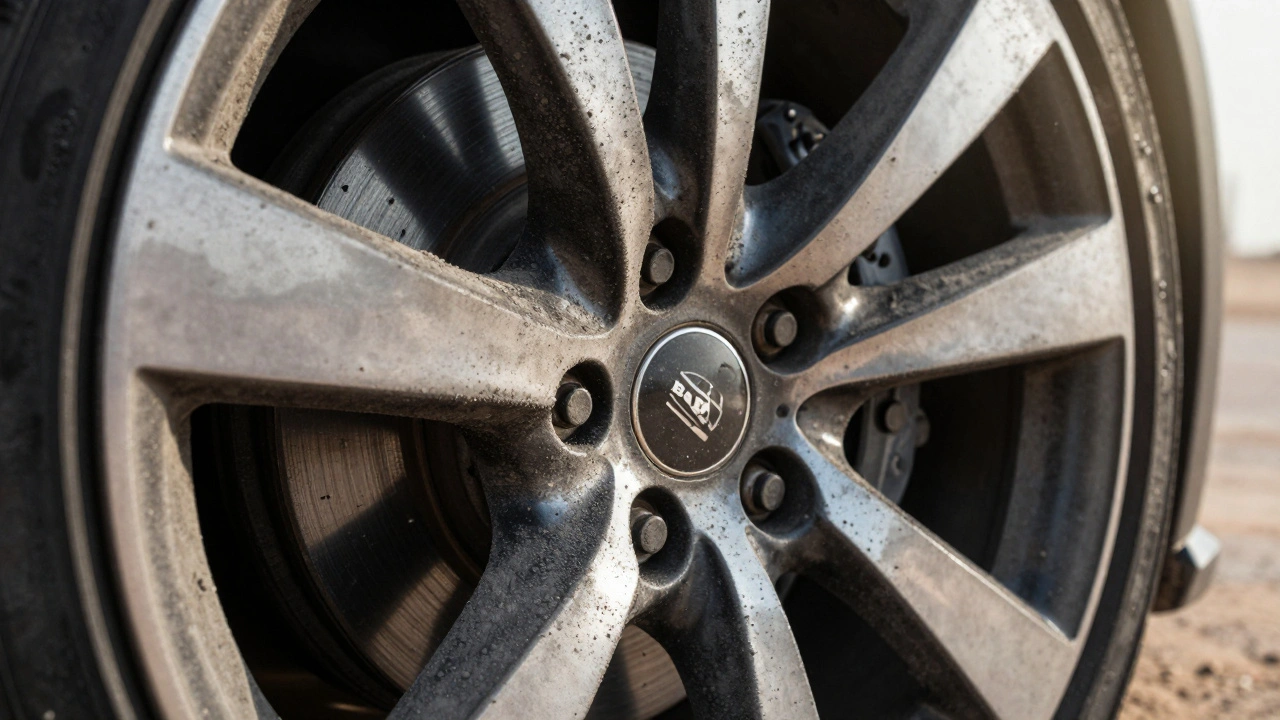
There is nothing quite as frustrating as washing your car, admiring the shiny rims, and then taking it out for a drive only to return home to find them coated in black grime again. You didn't hit a mud puddle. You didn't drive through oil. That dark, stubborn powder on your wheels is brake dust, and unless you understand what it is and how to manage it, you will be fighting a losing battle against it every single week.
Brake dust is not dirt in the traditional sense. It is fine metal particles generated by friction when your brake pads clamp down on the rotors to stop the vehicle. Because modern cars use disc brakes, this debris flies outward with centrifugal force, sticking magnetically to your alloy wheels. The good news? You can drastically reduce how much of it accumulates and make what does stick come off with minimal effort. The bad news? If you rely on generic all-purpose cleaners or stiff wire brushes, you might be permanently damaging your expensive wheels.
Why Brake Dust Is Different From Regular Dirt
To fix the problem, you first need to understand the enemy. When you press the brake pedal, friction generates heat and wears down microscopic layers of material from both the pad and the rotor. This creates a fine, dark gray or black powder. Unlike road salt or bird droppings, which are organic or chemical contaminants, brake dust contains iron and metallic compounds.
This composition matters because iron is magnetic. It doesn't just sit on top of your wheel; it bonds to the metal surface. Over time, if left untreated, these iron particles can oxidize (rust) into the clear coat of your wheels, causing etching that no amount of scrubbing can remove. This is why simply hosing down your car isn't enough. You need specific chemistry to break the bond between the iron particles and your wheel finish without stripping away the protective clear coat.
The Step-by-Step Guide to Removing Existing Brake Dust
If your wheels are already caked in grime, here is the safest, most effective way to clean them. This process protects your wheel finish while ensuring every crevice gets clean.
- Wait until the wheels are cool. Never spray chemicals on hot wheels. If you have been driving, wait at least an hour. Cleaning hot wheels causes the cleaner to evaporate instantly, leaving behind stains or etching the finish. Touch the rim; if it’s warm to the touch, wait longer.
- Pre-rinse thoroughly. Use a hose or pressure washer to blast off loose dirt and grit. Start from the top of the wheel and work your way down. This step is crucial because if you start scrubbing before rinsing, you will grind that loose sand into the wheel face, creating swirl marks and scratches.
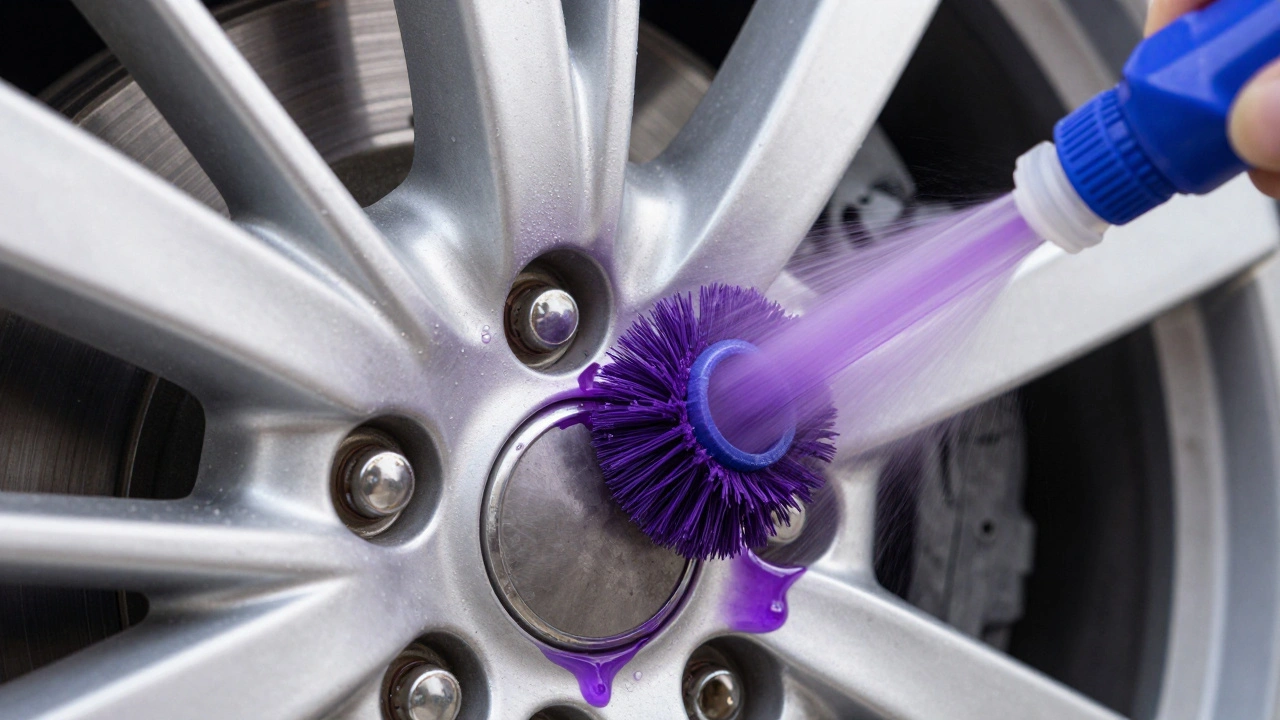
- Apply a dedicated wheel cleaner. Spray a pH-balanced wheel cleaner designed to remove brake dust. Look for products labeled "iron remover" or "brake dust cleaner." Avoid harsh acidic cleaners unless specified for severe cases, as they can damage certain alloys. Let the product dwell for 1 to 2 minutes. You might see it turn purple or red-this is the chemical reacting with the iron particles. Do not let it dry on the wheel.
- Agitate with soft brushes. Use a soft-bristle wheel brush for the face of the rim and smaller detailing brushes for the lug nut holes and inner barrel where dust hides. Let the bristles do the work; don't press hard. Metal brushes or steel wool are strictly forbidden-they will scratch the clear coat immediately.
- Rinse completely. Flush the wheel with fresh water, again starting from the top and working down, to ensure all loosened debris and chemical residue are gone.
- Dry with microfiber towels. Pat the wheel dry with a clean microfiber towel. This prevents water spots and lets you inspect your work. If you see remaining dust, repeat the process rather than scrubbing harder.
Prevention Strategy 1: Switching to Ceramic Brake Pads
The most effective way to reduce brake dust is to change the source of the problem: the brake pads themselves. Most factory-installed vehicles come with semi-metallic or organic brake pads. These materials contain high amounts of copper and iron, which shed heavily during braking, creating that thick black sludge.
Ceramic brake pads offer a different solution. They are made from ceramic fibers mixed with other fillers and bonded with copper. Because they lack the heavy iron content found in semi-metallic pads, they produce significantly less visible dust. The dust that does form is lighter in color (often light gray or tan) and is less likely to stick aggressively to your wheels.
While ceramic pads cost more upfront than standard organic pads, they also tend to last longer and are quieter. For daily drivers who prioritize appearance and low maintenance, upgrading to ceramic pads is arguably the single best investment you can make. Note that performance-oriented drivers who track their cars may prefer semi-metallic pads for better heat dissipation, but for 95% of street driving, ceramic is superior for cleanliness.
Prevention Strategy 2: Wheel Sealants and Coatings
Even with ceramic pads, some dust will still accumulate. This is where surface protection comes in. Think of a wheel sealant or coating as a non-stick pan for your rims. By creating a hydrophobic barrier, you prevent brake dust from bonding directly to the wheel's clear coat.
There are two main tiers of protection:
- Waxes and Sealants: Traditional car waxes or dedicated wheel sealants provide a temporary layer. They are easy to apply after every wash but typically last only a few weeks. Products like Carnauba wax or synthetic polymer sealants work well for short-term defense.
- Ceramic Wheel Coatings: These are liquid glass formulations that chemically bond to the wheel surface. Application requires meticulous preparation (the wheel must be perfectly clean and decontaminated), but once cured, they can repel brake dust for months or even years. The dust sits on top of the coating and washes off easily with just water and a gentle brush.
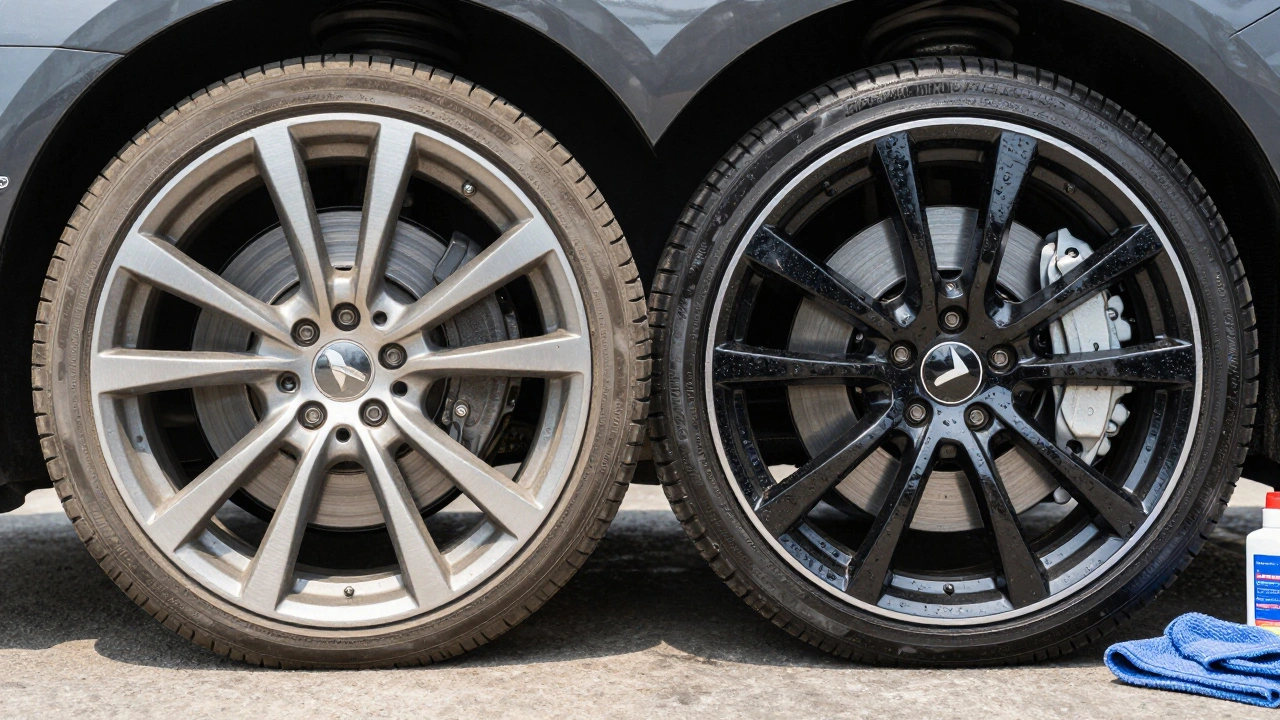
If you hate cleaning wheels, investing in a professional-grade ceramic coating for your rims is worth the extra effort during application. It turns a 30-minute scrubbing session into a 5-minute rinse.
Other Preventive Measures
Beyond pads and coatings, there are mechanical and behavioral adjustments you can make:
- Install Brake Dust Shields: Some aftermarket kits offer physical shields that mount behind the wheel hub. These block dust from flying outward onto the rim face. However, effectiveness varies, and some enthusiasts argue they can trap heat, potentially affecting brake performance. Consult your mechanic before installing these.
- Adjust Your Driving Style: Aggressive braking generates more heat and wears pads faster, producing more dust. Smooth, anticipatory braking reduces wear and keeps dust levels lower. It’s free, safe, and extends the life of your entire braking system.
- Clean Frequently: Don’t let brake dust bake on. Washing your wheels weekly prevents the iron particles from oxidizing into the clear coat. Short, frequent cleans are easier than one massive scrubbing session a month.
Common Mistakes to Avoid
In the quest for shiny wheels, many car owners inadvertently cause permanent damage. Here is what to never do:
- Never use abrasive pads: Scotch-Brite pads, steel wool, or stiff wire brushes will strip the clear coat. Once the clear coat is gone, the bare aluminum or alloy is exposed to the elements, leading to corrosion and a dull, pitted appearance that cannot be polished out.
- Avoid acidic cleaners on painted wheels: While strong acids dissolve brake dust quickly, they can also eat away at paint and clear coats if left too long or used incorrectly. Stick to pH-neutral or specifically formulated wheel cleaners.
- Don't ignore the inner barrel: Dust builds up inside the wheel too. Neglecting this area leads to a buildup that can become difficult to remove later and may affect wheel balance if extreme accumulation occurs.
How often should I clean brake dust off my wheels?
Ideally, you should clean your wheels every time you wash your car, which is typically every one to two weeks. If you live in a salty environment or drive aggressively, weekly cleaning is recommended to prevent iron particles from bonding to the clear coat.
Do ceramic brake pads really produce less dust?
Yes. Ceramic brake pads produce significantly less visible dust compared to semi-metallic or organic pads. The dust they do generate is lighter in color and less sticky, making it much easier to wash off. They are the best hardware upgrade for keeping wheels clean.
Can brake dust damage my wheels?
Yes, over time. Brake dust contains iron, which can oxidize (rust) into the wheel's clear coat. This causes etching and staining that cannot be removed by simple washing. Regular cleaning and protective sealants prevent this permanent damage.
Is it safe to use household cleaners on my wheels?
No. Household cleaners are not formulated for automotive finishes and may be too acidic or alkaline, damaging the clear coat. Always use dedicated wheel cleaners designed to safely remove brake dust without harming alloy or painted surfaces.
How long does a ceramic wheel coating last?
Professional-grade ceramic wheel coatings can last anywhere from six months to several years, depending on the product quality, application technique, and driving conditions. They provide a durable barrier that makes routine cleaning much faster and easier.