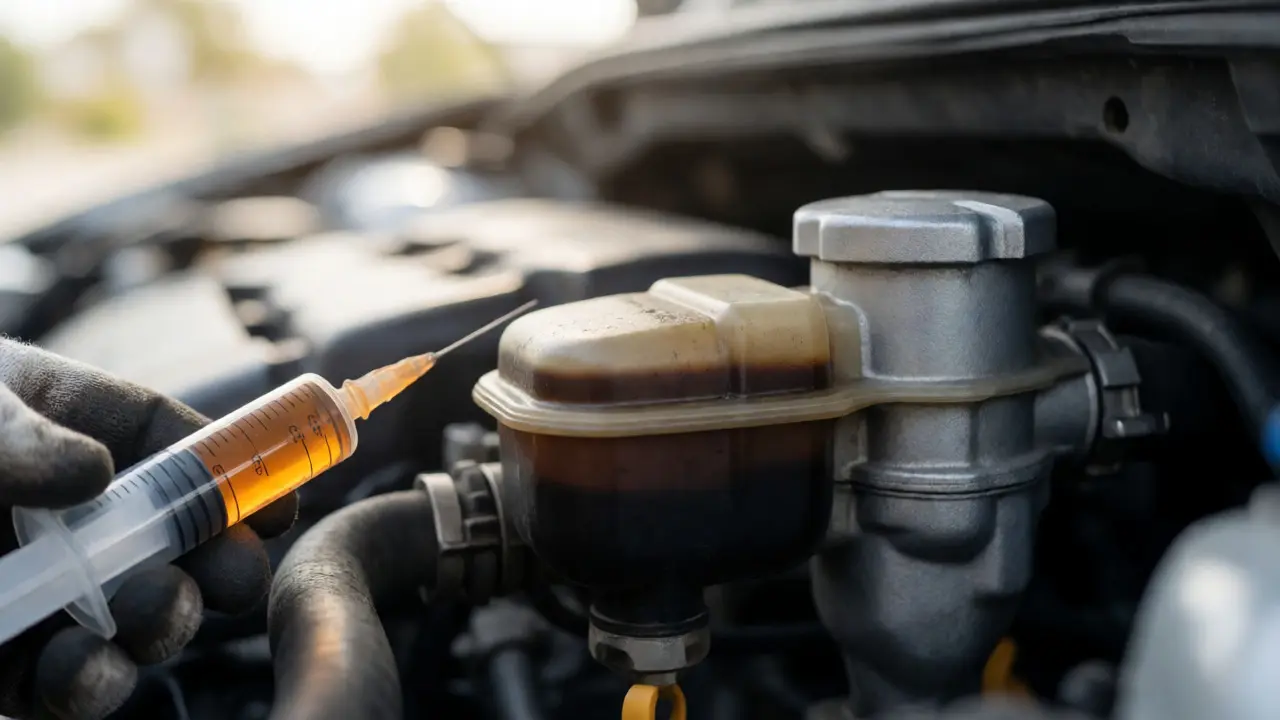
You’re driving down the highway, hit the brakes, and the pedal feels... squishy. Or maybe it’s hard as a rock. Either way, something is off with your brake fluid. Most drivers know they need to check their oil or tire pressure, but brake fluid is the silent killer of braking performance. It’s hygroscopic, meaning it absorbs water from the air over time. That water lowers the boiling point of the fluid, leading to vapor locks during heavy braking, and causes internal corrosion in your calipers and master cylinder.
The big question every car owner faces at the shop counter is simple: Do I just add more fluid (a top-up), or do I pay for a full exchange (a flush)? The answer isn’t always obvious, and getting it wrong can cost you hundreds in repairs later. A top-up masks symptoms; a flush fixes the root cause. But when is each appropriate? Let’s break down the science, the signs, and the smart money moves for keeping your brakes safe.
Why Brake Fluid Goes Bad
Unlike engine oil, which lubricates moving parts, brake fluid is a hydraulic medium. Its job is to transfer force from your foot on the pedal to the pistons in your calipers. For this to work perfectly, the fluid must be incompressible. Here’s the problem: standard glycol-based fluids like DOT 3, DOT 4, and DOT 5.1 are designed to absorb moisture. This is intentional to prevent large water droplets from pooling at low points where they could freeze, but it comes at a cost.
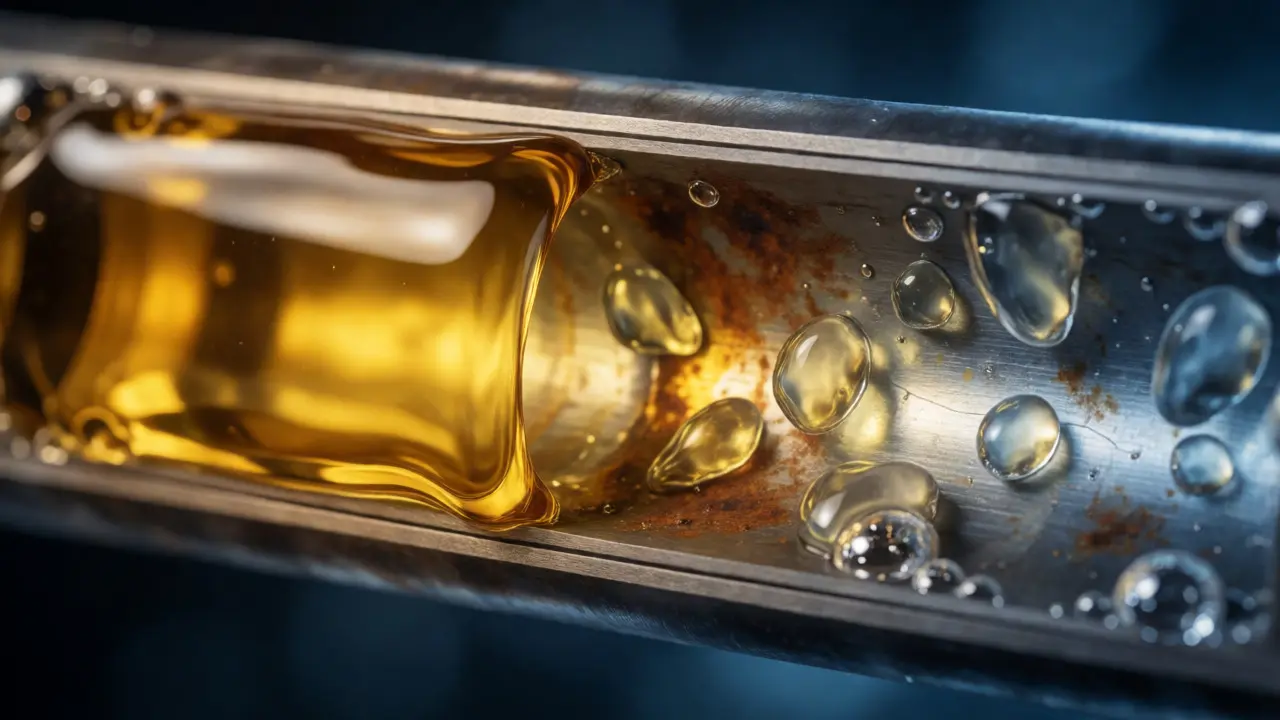
As moisture content rises, two things happen. First, the wet boiling point drops. Fresh DOT 4 fluid might have a dry boiling point of 230°C (446°F), but after absorbing 3% water by volume, its wet boiling point can drop to around 155°C (311°F). If you’re towing a trailer downhill or doing aggressive city stop-and-go driving, the fluid can boil. Gas bubbles form. Since gas compresses easily, your pedal goes to the floor, and you lose stopping power. Second, that water attacks the metal components inside your brake lines, ABS modules, and calipers, causing rust and pitting.
The Top-Up: A Band-Aid Solution
A brake fluid top-up involves opening the reservoir cap and pouring new fluid into the master cylinder until it reaches the "Max" line. Mechanics often recommend this if the level is low. But why is the level low? In a sealed hydraulic system, fluid doesn’t evaporate. The level drops primarily because the brake pads wear down. As the pads thin, the caliper pistons extend further out, displacing fluid into the calipers and lowering the level in the reservoir.
So, when you top up, you’re compensating for worn pads. You aren’t cleaning the old fluid sitting in your lines. In fact, adding fresh, dry fluid to old, moist fluid creates a dangerous illusion. The mixture might look clean, but the overall moisture content remains high. If your brake lights are on due to a low sensor, topping up turns them off, but it doesn’t fix the underlying contamination. Think of it like adding cold water to a hot bath-it feels better for a second, but the heat (or in this case, the degradation) is still there.
| Feature | Brake Fluid Top-Up | Brake Fluid Flush |
|---|---|---|
| Action | Adds new fluid to reservoir | Replaces all fluid in lines and calipers |
| Moisture Removal | Negligible (dilutes slightly) | High (removes >90% of contaminated fluid) |
| Corrosion Protection | Low | Restores additive package |
| Cost | $10-$30 (DIY or cheap labor) | $80-$150+ (labor intensive) |
| Best For | Emergency low level, pre-trip check | Maintenance interval (every 2-3 years) |
The Flush: Deep Cleaning Your Hydraulics
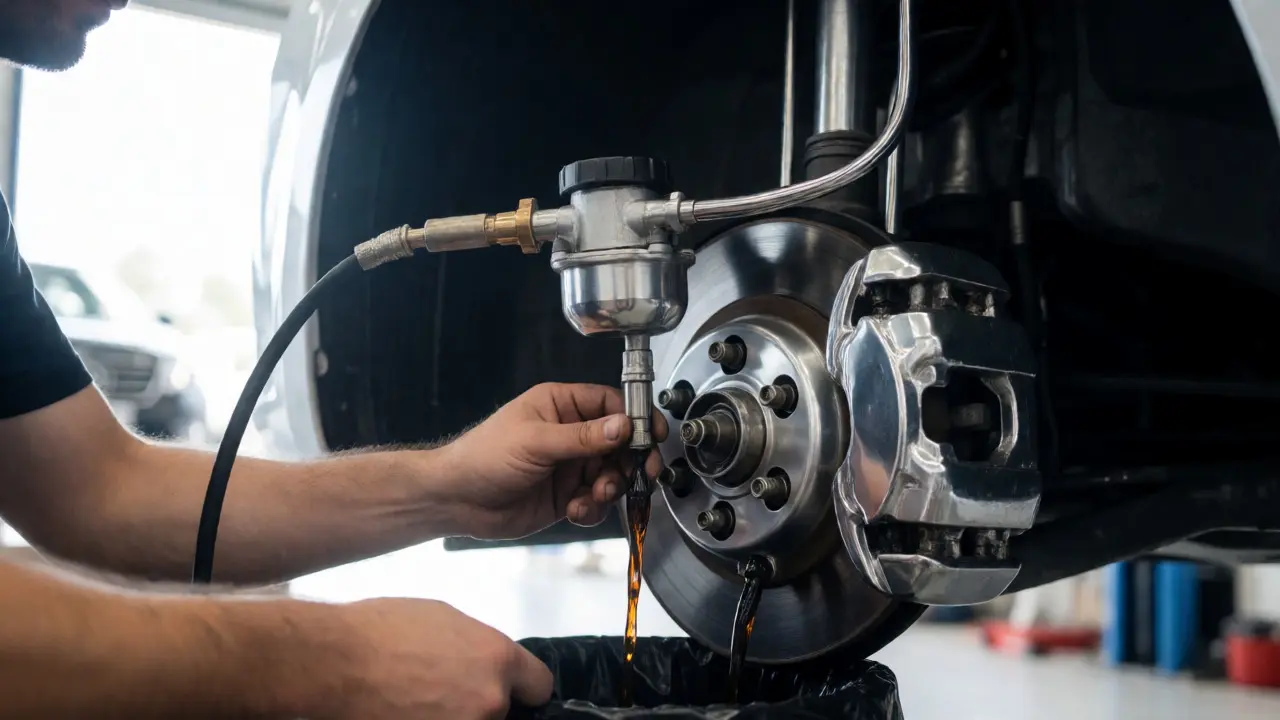
A brake fluid flush is a complete exchange of the hydraulic fluid throughout the entire system. This includes the master cylinder, the ABS pump, the steel and rubber brake lines, and the calipers or wheel cylinders. There are a few ways shops do this, but the goal is the same: push the old, contaminated fluid out and replace it with fresh, uncontaminated fluid.
The most common method involves using a pressure bleeder attached to the reservoir. Air pressure pushes new fluid through the system while a technician opens bleed screws at each wheel, allowing old fluid to escape. Another popular method uses a vacuum gun to suck old fluid out from the calipers while simultaneously pushing new fluid in from the top. Some advanced shops use reverse flushing tools that connect directly to the caliper bleeder valves, ensuring even stubborn fluid trapped in the ABS module gets swapped out.
Why go through this hassle? Because simply bleeding the brakes (pushing out air) doesn’t necessarily replace all the old fluid. A true flush ensures that the fluid circulating through your anti-lock braking system (ABS) is fresh. Old fluid can leave deposits that clog tiny passages in the ABS modulator, leading to expensive replacement costs that can run upwards of $500-$1,000 for parts alone.
When to Choose Which Service
Deciding between a flush and a top-up depends on three factors: mileage/time, fluid condition, and symptoms.
- Choose a Top-Up If:
- Your brake light just came on, and you need to get home safely.
- You recently replaced brake pads and noticed the level dropped naturally.
- The fluid in the reservoir looks clear or amber and smells sharp (not burnt).
- It has been less than 2 years since the last service.
- Choose a Flush If:
- It has been more than 2-3 years or 30,000 miles since the last change.
- The fluid appears dark brown or black.
- Your brake pedal feels spongy, sinks slowly, or vibrates under hard braking.
- You live in a humid climate (like Portland, Oregon!) where moisture absorption accelerates.
- You plan to tow heavy loads or drive aggressively.
A quick test you can do yourself: buy inexpensive brake fluid test strips online. Dip one in the reservoir. If it shows high moisture content (usually indicated by a color change to blue or green depending on the brand), a top-up won’t save you. You need a flush.
Danger Signs You Can’t Ignore
Ignoring old brake fluid isn’t just about comfort; it’s about safety. One major risk is internal seal failure. The additives in brake fluid keep the rubber seals in your calipers and master cylinder pliable. Over time, as moisture increases and additives deplete, these seals harden and crack. When they fail, you get external leaks (puddles under the car) or internal bypasses (pedal sinks to the floor while stopped).
Another critical issue is corrosion of the aluminum calipers and steel lines. Water causes electrolysis, eating away at the metal from the inside out. This weakens the structural integrity of the brake lines. In extreme cases, a weakened steel line can burst under pressure during an emergency stop, resulting in total loss of braking on one axle. This is rare but catastrophic. Regular flushing prevents this slow-motion destruction.
DIY vs. Professional Service
Can you do this yourself? Yes, but it’s tricky. A two-person bleed job is possible: one person pumps the pedal, the other opens the bleeder valve. However, this often leaves air pockets and doesn’t guarantee a full fluid exchange. Plus, brake fluid is corrosive to paint. Spill it on your fender, and it will strip the clear coat instantly.
Professional shops have the right tools-pressure bleeders, vacuum guns, and waste fluid catchers-to do the job cleanly and efficiently. They also know how to reset electronic parking brakes and cycle ABS pumps to ensure no air is trapped in the complex hydraulic circuits of modern cars. For most people, paying $100-$150 for a professional flush is worth the peace of mind and the assurance that the system was bled correctly.
Related Maintenance Tips
While you’re thinking about your brakes, remember that brake fluid works in tandem with other components. If your rotors are warped or your pads are glazed, changing the fluid won’t fix the vibration or noise. Always inspect pads and rotors during a fluid service. Also, never mix different types of brake fluid unless specified by the manufacturer. DOT 3, 4, and 5.1 are generally compatible (all glycol-based), but DOT 5 is silicone-based and cannot be mixed with the others. Mixing them causes sludge formation that can destroy your seals.
Finally, check your owner’s manual. Some manufacturers, like BMW and Mercedes-Benz, recommend brake fluid changes every two years regardless of mileage. Others, like Toyota, may suggest longer intervals. Stick to the stricter schedule if you drive in harsh conditions.
How often should I flush my brake fluid?
Most manufacturers recommend flushing brake fluid every 2 to 3 years or every 30,000 miles. However, if you live in a humid environment or tow frequently, consider doing it annually. Testing the fluid moisture content is the most accurate way to determine the right timing.
Can I just top up brake fluid instead of flushing it?
You can top up in emergencies or if the level is slightly low due to pad wear. However, topping up does not remove moisture or contaminants from the existing fluid. Relying solely on top-ups leads to degraded braking performance and potential internal corrosion over time.
What does bad brake fluid look like?
Fresh brake fluid is typically clear, yellow, or amber-colored. Bad brake fluid appears dark brown or black and may contain visible particles or cloudiness. If it looks like coffee, it needs to be flushed immediately.
Is a brake fluid flush necessary if my brakes feel fine?
Yes. Moisture absorption happens gradually, and you may not notice a slight drop in boiling point until you need maximum braking power, such as during an emergency stop or downhill descent. Preventive flushing protects internal components from corrosion before symptoms appear.
Does brake fluid affect ABS performance?
Absolutely. Modern ABS systems have intricate hydraulic passages that can become clogged with debris or corroded by contaminated fluid. Flushing the fluid helps maintain proper flow rates and pressure modulation within the ABS module, ensuring reliable anti-lock functionality.