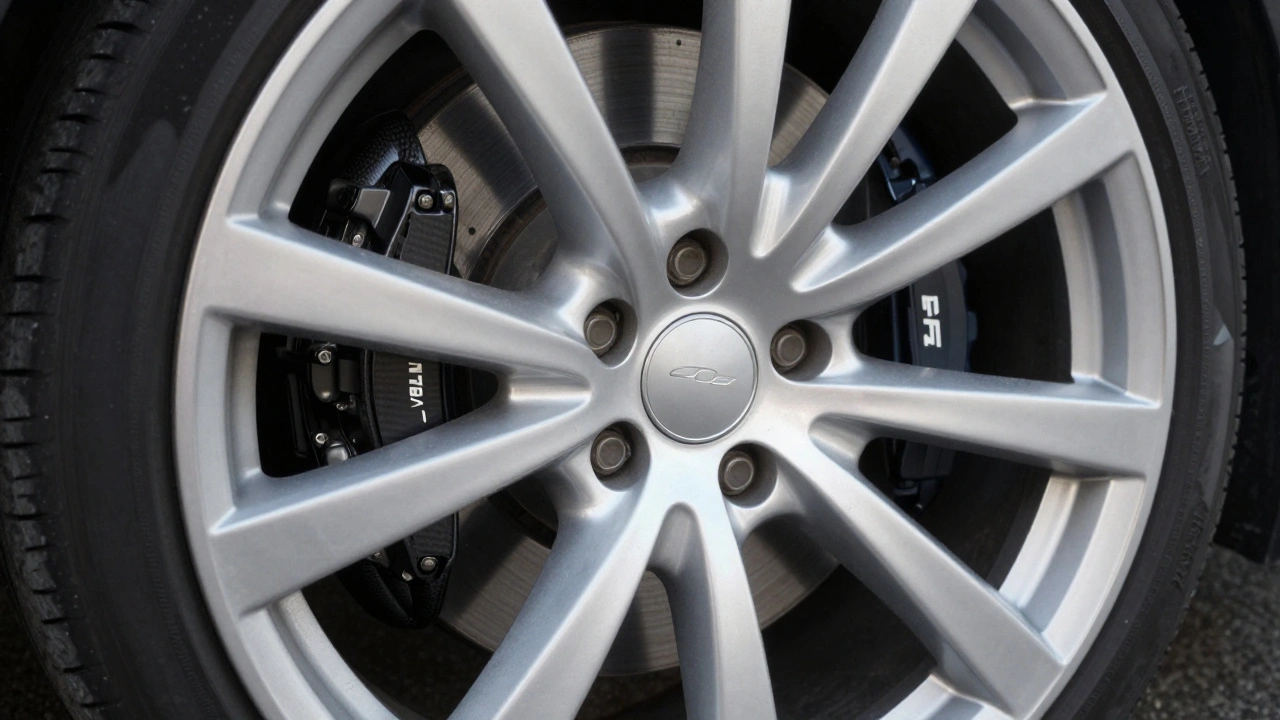
There is nothing worse than the squeal of cheap brake pads ruining the silence of your cabin. You bought a luxury vehicle for its refinement, not to hear grinding noises every time you stop at a red light. Choosing the right brake pads for a high-end car isn't just about stopping power; it is about preserving that quiet, clean, and smooth experience you paid for.
Whether you drive a Mercedes-Benz S-Class, a BMW 7 Series, or a Porsche Panamera, the friction material in your calipers makes or breaks the daily driving experience. Most owners face a common dilemma: do they stick with the heavy-dust OEM pads, switch to cleaner ceramics, or go for performance metals? The answer depends entirely on how you use your car.
The Four Main Families of Luxury Brake Materials
Not all brake pads are created equal. In the luxury segment, manufacturers generally rely on four distinct material families. Each has specific strengths and weaknesses regarding noise, dust, heat management, and rotor wear. Understanding these differences is the first step to making the right choice.
- Non-Asbestos Organic (NAO): Soft compounds made from fibers, rubber, and glass. Known for quiet operation but lower heat tolerance.
- Low-Metallic NAO: A hybrid mix adding 10-30% metal to organic bases. Common on German sedans for better fade resistance.
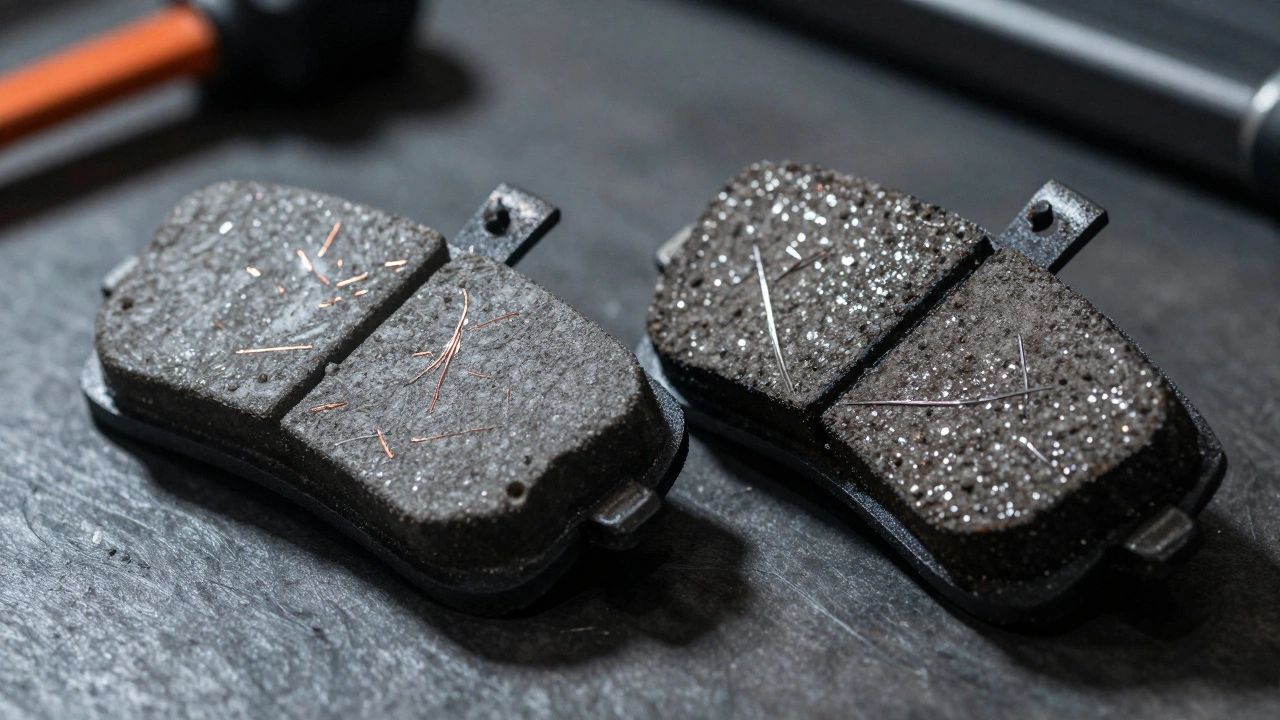
- Ceramic: Dense ceramic matrix with fine copper or steel fibers. The gold standard for comfort and cleanliness.
- Semi-Metallic: High metal content (30-65%). Built for heat dissipation and heavy loads, often used in SUVs or performance models.
Ceramic Pads: The Comfort King
If your primary goal is a silent ride and clean wheels, Ceramic brake pads are likely your best option. These pads have become the default "premium comfort" choice for many luxury brands, particularly in North America and Japan. Brands like Akebono and Brembo dominate this space with lines such as Akebono Euro Ultra-Premium and Brembo Prime Ceramic.
Ceramic pads are engineered to produce very little noise. They typically come with multi-layer shims-often a sandwich of rubber, steel, and more rubber-that dampen vibrations before they reach your ears. If you’ve ever complained about high-pitched squeals in an Audi A6 or a Lexus LS, switching to a quality ceramic compound often solves the problem instantly.
The other major benefit is dust. Unlike metallic pads that leave thick, black residue on your rims, ceramic pads produce a lighter, finer dust that doesn’t stick aggressively to wheels. Many owners report that their wheels stay clean twice as long between washes. However, there is a trade-off. Ceramic pads can feel slightly softer under heavy braking compared to metallic alternatives, and they may glaze if you frequently track your car without proper cooling.
Semi-Metallic Pads: Power and Heat Management
For heavier vehicles or aggressive drivers, Semi-metallic brake pads offer superior thermal conductivity. These pads contain a high percentage of metal fibers, which help pull heat away from the friction surface and into the air. This is crucial for preventing brake fade during repeated hard stops.
You will often find semi-metallic or low-metallic NAO pads on large luxury SUVs like the Mercedes-Benz GLS, Range Rover, or Cadillac Escalade. These vehicles weigh over 2,500 kg and generate immense kinetic energy when moving. Standard organic pads simply cannot handle that heat load without overheating.
The downside? Dust and noise. Semi-metallic pads are notorious for creating heavy black dust that coats front wheels within hundreds of miles. They can also be louder, especially when cold. If you live in an area with frequent mountain descents or spend time on the Autobahn, the extra stopping power and fade resistance might be worth the aesthetic cost.
Carbon-Ceramic Systems: The Super-Luxury Exception
If you drive a Porsche 911 Turbo S with PCCB, a Ferrari, or a high-performance Mercedes-AMG, you might have optional carbon-ceramic rotors. These systems require specialized pad compounds that are completely different from standard iron-rotor pads.
Carbon-ceramic rotors operate at temperatures exceeding 700 °C. Standard aftermarket pads will not work here. Using incompatible materials can ruin the rotors, which can cost thousands of dollars each to replace. Suppliers like Brembo design specific binders and abrasives for these systems to ensure stable friction at extreme heats while minimizing wear on the expensive rotors. Never mix and match pad types on a carbon-ceramic system unless explicitly approved by the manufacturer.
Comparing Performance Metrics
To make an informed decision, look beyond marketing claims and focus on three key metrics: friction coefficient, operating temperature, and NVH (Noise, Vibration, Harshness).
| Material Type | Dust Level | Noise Potential | Heat Resistance | Rotor Wear | Best For |
|---|---|---|---|---|---|
| Ceramic | Low | Very Low | Moderate (up to ~450°C) | Low | Daily commuting, city driving |
| Semi-Metallic | High | Moderate to High | High (up to ~600°C) | High | Towing, mountain roads, heavy SUVs |
| Low-Metallic NAO | Moderate | Low | Moderate-High | Moderate | European sedans, mixed driving |
| Organic (NAO) | Low | Low | Low (up to ~350°C) | Low | Light urban driving, older classics |
Regulatory Shifts and Copper-Free Formulas
The landscape of brake materials is changing due to environmental regulations. In the United States, laws like Washington’s “Better Brakes” act have phased out high-copper formulas. By 2025, new brake pads must contain less than 0.5% copper by weight. Copper is toxic to aquatic life and was previously used to improve heat transfer in semi-metallic and some ceramic pads.
This shift has forced manufacturers like Bosch and ATE to develop advanced copper-free ceramics and NAO compounds. For the consumer, this means modern premium pads are safer for the environment without sacrificing much performance. When buying aftermarket parts, look for labels indicating compliance with current environmental standards.
Choosing the Right Pad for Your Driving Style
There is no single "best" pad for every luxury vehicle. Your choice should align with your actual usage patterns.
The Commuter: If you drive a BMW 5 Series or Mercedes E-Class mostly in traffic and on highways, prioritize comfort. Go with a premium ceramic pad from Akebono or Bosch QuietCast. You’ll enjoy a silent cabin, cleaner wheels, and predictable pedal feel.
The Enthusiast: If you drive a Porsche Panamera or Audi RS model and occasionally push the car hard on canyon roads, consider a performance street pad like EBC Yellowstuff or Hawk HPS. These offer higher friction coefficients at elevated temperatures but will produce more dust and noise.
The Heavy-Duty User: If you tow trailers with your Range Rover or Cadillac Escalade, stick with semi-metallic or low-metallic NAO pads. The extra heat capacity prevents fade, ensuring safe stops even under load.
Installation and Bedding-In Tips
Installing new pads on a luxury vehicle requires attention to detail. Many modern cars feature electronic parking brakes that require a scan tool to retract the rear calipers. Attempting to force them back can damage the motor. Always check your service manual for specific procedures.
Once installed, proper bedding-in is critical. Skip this step, and you risk uneven pad deposition, leading to judder or vibration later. A typical bedding process involves 8-10 moderate stops from 60 km/h to 10 km/h, followed by several harder stops from 80 km/h to 20 km/h without coming to a complete rest. Allow the brakes to cool naturally before driving again. This ensures an even friction layer transfers onto the rotor, maximizing performance and lifespan.
Are ceramic brake pads better than semi-metallic for luxury cars?
For most luxury car owners who prioritize comfort, silence, and clean wheels, yes. Ceramic pads produce significantly less dust and noise. However, semi-metallic pads are better suited for heavy SUVs, towing, or aggressive driving where heat management is critical.
How often should I replace brake pads on a luxury vehicle?
Replacement intervals vary by driving style and material. Ceramic pads often last longer, potentially reaching 60,000-80,000 miles in gentle driving. Semi-metallic pads may wear faster, around 40,000-60,000 miles. Always monitor thickness and listen for wear indicator squeals.
Can I use aftermarket brake pads on my carbon-ceramic brakes?
Generally, no. Carbon-ceramic systems require specialized pad compounds designed for extreme temperatures. Using standard aftermarket pads can damage the rotors and compromise braking performance. Stick to OEM-approved parts or high-end specialist brands like Brembo.
Why do my luxury car wheels get so dirty so quickly?
This is likely caused by brake dust from semi-metallic or low-metallic pads. These materials shed fine metallic particles that stick to wheel surfaces. Switching to ceramic brake pads can drastically reduce this issue, keeping wheels cleaner for longer periods.
Do electric luxury vehicles need different brake pads?
Electric vehicles use regenerative braking, reducing friction brake usage. This can lead to corrosion and uneven pad deposition. Manufacturers are developing specialized coatings and materials to remain stable during infrequent use, but standard premium ceramic pads usually perform well.