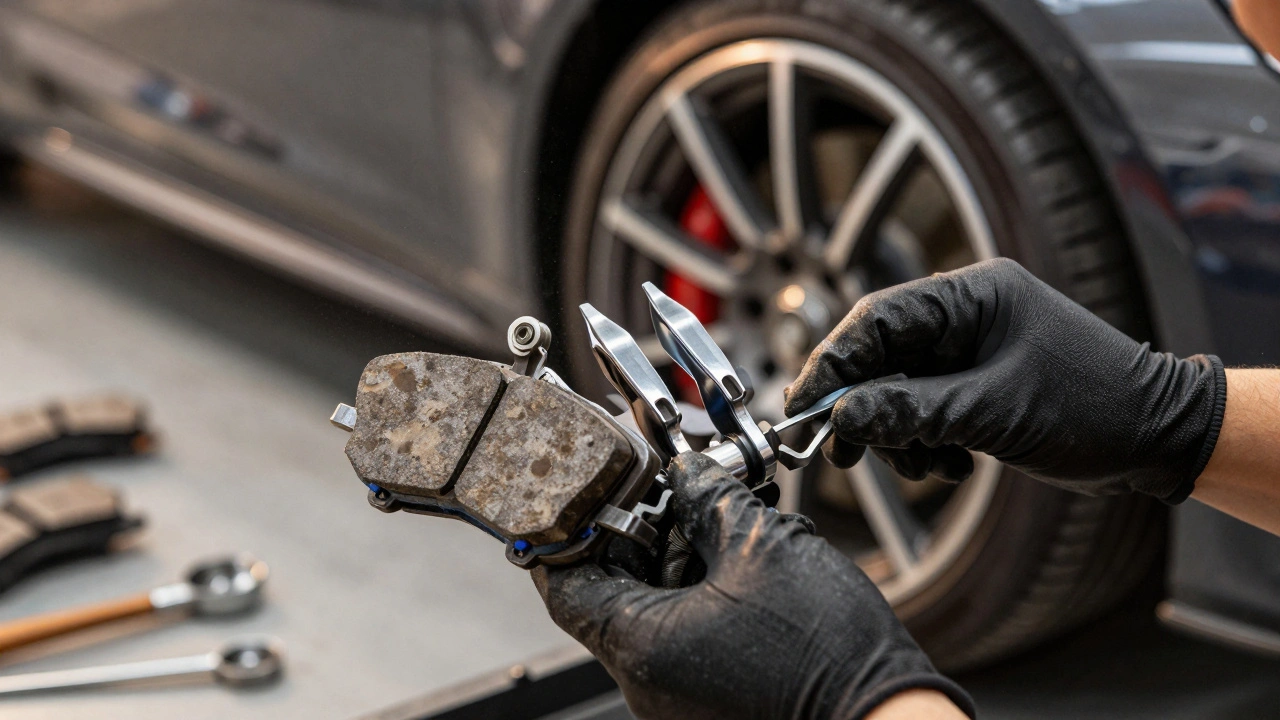
There is nothing more annoying than a squeaky noise coming from your wheels every time you slow down for a traffic light. In Dubai, a city known for its heavy traffic and high-speed highways, brake wear happens faster than you might expect. You pull over to check the dashboard warning light, and suddenly you are wondering how much this fix will actually cost. The short answer? It depends entirely on what kind of car you drive.
If you drive a standard sedan, you might pay around AED 300. If you drive a luxury German SUV with complex sensors, that bill could easily jump to AED 1,500 or more per axle. Understanding these numbers before you hand over your keys saves you from surprise charges at the counter. Let’s break down exactly what drives these prices up or down so you can budget correctly for your next service appointment.
The Base Price: What Most Drivers Pay
For the majority of car owners in the UAE, brake service means replacing the brake pads. This is the most common maintenance task because pads are consumable parts-they wear out with use. According to local workshops like Emirates Moto, located in Dubai Centre, the typical range for brake pad replacement sits between AED 300 and AED 800.
This price usually covers the parts (the pads themselves) and the labor to install them. However, not all shops quote the same rate. Some providers, such as Golden Horse, offer entry-level pricing starting from AED 150 per axle. Keep in mind that these lower quotes often exclude the mandatory 5% Value Added Tax (VAT), which gets added at the invoice stage. Always ask if the quoted price includes tax to avoid sticker shock later.
Why does the price vary even for similar cars? It comes down to the brand of the pads used. Economy pads are cheaper but may produce more dust and noise. Premium ceramic or semi-metallic pads cost more upfront but last longer and stop better under heat. For a daily driver in moderate traffic, mid-range pads often provide the best balance of cost and performance.
Luxury and Performance Vehicles: The Premium Tier
Once you move into the realm of premium brands-think BMW, Mercedes-Benz, Audi, or Porsche-the math changes significantly. These vehicles do not just use standard iron rotors and basic friction material. They often feature larger calipers, drilled or slotted rotors, and specialized electronic components.
The Land Auto Repair, a comprehensive resource for UAE vehicle maintenance, notes that premium and German brand vehicles typically require between AED 800 and AED 1,600 per axle. For high-performance models, such as AMG or M-series variants, the cost can soar to AED 1,200-2,500 or higher.
What justifies this extra cost? First, the materials. Performance brakes use heat-resistant compounds designed to withstand repeated hard braking without fading. Second, the complexity. Many luxury cars come equipped with electronic wear sensors. These small devices monitor pad thickness and trigger a warning light when it is time for service. Replacing the pads also means replacing these sensors, adding both part and labor costs. Ignoring sensor replacement can lead to persistent warning lights or inaccurate readings.

Hidden Costs: Rotors, Sensors, and Additional Services
A big mistake many drivers make is assuming "brake service" only means new pads. Sometimes, the rotors (the discs the pads clamp onto) are worn too thin or warped. If your mechanic recommends rotor resurfacing or replacement, the total bill increases. Resurfacing costs less but requires specific equipment; replacement ensures a fresh surface but adds significant part costs.
Consider this breakdown for a full brake job on a mainstream SUV:
- Brake Pads: AED 400-600
- Rotor Replacement (if needed): AED 300-700 per axle
- Wear Sensors: AED 50-150 per wheel
- Labor: Included in most package quotes, but varies by shop
Additionally, mechanics often suggest bundling other services while the wheels are off. We Fix Auto Services lists common add-ons such as tire rotation (AED 100-250) and wheel alignment (AED 150-350). While these are good for overall vehicle health, they are optional. You have the right to decline any service you do not need or want. Always request an itemized estimate before authorizing work.
How Often Should You Service Brakes in Dubai?
Dubai’s driving conditions are unique. The combination of stop-and-go traffic on Sheikh Zayed Road and high-speed cruising on desert highways puts constant stress on braking systems. Emirates Moto recommends servicing brakes every 15,000 to 20,000 kilometers or every one to two years, whichever comes first.
If you are an aggressive driver or frequently carry heavy loads, you may need checks more often. Listen for signs like grinding noises, vibration in the steering wheel during braking, or a soft pedal feel. Do not wait for the warning light. By then, you might be running on metal-on-metal contact, which damages rotors and makes the repair much more expensive.
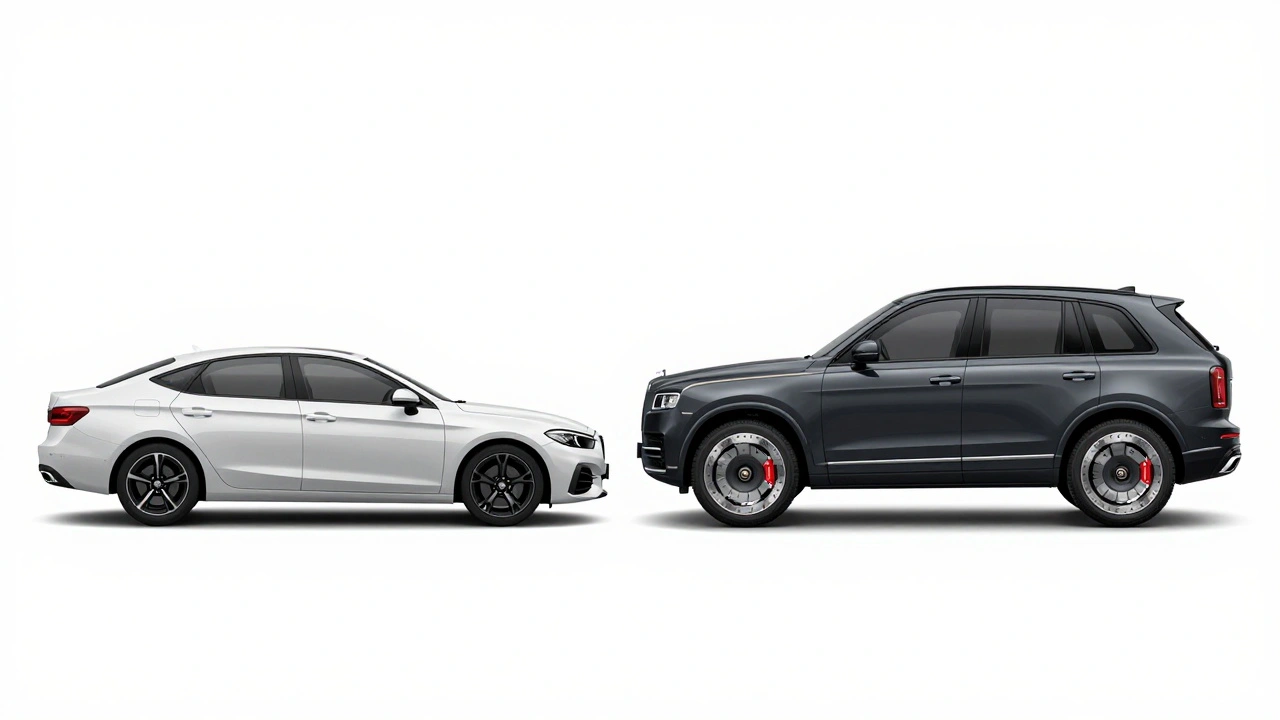
Dubai vs. International Pricing: Is It Expensive?
You might wonder if Dubai brake costs are high compared to other places. Let’s look at the numbers. In the United States, Kelley Blue Book reports average brake pad replacement costs around USD 150 per axle, rising to USD 300 for premium materials. Converted to Dirhams, that is roughly AED 550-1,100.
At first glance, Dubai’s AED 300-800 range seems competitive. However, remember that US prices often reflect lower labor rates in certain regions. In Dubai, labor is highly skilled and standardized across reputable workshops. Also, import duties on auto parts in the GCC can influence final retail prices. When you factor in the quality of service, speed of repair (many shops complete pad swaps in under an hour), and warranty coverage, Dubai offers strong value for money.
| Vehicle Category | Typical Cost Range (Per Axle) | Key Factors Influencing Price |
|---|---|---|
| Economy Sedans | AED 250 - 600 | Basic pads, simple caliper design |
| Mainstream SUVs/Crossovers | AED 450 - 900 | Larger rotors, heavier vehicle weight |
| Premium/German Brands | AED 800 - 1,600+ | Ceramic pads, wear sensors, complex assembly |
| Performance Models | AED 1,200 - 2,500+ | High-heat compounds, drilled rotors, specialized labor |
Choosing the Right Workshop
Not all repair shops are created equal. In Dubai, you have options ranging from authorized dealerships to independent specialists like Tyre Plus Middle East or Golden Horse. Dealerships offer genuine OEM parts and factory-trained technicians but charge premium rates. Independent shops often provide competitive pricing and use high-quality aftermarket brands that meet or exceed OEM standards.
Before booking, check online reviews for transparency and reliability. Ask about warranties on parts and labor. A reputable shop will stand behind their work. Avoid places that refuse to give written estimates or pressure you into unnecessary upgrades. Your safety depends on reliable brakes, so prioritize quality over the lowest possible price.
How long does a brake pad replacement take in Dubai?
Most professional workshops can replace brake pads in approximately one hour for standard vehicles. Luxury or performance cars with complex suspension or electronic systems may take slightly longer, usually between 1.5 to 2 hours. Always confirm the estimated time when you drop off your car.
Are brake pad prices inclusive of VAT?
Many quoted prices in Dubai exclude the 5% Value Added Tax (VAT). Shops like Golden Horse explicitly state that VAT is added at invoicing. Always ask your mechanic if the quoted amount is final or pre-tax to avoid unexpected charges.
When should I replace my brake rotors instead of just resurfacing them?
Replace rotors if they are below the manufacturer’s minimum thickness specification, show deep grooves, or are severely warped. Resurfacing is only viable if there is enough material left to machine a smooth surface. A trusted mechanic will measure rotor depth with a micrometer to determine the best option.
Do electric vehicles require different brake service intervals?
Yes. Electric vehicles (EVs) use regenerative braking, which slows the car using the motor rather than friction brakes. This reduces wear on traditional pads and rotors, meaning EV owners often go longer between services. However, sudden stops still engage mechanical brakes, so regular inspections remain essential.
Can I choose aftermarket brake pads instead of original equipment manufacturer (OEM) parts?
Absolutely. High-quality aftermarket brands often match or exceed OEM performance at a lower cost. Look for pads certified by major automotive standards. Avoid cheap, unbranded pads as they may contain excessive copper or asbestos, leading to poor braking performance and environmental harm.