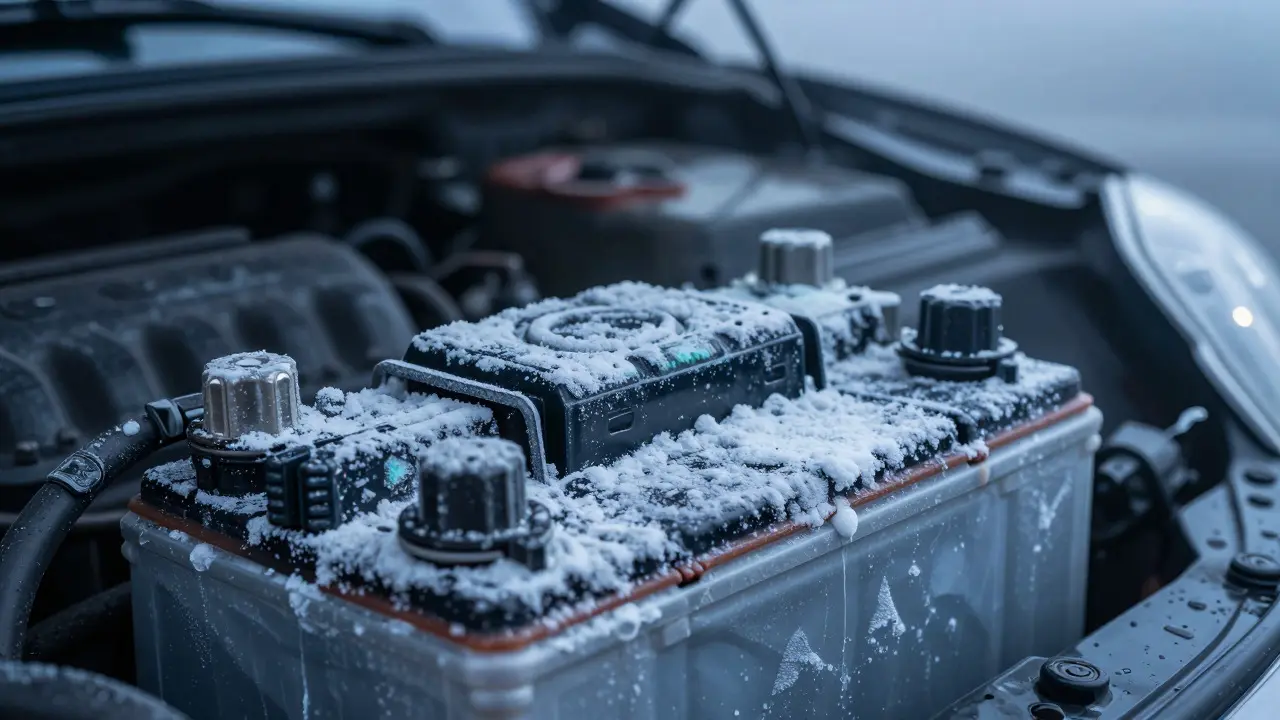
Your car sputters on a cold morning in Portland, or the headlights dim when you idle at a red light. These aren't just annoyances; they are your vehicle’s way of telling you that its power source is running out of steam. A weak car battery is a lead-acid electrochemical cell that provides initial power to start the engine and run electrical systems when the engine is off. When it fails, you’re left stranded, often at the worst possible time. Knowing how to spot the decline early can save you from expensive tow truck bills and mid-commute emergencies.
The Early Warning Signs You Can’t Ignore
Most batteries don’t die instantly. They fade. The first sign is usually sluggish starting. If your engine cranks slower than usual, especially in winter, the battery isn’t delivering enough current to spin the starter motor effectively. Next, look at your lights. Headlights that appear dimmer than they used to, or turn signals that blink slowly, indicate a drop in voltage under load. Another subtle clue is the "Check Engine" light. Surprisingly, a low battery voltage can trigger this warning because the engine control module needs stable power to function correctly. If you see corrosion around the battery terminals-white, blue, or green powder-that’s sulfuric acid leaking from the cells, which increases resistance and kills performance. Finally, if you’ve had to jump-start your car more than once in the last six months, your battery is likely beyond saving.
How to Test Your Battery at Home
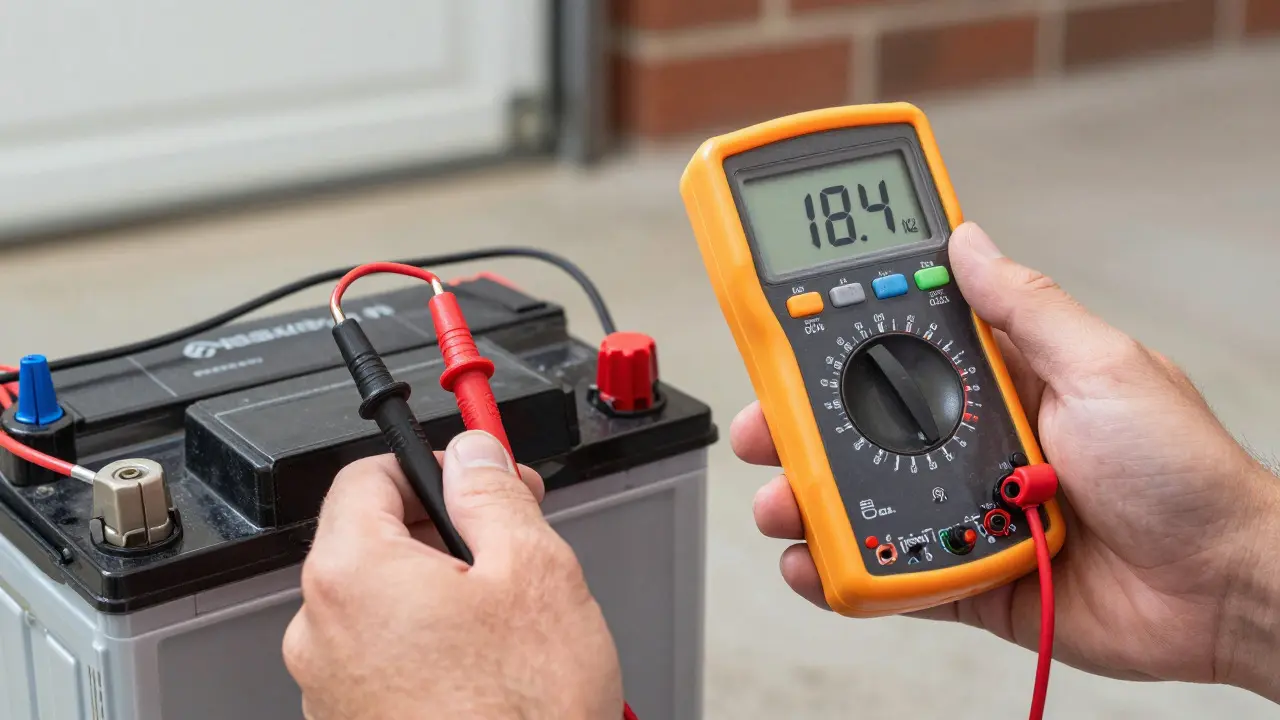
You don’t need a mechanic to know if your battery is dying. A simple multimeter test gives you accurate data. First, ensure the engine is off and all electronics are shut down. Connect the multimeter leads to the battery terminals: red to positive (+), black to negative (-). Set the dial to DC Volts (usually 20V range). A healthy, fully charged battery should read between 12.6 and 12.8 volts. If it reads 12.4 volts or lower, it’s partially discharged. Below 12.0 volts means it’s significantly depleted. For a deeper check, perform a load test. Start the car and keep the RPMs steady. The voltage should rise to 13.7-14.7 volts, indicating the alternator is charging properly. If the voltage stays below 13.5 volts while driving, your problem might not be the battery but the charging system. This distinction is critical because replacing a good battery won’t fix a bad alternator.
| Voltage Reading | Battery Status | Action Required |
|---|---|---|
| 12.6 - 12.8 V | Fully Charged & Healthy | No action needed |
| 12.4 - 12.5 V | Partially Discharged | Charge immediately; monitor closely |
| 12.0 - 12.3 V | Low Charge / Weak | Replace soon; avoid relying on it for starts |
| Below 12.0 V | Deeply Discharged / Failing | Replace immediately |
Why Climate Matters: The Portland Factor
Living in Portland, Oregon, adds a specific layer to battery health. Our wet winters and cool temperatures stress batteries differently than dry, hot climates do. Cold reduces the chemical reaction speed inside the battery, lowering its available capacity by up to 30% at 0°F. While Portland rarely hits those extremes, consistent dampness accelerates terminal corrosion. Moisture mixes with acidic vapors from the battery cells, creating conductive paths that drain power overnight. If you park outdoors, consider using a battery tender during extended stops. It maintains optimal charge levels without overcharging, extending life significantly. Also, note that high humidity can degrade cable insulation over time, leading to intermittent connections. Inspect your cables annually for cracks or fraying, especially near the clamps where vibration occurs.
Maintenance Tips to Extend Battery Life
Average car batteries last three to five years, but proper care can push that closer to five. Keep terminals clean: mix baking soda with water, apply to corroded areas, let it fizz, then wipe clean with a brush. Apply a thin coat of petroleum jelly or specialized terminal protectant to prevent future buildup. Avoid deep discharges. If you have accessories like dash cams, GPS trackers, or aftermarket audio systems, ensure they draw minimal power when the engine is off. A parasitic drain of even 50 milliamps can kill a battery over several days. Use an OBD-II scanner to check for parasitic drains if your battery dies frequently despite short trips. Short trips are also a killer. The alternator needs sustained driving to fully recharge the battery. If most of your drives are under ten minutes, plug in a charger weekly during winter months. Lastly, check the electrolyte level in non-sealed batteries. If plates are exposed, add distilled water only-never tap water, as minerals cause sulfation.

When to Replace vs. Repair
Sometimes, a battery can be revived. If it’s merely discharged, a slow charge (2 amps for 24 hours) can restore full capacity. But if internal plates are sulfated or cracked, no amount of charging will help. Look for physical damage: bulging sides, cracked cases, or leaking fluid. These are immediate replacement triggers. Cost-wise, a new Group 24F battery (common in sedans) ranges from $80 to $150 depending on brand and warranty. Premium brands offer longer warranties and better cold-cranking amps (CCA). CCA measures the amperes a battery can deliver for 30 seconds at 0°F while maintaining 7.2 volts. Choose a battery with at least the same CCA rating as your original. In Portland’s mild winters, you might not need extreme CCA, but higher ratings provide a safety margin for unexpected cold snaps. Always dispose of old batteries at auto parts stores or recycling centers-they contain lead and sulfuric acid, hazardous to landfills.
Frequently Asked Questions
How often should I test my car battery?
Test your battery every six months, or before heading into winter. A quick voltage check takes less than a minute and can predict failure weeks in advance. If you live in a humid climate like Portland, increase frequency to quarterly due to faster corrosion rates.
Can a dead battery ruin my alternator?
Rarely, but yes. If you repeatedly try to start a deeply discharged battery, the starter motor draws excessive current, stressing the alternator’s diodes. More commonly, a failing alternator causes the battery to die. If your battery dies frequently despite being new, have the charging system tested.
What does white powder on battery terminals mean?
White or bluish-green powder is lead sulfate, formed when battery acid leaks and reacts with air. It increases electrical resistance, causing starting issues. Clean it with a baking soda solution and apply protective grease to prevent recurrence. Persistent leakage may indicate a cracked case requiring replacement.
Is it safe to drive with a weak battery?
Temporarily, yes, if the alternator is functioning. The alternator powers the car while driving. However, risk exists: if the alternator fails while you’re driving, the car will stall. Avoid long trips until the battery is replaced. Monitor voltage while driving; if it drops below 13.5 volts, pull over safely.
How long does a car battery last in Portland, Oregon?
Typically 3 to 5 years. Portland’s moderate temperatures are ideal for battery longevity compared to extreme heat or cold. However, high humidity accelerates terminal corrosion. With regular cleaning and avoiding deep discharges, many owners report reaching the upper end of this range. Aggressive use (short trips, heavy electrical load) can reduce life to under three years.