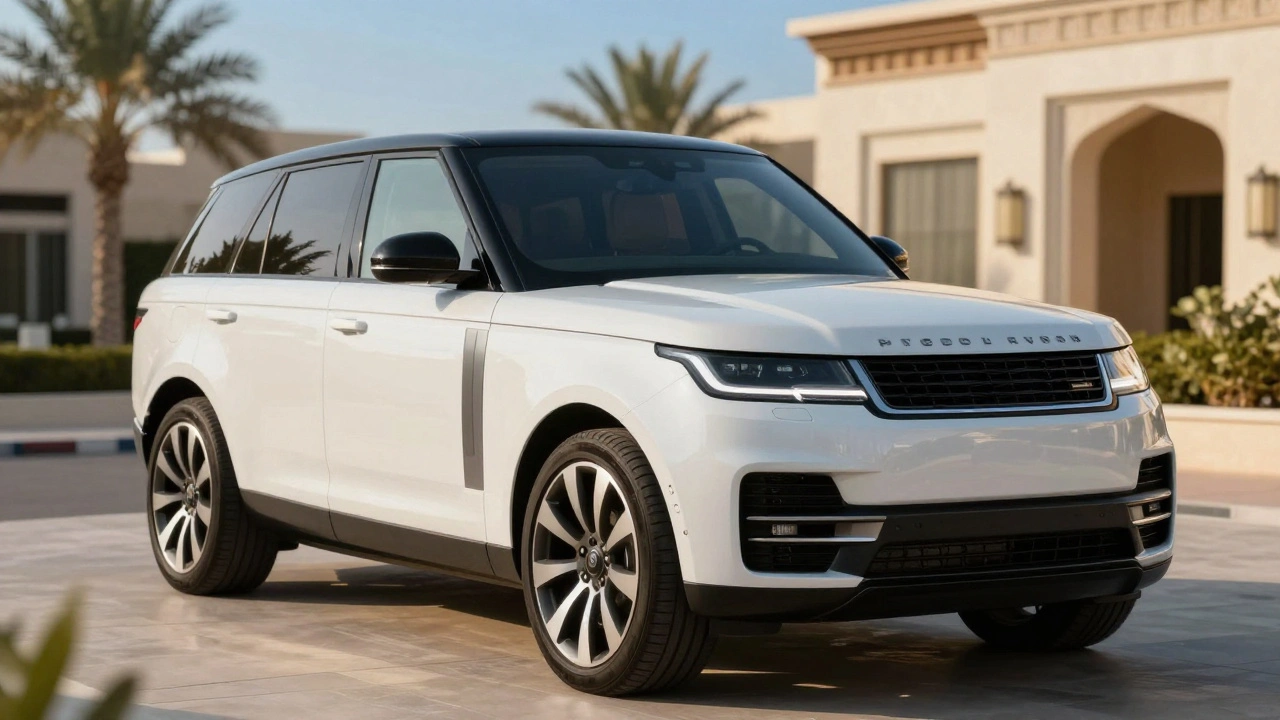
Changing your car’s color is one of the most dramatic ways to refresh a vehicle. It can hide years of wear, boost resale value, or simply make you smile every time you pull into the driveway. But picking the right car color change strategy isn’t just about pointing at a swatch and saying "I like that." It involves balancing aesthetics, durability, cost, and even legal paperwork.
If you’ve ever stared at a glossy red sports car and wondered if your daily commuter could look half as cool, you’re not alone. The problem is that what looks great on a showroom floor might look silly on a minivan. Let’s break down how to choose the right paint, finish, and application method so you don’t end up with a regrettable-or expensive-mistake.
Choosing the Right Hue for Your Vehicle Type
The first step in any color change is matching the hue to the vehicle’s personality. Automotive experts often note that context matters more than the color itself. A bright yellow looks aggressive and exciting on a low-slung sports car. That same yellow on a family sedan or a minivan? Suddenly, it looks like a taxi cab. And unless you’re actually driving for Uber or Lyft, that’s probably not the vibe you’re going for.
Here’s a quick rule of thumb:
- Sports cars and coupes: Bold colors (red, orange, yellow, electric blue) pop because these cars are designed to draw attention.
- Sedans and minivans: Neutral tones (white, black, silver, gray) keep the look sophisticated and professional.
- SUVs and trucks: Earth tones (olive green, matte black, dark gray) or two-tone schemes work well because they emphasize ruggedness.
- Classic cars: Stick to era-authentic colors. A 1967 Mustang looks best in its original factory palette, not in a modern neon pink.
Why does this matter? Because mismatched colors can hurt resale value. Buyers expect certain aesthetics from certain body types. If you paint a practical commuter car in a jarring shade, you might scare off potential buyers who see it as "too flashy" or "impractical."
Popular Colors and Their Impact on Resale Value
When it comes to selling your car later, color plays a bigger role than you might think. According to industry data, the most popular car paint colors are white, black, silver, and red. These aren’t just favorites-they’re safe bets for retaining value.
| Color | Popularity | Resale Impact | Best For |
|---|---|---|---|
| White | High | Neutral/Positive | All vehicle types |
| Black | High | Neutral/Positive | Luxury sedans, SUVs |
| Silver | High | Neutral/Positive | Sedans, hybrids |
| Red | Medium-High | Positive (if tasteful) | Sports cars, convertibles |
| Bright Yellow/Orange | Low | Negative (niche appeal) | Custom builds, track cars |
| Pastel/Matte Custom | Very Low | Negative (limited buyer pool) | Show cars, personal use only |
Less common colors-like pastel pink, lime green, or custom matte finishes-can bring down resale value significantly. Why? Because they limit your buyer pool. Most people want a car that fits their lifestyle, not one that screams "statement piece." If you plan to sell within three to five years, stick to the big four: white, black, silver, or red.
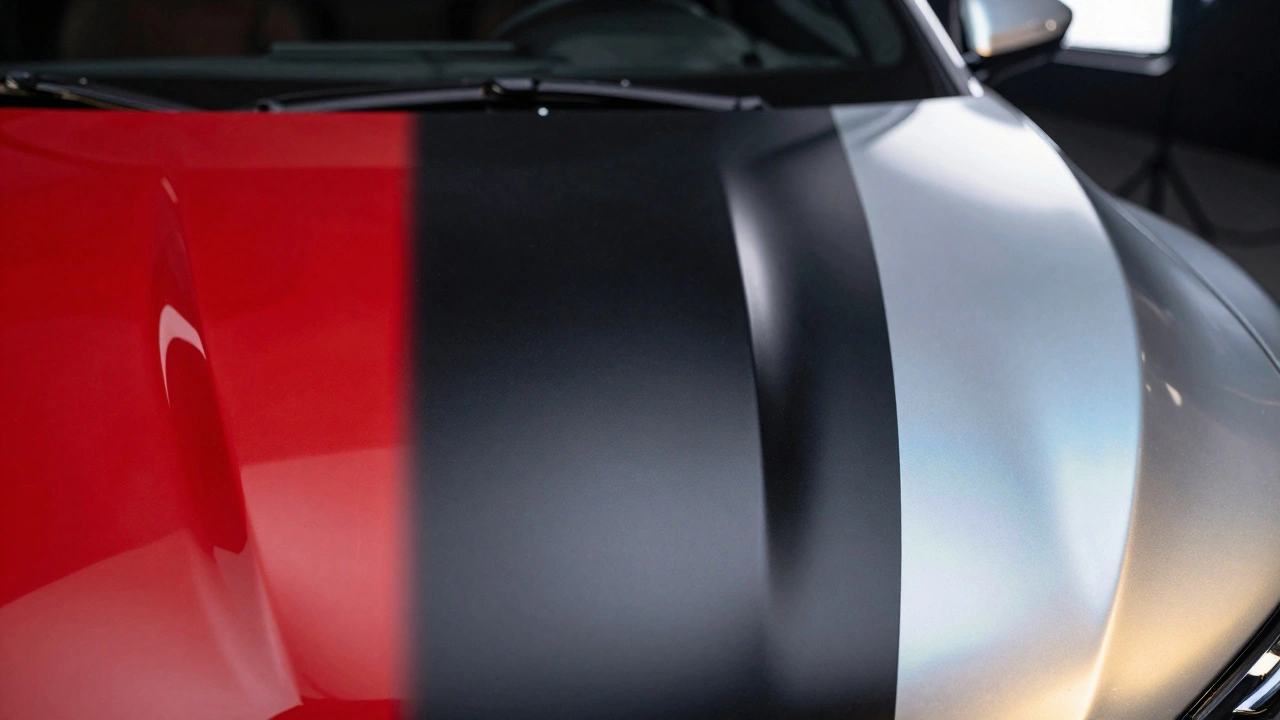
Finishes: Gloss, Matte, Satin, and Pearl
Once you’ve picked a color, you need to decide on the finish. This choice affects both appearance and maintenance.
Gloss is the default for a reason. It hides minor imperfections, reflects sunlight (keeping the interior cooler), and is easy to maintain with regular washing and waxing. Most factory paints use gloss, which means touch-ups and repairs are straightforward.
Matte finishes offer a flat, non-reflective look that’s trendy but tricky. They show every speck of dust, bird droppings, and water spot. Plus, you can’t wax them traditionally-special matte-safe products are required. If you live in an area with heavy pollution or frequent rain, matte might become a chore.
Satin sits between gloss and matte. It has a soft sheen without being fully reflective. It’s easier to maintain than matte but still requires care to avoid swirl marks.
Pearl or pearlescent finishes use mica particles to create a color-shifting effect. Under direct sunlight, a pearl white might flash hints of blue or gold. These finishes are stunning but cost more due to the complex layering process. They also require skilled painters to apply correctly, as uneven layers can ruin the effect.
Application Methods: Repaint, Wrap, or Plasti Dip?
Now comes the technical part: how will you apply the new color? There are three main methods, each with pros, cons, and price tags.
1. Professional Repainting
This is the permanent solution. A shop strips the old paint, sands the surface, applies primer, then lays down multiple coats of acrylic paint followed by clear coat. The process takes days to weeks and costs anywhere from $3,000 to $10,000+, depending on your location, vehicle size, and paint quality.
Pros:
- Lasts 10-15 years with proper care
- Seamless, factory-like finish
- Increases value if done professionally
Cons:
- Expensive
- Time-intensive (you’ll need a rental car)
- Risk of poor results if the shop cuts corners
2. Vinyl Wrapping
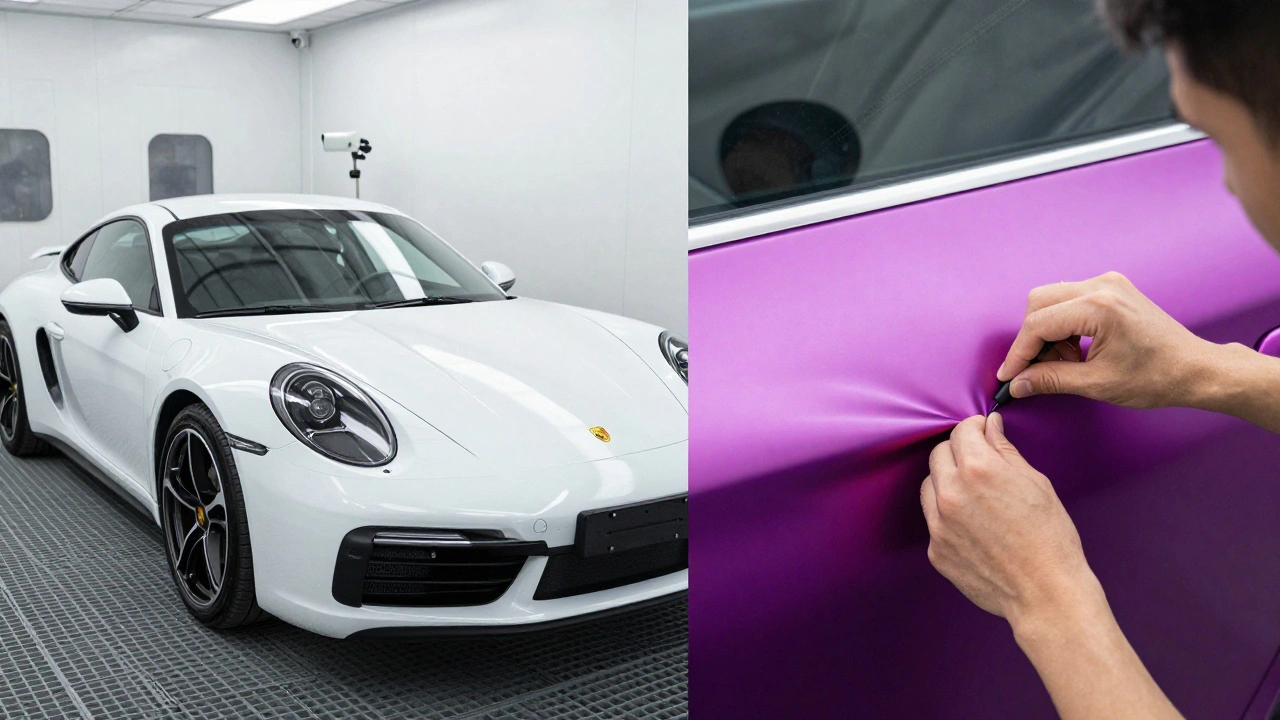
Vinyl wrapping involves applying adhesive-backed film over the existing paint. It’s reversible, cheaper than repainting ($1,500-$4,000), and offers endless design possibilities, including two-tone schemes and custom graphics.
Pros:
- Protects original paint underneath
- Easier to reverse if you change your mind
- Faster installation (1-3 days)
Cons:
- Lasts 3-7 years before fading or peeling
- Can bubble or lift if installed poorly
- Not ideal for rough terrain or extreme weather
3. Plasti Dip (DIY Option)
Plasti Dip is a peelable, rubberized coating applied via spray can or roller. It’s affordable ($50-$300), temporary, and perfect for testing colors before committing to a permanent change.
Pros:
- Cheap and easy to apply at home
- Peels off cleanly without damaging paint
- Great for wheels, mirrors, or accents
Cons:
- Lasts only 1-3 years
- Looks cheap if applied unevenly
- Not suitable for full-body coverage on daily drivers
Climate and Lifestyle Considerations
Your environment plays a huge role in how long your new color lasts. Light colors like white and silver reflect heat, keeping interiors cooler in summer. Dark colors absorb heat, which can fade faster under intense UV exposure.
If you live in Portland, Oregon-or anywhere with frequent rain-consider how moisture affects different finishes. Gloss handles humidity well. Matte struggles with water spots. Pearl finishes may require extra sealing to prevent oxidation.
Also think about where you park. Garage storage extends paint life significantly. Street parking exposes your car to tree sap, bird droppings, and road salt-all enemies of longevity.
Legal and Registration Issues
Before you commit, check your local laws. Some jurisdictions require you to update your vehicle registration when changing colors. Others may have restrictions on reflective or mirrored finishes. Ignoring these rules can lead to fines or inspection failures.
In most U.S. states, you’ll need to notify the DMV within 30 days of a color change. Bring proof of purchase or a receipt from the paint shop. Failure to do so can complicate insurance claims or sales.
Cost Breakdown and Budget Planning
Let’s get real about money. Here’s a realistic breakdown:
| Method | Price Range | Duration | Best For |
|---|---|---|---|
| Professional Repaint | $3,000 - $10,000+ | 1-4 weeks | Permanent changes, classic cars |
| Vinyl Wrap | $1,500 - $4,000 | 1-3 days | Temporary designs, business branding |
| Plasti Dip | $50 - $300 | 1-2 days (DIY) | Testing colors, accent pieces |
If budget is tight, start with Plasti Dip on small parts like door handles or wheel rims. It lets you test the color without breaking the bank. If you love it, move up to a wrap or full repaint.
Trends in Automotive Design for 2026
The automotive paint market is evolving. Two-tone schemes are making a comeback, especially on SUVs and luxury vehicles. Think black roof with white body, or silver hood with dark gray sides. These designs add visual interest without overwhelming the eye.
Metallic and pearl finishes continue to grow in popularity. Digital color-matching technology allows shops to replicate factory shades with near-perfect accuracy. Meanwhile, eco-friendly paints with lower VOC emissions are becoming standard, reducing environmental impact without sacrificing performance.
For those restoring classics, historical accuracy remains key. Modern paint tech can reproduce vintage colors with better UV resistance and durability. So you can have authenticity without sacrificing longevity.
Next Steps: How to Start Your Color Change Project
Ready to transform your ride? Here’s your action plan:
- Define your goal: Is this for resale, personal joy, or restoration?
- Choose a color that fits your vehicle type: Don’t force a bold hue onto a practical sedan.
- Select a finish based on maintenance willingness: Gloss for ease, matte for style, pearl for flair.
- Pick an application method: Repaint for permanence, wrap for flexibility, Plasti Dip for experimentation.
- Check local regulations: Update registration if required.
- Get quotes from reputable shops: Ask for portfolios and references.
- Plan for upkeep: Wash regularly, wax gloss finishes, seal pearls, avoid automatic car washes for wraps.
A successful car color change isn’t just about looking good-it’s about making a smart, sustainable choice that enhances your driving experience and protects your investment.
How long does a professional car repaint last?
A professional repaint typically lasts 10 to 15 years with proper maintenance, including regular washing, waxing, and garage storage. Environmental factors like sun exposure, acid rain, and road salt can shorten lifespan.
Can I wrap my car myself?
While DIY vinyl wrapping kits exist, professional installation is recommended. Poor application leads to bubbles, lifting edges, and premature failure. Pros have tools and experience to ensure smooth, long-lasting results.
Does changing car color affect insurance?
Usually no, unless the modification increases the car’s value significantly. Notify your insurer after major changes to ensure coverage aligns with current condition. Custom paints may require updated policy details.
Is Plasti Dip safe for all car surfaces?
Yes, Plasti Dip is safe for painted metal, plastic trim, and wheels. Avoid applying it to rubber tires or areas with moving parts. Always clean and dry surfaces thoroughly before application for best adhesion.
What’s the cheapest way to change my car’s color?
Plasti Dip is the most affordable option, costing $50-$300 for materials. It’s temporary but great for testing colors. For semi-permanent changes, vinyl wraps start around $1,500. Full repaints exceed $3,000.
Do I need to register a color change with the DMV?
In many U.S. states, yes. You must update your vehicle registration within 30 days of a color change. Check your state’s DMV website for specific requirements. Failure to comply can result in fines or registration issues.
Which car color holds value best?
White, black, silver, and red hold value best due to broad consumer appeal. Neutral tones attract more buyers, increasing resale potential. Bright or custom colors limit your audience and may reduce value.
Can I put a matte wrap over a glossy paint job?
Yes, matte vinyl wraps adhere well to glossy surfaces. Ensure the paint is clean, dry, and free of wax or contaminants. Professional installers prep surfaces properly to prevent bubbling or lifting.
How do I maintain a pearl finish?
Wash regularly with pH-neutral soap, avoid abrasive sponges, and apply ceramic sealant every six months. Park in shaded areas when possible to prevent UV degradation. Touch up chips promptly to prevent rust.
Are two-tone paint jobs harder to repair?
Yes, two-tone schemes require precise masking and blending during repairs. Minor scratches near color lines can be challenging to match perfectly. Choose reputable shops experienced in multi-color applications.