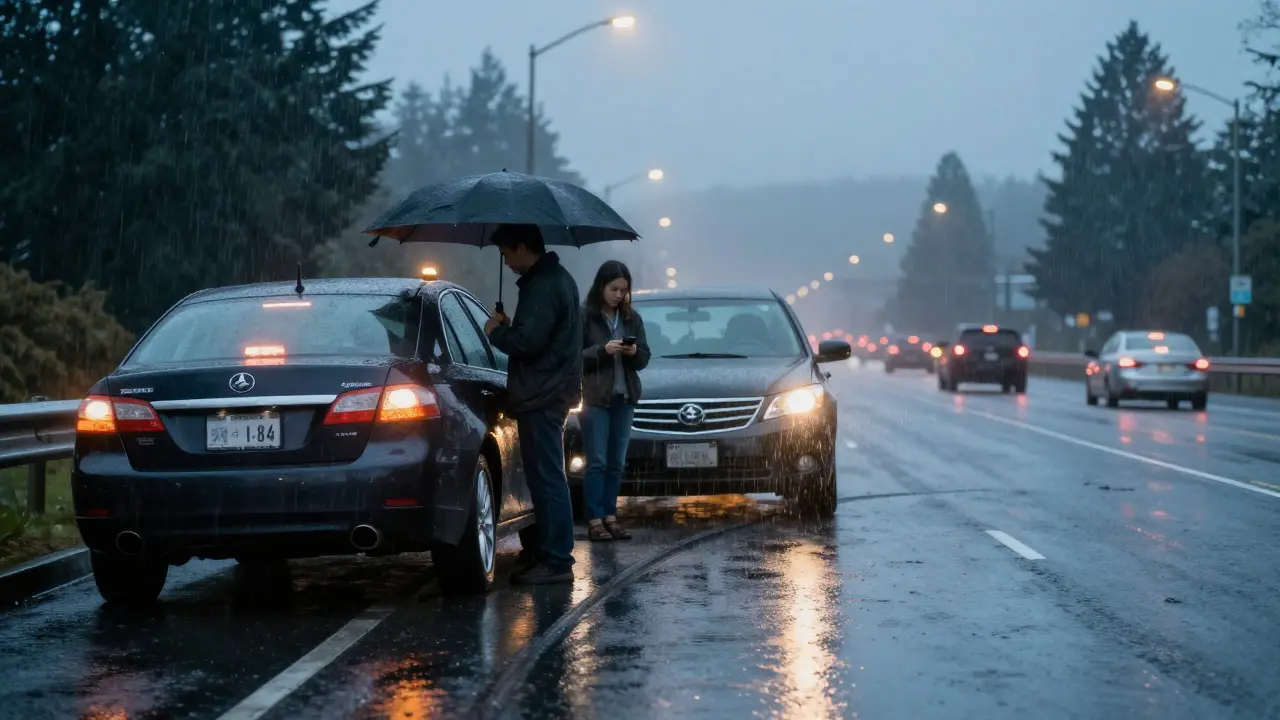
It’s 4:15 PM on a rainy Tuesday in Portland. You’re stuck in traffic on I-84 when the car ahead of you brakes hard. Before you can react, there is a crunch of metal and a cloud of dust. Your heart is pounding, but your phone is already out. What do you actually do next? Most people freeze or panic, leading to mistakes that can cost them thousands later. Knowing the exact car insurance claim process turns chaos into a manageable checklist.
Filing a claim isn't just about getting money; it's about protecting your rights and ensuring you get paid fairly. Whether it was your fault or not, the steps remain largely the same, though the strategy shifts slightly. This guide breaks down every step from the moment of impact to the final check, using real-world examples to keep things clear.
Immediate Actions at the Scene
The first hour after an accident sets the tone for the entire claim. Speed matters here, but so does accuracy. If it is safe, move your vehicle to the shoulder to avoid further collisions. Turn on your hazard lights. If anyone is injured, call 911 immediately. Even if injuries seem minor, wait for paramedics to assess everyone. Their report becomes part of your medical record, which insurers will review later.
Exchange information with the other driver. You need their name, contact details, license number, and policy number. Do not admit fault at the scene. Say "accidents happen" rather than "my bad." Take photos of everything: damage to both cars, tire skid marks, road conditions, traffic signs, and weather. Use your phone’s timestamp feature to prove when the pictures were taken. If there are witnesses, get their names and phone numbers. These small details often become crucial when adjusting the liability percentage.
Gathering Documentation Before Calling
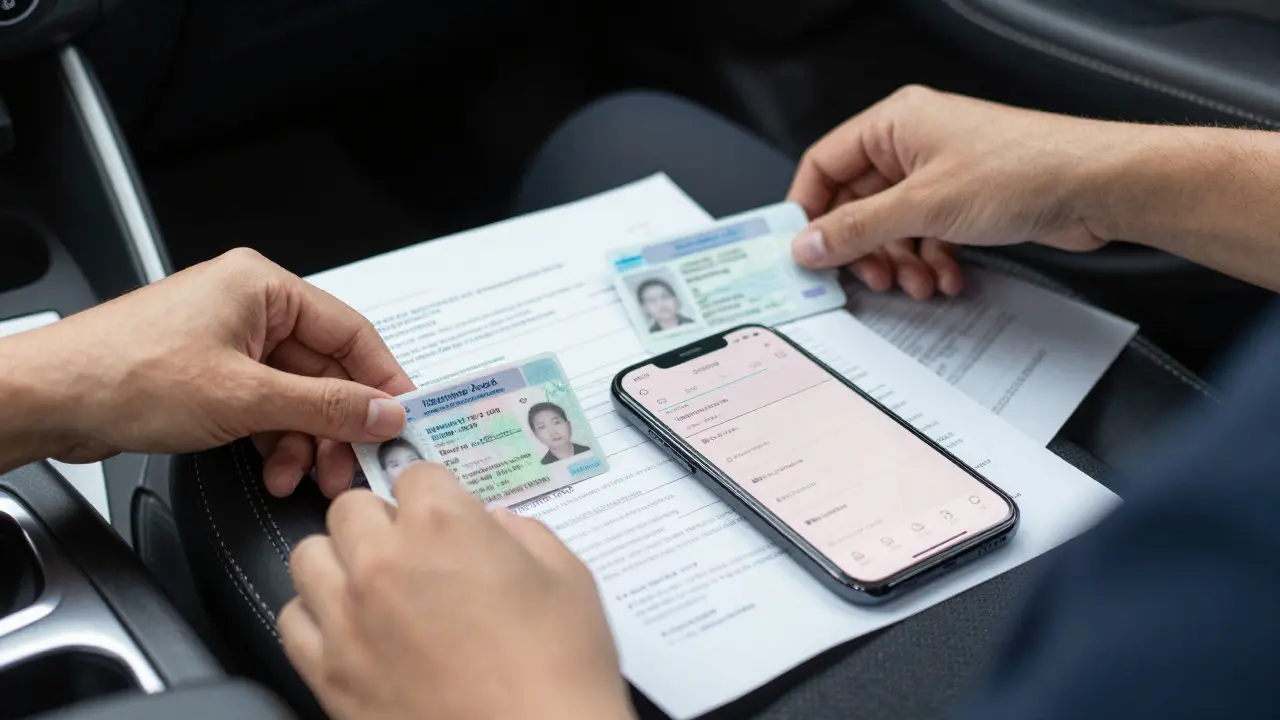
Before you dial your insurance company, gather your physical documents. Have your driver’s license, registration, and insurance card ready. If you have a paper copy of your policy, bring it along. Digital copies work too, but having the specific policy number handy speeds up the verification process. Check your app or website to confirm your coverage limits. For example, if you only have liability coverage and hit a tree, you might not be covered unless you also bought collision coverage. Knowing this upfront prevents surprises during the adjuster’s call.
Write down a brief timeline while your memory is fresh. Note the time, location, speed, and direction of travel. Describe the sequence of events objectively. Avoid emotional language like "reckless" or "careless" in your initial notes; save those words for legal proceedings if needed. Insurers look for consistency between your story, the police report, and witness statements.
Contacting Your Insurance Provider
Call your insurer as soon as possible. Most policies require you to notify them within a reasonable time, often defined as 30 days, but waiting longer weakens your position. When you reach the claims department, provide your policy number and a concise summary of the incident. Ask for the name of the claims representative you will be working with. Write it down. Having a single point of contact reduces confusion and ensures you don’t repeat your story to multiple agents who might interpret details differently.
Ask specifically about the deductible. In 2026, typical deductibles for comprehensive and collision coverage range from $500 to $1,000. Understanding this amount helps you decide if the repair cost is worth claiming. If the damage is less than your deductible, paying out of pocket might be smarter to avoid a potential premium increase. However, if the other party is at fault, you may file a subrogation claim against their insurer, which could offset your deductible later.
The Adjuster Visit and Inspection
An insurance adjuster will assign to your case. Their job is to estimate the cost of repairs and verify coverage. They may visit your car or ask you to take it to a preferred shop. You are not required to use their recommended repair shop, though doing so can sometimes speed up processing. If you choose your own shop, make sure they are licensed and reputable. Get a written estimate from them before the adjuster sees the car. This gives you leverage if their offer seems low.
During the inspection, walk the adjuster around the vehicle. Point out hidden damage, such as frame misalignment or internal engine issues, that aren’t visible from the outside. If you suspect structural damage, request a detailed inspection. Adjusters rely on software like Mitchell or CCC to generate estimates. These programs use standard labor rates and parts costs. Sometimes, these automated estimates underprice complex repairs. If you feel the estimate is too low, ask for a breakdown of the line items. Compare it with your independent mechanic’s quote. Discrepancies over $200 are worth disputing politely but firmly.
Negotiating the Settlement
Once the adjuster provides an offer, you have three choices: accept, reject, or counteroffer. Accepting means signing a release form, which usually waives your right to sue for additional damages related to that specific incident. Rejecting allows you to continue negotiating or seek arbitration. Counteroffering requires evidence. Bring your independent repair estimate, photos of similar repairs, or expert opinions to support your higher number.
Keep communication professional. Emails are best because they create a paper trail. Phone calls should be summarized in a follow-up email. For example, write: "As discussed today, we agreed to meet at $4,500 for front-end repairs, pending final invoice approval." This clarity prevents later disputes. If negotiations stall, consider mediation. Many states, including Oregon, offer free or low-cost mediation services for insurance disputes. It’s faster and cheaper than litigation.

Repairing and Closing the Claim
Once you agree on a settlement, send the car for repairs. Keep all receipts, including taxes and any additional parts discovered during disassembly. Submit these to your insurer if they require proof of completion. After repairs, inspect the work. Test drive the car to ensure no rattles, leaks, or handling issues remain. If something is wrong, go back to the shop immediately. The warranty on insurance-funded repairs typically lasts one year or 12,000 miles, whichever comes first.
After the car is fixed, close the claim formally. Confirm in writing that the file is closed and no further payments are due. Keep all documents for at least three years. In rare cases, latent defects appear months later. Having your records ready makes resolving those issues much easier.
| Claim Type | Coverage Required | Deductible Applies? | Fault Requirement |
|---|---|---|---|
| Collision | Collision Coverage | Yes | Any (including your fault) |
| Comprehensive | Comprehensive Coverage | Yes | No Fault (theft, weather, animals) |
| Bodily Injury | Liability Coverage | No | Your Fault Only |
| Property Damage | Liability Coverage | No | Your Fault Only |
Common Pitfalls to Avoid
Many drivers lose money because of simple mistakes. One big error is accepting the first offer without comparing it to an independent estimate. Another is failing to document pre-existing damage. If your bumper had a scratch before the accident, note it now. Otherwise, the insurer might try to blame new damage on old wear. Also, avoid posting about the accident on social media. Adjusters sometimes browse Facebook or Instagram to find contradicting statements. Keep your personal updates private until the claim is settled.
Finally, don’t ignore deadlines. Statutes of limitations for property damage claims in Oregon are generally two years, but insurers may impose shorter internal deadlines for reporting. Missing these windows can void your coverage. Stay organized, stay calm, and let the facts speak for themselves.
How long does a car insurance claim take to settle?
Simple claims with minor damage often settle within 30 to 45 days. Complex cases involving injuries or disputed liability can take 3 to 6 months. The timeline depends on how quickly you provide documentation and how cooperative the other party is.
Will my insurance rate go up after a claim?
If you are found at fault, your premium may increase by 15% to 30% for three to five years. If the other driver is at fault and you file through their insurer, your rate likely stays the same. Filing a comprehensive claim for non-fault events like hail damage usually doesn’t raise your rate significantly.
Do I need a police report to file a claim?
Not always, but it helps. For minor fender benders, you can file without one. For accidents involving injuries, significant damage, or disputes over fault, a police report adds credibility. Some insurers require a report for claims over $1,000.
Can I choose my own repair shop?
Yes, you have the right to choose any licensed repair facility. Using the insurer’s preferred shop might speed up approval, but your choice ensures quality control. Just make sure the shop agrees to work directly with your insurer for billing.
What happens if the other driver has no insurance?
If you have uninsured motorist coverage, file a claim with your own insurer. If not, you may need to pursue the driver personally through small claims court. In Oregon, minimum liability limits are $25,000 per person and $50,000 per accident, which may not cover major injuries.