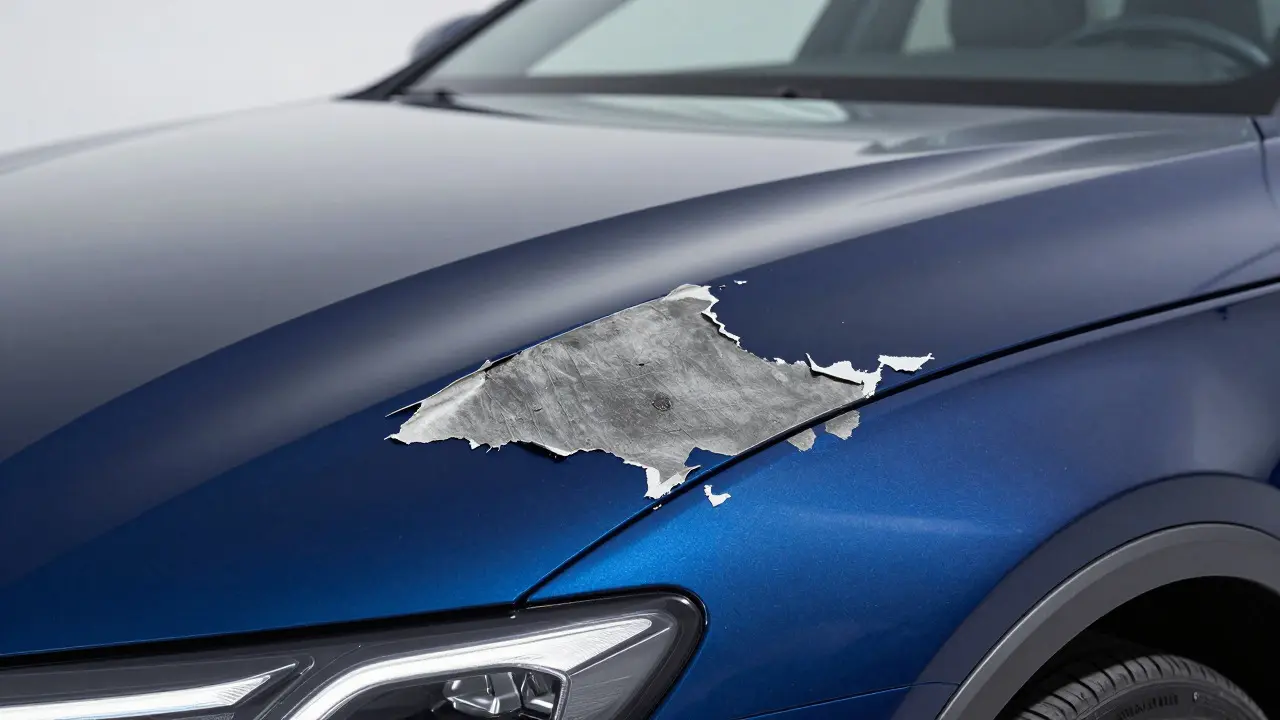
Imagine driving your new car off the lot, only to find a deep scratch or a peeling patch on the hood six months later. You check your owner's manual, but the fine print is confusing. Does the factory cover it? Is it just "cosmetic damage"? Understanding car paint warranty terms is one of the most overlooked parts of vehicle ownership, yet it can save you thousands in unexpected repair bills.
Most drivers assume that if the paint fails, the manufacturer will fix it for free. That’s not always true. The reality is more nuanced. Your coverage depends heavily on whether the defect is a manufacturing flaw or wear-and-tear, and how quickly you file the claim. Let’s break down exactly what is covered, how long you have, and the specific steps to get paid out without fighting the insurance company.
What Actually Counts as a Defect?
Before we talk about timelines, we need to define what the warranty actually protects. A standard OEM Paint Warranty is a guarantee from the vehicle manufacturer that the factory-applied paint system will not fail due to material or workmanship defects during a specified period. This usually covers issues like:
- Peeling or Flaking: Where the top coat lifts away from the primer or metal.
- Bubbling: Trapped air or moisture causing the surface to swell.
- Chalking: The paint turning white and powdery, losing its gloss.
- Fading: Significant color loss compared to adjacent panels (not just sun exposure).
However, this does not typically cover:
- Rock chips and stone impacts.
- Swirl marks from improper washing.
- Damage from bird droppings or tree sap left too long.
- Clear coat oxidation caused by lack of maintenance.
The distinction between "defect" and "wear" is where most claims fail. If the paint is peeling because the primer was applied incorrectly at the factory, that’s a defect. If it’s peeling because you used a harsh chemical cleaner that stripped the clear coat, that’s user error.
Standard Coverage Durations: What to Expect
So, how long do you have? It varies by brand, but there are industry standards. Most major manufacturers offer a basic bumper-to-bumper warranty of 3 years/36,000 miles. Within that window, paint defects are generally covered.
| Manufacturer Category | Typical Duration | Mileage Limit | Coverage Scope |
|---|---|---|---|
| Mass Market (Toyota, Honda) | 3 Years | 36,000 Miles | Material & Workmanship |
| Premium (BMW, Mercedes) | 4 Years | 50,000 Miles | Material & Workmanship |
| Luxury (Lexus, Audi) | 4-5 Years | 50,000-60,000 Miles | Material & Workmanship + Corrosion |
| Electric Vehicles (Tesla, Rivian) | 4 Years | 50,000 Miles | Material & Workmanship |
Note that some brands offer separate "Corrosion Perforation Warranties" that last longer (often 5-10 years), but these usually only cover rust through to the metal, not just cosmetic paint peeling. Always check your specific owner’s manual, as regional differences can apply. For example, vehicles sold in coastal areas might have stricter corrosion clauses.
The Claims Process: Step-by-Step Guide
Filing a claim feels intimidating, but it follows a logical path. Here is how to navigate it effectively.
- Document Everything Immediately. Take high-resolution photos of the defect from multiple angles. Include a photo showing the VIN plate to prove which car it is. Write down when you first noticed the issue and any recent events (e.g., "noticed after detailing session").
- Visit an Authorized Dealer. Do not go to an independent body shop first. The manufacturer needs to inspect the car at an authorized facility to verify the defect. Ask the service advisor to open a "Warranty Claim" ticket specifically for paint failure.
- Get a Preliminary Assessment. The technician will examine the panel. They may use a thickness gauge to see if the paint layers are correct. If they agree it’s a defect, they will submit the claim to the manufacturer’s warranty department.
- Wait for Approval. This is the bottleneck. Manufacturers often take 7-14 business days to approve a claim. During this time, your car may be on a lift. Keep communication open with the dealer.
- Repair and Pickup. Once approved, the dealer performs the repair (usually repainting the affected panel) at no cost to you. You pay nothing unless you choose additional upgrades.
Pro Tip: If the dealer says "it’s just cosmetic," ask them to put that assessment in writing on the estimate. Sometimes, seeing the official rejection triggers a second look from the manufacturer’s regional manager.

Common Reasons Claims Get Rejected
Why do so many people lose their paint warranty battles? Usually, it comes down to three factors:
- Late Filing: You waited until the 3-year mark to report a peel that started at month 28. Insurers argue the defect existed before the expiration date.
- Improper Maintenance: Evidence of using abrasive pads, non-approved cleaners, or neglecting washes can void the claim. Keep receipts for professional detailing if possible.
- Accidental Damage Disguised as Defect: If a scratch looks like a peel, the inspector might classify it as impact damage. High-quality photos help distinguish edge cracks (defect) from center-line scratches (impact).
Extended Warranties vs. Paint Protection Film
If you’re worried about gaps in coverage, consider two options:
1. Extended Vehicle Service Contract (VSC): Some third-party providers offer extended warranties that include paint and glass. However, read the exclusions carefully. Many VSCs exclude "cosmetic damage" entirely, meaning they only cover functional failures. This is rarely worth it solely for paint.
2. Paint Protection Film (PPF): Instead of relying on a warranty, prevent the problem. PPF is a transparent urethane film applied to high-impact zones (hood, fenders, mirrors). It lasts 5-10 years and has its own limited lifetime warranty against yellowing or delamination. For many owners, investing $1,500-$3,000 in PPF is cheaper than fighting a denied claim and paying for a full respray ($500-$1,500 per panel).

How to Strengthen Your Case Before Filing
Before you even walk into the dealership, do these three things:
- Check Your Service History: Ensure all oil changes and inspections were done on schedule. Missed services can give the insurer an excuse to deny the claim.
- Isolate the Panel: If only one door is peeling, note if it’s a driver-side or passenger-side. Environmental factors (sun exposure) affect certain sides more. If the sun-facing side is peeling while the shaded side is fine, it weakens your "manufacturing defect" argument.
- Know Your Rights: In the US, the Magnuson-Moss Warranty Act requires manufacturers to provide a reasonable opportunity to repair under warranty. If they deny the claim, you have the right to request a detailed explanation of why.
Frequently Asked Questions
Does a car paint warranty cover rock chips?
Generally, no. Rock chips are considered accidental damage or normal wear and tear. Unless the chip reveals a manufacturing defect underneath (like poor adhesion), it will likely be billed to you.
What happens if the paint warranty expires the day I notice a defect?
It depends on when the defect occurred. If you can prove the peeling started before the expiration date (via photos or prior inspection notes), you may still qualify. If it’s ambiguous, the manufacturer will likely deny the claim. File immediately upon discovery.
Can I use an independent body shop for warranty repairs?
Usually, no. Most OEM warranties require repairs to be performed at authorized dealerships to ensure proper parts and labor rates are tracked. Using an independent shop might void future warranty claims on other components.
Does ceramic coating void the paint warranty?
Not necessarily, provided the application is done professionally and according to the coating manufacturer’s instructions. However, if the coating traps moisture or reacts chemically with the factory paint, the resulting damage might be deemed user-inflicted rather than a factory defect.
How much does it cost to repaint a single panel out of pocket?
In the US, expect to pay between $500 and $1,500 for a single panel at a reputable body shop. Luxury brands with complex curves or metallic paints can exceed $2,000. This is often less than the hassle of a denied warranty claim if the defect is minor.