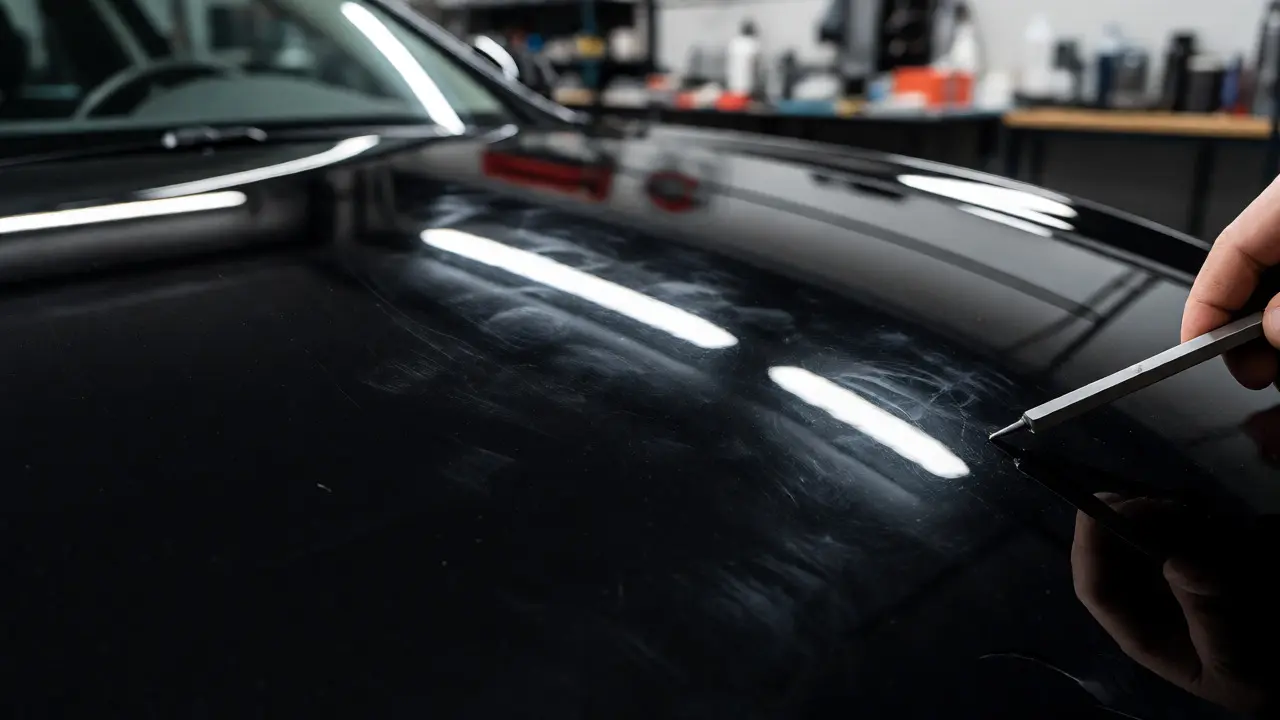
You drive past a showroom new car and think, "Why doesn't my car look like that?" It’s not magic. It’s physics. Factory paint is perfect because it hasn’t met the real world yet. Your car has met gravel, bird droppings, automatic car washes, and UV rays. These elements chew up the clear coat, the transparent layer protecting your color. When this layer gets scratched, light scatters instead of reflecting directly back to your eyes. That dull, hazy look isn't dirt; it's damage. Car polishing services fix this by physically removing a microscopic amount of damaged clear coat to reveal fresh, smooth material underneath.
What Actually Happens During Polishing?
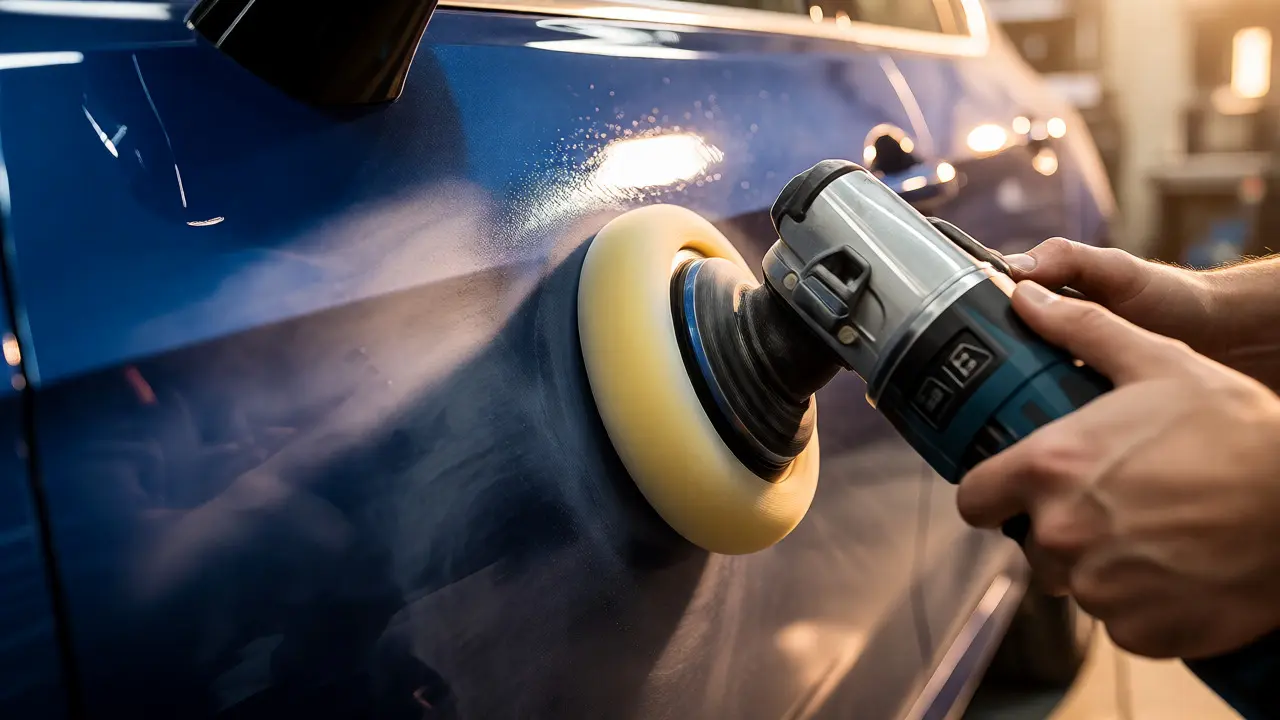
Think of polishing as sanding with extreme precision. You aren't adding shine; you're removing imperfections so shine can return naturally. Professional detailers use machine polishers equipped with foam or wool pads loaded with abrasive compounds. These abrasives cut through the top layer of the clear coat where scratches live. If you have deep scratches, they might need wet sanding first. But most cars just need a two-step process: compounding to remove defects, then polishing to refine the finish.
The goal is optical clarity. A perfectly flat surface reflects light in one direction. A scratched surface reflects light in many directions, making the paint look cloudy. By leveling the surface, we restore that mirror-like reflection. This is why a freshly polished black car looks deeper than a matte white one-black shows every flaw, but when flawless, it offers the highest contrast and depth.
Polishing vs. Waxing: Know the Difference
This is the biggest confusion point for owners. Wax does not remove scratches. Wax sits on top of the paint. It fills in minor imperfections temporarily, giving a quick gloss boost. But if you wax over heavy swirl marks, you’re just putting lipstick on a pig. The scratches are still there under the wax.
Paint correction is the umbrella term for processes like polishing and compounding that alter the paint surface. Once you correct the paint, you protect it. That’s where wax, sealants, or ceramic coatings come in. You polish first to create the canvas. Then you apply protection to keep it clean. Doing it backward wastes money. You’ll be polishing away your expensive wax every time you try to fix a scratch.
| Method | Function | Durability | Best For |
|---|---|---|---|
| Wax | Adds gloss, hydrophobic effect | 1-3 months | New cars, low-mileage daily drivers |
| Synthetic Sealant | Stronger barrier, easier application | 6-12 months | Cars exposed to harsh weather |
| Ceramic Coating | Hard shell, chemical resistance | 2-5 years | Enthusiasts, high-value vehicles |
| Polishing | Removes defects, restores clarity | N/A (Surface change) | Swirls, oxidation, water spots |
Identifying Your Paint Defects
Before you hand over your keys, know what you’re dealing with. Not all flaws are equal. Here’s how to spot them:
- Swirl Marks: Fine, circular scratches visible under direct sunlight or garage lights. Caused by improper washing techniques or automatic brushes.
- Oxidation: Chalky, faded appearance common on older red or white cars. UV rays break down the binder in the clear coat.
- Water Spots: Mineral deposits etched into the clear coat from hard water drying on hot panels. These require acid-based cleaners or aggressive polishing.
- Deep Scratches: If your fingernail catches in the groove, it’s likely through the clear coat. Polishers can’t fix these without risking burn-through.
If your fingernail slides smoothly over a mark, it’s probably just surface contamination or a very fine scratch that polishing will erase instantly. If it catches, manage expectations. A good detailer will tell you honestly which defects are permanent.
The Professional Process Step-by-Step
A quality shop doesn’t just slap a buffer on your hood. They follow a strict protocol to ensure safety and consistency.
- Decontamination: Before touching a polisher, the car must be chemically and mechanically cleaned. Iron removers dissolve brake dust embedded in the paint. Clay bars pull out tar, sap, and overspray. Polishing over contaminants drags grit across the panel, creating new scratches.
- Assessment: The technician uses LED inspection lights to map defects. They measure paint thickness with a gauge. Modern cars often have thin clear coats (30-40 microns). Removing too much can leave you vulnerable later.
- Compounding: Using a rotary or dual-action polisher with cutting pads, they remove the bulk of defects. This step generates heat and friction. Experienced hands monitor panel temperature to prevent burning the edges.
- Polishing: A finer abrasive and softer pad refine the surface. This removes the micro-marring left by the compounding stage, bringing out the true gloss.
- Final Wipe Down: Isopropyl alcohol wipes strip away oily residues from the polishing compounds. This ensures any subsequent protection bonds directly to the clear coat, not to leftover oils.
DIY vs. Professional: Where’s the Line?
Can you do this yourself? Yes. Should you? Depends on your risk tolerance and equipment. Buying a decent orbital polisher costs $150-$300. Pads and compounds add another $50. For a small hatchback, DIY makes financial sense if you enjoy the hobby.
But here’s the catch: human error. Pressing too hard, moving too slow, or using the wrong pad combo can burn through the clear coat. On aluminum panels (common on newer Fords and Teslas), clear coats are thinner and more prone to softening from heat. One mistake can cost hundreds in repainting.
Hire a pro if:
- Your car is leased or has resale value you care about.
- You see multiple layers of previous bad repairs.
- You lack time. A proper full-body correction takes 8-15 hours.
- You want ceramic coating applied afterward. Coatings demand a flawless surface; otherwise, they highlight every remaining defect.
Maintaining Your Shine After Polishing
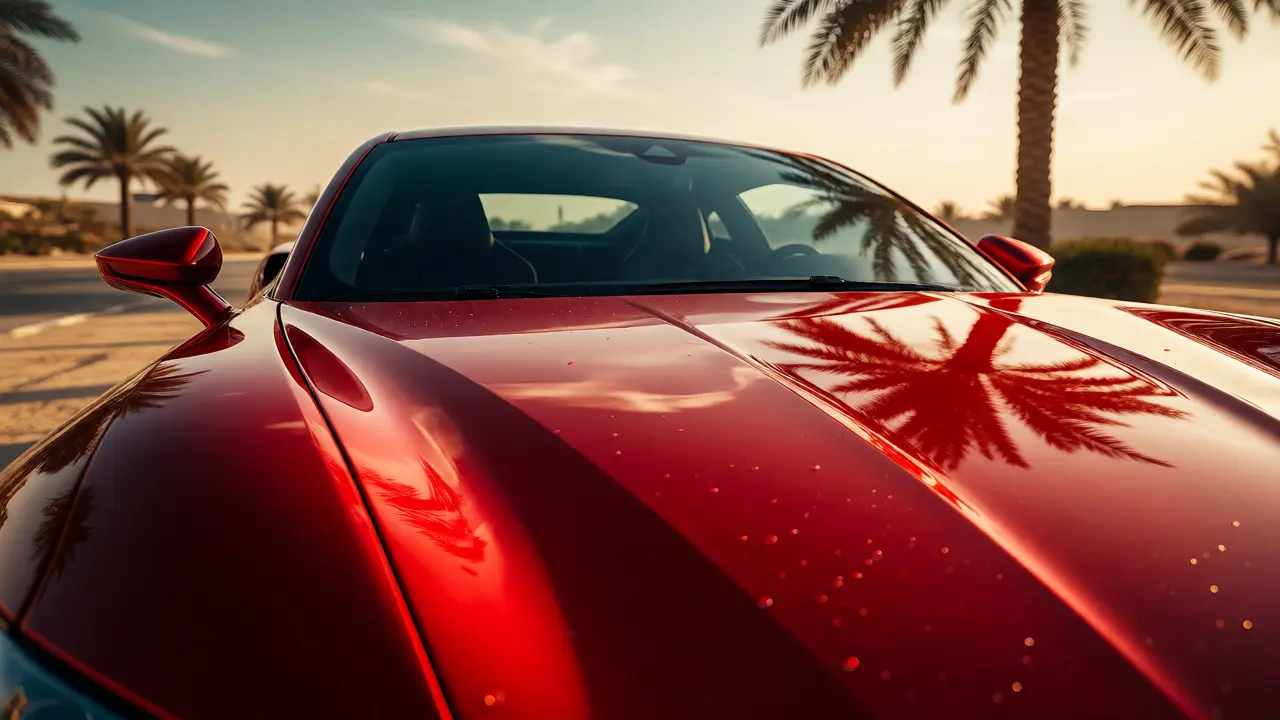
You’ve spent money to make your car look new. Don’t ruin it in six months. The #1 killer of polished paint is improper washing.
Stop using dish soap. It strips protective layers and leaves residue. Use a pH-neutral automotive shampoo. Adopt the "two-bucket method": one bucket for soapy water, one for rinsing your mitt. This keeps grit off your paint. Always wash from top to bottom. Dry with a clean microfiber towel, not an air blower alone, which can leave mineral spots if the water isn’t filtered.
Apply a spray sealant every 3-4 months. This tops up the protection layer without needing a full re-polish. Park in shade whenever possible. UV exposure is the primary cause of clear coat failure over time. If you must park outside, consider a breathable car cover, but only after ensuring the paint is perfectly clean, or you’ll grind dirt into the finish.
Cost Expectations and Red Flags
Pricing varies wildly based on vehicle size and condition. In major US cities, expect to pay $300-$500 for a basic single-stage polish on a sedan. Full multi-stage correction ranges from $800 to $1,500+. Luxury SUVs or large trucks cost more due to surface area.
Beware of "$99 Detail Specials." These usually involve a quick wipe-down and a cheap wax. They rarely include actual mechanical polishing. Ask specific questions: "Do you use a machine polisher?" "How many steps are included?" "Do you decontaminate before polishing?" If they hesitate or say "we just buff it," walk away.
Look for shops that offer guarantees. Reputable detailers stand by their work. If swirls reappear within weeks, something was done incorrectly-likely insufficient removal of defects or poor final cleaning.
Does polishing remove all scratches?
No. Polishing removes scratches contained within the clear coat. If a scratch penetrates the base coat or primer, polishing cannot fix it without excessive clear coat removal. Deep scratches may require touch-up paint or respraying.
How often should I polish my car?
Most experts recommend a full correction every 2-3 years for daily drivers. Frequent polishing thins the clear coat. Between corrections, rely on regular washing and sealant applications to maintain appearance.
Is ceramic coating worth it after polishing?
Yes, if you want long-term ease of maintenance. Ceramic coatings bond to the corrected paint, providing superior hydrophobic properties and chemical resistance compared to wax. However, they do not prevent rock chips or deep scratches.
Can I polish a brand new car?
New cars often have factory swirls from transport and dealership prep. A light "one-step" polish can enhance gloss and prepare the surface for protection. However, avoid aggressive correction unless defects are visible, as you want to preserve as much clear coat as possible.
What causes swirl marks?
Swirl marks are typically caused by automatic car washes with spinning brushes, improper hand washing (using dirty sponges or towels), and wiping dry paint without lubrication. Friction against embedded grit creates these fine circular scratches.