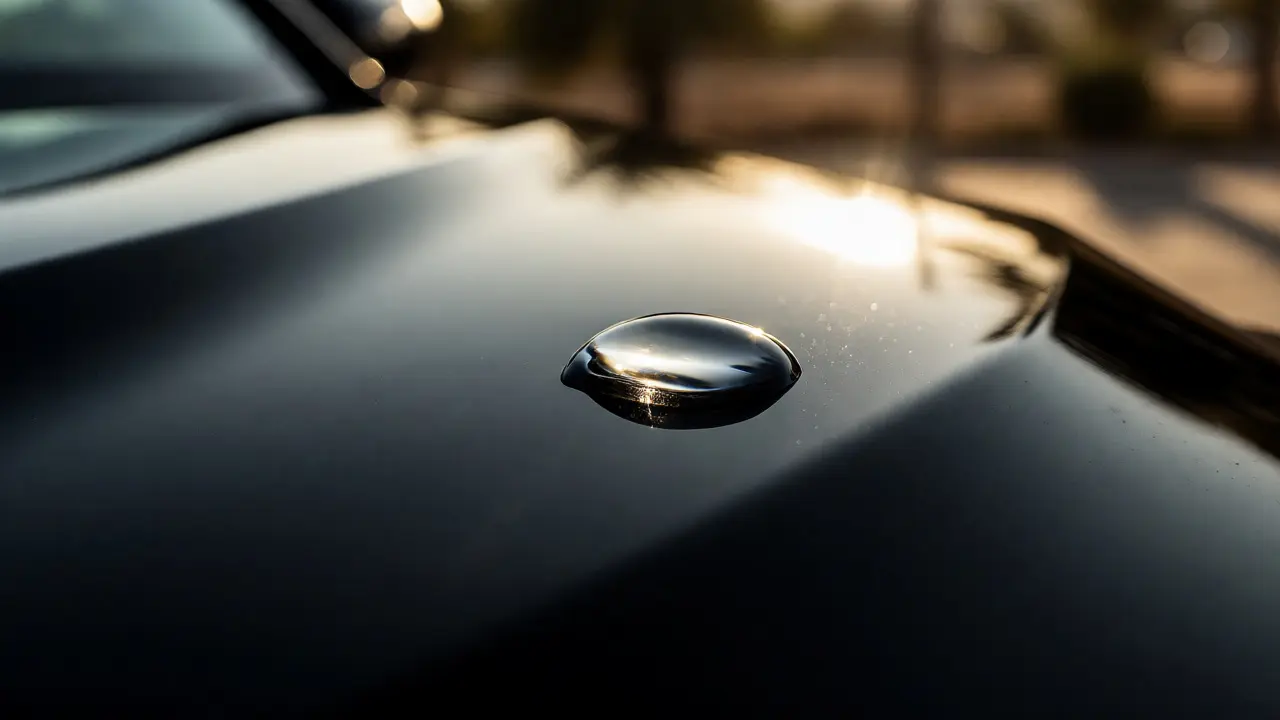
You just spent hours washing your car, drying it with a plush microfiber towel, and now you’re staring at the paint. It’s clean, sure. But is it protected? That shiny, slippery feel you get right after washing fades fast. Within days, water beads flatten out. Dirt sticks again. The sun starts doing its quiet damage. This is where car wax comes in. It’s not just about shine; it’s a sacrificial layer that takes the hit so your clear coat doesn’t have to. But here’s the problem: walk down the automotive aisle, and you’ll see jars of paste, bottles of liquid, sprays, and things labeled "ceramic" or "graphene." They all promise protection. Some last two weeks. Others claim years. Which one actually works for your situation?
I’ve lived in Portland, Oregon, long enough to know that rain isn’t an occasional event-it’s a lifestyle. If you live somewhere wet, sunny, or salty, the wrong wax choice means reapplying constantly or watching your paint degrade. Let’s break down what’s actually going on when you apply wax, what types exist, and how long they really last.
What Car Wax Actually Does
Car wax is a protective coating applied to a vehicle’s exterior paint to shield it from environmental contaminants, UV rays, and minor abrasions while enhancing gloss. Think of it like sunscreen for your car. Without it, ultraviolet light breaks down the binders in your clear coat, causing oxidation-that chalky, faded look old cars get. Wax also creates a hydrophobic surface, meaning water rolls off instead of sitting there and spotting as it dries.
But wax isn’t magic. It doesn’t fix scratches. It doesn’t stop rock chips. And it wears off. Every time you wash your car, every time you drive through a bug splatter storm, every time the sun beats down, the wax layer thins. Understanding this wear cycle is key to choosing the right product.
The Three Main Types of Car Wax
Not all waxes are created equal. In fact, calling everything "wax" is misleading. There are three distinct categories, each with different chemistry, application methods, and lifespans.
Carnauba Wax: The Traditional Choice
Carnauba wax is derived from the leaves of the Copernicia prunifera palm tree, native to Brazil. It’s been used since the early 1900s and remains popular among enthusiasts who love the deep, warm glow it gives dark-colored cars. Carnauba is organic. It melts at around 180°F (82°C), which means it can soften or even disappear in hot climates if you park outside. It typically lasts 4-6 weeks under normal conditions. In harsh weather? Maybe three.
Pros: Deep gloss, natural origin, safe on all paints. Cons: Short lifespan, soft consistency, poor durability against heat and chemicals.
Synthetic Polymer Sealants: The Modern Workhorse
Synthetic polymer sealants are man-made compounds designed to mimic wax but with superior durability. Brands like Meguiar’s Ultimate Liquid Wax or Chemical Guys JetSeal fall into this category. These use polymers that bond tightly to the paint surface, creating a harder, more resilient barrier than carnauba. They usually last 3-6 months. Some premium formulations stretch to nine months if maintained properly.
Pros: Longer lasting, easier application, better resistance to UV and contaminants. Cons: Less "depth" of shine compared to high-end carnauba, can feel plasticky if over-applied.
Ceramic Coatings: The Semi-Permanent Shield
Ceramic coatings aren’t technically waxes. They’re liquid polymers containing silicon dioxide (SiO2) or titanium dioxide that cure into a hard, glass-like layer bonded to the paint. Unlike wax, which sits on top, ceramic coatings chemically bond. Once cured, they don’t wash away easily. A professional-grade ceramic coating can last 2-5 years. Consumer-grade kits like Turtle Wax Hybrid Solutions Ceramic Spray Coating last 6-12 months.
Pros: Extreme durability, superior hydrophobicity, chemical resistance. Cons: Expensive, requires meticulous prep, difficult to remove, false sense of invincibility (it still gets scratched).
| Protection Type | Lifespan | Application Time | Prep Required | Best For |
|---|---|---|---|---|
| Carnauba Wax | 4-6 weeks | 30-60 mins | Wash & Dry | Enthusiasts, show cars, short-term boost |
| Synthetic Sealant | 3-9 months | 20-40 mins | Wash & Dry | Daily drivers, balanced cost/performance |
| Ceramic Coating | 6 months - 5 years | 2-8 hours | Decontamination + Polish | New cars, long-term owners, low maintenance |
How Long Does Wax Really Last?
Marketing claims are optimistic. Real-world durability depends on four factors:
- Climate: Sun and heat degrade wax faster. Rain and road salt eat it away. A car parked in Arizona loses protection quicker than one in Seattle.
- Washing Frequency: Automatic car washes with harsh brushes strip wax in one go. Hand washing with pH-neutral soap preserves it longer.
- Parking Conditions: Garage parking extends life. Outdoor parking exposes the coating to UV and bird droppings, which are acidic and etch through wax quickly.
- Product Quality: Cheap big-box store waxes often contain fillers that wash off immediately. Premium brands invest in stable polymer chains.
In my experience driving daily in Portland’s damp climate, a good synthetic sealant lasts about four months before I notice water beading slowing down. Carnauba? Two months max. Ceramic coatings hold up surprisingly well until month ten, then gradually fade.
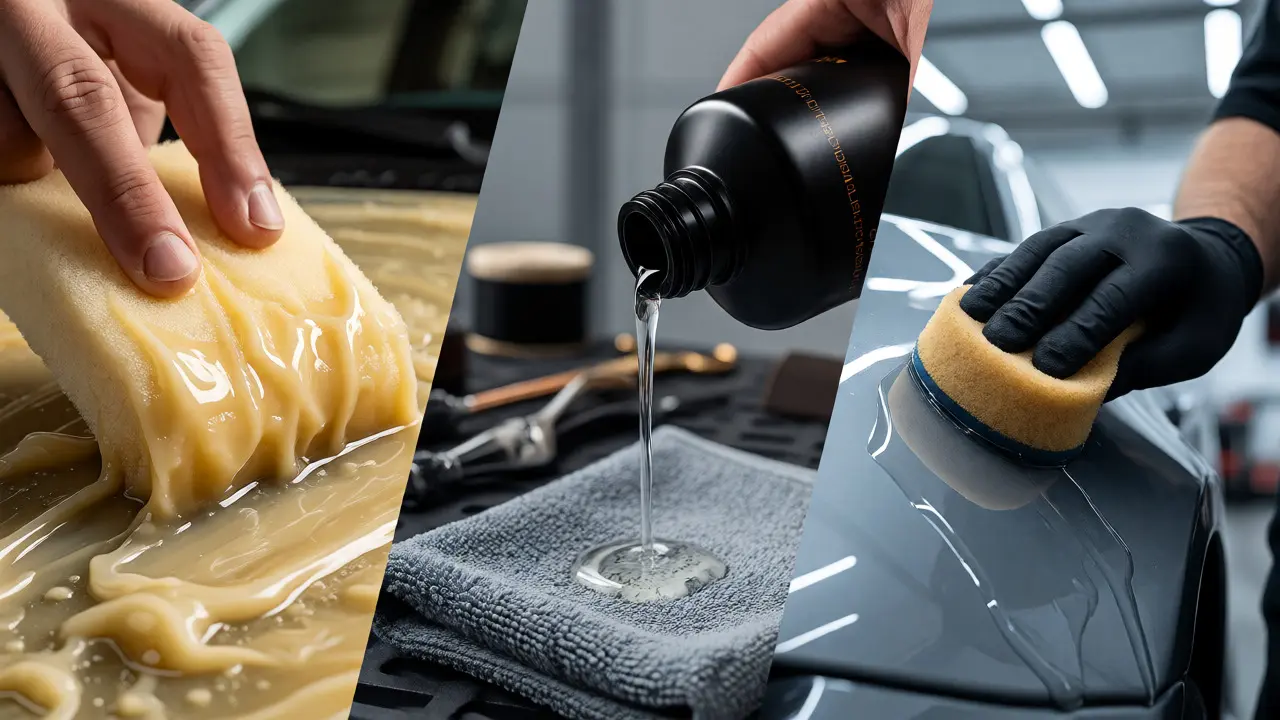
Step-by-Step: Applying Wax Correctly
Most people fail at waxing because they skip prep. You cannot wax dirty paint. Here’s the non-negotiable sequence:
- Wash Thoroughly: Use the two-bucket method with grit guards. Remove all dirt, bugs, and sap.
- Decontaminate: Run a clay bar over the paint. If it feels rough, wax won’t bond evenly. Iron fallout removers help if you see rust spots.
- Dry Completely: Water spots ruin adhesion. Use a blower or multiple towels.
- Apply Thinly: Less is more. Thick layers dry white and waste product. Apply in small sections (2x2 feet).
- Haze Check: Wait until the product turns hazy (usually 5-15 minutes). Don’t let it fully cure unless instructions say so.
- Buff Off: Use a clean, plush microfiber towel. Flip frequently to avoid dragging dried residue.
Pro tip: Do this in shade. Direct sunlight heats the paint, causing wax to dry too fast and leave streaks.
Common Mistakes That Kill Protection
I see these errors constantly in detailing shops:
- Waxing Over Scratches: Wax fills micro-scratches temporarily, making them look gone. Then they reappear after two washes. Fix defects first with polish, then protect.
- Using Old Towels: Grit embedded in towels causes swirl marks. Wash towels separately from laundry.
- Ignoring Wheels: Brake dust is corrosive. Wax wheels too, or use a dedicated wheel sealant.
- Over-Coating: Layering new wax over old, degraded wax creates uneven buildup. Strip old layers periodically with a prep spray.
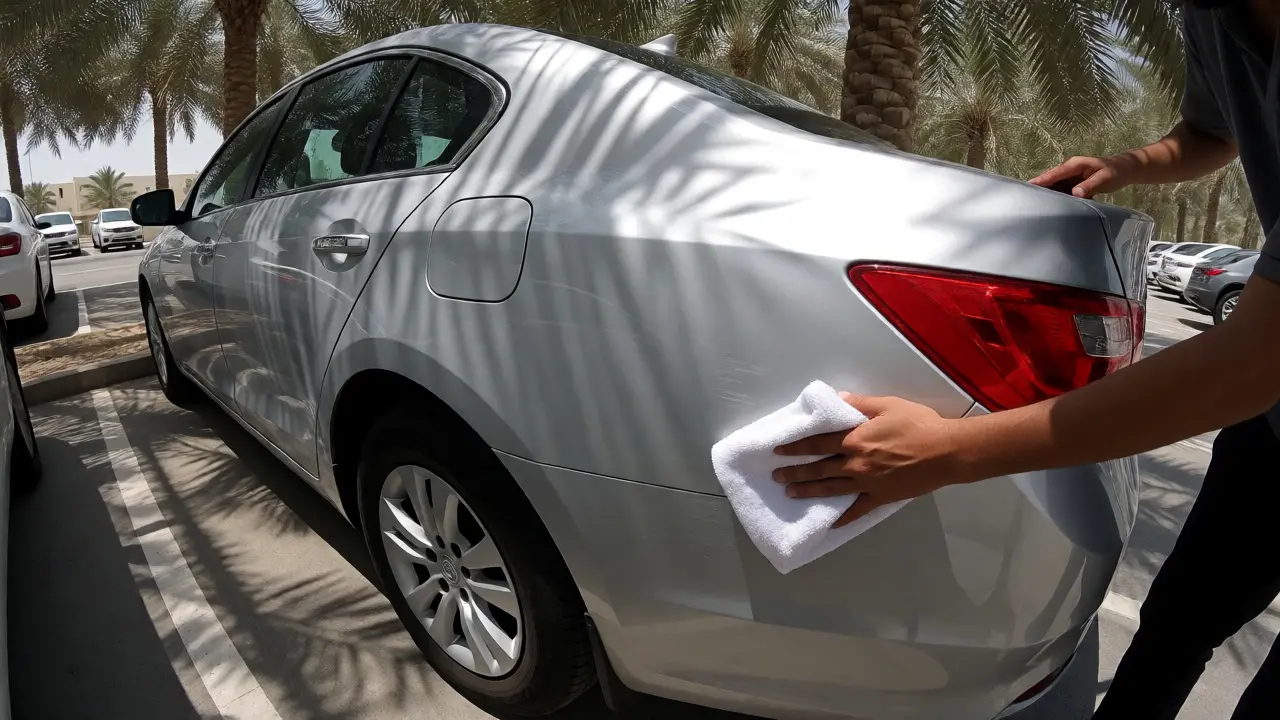
When to Choose What
Still unsure? Match your profile:
- The Weekend Warrior: You enjoy detailing. Buy a high-quality carnauba paste. Enjoy the ritual. Reapply monthly.
- The Daily Driver: You want set-and-forget. Use a synthetic sealant. Reapply twice a year.
- The New Car Owner: You want maximum protection for 2+ years. Invest in a ceramic coating. Budget for professional installation or spend a weekend prepping yourself.
- The Budget-Conscious: Use a hybrid spray wax after every wash. It adds a thin layer of protection cheaply and keeps things looking fresh.
Remember, no product replaces regular washing. Wax protects paint, but it doesn’t keep it clean. Dirt left on wax becomes abrasive sludge that grinds against the coating.
Frequently Asked Questions
Can I apply wax to a brand-new car?
Yes, but wait 30-60 days. New cars often have factory sealants or oils that need to cure. Washing and waxing too soon can interfere with the curing process. After that initial period, applying a synthetic sealant or ceramic coating is highly recommended to preserve that new-car finish.
Is ceramic coating worth it for a daily driver?
It depends on your tolerance for maintenance. Ceramic coatings make washing easier because dirt releases more readily. However, they require proper prep and periodic maintenance sprays. If you hate waxing every few months, yes, it’s worth it. If you don’t mind frequent care, a high-quality sealant offers similar benefits at lower cost.
Does wax protect against scratches?
Minimal protection only. Wax can prevent very fine marring from light contact, but it will not stop keys, shopping carts, or gravel. For physical impact protection, you need Paint Protection Film (PPF), which is a urethane layer applied over the paint.
How do I know when to reapply wax?
The water bead test is best. Wash your car and observe how water behaves on the hood. If beads form tight, round spheres and roll off quickly, protection is intact. If water sheets flat or clings, the wax has worn off and needs renewal.
Can I mix different types of wax?
You can layer products, but compatibility matters. Generally, you can apply a synthetic sealant first, then top with carnauba for extra depth. Avoid layering incompatible solvents. Always check manufacturer guidelines. Mixing random brands without testing can lead to hazing or poor adhesion.