You just dropped your new battery at the shop, paid for the service, and hopped in. You turn the key, hear a click-or maybe nothing at all-and panic sets in. It feels like a scam. But here is the truth: car won’t start after battery change is rarely because the new battery is bad. It is almost always because the car’s computer systems need a moment to wake up or re-learn how to talk to each other.
Your modern vehicle isn’t just a machine; it’s a network of computers. When you disconnect the power source, several modules lose their temporary memory. This includes the Engine Control Unit (ECU), the anti-theft system, and even the infotainment screen. If these don’t sync back up correctly, the engine stays locked out. Let’s walk through exactly what is happening under the hood and how to fix it without calling a tow truck.
The Immediate "Wake Up" Phase
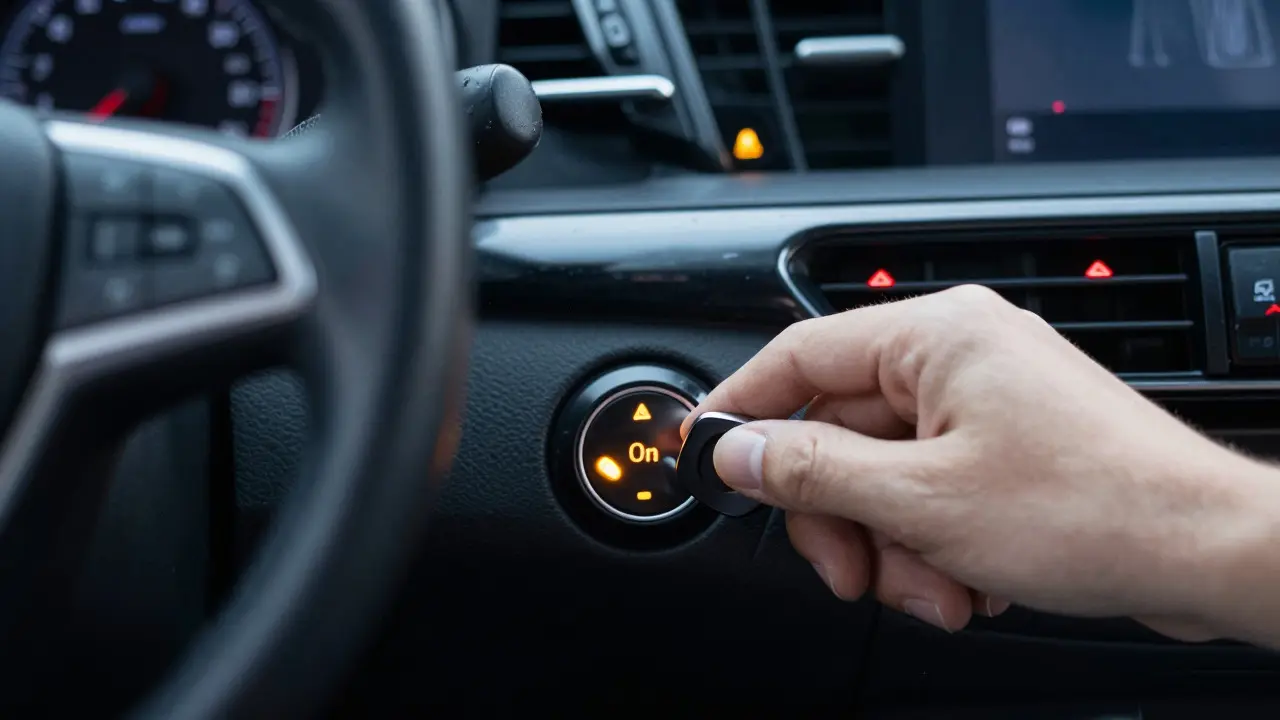
Before you worry about complex coding, give the system time to stabilize. When a technician installs a new battery, they often tighten the terminals quickly. Sometimes, there is a slight voltage drop during this process that triggers a safety shutdown. The first thing you should do is wait. Not minutes, but seconds. Turn the ignition to the "On" position (where the dashboard lights come on) without starting the engine. Wait ten seconds. Turn it off. Repeat this three times. This forces the ECU to run its self-diagnostic checks and reset the fuel pressure pump primers.
If you have a push-button start, simply press the brake and hit the button twice to cycle the power. Many drivers skip this step because they are eager to drive. But if the fuel pump hasn’t built up enough pressure, the engine will crank slowly or not at all. Cycling the ignition lets the pump build that necessary pressure. If the car starts after this, you are good to go. If not, move to the next layer.
Immobilizer and Key Fob Re-Pairing
This is the most common reason for a silent no-start. Your car has an immobilizer system-a digital lock that prevents the engine from running unless it recognizes your specific transponder chip inside your key fob. When the battery dies, the communication between the key and the car can get confused. The car thinks the key is lost or stolen, so it cuts the fuel injectors or spark plugs.
To fix this, you usually need to perform a simple re-sync. For many European and Asian brands, the procedure looks like this:
- Insert the key into the ignition.
- Turn the key to the "On" position and leave it there for 10 seconds.
- Turn the key off and remove it.
- Repeat steps 2 and 3 three more times.
- On the final cycle, leave the key in the "On" position until the dashboard warning light (usually a red key icon) turns off.
If you use a smart key (push-to-start), place the key directly against the steering column or the center console where the sensor is located. Some cars require you to hold the key near the brake pedal sensor. Check your owner’s manual for the exact "emergency start" location. If the immobilizer light stays solid red, the key might be dead, not the car. Swap in a spare key if you have one to test this theory.
Fuse Box and Connection Integrity
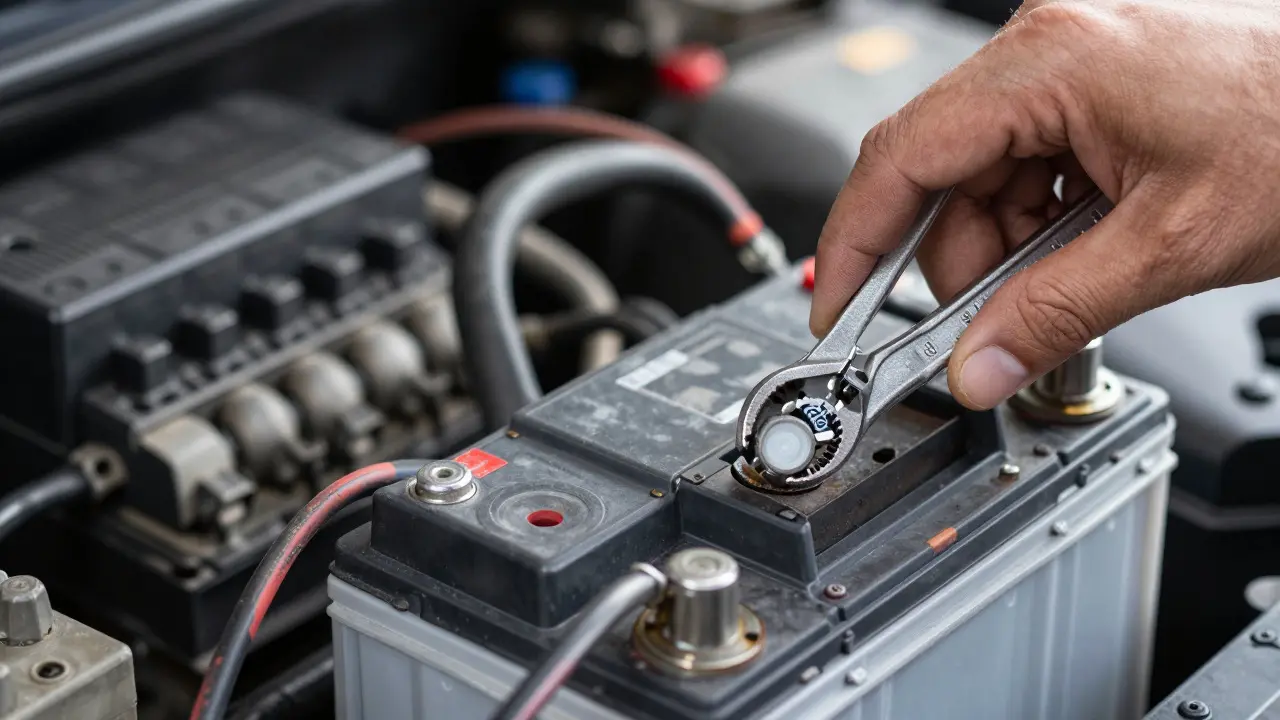
It sounds basic, but let’s double-check the physical connections. A new battery comes with fresh terminals, but sometimes the negative cable clamp doesn’t sit perfectly flat, creating a high-resistance connection. This causes voltage drops that confuse sensitive electronics. Open the hood and wiggle the clamps. They should feel snug. If they spin freely, tighten them with a wrench. Also, inspect the positive terminal for any white or blue corrosion that might have migrated from the old battery before it was removed.
Next, check the main fuses. There are two critical spots: the engine bay fuse box and the cabin fuse box (usually under the dashboard on the driver’s side). Look for the large fuses labeled "Main," "ECU," or "Ignition." If one is blown, the car will have power for lights and radio but no engine start. Blown fuses often look melted in the middle. If you see a broken wire inside the glass tube, replace it with one of the same amperage rating. Never use a higher amp fuse, as this can cause electrical fires.
ECU Memory Loss and Adaptation Resets
When the battery is disconnected, the ECU loses its learned adaptation values. These are small adjustments the computer makes to compensate for wear, carbon buildup, or fuel quality over time. Without these settings, the car may run rough, stall immediately after starting, or idle erratically. In some cases, it won’t start at all because the fuel trim values are too far off.
You don’t need a mechanic to fix this. Most modern cars have a "drive cycle" that resets these adaptations automatically. Here is how to trigger it:
- Start the car (if it cranks).
- Drive gently for 10-15 minutes, varying your speed between 20 mph and 60 mph.
- Use both gas and brake pedals lightly to let the ECU learn throttle response.
- Let the car cool down completely overnight.
If the car starts but runs poorly, this drive cycle is your solution. The ECU will re-calculate the air-fuel mixture within 50 miles of normal driving. During this period, expect slightly higher fuel consumption and a less smooth idle. It is temporary.
Infotainment and Accessory Lockouts
Did your radio ask for a security code? Did your clock reset to 12:00? These are signs that the accessory memory was wiped. While this doesn’t stop the engine, it can interfere with starter circuits in some older models where the audio head unit shares a ground line with the ignition switch. Enter the code from your owner’s manual or the sticker on the dash. If the screen remains blank or flickers, the backup fuse for the infotainment system might be blown. This is a minor issue but worth fixing to prevent future glitches.
| Symptom | Likely Cause | Quick Fix |
|---|---|---|
| No sound, no lights | Loose terminal or blown main fuse | Tighten clamps, check main fuse |
| Crank only, no start | Low fuel pressure or ECU reset needed | Cycle ignition 3x, drive cycle |
| Red key light on dash | Immobilizer mismatch | Re-pair key fob per manual |
| Rough idle after start | ECU adaptation loss | Drive 10-15 mins gently |
When to Call a Professional
If you have checked the terminals, cycled the ignition, re-paired the key, and driven the car for 15 minutes with no luck, it’s time to scan for codes. A DIY OBD-II scanner costs less than $30 and can tell you if the ECU is throwing a hard fault code. Codes like P0300 (random misfire) or U0100 (lost communication with ECU) indicate deeper issues that a shop can diagnose with specialized software. Don’t guess. Data beats speculation every time.
Also, consider the age of your car. If it’s over 10 years old, the battery posts might be corroded internally, preventing a good connection even with a new battery. A professional can clean the posts or replace the cables if needed. This is a cheap fix compared to replacing the entire battery again.
Preventing Future Headaches
Next time you replace your battery, ask the technician to perform a "battery registration" if your car requires it. Many luxury and hybrid vehicles need the new battery capacity programmed into the body control module. Without this, the charging system might overcharge or undercharge the new battery, leading to early failure. It takes five minutes with a diagnostic tool and saves you hundreds later.
Keep a jump pack in your trunk. Even with a new battery, a parasitic drain from a faulty module can kill it overnight. A compact lithium jump pack weighs less than a bottle of water and can save your day when the electronics decide to act up again.
How long does it take for a car to reset after a battery change?
Most basic systems reset within 10 minutes of cycling the ignition. However, full ECU adaptation and fuel trim learning can take up to 50 miles of normal driving. The car may run rough during this period, which is normal.
Will my car alarm keep going off after a battery replacement?
Yes, it is common. The alarm system loses power and may think it was triggered. Use your key fob to disarm it. If it won’t stop, disconnect the negative terminal for 30 seconds to force a system reboot, then reconnect and re-arm.
Do I need to reset the clock and radio code?
You must enter the radio security code to unlock the audio system. The clock will reset to 12:00 and needs manual adjustment. These are separate from engine start issues but part of the same power-loss event.
What if the car cranks but won’t start?
This usually means the engine is turning but not getting fuel or spark. Cycle the ignition to prime the fuel pump. If that fails, check the immobilizer light. If the red key icon is on, re-pair your key. If no light, scan for fuel injector or ignition coil codes.
Is it safe to drive if the car starts but idles roughly?
Yes, it is generally safe for short distances. The rough idle is due to the ECU recalibrating. Avoid heavy acceleration or towing until the adaptation cycle is complete (about 15 minutes of gentle driving). If the check engine light stays on after 50 miles, get it scanned.