Washing a car with a ceramic coating isn’t the same as washing a regular painted vehicle. If you treat it like any other car, you’ll slowly strip away the protection you paid for. A ceramic coating isn’t just a shiny layer-it’s a durable, chemically bonded shield that keeps your paint safe from UV rays, bird droppings, tree sap, and road grime. But that shield only lasts as long as you care for it right. Mess up the wash, and you could be looking at dull spots, water spots, or even permanent damage. The good news? With the right approach, you can keep that glass-like shine and water-beading performance for years.
When to Wash Your Ceramic-Coated Car
Most experts agree: wash your ceramic-coated car every 1 to 2 weeks. That’s not overkill-it’s prevention. If you drive daily, especially on roads with salt, dust, or pollen, washing twice a week keeps contaminants from sticking and bonding to the surface. If you park in a garage and drive less, every 2 to 4 weeks is fine. But don’t wait until it looks dirty. Dirt and grime don’t just sit there-they start eating into the coating over time. Bird droppings, tree sap, and insect residue are especially dangerous. They’re acidic or sticky, and if left for more than a day or two, they can etch through the coating or leave permanent stains. If you notice any of these, wash immediately. Don’t wait for your scheduled wash day.
And here’s a hard rule: never wash within the first two weeks after the coating is applied. That’s the curing window. The chemical bond between the coating and your paint is still forming. Washing too soon can weaken or even ruin the bond. Wait. Even if it looks dusty. Let it cure.
What You Can’t Use: The Big Don’ts
Not all car shampoos are created equal. In fact, most of the ones you find at gas stations or big-box stores will destroy your ceramic coating. Avoid anything that’s not labeled pH-neutral. That means no dish soap, no household cleaners, no “all-in-one” wash and wax products. Even if it says “safe for paint,” it might still contain wax, petroleum distillates, or harsh surfactants that strip the coating.
Here’s a quick list of what to never use:
- Dish soap (like Dawn or Palmolive)
- Automotive shampoos with wax or sealant
- Strong degreasers or tire cleaners on painted surfaces
- Household cleaners (all-purpose sprays, glass cleaners, vinegar solutions)
- Any product labeled “shine enhancer,” “glaze,” or “instant wax” unless it’s certified ceramic-safe
These products either break down the SiO₂ (silicon dioxide) in the coating or leave behind oily residues that attract dirt. Over time, they make your coating look dull, sticky, or patchy. And once that happens, no amount of washing will bring it back-you’ll need professional restoration.
What You Should Use: The Right Products
Stick to shampoos made specifically for ceramic coatings. These are pH-neutral, non-abrasive, and often contain light SiO₂ or silica additives that actually reinforce the coating with each wash. Brands like Americana Global Ceramic Aftercare Soap and HydroSuds High Gloss Hyper Foaming SiO2 Ceramic Car Wash Soap are designed for this exact purpose. They clean without stripping, and some even add a tiny boost to water beading.
Don’t assume “ceramic-safe” means the same thing everywhere. Always check the label. Look for these keywords:
- “pH-neutral”
- “no wax”
- “SiO₂-enhanced”
- “designed for ceramic coatings”
And skip the fancy sprays at the car wash. Those “instant shine” boosters? They’re full of silicones and polymers that build up over time. That buildup traps dirt, dulls the surface, and makes future cleaning harder. If you want to refresh the coating between washes, use a ceramic detail spray-like Americana Global Detail Spray-that’s meant for maintenance, not masking.
The Two-Bucket Method: Non-Negotiable
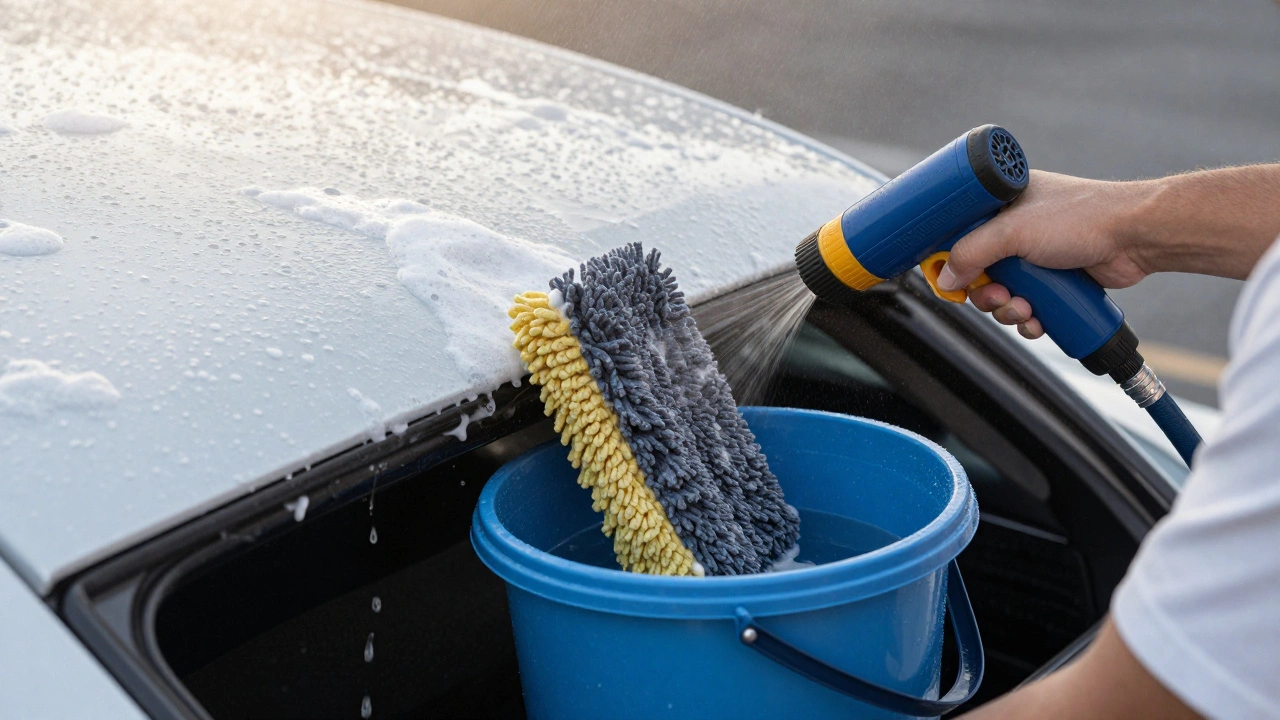
This isn’t optional. It’s the single most important technique for protecting your coating. The two-bucket method prevents dirt from scratching the paint. One bucket holds soapy water. The other holds clean water with a grit guard (a plastic insert with ridges that traps dirt). You dip your wash mitt in the soapy bucket, wash a section, then rinse the mitt in the clean bucket before going back to the soap. That way, grit never gets dragged across the surface.
Why does this matter? Even a single grain of sand can leave a swirl mark on a ceramic coating. And once it’s there, it’s permanent. A regular sponge or single-bucket wash just pushes dirt around. The two-bucket system lifts it away. Use a high-quality microfiber wash mitt, not a sponge. Sponges hold grit and scratch easily. Microfiber lifts it gently.
Start at the top-roof, then windows, then sides, then wheels. Wash one panel at a time. Rinse it immediately with clean water before moving to the next. This stops soap from drying on the surface, which leaves streaks and residue.
Washing Environment Matters
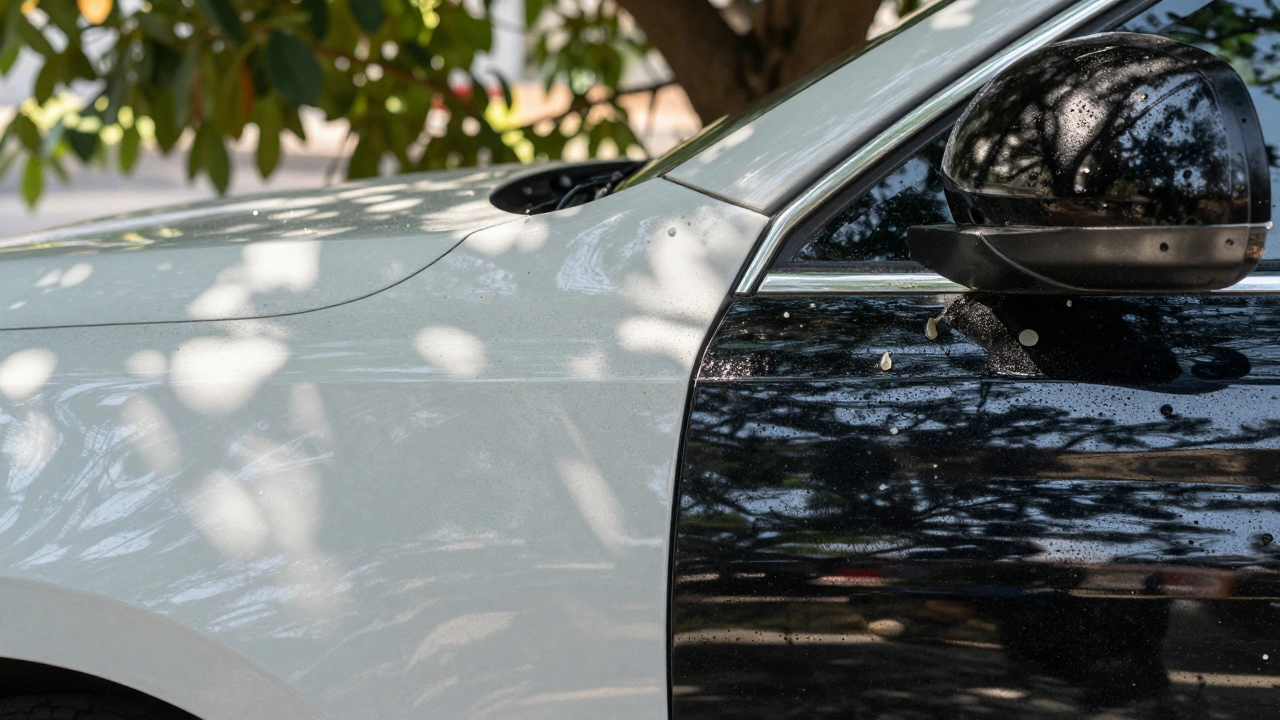
Never wash your car in direct sunlight. Hot surfaces cause soap and water to dry too fast. That leaves mineral deposits, streaks, and water spots-even if you rinse well. Wash in the shade, or early in the morning before the sun heats up the paint. Late afternoon works too, as long as the car isn’t still warm from driving.
Water temperature is just as critical. Use cool or lukewarm water-never hot. High heat can soften the coating and make it more vulnerable to abrasion. It can also warp plastic trim or damage rubber seals. Cold water is fine, especially in winter. Just don’t use boiling water from a hose or pressure washer.
And avoid washing on gravel, dirt, or uneven ground. Dust and debris kick up and stick to wet panels. Wash on concrete or asphalt, where you can control the environment.
Foam Cannon: Use It Right
A foam cannon is a great tool for pre-washing. It loosens dirt before you touch the car with a mitt. But only if you use the right foam. The soap must be pH-neutral and ceramic-safe. Dilute it properly-too thick, and it won’t rinse clean. Too thin, and it won’t lift dirt.
Apply foam from the top down. Let it sit for 2 to 5 minutes. Don’t let it dry. Then rinse thoroughly with low-pressure water. Start at the roof and work down. High-pressure water can force dirt into the coating or damage trim. After foam, still do a full two-bucket wash. Foam is a pre-clean, not a replacement.
Drying: Skip the Chamois
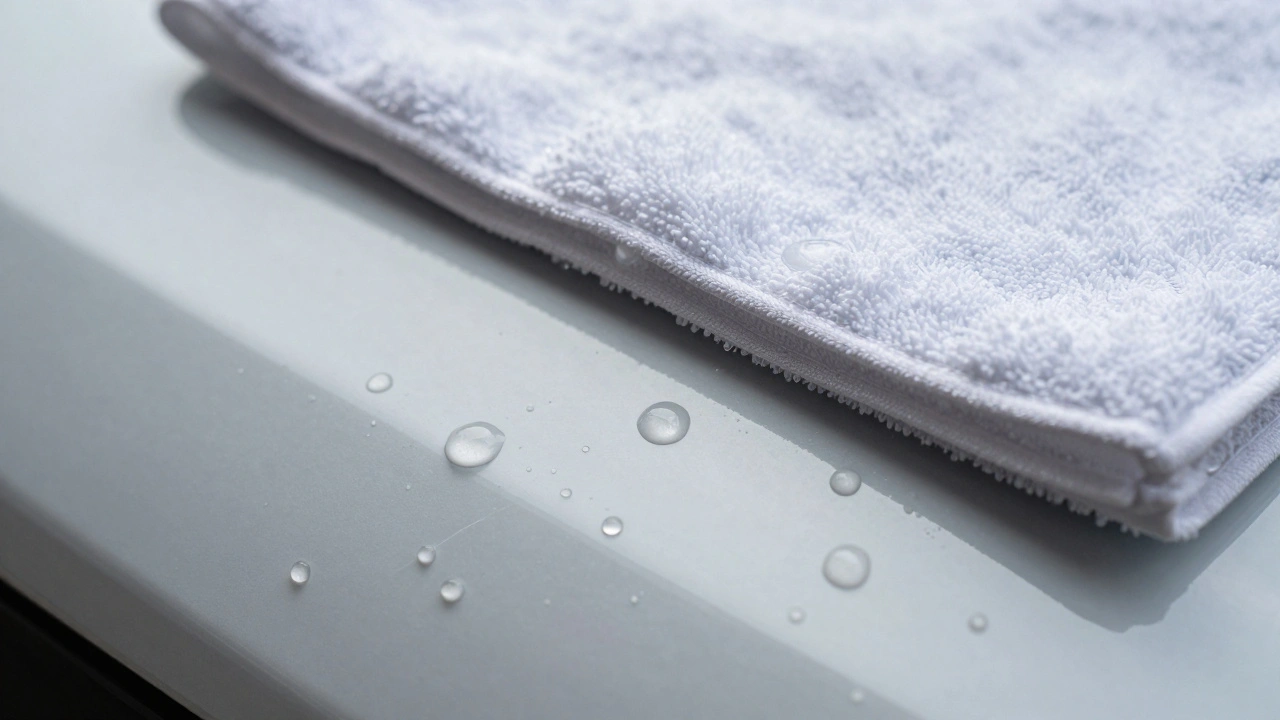
After rinsing, dry with plush, high-quality microfiber towels. Not bath towels. Not chamois. Not paper towels. Chamois traps dirt and can scratch. Bath towels are too thick and abrasive. You need fine, lint-free microfiber-ideally one designed for detailing. Use a clean towel for each section. Fold it often to expose fresh fibers.
Dry with gentle blotting and light dragging motions. Don’t rub hard. Don’t swirl. Just glide. If you see water spots, they’re probably from hard water. Use distilled water in your rinse bucket if you live in an area with heavy mineral content.
What You Absolutely Must Avoid
Automatic car washes? Avoid them. Especially tunnel washes with brushes. Even the softest brushes can leave swirls on a ceramic coating. Touchless washes are safer-but only if they use pH-neutral soap. Many still use wax or polymer sprays afterward. Always ask what products they use. If they can’t tell you, walk away.
Never apply wax or sealant over ceramic coating. It doesn’t add protection-it just muddies the surface. Ceramic coatings are designed to be the final layer. Wax sits on top and breaks down faster, trapping dirt and reducing clarity.
Parking under trees? Bad idea. Sap, pollen, and leaves are constant threats. If you must park under trees, use a car cover. Or move the car weekly. Sap can burn through coating in hours if left uncleaned.
Keeping It Fresh Between Washes
Between washes, use a ceramic detail spray. It’s a quick way to refresh water beading and add light protection. Spray it on a microfiber towel, then wipe lightly over the surface. No need to rinse. It’s safe to use weekly. You can also use a ceramic booster spray every 2-3 months to restore the hydrophobic effect. These are designed to bond with the existing coating, not replace it.
If you notice water isn’t beading like it used to, don’t panic. It doesn’t mean the coating is gone. It just means contaminants are building up. A proper wash with a ceramic-safe shampoo will restore it. If it doesn’t, you might need a clay bar treatment (with lubricant) to remove bonded contaminants, followed by a booster spray.
What Happens If You Ignore Maintenance?
Think of your ceramic coating like a high-end watch. You wouldn’t soak it in water every day or use a toothbrush to clean it. Same logic applies here. If you wash with harsh soaps, skip the two-bucket method, or leave bird droppings on for days, the coating will slowly lose its hydrophobic properties. Water will start sheeting instead of beading. The gloss will dull. And eventually, contaminants will bond to the paint underneath.
That’s when you need professional restoration-clay barring, polishing, reapplying the coating. It costs hundreds of dollars. And it’s entirely avoidable.
Simple, consistent care is all it takes. Wash every 1-2 weeks. Use the right soap. Rinse properly. Dry gently. Avoid the sun. Skip the automatics. That’s it. No magic products. No expensive gadgets. Just discipline.
Can I use a pressure washer on my ceramic-coated car?
Yes, but only with low pressure (under 1500 PSI) and at least 12 inches away from the surface. Never use a narrow nozzle or direct spray at edges, trim, or paint seams. High pressure can force water under the coating or damage seals. Use pressure only for rinsing after foam or pre-wash. Always follow with a two-bucket hand wash.
How often should I use a ceramic booster spray?
Every 2 to 3 months is ideal. Boosters don’t add thickness-they reactivate the existing coating’s hydrophobic properties. If you wash weekly and avoid contaminants, you might stretch it to 4 months. If you drive in harsh conditions (salt, sand, pollution), use it every 6 weeks. Always apply on a clean, dry surface.
Is it okay to wash my car in the rain?
No. Rainwater isn’t pure-it picks up pollutants, dust, and minerals from the air. When it dries on your coating, it leaves hard water spots and stains. Even light rain can cause damage if the surface isn’t dried immediately. If your car gets rained on, rinse and dry it as soon as possible with a microfiber towel.
Can I use a ceramic coating on a brand-new car?
Yes, but only after the factory paint has fully cured. Most manufacturers recommend waiting 30 days after delivery before applying any coating. This ensures the paint has outgassed solvents and settled. Applying too soon can trap chemicals under the coating, leading to clouding or peeling later.
What’s the difference between a ceramic coating and paint sealant?
A paint sealant is a synthetic polymer that sits on top of the paint and lasts 3-6 months. A ceramic coating is a silica-based layer that chemically bonds to the paint and lasts 2-5 years. Sealants are easier to apply but wear faster. Coatings require professional application but offer far superior durability, gloss, and chemical resistance.