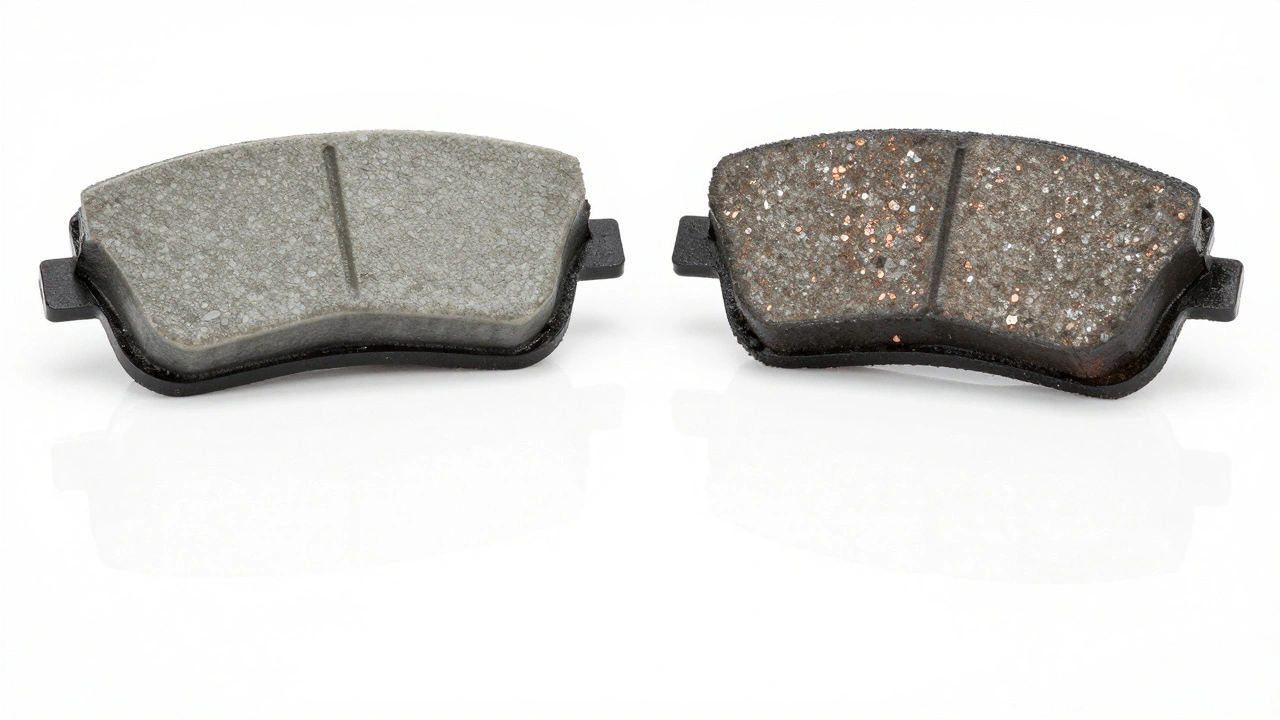
You're at the auto parts store or talking to your mechanic, and they ask the million-dollar question: "Do you want ceramic or semi-metallic pads?" If you aren't a gearhead, this feels like a trick question. Why does it matter what the pads are made of as long as the car stops? Well, it matters a lot. Picking the wrong material can lead to annoying squeals, wheels covered in black soot, or-in worst-case scenarios-brakes that fade just when you need them most on a steep mountain descent.
The truth is, there isn't a single "best" pad. There is only the best pad for ceramic brake pads and your specific driving habits. Whether you're hauling a trailer across the state or just commuting to an office in city traffic, the material in your brake pads changes how your car feels, sounds, and wears down over time.
The Breakdown: What Exactly Are They?
Before we get into the pros and cons, let's look at what these things actually are. Imagine the difference between a hard plastic tool and a piece of reinforced steel; that's the vibe here.
Ceramic Brake Pads are composed of dense ceramic fibers mixed with fine copper. Think of it like a high-tech version of pottery. Because they aren't mostly metal, they don't grind against your rotors with the same aggression. They were developed in the mid-80s to prioritize comfort and longevity for the average driver.
Semi-Metallic Brake Pads are a different beast. They consist of 30% to 70% metal, typically a blend of steel, copper, and iron, mixed with graphite lubricants. These are designed for raw power. They aren't trying to be quiet; they're trying to grab the rotor and stop the car as fast as humanly possible.
Ceramic Pads: The Smooth Operator
If you drive a sedan or a small SUV and your biggest concern is a quiet ride, ceramics are your best bet. They are the "premium" choice for a reason. The biggest win here is the noise-or lack thereof. Because the material is less abrasive, you don't get that piercing screech during a cold start in the morning.
Then there's the dust. We've all seen those fancy alloy wheels that turn charcoal gray after a week of driving. That's usually caused by metallic pads. Ceramics produce a much lighter-colored dust that doesn't stick to the rims nearly as much, meaning you spend less time scrubbing your wheels.
From a financial perspective, you pay more upfront. The manufacturing process for ceramics is more complex, making them the most expensive option on the shelf. However, they are gentler on your brake rotors. Since the pads aren't "eating" the metal of the rotor, your discs last significantly longer, which can save you money on the next brake job.

Semi-Metallic Pads: The Heavy Hitters
Now, let's talk about the workhorses. If you're towing a boat, driving a heavy cargo van, or you just have a "lead foot" and drive aggressively, semi-metallics are the way to go. Their main superpower is heat management. Metal conducts heat far better than ceramic does. When you're braking hard and repeatedly-like coming down a long hill-semi-metallics pull the heat away from the braking surface, which prevents "brake fade" (that scary feeling where the pedal gets mushy and the car doesn't slow down).
They also have a much sharper "bite." When you hit the pedal, the response is immediate. This makes them a favorite for performance driving and cold-weather climates. In freezing temperatures, ceramics can sometimes take a while to "warm up" to full effectiveness, whereas semi-metallics are ready to grab the moment you touch the pedal.
The trade-off? They're loud. And they're messy. You'll notice more brake dust on your rims, and you're more likely to hear a squeal when you stop at a red light. Also, because they are so aggressive, they wear down your rotors faster. It's a classic trade-off: more stopping power in exchange for more wear and tear.
| Feature | Ceramic Pads | Semi-Metallic Pads |
|---|---|---|
| Stopping Power | Good (Standard) | Excellent (High) |
| Noise Level | Very Quiet | Can be Noisy |
| Brake Dust | Minimal / Light | Significant / Dark |
| Rotor Wear | Low (Gentle) | High (Abrasive) |
| Heat Handling | Moderate | High (Excellent) |
| Upfront Cost | Higher | Lower |
Matching the Pad to Your Driving Style
Still not sure? Let's look at some real-world scenarios. Your choice should depend on what your car actually *does* for 90% of its life.
- The Daily Commuter: You drive to work, hit a few traffic jams, and do grocery runs. You want a car that's quiet and easy to maintain. Ceramic brake pads are your winner here. They'll last longer under normal conditions and keep your car feeling refined.
- The Weekend Warrior: You have a truck and spend your Saturdays towing a trailer or hauling gravel. The extra weight puts massive stress on your brakes. Go with semi-metallic brake pads. You need that heat dissipation and raw grip to stay safe when the trailer pushes against you.
- The Performance Enthusiast: You enjoy spirited driving on winding roads or occasionally hit a track day. You want the car to stop the instant you touch the pedal. Semi-metallics provide that aggressive "bite" and won't fade when you're braking hard into a corner.
- The Cold Climate Driver: If you live somewhere where the temperature drops well below freezing regularly, semi-metallics are often more reliable for an immediate response during those first few stops of the morning.
Pitfalls to Avoid
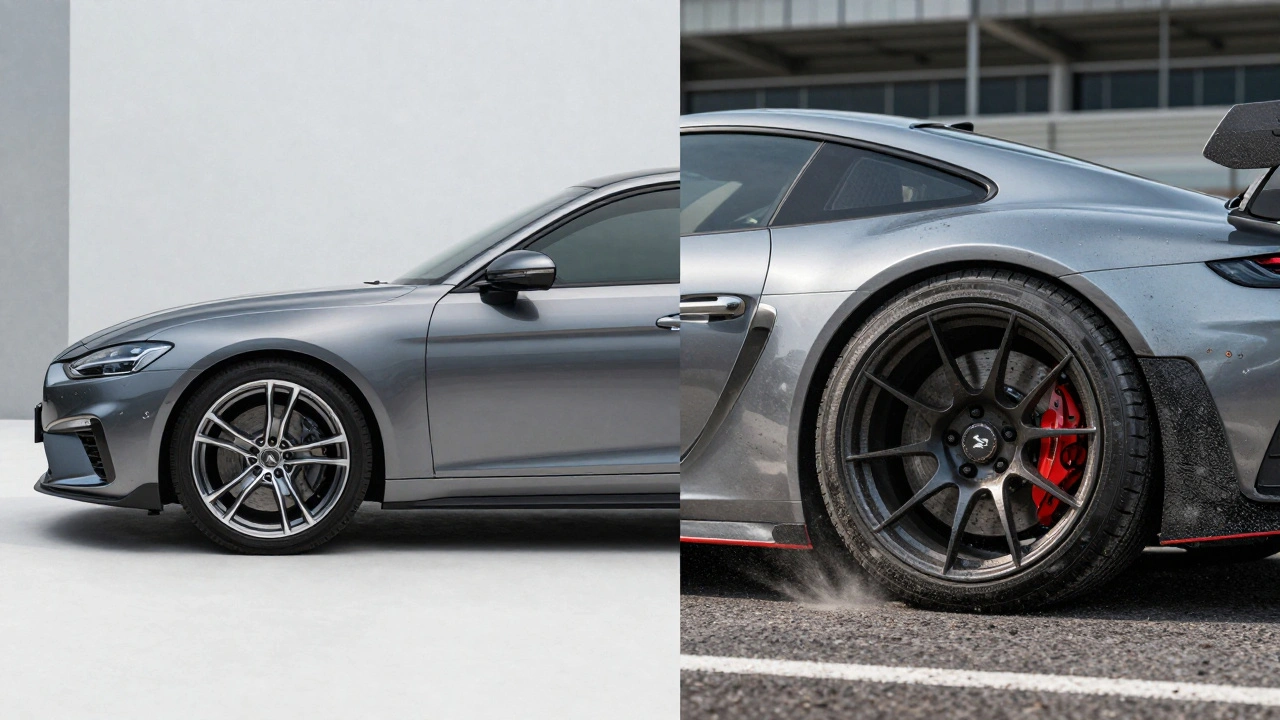
While it's tempting to just buy the "best performing" pad, there's a catch. Every car is engineered for a specific type of friction. If you put a very aggressive semi-metallic pad on a car designed for ceramics, you might find the brakes feel "grabby" or jerky, which makes stop-and-go traffic a nightmare.
Always check your OEM (Original Equipment Manufacturer) specifications. If the manufacturer recommends a specific type, there's usually a reason involving the rotor's metallurgy and the caliper's design. If you're truly torn, ask your mechanic about "hybrid" pads. These attempt to blend the quietness of ceramics with the grip of metallics, though they are often a middle-of-the-road compromise.
Do ceramic pads stop faster than semi-metallic pads?
Generally, no. Semi-metallic pads provide more "bite" and a stronger initial stopping force, especially under heavy loads or high heat. Ceramic pads are perfectly safe for daily driving, but for maximum stopping power in demanding conditions, semi-metallics win.
Why are semi-metallic brakes so noisy?
The noise comes from the metal content (steel and iron) rubbing against the metal rotor. This creates more vibration and friction sound. It's more noticeable when the brakes are cold or wet, as the lubricant in the pad hasn't reached its optimal operating temperature.
Will ceramic pads wear out my rotors?
Actually, it's the opposite. Ceramic pads are much gentler on rotors than semi-metallic ones. Because they are less abrasive, your brake discs will typically last longer, meaning you'll have to replace the rotors less frequently.
Are semi-metallic pads cheaper?
Yes, typically the initial cost of semi-metallic pads is lower than ceramic ones. However, keep in mind that they may wear down your rotors faster, which could lead to higher long-term maintenance costs.
Can I mix and match pad types on one axle?
Absolutely not. You should always use the same material on both the left and right side of an axle to ensure balanced braking. Mixing materials can cause the car to pull to one side during a stop, which is a major safety hazard.
Next Steps for Your Brake Service
If you're hearing a grinding sound or feeling a pulsation in your pedal, it's time for an inspection regardless of which pad you prefer. When you head to the shop, take a second to think about your last six months of driving. Did you do a lot of mountain driving? Did you tow anything? Were you annoyed by the dust on your rims?
Bring that info to your mechanic. Instead of just saying "give me the best ones," tell them, "I hate the brake dust and I only drive in the city," or "I'm towing a 3,000lb trailer every weekend." That's how you get a brake setup that actually works for your life, not just a generic part that fits the car.