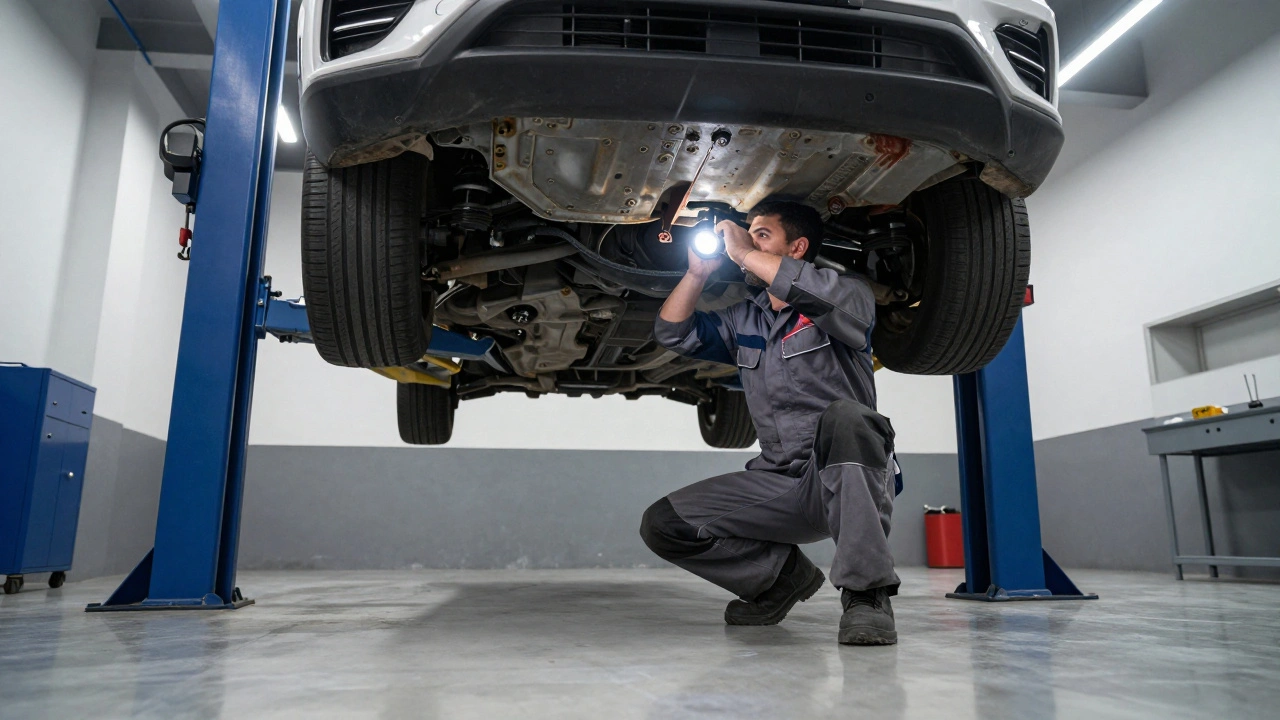
The most critical part of this process is the pre-purchase inspection is a thorough evaluation of a used vehicle performed by a certified, unbiased mechanic who examines the engine, frame, and mechanical systems. While it might seem like an extra chore, skipping this step is how people end up with "lemon" cars. For a relatively small fee, you get a roadmap of everything that's about to break, giving you the leverage to negotiate the price down or walk away entirely.
The Real Cost of Skipping the Check
Spending $100 to $300 on a professional inspection might feel annoying, but consider the alternative. Data from Avturo shows that unexpected first-year ownership costs for problematic used cars typically range from $1,500 to $4,000. That's a massive gap. You aren't just paying for a checklist; you're buying insurance against a financial disaster.
When a mechanic puts a car on a lift, they see things you can't see from the driver's seat. They look for leaking fluids-like oil, coolant, or transmission fluid-and check for the dreaded "hidden rust." In rainy or snowy climates, corrosion can eat through a Chassis (the structural frame of the vehicle) until it's no longer safe. If the structural integrity is compromised, the car isn't just expensive to fix-it's dangerous in a crash.
Spotting Chassis and Frame Red Flags
Frame damage is the ultimate deal-breaker. Usually, this means the car was in a serious accident. Even if the bodywork looks perfect, a bent frame affects how the wheels track. If the car pulls to one side or eats through tires every few thousand miles, there's a good chance the chassis is crooked.
A pro inspector doesn't just look at the metal; they look at the repairs. Sloppy bodywork, mismatched paint, or improperly installed accessories are often signs that a previous owner tried to hide a major wreck. They'll also look for signs of flood or fire damage. While a history report can flag these, an inspector finds the telltale signs-like silt in the crevices or warped metal-that paperwork might miss.
Suspension Warning Signs You Can See
You don't always need a lift to spot suspension trouble, though it helps. One of the easiest tricks is the "level test." A mechanic will check if the vehicle sits level on a flat piece of asphalt. If one corner sits lower than the others, you've likely got a blown shock or a collapsed spring.
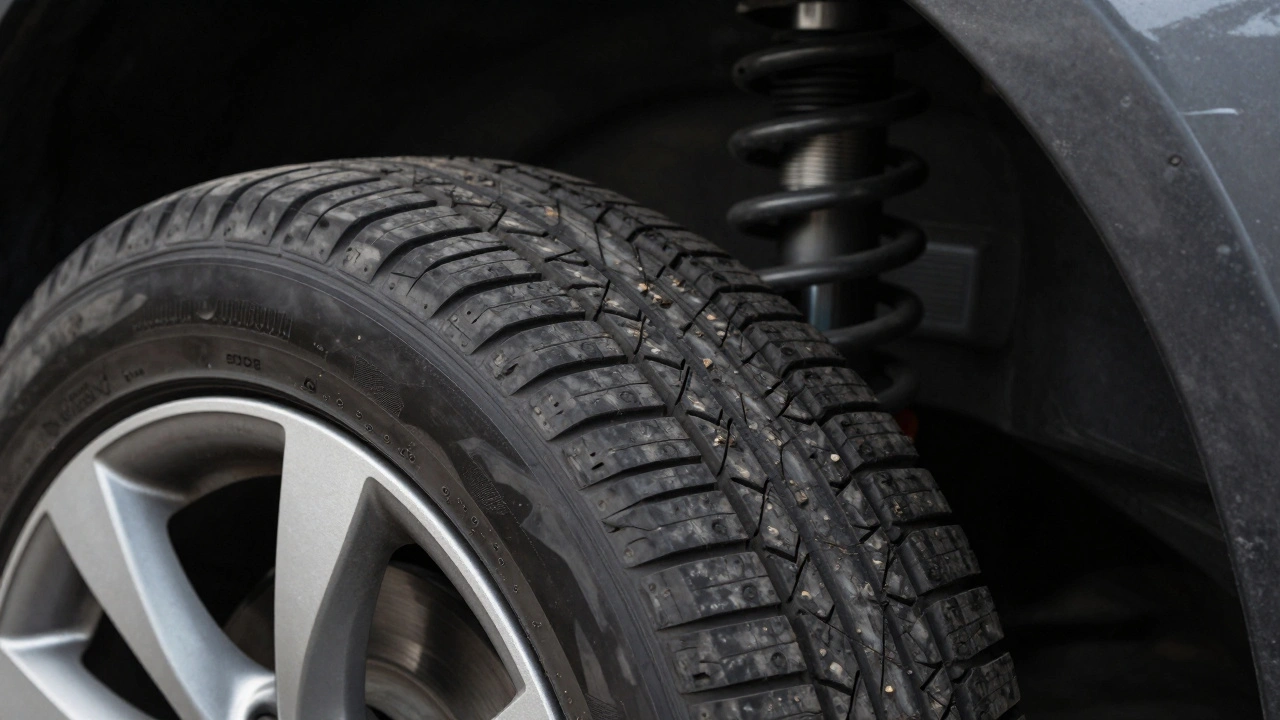
Then there are the tires. Tires are essentially the "health monitor" for your suspension. If the tread is wearing unevenly across the width, it's a screaming signal that the alignment is off or the suspension components are worn out. A quick way to tell if a seller is hiding something? Check if all four tires are the same brand. If they've replaced just one or two tires haphazardly, it often points to a recurring suspension issue they're trying to patch over.
| Issue | What it reveals | Potential Financial Impact |
|---|---|---|
| Uneven Tire Wear | Poor alignment or worn bushings | Moderate (Tires + Alignment cost) |
| Frame Misalignment | Major previous accident | Severe (Often unsafe/unfixable) |
| Chassis Corrosion | Long-term salt/water exposure | High (Structural replacement) |
| Leaking Struts/Shocks | End-of-life suspension components | Moderate to High (Full set replacement) |
The Test Drive: Listening to the Bones
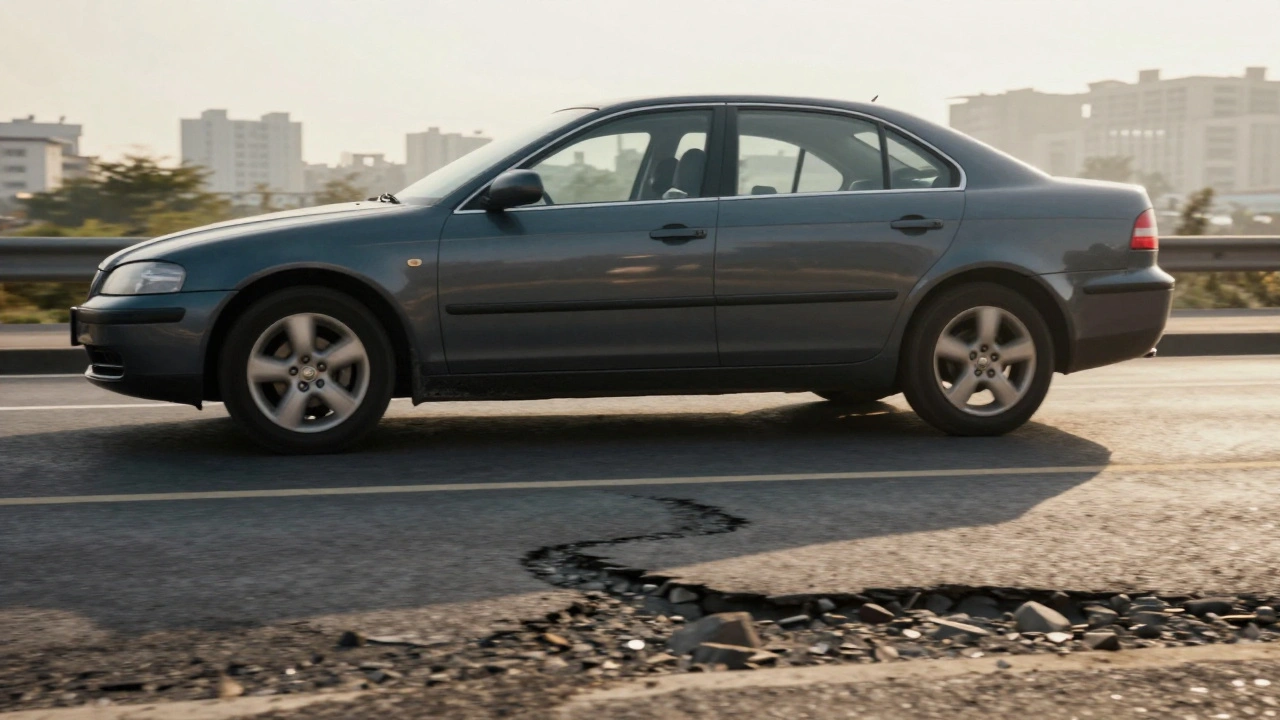
A test drive isn't just about seeing if the AC works. To really test the Suspension (the system of springs, shock absorbers, and linkages that connects a vehicle to its wheels), you need to get the car off the smooth highway. You want a route with bumps, potholes, and hills.
Listen for clunks, rattles, or a "floating" feeling after you hit a dip. If the car continues to bounce after a bump, the dampers are shot. If you hear a knocking sound when turning the wheel, you might be looking at worn-out tie rods or ball joints. These aren't just annoying noises; they are indicators of parts that could fail and cause a loss of steering control.
Avoiding the "Dealer Upsell" Trap
Once you've found a car and the inspection clears it, the dealer will try to add a few "extras" to the bill. This is where the hidden costs shift from mechanical to financial. Be wary of these common add-ons:
- VIN Etching: They'll charge you a premium to etch the VIN into the glass. You can buy a DIY kit for $10 to $30 or have a local shop do it for a fraction of the dealer's price.
- Fabric Protection and Paint Sealing: Most modern cars have factory coatings that handle the weather just fine. Unless you're buying a high-end ceramic coating with a verified process, these are usually just low-cost sprays sold at a high markup.
- Extended Warranties: These can add thousands to the price. Instead of paying the dealer, use the confidence from your pre-purchase inspection and put that same money into a high-yield savings account as an emergency repair fund.
Keep an eye on the documentation fees too. While title and registration are standard, some dealers pad these charges. Check your local DMV website to see what the actual state fees are so you don't get overcharged for "processing."
Final Checklist for Buyers
Before you sign the papers, run through this final mental check to ensure you aren't inheriting someone else's nightmare:
- Did the mechanic physically lift the car, or did they just look at it on the ground?
- Are the tires matching in brand and wearing evenly?
- Does the car sit level on a flat surface?
- Were there any "Check Engine" codes cleared right before you arrived? (Ask the mechanic to check for "pending" codes).
- Did the test drive include a variety of road surfaces?
How much does a pre-purchase inspection actually cost?
Most professional inspections cost between $100 and $300. This price varies depending on your location and whether you go to a specialized independent garage or a large chain. For AAA or Auto Club members, there are often discounts available to lower this cost.
Can a dealer's inspection be trusted?
Generally, no. A dealer has a financial incentive to sell the car. It is always better to hire an independent, third-party mechanic who has no stake in whether you buy the car or not. An unbiased eye is the only way to get an honest assessment of the chassis and suspension.
Is rust on the chassis always a deal-breaker?
It depends on the type of rust. "Surface rust" is common and often just a cosmetic issue. However, "scaling" or "flaking" rust that eats into the structural metal of the frame is a major safety hazard and usually means the car should be avoided.
What is the difference between chassis and suspension?
The chassis is the structural "skeleton" of the car that holds everything together. The suspension is the system of springs and shocks that connects the chassis to the wheels, absorbing bumps and keeping the tires on the road.
How do I know if the frame was repaired poorly?
Look for uneven gaps between body panels, "bubbles" in the paint (which can hide body filler), or welds that look messy and unpainted. A professional inspector will often use a measuring tool to see if the frame is perfectly square.