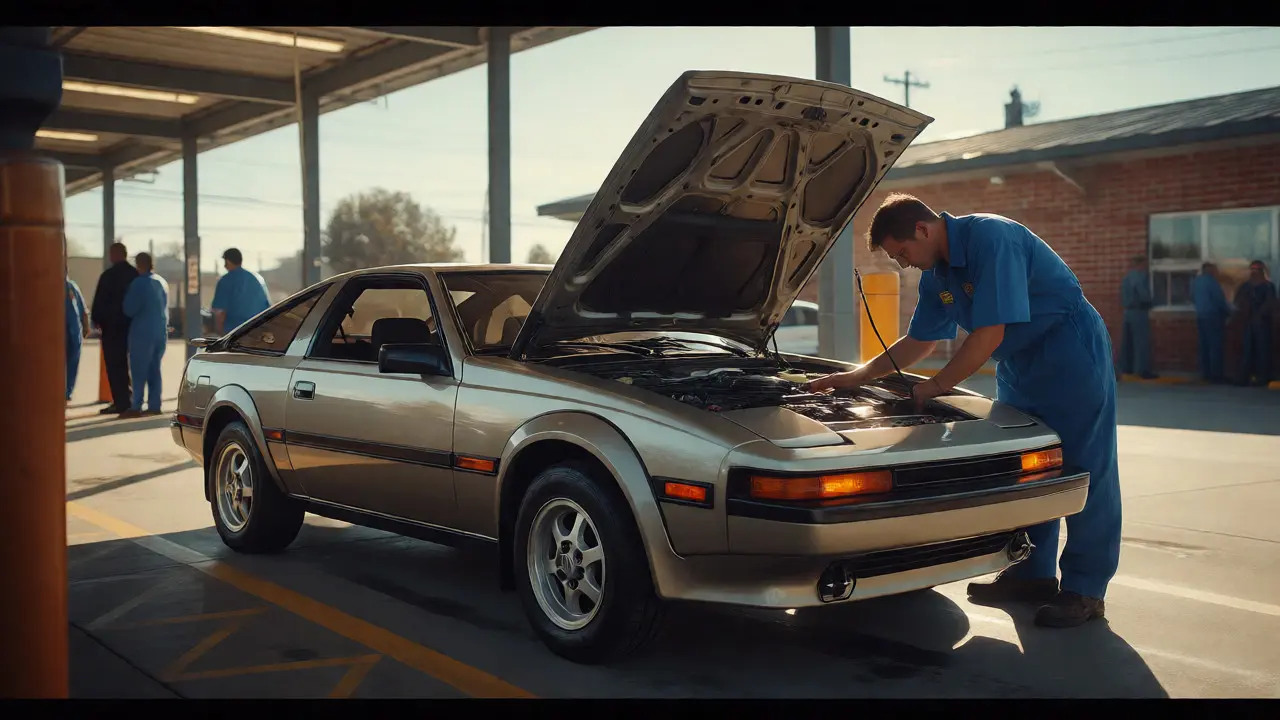
You just found the perfect 1985 Toyota Supra. It’s clean, it runs, and the price is right. Then you get to the DMV line, or worse, your local state inspection station, and panic sets in. Do you need an emissions test? Will they fail you for rust? Is this even legal to drive on the highway?
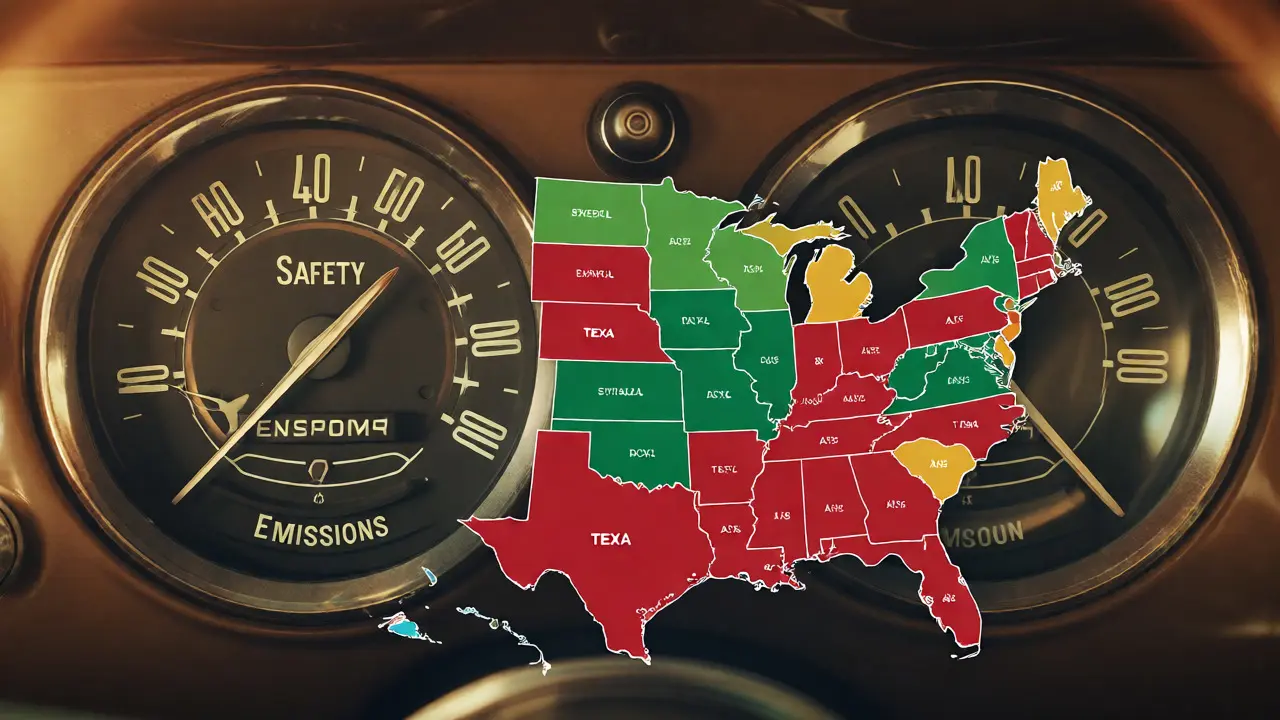
Here is the truth: there is no single "national standard" for inspecting cars over 30 years old. The United States doesn't have a federal law that dictates how a classic car must be inspected. Instead, every state writes its own rulebook. Some states like Oregon exempt vehicles older than 25 years from emissions testing entirely. Others, like Texas, require safety inspections but waive emissions. And then there are states like New York, where you might still need both.
This guide cuts through the bureaucratic noise. We’re going to break down what actually happens when you bring a 30-year-old car to an inspection station, which systems matter most, and how to pass without spending a fortune on parts that didn’t exist when the car was built.
The Myth of the Federal Standard
Most people assume the Department of Transportation (DOT) sets a universal checklist for classic cars. They don’t. The DOT sets manufacturing standards for new cars sold today. Once a car hits the road, regulation falls to the states. This creates a patchwork of compliance requirements that can change if you move across state lines.
Generally, states categorize inspections into two buckets:
- Safety Inspections: Checks brakes, lights, tires, steering, and structural integrity. These are mandatory in about 14 states.
- Emissions Inspections: Checks exhaust pollutants. Many states waive these for vehicles older than 20-25 years because pre-1975 cars lack catalytic converters and modern fuel injection systems.
If you live in a state with no annual inspection program (like Florida or Ohio), you only face scrutiny during title transfers or specific registration renewals. If you live in Virginia or Georgia, you’ll likely see an inspector annually. Knowing your state’s specific threshold-usually 25 or 30 years-is step one.
What Inspectors Actually Look For
When an inspector opens the hood of a 30-year-old car, they aren’t looking for factory-perfect condition. They are looking for safety hazards and gross neglect. Here is the breakdown of the four critical areas they scrutinize.
Brakes and Steering
This is the #1 reason classic cars fail inspection. Drum brakes were standard on many economy cars until the mid-1990s. Inspectors check for fluid leaks at the wheel cylinders and master cylinder. A small leak that drips once a week might not stop you now, but under hard braking, it could cause total failure.
Steering play is another common failure point. Older rack-and-pinion or recirculating ball systems develop slop as bushings wear out. Inspectors will rock the steering wheel while watching the front tires. If the wheels don’t move immediately when you turn the wheel, you fail. Replacing worn tie rod ends and idler arms is usually cheaper than replacing the entire box, so fix those first.
Lighting and Electrical Systems
It sounds simple, but burnt-out bulbs are the easiest way to get rejected. Inspectors check headlights (high and low beams), brake lights, turn signals, hazard lights, and license plate illumination. On older cars, wiring insulation becomes brittle and cracks, causing shorts. Ground straps corrode, leading to dim lights.
Pro tip: Before inspection, replace all incandescent bulbs with fresh ones. Even if the old ones work, a weak filament might flicker under voltage load. Also, ensure your horn works. Yes, a non-functional horn is often a direct fail.
Tires and Suspension
Tire age matters more than tread depth for classics. Rubber degrades over time, becoming hard and prone to blowouts. Most inspectors use the DOT date code on the sidewall. If the tire is more than six years old, some strict jurisdictions may flag it, though most focus on tread depth (minimum 2/32 inch). However, dry rot visible on the sidewalls is an instant fail.
Suspension components like shocks and struts rarely get measured for performance, but inspectors look for obvious damage. Leaking shock absorbers covered in oil and dust indicate failure. Broken leaf springs or sagging coil springs that affect ride height can also trigger a rejection if they cause uneven tire wear or bottoming out.
Structural Integrity and Rust
Rust is the enemy of any classic car. But not all rust fails inspection. Surface rust on a rocker panel? Usually fine. Structural rust that has eaten through the frame rail or floor pan? Fail.
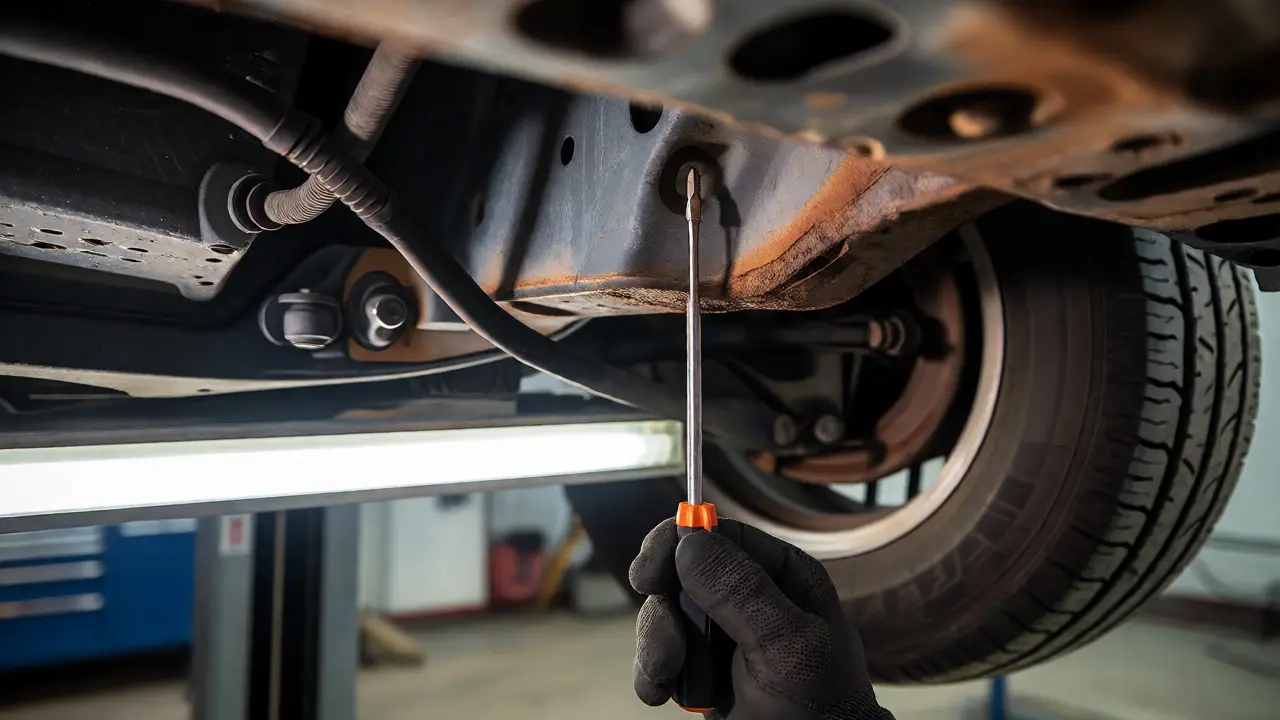
Inspectors probe suspicious areas with a screwdriver. If the metal crumbles, the structure is compromised. In states with salted roads, like Michigan or Minnesota, subframe corrosion is common. If the rust affects mounting points for suspension or engine mounts, you’ll need professional repair before re-inspection.
Emissions Testing: The Exemption Game
This is where confusion peaks. Does your 1988 Mustang need smog checks? In California, yes, if it’s registered there. In Texas, no, if it’s over 25 years old. In Oregon, no, if it’s over 25 years old.
Why the difference? Pre-OBDII vehicles (built before 1996) rely on carburetors or early fuel injection. Their emissions control technology is primitive by modern standards. Regulators acknowledge that forcing these cars to meet modern tailpipe limits is technically difficult and expensive. Therefore, most states grant exemptions based on model year.
| Region/State Example | Emissions Exemption Age | Safety Inspection Required? | Notes |
|---|---|---|---|
| Oregon (Portland) | 25+ Years | No Annual Safety | Only emissions for newer cars; safety mostly voluntary unless modified. |
| Texas | 25+ Years | Yes (Annual) | Strict safety checks; emissions waived for older vehicles. |
| New York | None (General) | Biennial Safety | Some counties require emissions regardless of age; check local laws. |
| California | Pre-1976 Models | No Annual Safety | Smog check required for cars after 1976; biennial for others. |
| Florida | N/A | No Annual Inspection | No routine safety or emissions tests for private passenger cars. |
Always verify your specific county’s rules. Some urban areas impose stricter emissions zones than rural parts of the same state.
Preparing Your Classic for Inspection
You don’t need a concours-quality restoration to pass. You need functional safety equipment. Here is a DIY pre-check list to save you $50-$100 in re-inspection fees.
- Test Every Light: Walk around the car. Have someone sit inside and operate controls. Check high beams, low beams, running lights, brake lights, reverse lights, and turn signals. Replace any cloudy lenses that obscure light output.
- Check Fluid Levels and Leaks: Top off brake fluid, coolant, and windshield washer fluid. Look under the car for fresh puddles. Oil spots are often tolerated, but active dripping brake fluid is not.
- Inspect Tire Condition: Check pressure. Look for bulges, cracks, or dry rot. Ensure lug nuts are tight and present. If you have a spare, make sure it’s inflated (some inspectors check this).
- Verify Seat Belts: Pull each belt firmly. It should lock and retract smoothly. Frayed webbing or broken buckles are easy fixes but common failures.
- Listen for Unusual Noises: Take a short drive. Grinding brakes, squealing belts, or clunking suspension noises might prompt an inspector to dig deeper.
- Clean the Engine Bay: Not strictly required, but a clean engine bay helps inspectors spot leaks quickly. Grease-covered hoses hide cracks.
Dealing With Modifications
Did you swap in a modern crate engine? Add aftermarket wheels? Install LED headlights? Modifications complicate compliance.
Most states allow modifications as long as they don’t compromise safety. Aftermarket wheels are fine if they fit within fenders and don’t rub. Tinted windows must meet visibility standards (usually 35% VLT or higher on front side windows). Headlights must emit white or yellow light; blue-tinted LEDs often fail visual inspection.
Engine swaps are trickier. In states with emissions testing, swapping a modern engine into an older chassis might trigger a requirement to test the new engine’s emissions system. In non-emissions states, you generally just need to prove the car runs safely. Keep receipts for major modifications in case an inspector questions their legality.
When to Hire a Professional Inspector
For a routine renewal, a DIY check is usually enough. But consider hiring a certified mechanic or specialized classic car inspector if:
- You are buying a car sight-unseen and want a pre-purchase inspection.
- Your car has extensive rust repairs or structural welding.
- You’ve made significant mechanical changes (engine swap, suspension lift).
- You failed inspection twice and don’t know why.
A professional inspection typically costs $100-$200. It’s worth it to avoid repeated DMV trips and hidden safety risks.
Final Thoughts on Keeping Your Classic Legal
Passing inspection isn’t about perfection. It’s about proving your car won’t hurt you or others on the road. Focus on brakes, lights, tires, and structural soundness. Ignore cosmetic flaws. Stay updated on your state’s specific age-based exemptions. With a little prep, your 30-year-old cruiser will sail through inspection and keep you smiling for miles.
Do I need an emissions test for my 30-year-old car?
It depends on your state. Many states, including Oregon, Texas, and Florida, exempt vehicles older than 25 years from emissions testing. However, states like California require smog checks for cars manufactured after 1976, meaning a 30-year-old car (e.g., 1996) would still need testing. Always check your local DMV website for specific age thresholds.
Will surface rust cause me to fail inspection?
Usually, no. Inspectors distinguish between surface rust (cosmetic) and structural rust (compromised metal). Surface rust on body panels, rocker panels, or fenders is typically acceptable. Structural rust that affects frame rails, floor pans, or suspension mounting points, especially if it flakes away when probed, will result in a failure.
Can I use LED headlights on my classic car?
Yes, but they must be DOT-approved and properly aligned. Inspectors check for color (must be white or yellow, not blue or purple) and beam pattern. Poorly installed LEDs that glare into other drivers' eyes or cast irregular patterns can cause a failure. Ensure they are street-legal versions, not racing-only bulbs.
What happens if my car fails inspection?
You will receive a rejection slip listing the specific failures. You typically have a grace period (often 30 days) to make repairs and return for a partial re-inspection. In most states, you only pay for the re-check of the failed items, not the full inspection fee again. Some states offer free re-inspections within a certain window.
Are seat belts mandatory for classic cars?
If the car came equipped with seat belts from the factory, they must be present and functional. For very old cars (pre-1966) that did not come with belts, some states do not require retrofitting them. However, most states require belts for all seating positions if they were originally installed. Check your state's grandfather clause for pre-1966 vehicles.