Imagine pulling your car out of the shop after a minor fender-bender, only to find the doors don't close right or the steering pulls left. This is what happens when a collision damage assessment is rushed or done by someone who doesn't know what they're looking at. A proper evaluation isn't just about counting dents; it's about determining if your car is safe to drive, how much it will cost to fix, and whether the insurance company is offering a fair price. If you've ever wondered what actually goes on behind the scenes when an appraiser walks around your vehicle, this guide breaks down the exact steps professionals take to get it right.
Why Visual Inspection Alone Is Not Enough
Most people think assessing car damage means looking for scratches and dings. While that's part of it, the real work starts with checking the hidden stuff. Modern cars are built with complex frame structures and safety zones that aren't visible from the outside. A professional assessor uses specialized tools to measure these areas against factory specifications. If the structural integrity is compromised, even a small dent can indicate a major problem underneath. Ignoring this step often leads to repairs that look good on the surface but fail under stress, like in a second accident or during routine driving vibrations.
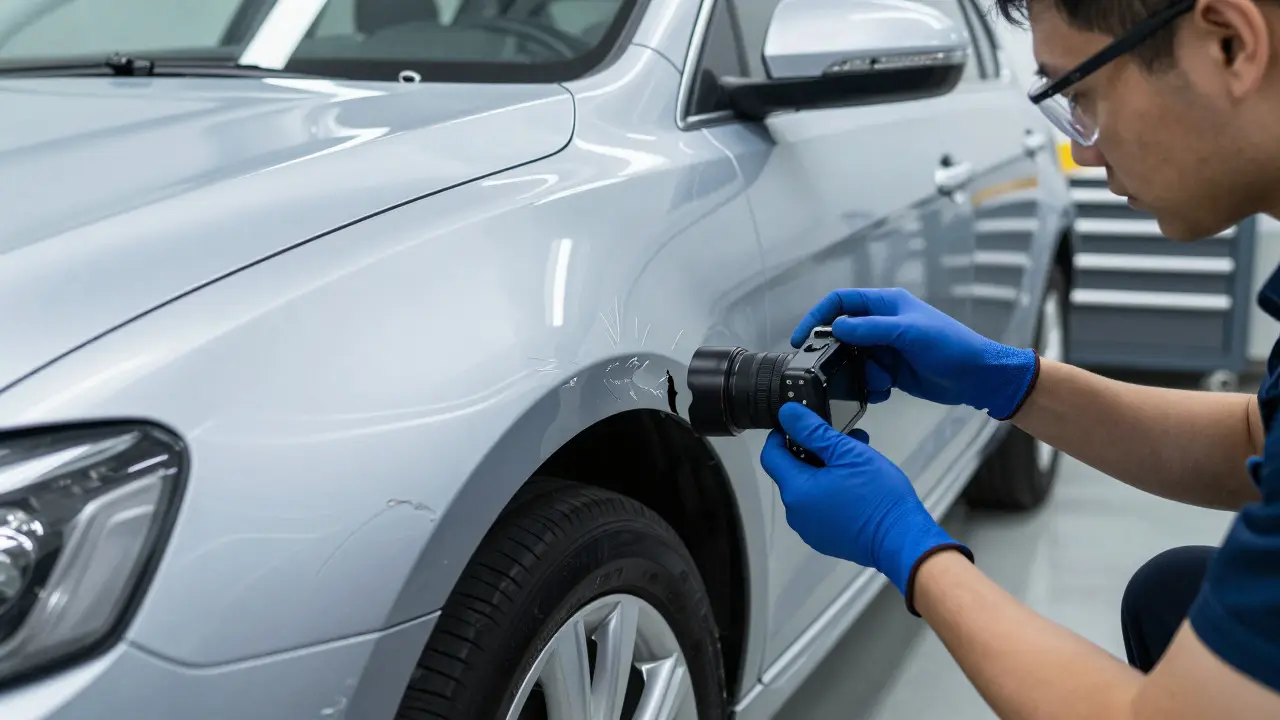
The first thing a technician does is document everything. They take photos from multiple angles, noting the location, depth, and spread of the damage. But documentation isn't just for the file; it's the baseline for comparison later. Without accurate before-and-after data, it's hard to prove that repairs were done correctly or to catch new issues that might appear during the welding or painting process.
The Step-by-Step Professional Evaluation Workflow
A standard professional evaluation follows a logical sequence designed to uncover all layers of damage. Here is how the process typically unfolds in a reputable shop:
- Initial Triage: The assessor identifies the primary impact point and secondary impacts. For example, hitting a pole might damage the front bumper, but the force travels through the engine bay, potentially bending the radiator support or cracking the hood hinge.
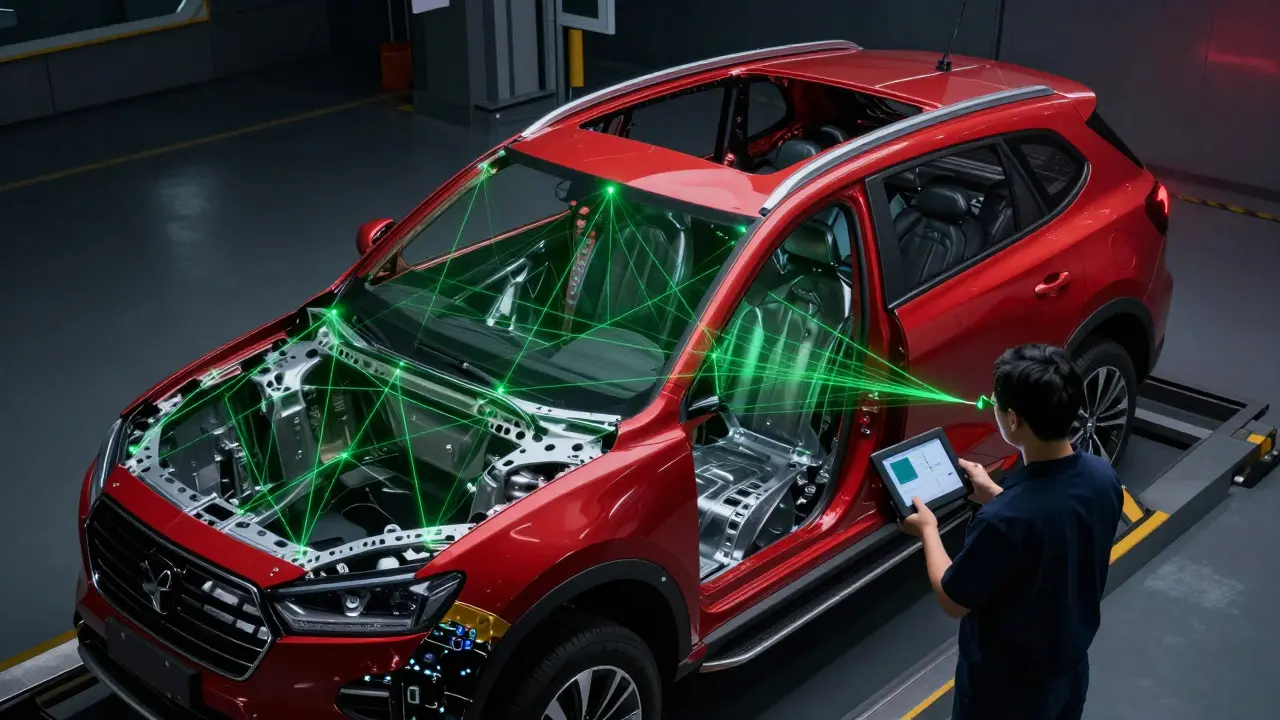
- Frame and Chassis Measurement: Using laser measuring systems or mechanical dial indicators, technicians check key reference points on the vehicle's unibody or ladder frame. These points must align within specific millimeter tolerances set by the manufacturer.
- Component Removal and Inspection: Bumpers, lights, and trim panels are removed to see what's behind them. This reveals broken brackets, torn wiring harnesses, or damaged sensors that would otherwise be missed.
- Electrical System Check: Many collisions affect airbag modules, parking sensors, or camera systems. A diagnostic scan tool connects to the car's computer to read error codes that indicate internal component failure.
- Cost Estimation: Based on the findings, the assessor creates a detailed estimate listing parts, labor hours, and paint materials. This document becomes the basis for the insurance claim or private payment.
Understanding Structural vs. Cosmetic Damage
Not all damage is created equal. Understanding the difference between cosmetic and structural issues helps you make better decisions about repair versus replacement.
| Feature | Cosmetic Damage | Structural Damage |
|---|---|---|
| Visible Signs | Dents, scratches, cracked paint | Bent frames, misaligned doors, uneven gaps |
| Safety Impact | Minimal to none | High risk in future accidents |
| Repair Method | PDR (Paintless Dent Repair), filling, painting | Frame straightening, panel replacement, welding |
| Typical Cost Range | $150 - $800 | $1,500 - $10,000+ |
| Insurance Priority | Often disputed if minor | Almost always covered if at-fault |
When you see a door that sticks or a window that doesn't roll up smoothly, that's usually a sign of structural shift. Even if the metal looks fine, the geometry of the car has changed. Fixing this requires precise alignment, not just hammering the metal back into shape.
The Role of Technology in Modern Assessments
Gone are the days when assessors relied solely on eyeballing and feel. Today, technology plays a huge role in accuracy. Laser measuring systems, for instance, use infrared beams to create a 3D map of the car's structure. This allows technicians to compare the current state of the frame to the original factory blueprints digitally. It's incredibly fast and removes human error from the measurement process.
Additionally, digital estimation software connects directly to parts suppliers and labor databases. This means the quote you receive is based on real-time pricing rather than guesswork. For consumers, this transparency is a game-changer because it reduces the likelihood of surprise fees later. If your shop isn't using digital tools, ask why. It might mean their estimates are less reliable or outdated.
How Insurance Claims Influence the Assessment
Many drivers assume the insurance adjuster's opinion is final. While they have significant power, their assessment isn't always comprehensive. Adjusters often work quickly to clear claims, which can lead to overlooked damages. This is where getting an independent car evaluation process report is valuable. An independent shop has no financial incentive to understate damage; in fact, they want to find all the problems so they can bill for the full repair.
If there's a dispute over the estimate, having a detailed, photo-documented report from a certified body shop makes it easier to negotiate. You can show the insurer exactly what needs to be fixed and why. In many cases, insurers will agree to the higher estimate once they see the evidence of structural involvement or hidden electrical faults.

Common Mistakes to Avoid During Evaluation
Even with professional help, things can go wrong if you're not paying attention. Here are some pitfalls to watch out for:
- Skipping the Second Opinion: If the first estimate seems too low, get another one. It costs nothing and could save you thousands.
- Ignoring Small Cracks: A tiny crack in a plastic housing might seem insignificant, but if it houses a sensor for stability control, the repair cost jumps significantly.
- Not Checking the Undercarriage: Damage below the beltline is often missed. Ask specifically for the underbody to be inspected.
- Assuming Paint Matches Automatically: Color matching is an art. Ask how the shop handles color blending, especially on metallic or pearl paints.
What to Expect After the Assessment
Once the evaluation is complete, you should receive a clear timeline and a breakdown of costs. Reputable shops will explain which parts are OEM (Original Equipment Manufacturer) and which are aftermarket. OEM parts fit perfectly and maintain resale value, while aftermarket parts can be cheaper but may not align as precisely. Knowing this difference helps you decide what level of repair is worth it for your specific vehicle.
The final step is approval. Don't rush this. Read the estimate line by line. Ask questions about labor rates and warranty coverage. Once approved, the repair process begins, starting with disassembly and ending with a final quality check to ensure everything matches the original assessment plan.
How long does a professional collision damage assessment take?
For minor damage, it takes about 30 to 60 minutes. For severe structural damage involving frame measurements and extensive component removal, it can take 2 to 4 hours. Complex cases with airbag deployment or water intrusion might require a full day.
Is it worth getting an independent assessment if I have insurance?
Yes. Independent assessments often uncover more details than quick insurance inspections. This can lead to a higher settlement amount, covering parts and labor that the initial adjuster might have missed due to time constraints.
What is the difference between PDR and traditional body repair?
Paintless Dent Repair (PDR) is used for shallow dents without paint damage. It involves massaging the metal back into shape from the inside. Traditional repair involves cutting out damaged sections, welding in new panels, filling, sanding, and repainting. PDR is faster and preserves the original factory paint.
Does collision damage affect my car's resale value?
Yes, any recorded accident history can lower resale value. However, professional repairs documented with high-quality photos and receipts can mitigate this. Buyers are more concerned about poor repairs than the accident itself. Properly restored cars retain value much better than those with patchy fixes.
Should I replace or repair a bent frame rail?
If the bend is minor and within manufacturer tolerance, straightening is acceptable. If the metal is creased, cracked, or severely distorted, replacement is safer and maintains structural integrity. Always follow the manufacturer's repair guidelines for critical safety components.