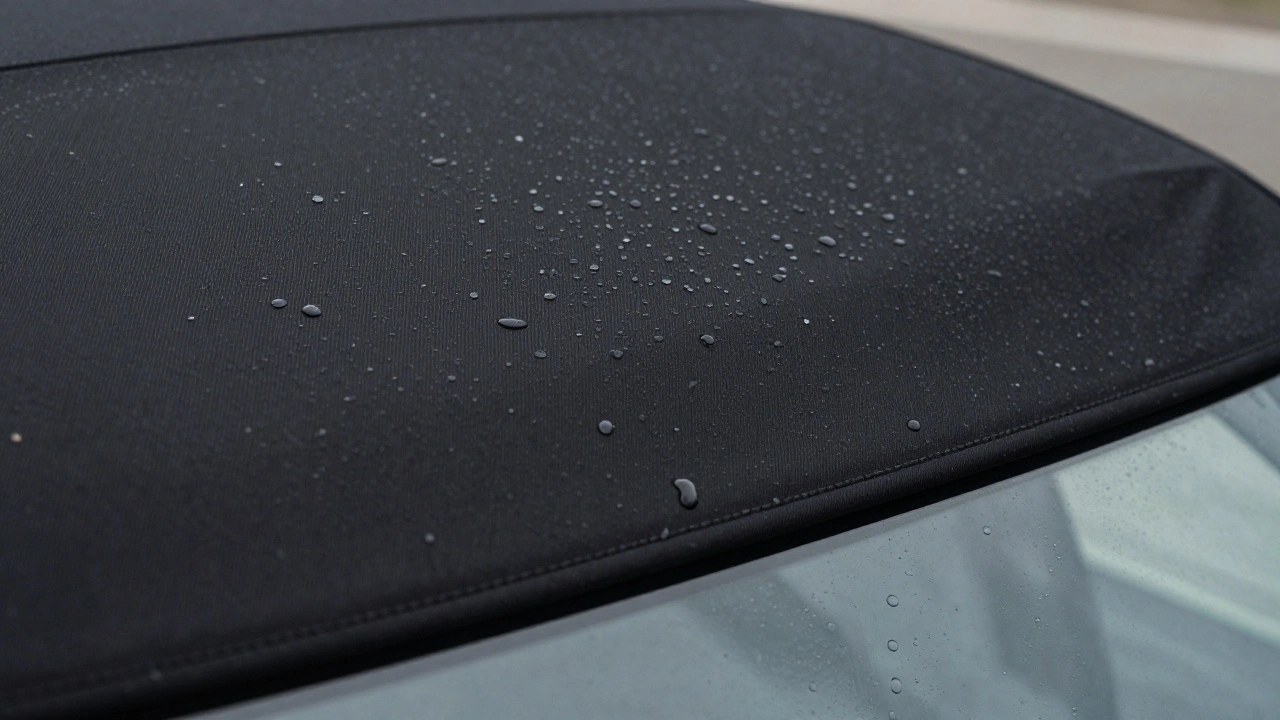
There is nothing quite like the feeling of wind in your hair with the roof down. But that joy comes with a hidden cost: exposure. Your convertible top is a critical exterior component made of fabric or vinyl that protects the interior from weather while adding to the vehicle's aesthetic appeal is under constant attack from UV rays, rain, bird droppings, and tree sap. Left unchecked, these elements turn a pristine black canvas into a faded, stiff, and leaking mess within just a few years. Most owners wait until they see water dripping onto their headrests before taking action, but by then, the damage is often permanent. The good news? Proper care isn't complicated, and it can extend the life of your soft top by decades.
Quick Summary / Key Takeaways
- Identify first: Use the water drop test to distinguish between porous fabric and non-porous vinyl; using the wrong cleaner causes irreversible damage.
- Clean gently: Always wash in the shade using specialized non-detergent cleaners and soft-bristle brushes to avoid stripping dyes or plasticizers.
- Protect regularly: Apply fabric protectants every 6-8 weeks and vinyl protectants every 4-5 weeks in sunny climates to prevent UV degradation.
- Avoid household chemicals: Bleach, ammonia, and standard detergents destroy convertible materials; stick to products designed for automotive textiles.
- Dry completely: Never apply protectants to a damp surface, and ensure seams are thoroughly dry to prevent mildew growth.
Fabric vs. Vinyl: Know What You’re Dealing With
Before you buy a single bottle of cleaner, you need to know exactly what material covers your car. This isn't just trivia; it’s the difference between saving your roof and ruining it. Fabric tops (often called cloth or canvas) are woven materials-usually acrylic or polyester-laminated to a rubber backing. They are porous, meaning they absorb water like a sponge if not treated. Vinyl tops, on the other hand, are made from PVC-coated materials. They are non-porous, flexible, and naturally repel water to some degree.
How do you tell them apart without guessing? Try the "water drop test." Pour about 1/8 teaspoon of water onto the roof. If the water soaks in immediately, you have fabric convertible top is a porous textile roof material typically made of acrylic or polyester weave that requires hydrophobic treatments to remain waterproof. If the water sits on the surface and smears around when you rub it, you have vinyl. Mixing up the two leads to disaster: spraying a heavy vinyl dressing on fabric will clog the weave and attract dirt, while harsh fabric solvents can strip the plasticizers out of vinyl, making it brittle and prone to cracking.
| Feature | Fabric (Cloth/Canvas) | Vinyl (PVC) |
|---|---|---|
| Porosity | Porous (absorbs water) | Non-porous (water beads naturally) |
| Primary Threat | Mildew, staining, UV fading | Plasticizer loss, cracking, gloss change |
| Cleaning Focus | Lifting embedded dirt from weave | Removing surface grime without scratching |
| Protection Goal | Water repellency & UV shielding | UV screening & flexibility retention |
| Reapplication Frequency | Every 6-8 weeks | Every 4-5 weeks |
The Golden Rules of Cleaning
Whether you drive a BMW Z4 or a Mazda MX-5, the cleaning process follows similar principles, but the devil is in the details. The biggest mistake I see people make is washing their car in direct sunlight. When you spray cleaner on a hot surface, it evaporates too quickly, leaving behind residues that look like streaks and feel gritty. Always park in the shade.
Start by rinsing the top with a gentle stream of water to knock off loose dust and pollen. For fabric tops, this step is crucial because dry dirt acts like sandpaper when you scrub. If you have a fabric roof, consider vacuuming it lightly with a soft brush attachment before wetting it, especially if you live in a dusty area. This pulls out particles trapped deep in the fibers.
Next, apply a dedicated convertible top cleaner is a specialized pH-balanced chemical formula designed to lift contaminants from soft tops without damaging dyes or protective coatings. Brands like Chemical Guys is an automotive detailing brand known for its wide range of cleaning and protection products for various vehicle surfaces, Wolfgang Car Care is a professional-grade detailing product line offering specific solutions for fabric and vinyl convertible roofs, or RAGGTOPP by Wolfsteins is a specialized brand exclusively formulated for cleaning and protecting OEM fabric convertible tops offer formulas safe for both materials. Spray it generously over the entire surface-don’t spot-clean just one stain, or you’ll end up with uneven shading. Let it dwell for 5-10 minutes (up to 15-20 for tough stains), then agitate with a soft-bristle brush. Use circular motions. Be gentle on vinyl; aggressive scrubbing can mar the textured grain pattern.
Rinse thoroughly until the water runs clear. Any leftover soap will attract new dirt faster than the original grime. Finally, dry the top completely. For fabric, use microfiber towels to blot moisture away. Avoid terry cloth towels, which leave lint stuck in the weave. For vinyl, a high-absorbency microfiber drying towel works well. Ensure the top is bone-dry before moving to protection; applying sealants to damp material traps moisture underneath, leading to mildew.
Protecting Fabric Tops: The Hydrophobic Shield
Fabric tops rely entirely on surface treatments to stay waterproof. Without protection, rain soaks into the weave, saturating the rubber backing and eventually causing leaks. Your goal is to create a hydrophobic barrier that makes water bead up and roll off.
Traditional protectants, such as those from Wolfgang or Chemical Guys, are usually fluoropolymer or silicone-based sprays. Shake the bottle well and spray from 16-18 inches away in light, even coats. Cover the entire top, including seams and edges. Let each coat dry for about 10 minutes in the sun, then apply a second or third coat for maximum durability. These products typically last 6-8 weeks, meaning you should reapply them roughly six to eight times a year if you drive daily.
If you want longer-lasting protection, consider ceramic coatings. CarPro CQuartz Fabric is a silicon dioxide (SiO2) based ceramic coating specifically engineered for fabric surfaces to provide long-term hydrophobicity and UV resistance is a popular choice among enthusiasts. It requires more prep work-you’ll need to wipe the fabric with a 15% isopropyl alcohol solution to remove oils-but the payoff is significant. After applying thin layers and massaging them into the weave, the coating can last 6-12 months. Water beads tightly (3-5 mm diameter) and sheets off easily, keeping the fabric drier and cleaner for longer periods. Just note that once coated, the fabric may be harder to re-wet during future cleanings, requiring more agitation to remove embedded dust.
Protecting Vinyl Tops: Preserving Flexibility
Vinyl doesn’t need help repelling water as much as it needs help staying flexible. Over time, UV exposure and heat cause the plasticizers-chemicals added during manufacturing to keep the PVC pliable-to evaporate or migrate to the surface. When these oils are lost, the vinyl becomes hard, chalky, and prone to cracking. A quality vinyl protectant locks in these remaining plasticizers while providing a UV shield.
Apply vinyl protectant to a clean, dry surface. You can spray it from 8-12 inches away or use a microfiber applicator pad for better control. Wipe off any excess immediately to avoid streaking on nearby paint or glass. Products like Wolfgang Vinyl Convertible Top Protectant create a seal that prevents fading and stretching. In intense sun belts, you’ll need to reapply this every 4-5 weeks. That might sound frequent, but think of it as insurance against a $2,000 replacement bill. Neglecting vinyl for 3-7 years often results in irreversible deterioration where the material simply gives way.
What to Avoid: Common Mistakes
I cannot stress this enough: never use household cleaners. Bleach, ammonia, vinegar, and standard laundry detergents are enemies of convertible tops. They strip dyes, weaken fibers, and dissolve the very plasticizers that keep vinyl flexible. One wash with bleach can turn a black top gray permanently.
Also, avoid pressure washers. While a gentle garden hose is fine, high-pressure nozzles can force water past the seams and into the headliner, causing mold inside your cabin. Stick to low-pressure rinses and manual agitation.
Another pitfall is ignoring biological growth. In damp climates, mildew and algae love the dark, moist environment under a closed top. If you notice green spots along the seams, treat them immediately with a specialized cleaner. Preventative measures include parking under cover when possible and ensuring the top is fully open or tilted to allow airflow after rain.
When to Call a Professional
Most DIYers can handle routine cleaning and protection. However, there are limits. If your top has tears, large holes, or severe delamination where the fabric separates from the rubber backing, home remedies won’t fix it. Similarly, if you’ve tried multiple cleaning cycles and stains remain set-in, you may need professional restoration or replacement. Companies like Haartz Corporation supply OEM-quality replacements, but installation requires specialized tools and expertise. For minor issues like small seam leaks, a professional detailer can apply targeted sealants that are difficult to manage at home.
How often should I clean my convertible top?
You should rinse your convertible top monthly with water to remove loose dirt. Perform a full wash with specialized cleaner every 1-2 months, depending on how often you drive and environmental conditions. In dusty or polluted areas, increase frequency to prevent embedded grime.
Can I use regular car shampoo on my convertible top?
It is not recommended. Regular car shampoos often contain waxes or polymers that can build up on fabric and interfere with water repellency. For vinyl, they may lack the necessary UV inhibitors. Use cleaners specifically labeled for convertible tops to ensure compatibility with the material’s chemistry.
Why does my fabric top smell musty?
A musty odor usually indicates mildew or mold growth inside the fabric weave or headliner. This happens when the top remains wet for extended periods. Clean the top thoroughly with a convertible-specific cleaner, ensure it dries completely with windows open, and apply a fresh coat of protectant to restore water repellency.
Does ceramic coating work on all fabric tops?
Ceramic coatings like CarPro CQuartz Fabric work best on clean, intact fabric tops. They are less effective on heavily worn, threadbare, or previously treated surfaces unless properly prepped with an IPA wipe-down. Always test a small area first to ensure compatibility and proper bonding.
How long does convertible top protectant last?
Traditional spray protectants last 4-8 weeks, requiring frequent reapplication. Ceramic-based coatings can last 6-12 months or more, depending on climate and usage. Factors like intense UV exposure, frequent rain, and automatic car washes can shorten lifespan.