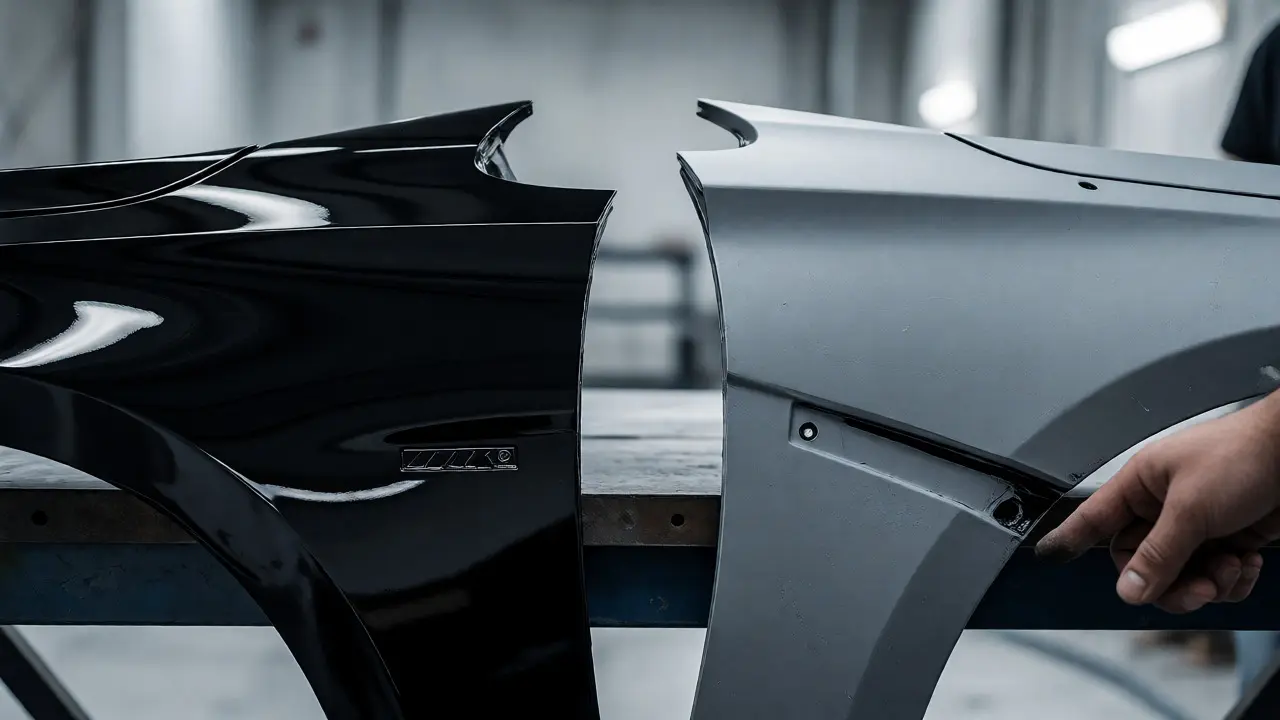
You just got into a fender bender. The insurance adjuster hands you an estimate, and suddenly your simple dent repair turns into a debate about part sourcing. Should you go with the factory-original OEM panel or save money with an aftermarket alternative? It’s not just about price tags; it’s about fitment, paint matching, resale value, and how long that new bumper will actually last.
Most drivers assume "original" is always better, but that’s not always true in 2026. With supply chain shifts and advanced manufacturing techniques, the gap between original equipment and third-party alternatives has narrowed significantly in some areas while widening in others. This guide breaks down exactly when to spend the extra cash and when you can safely choose the cheaper option without compromising your car’s integrity.
What Are Crash Parts and Why Does Sourcing Matter?
Crash parts are components designed to absorb impact energy during a collision, such as bumpers, hoods, fenders, and quarter panels. Unlike mechanical parts like alternators, crash parts are structural or semi-structural, meaning their material composition and thickness directly affect safety systems like airbag deployment sensors.
The source of these parts matters because manufacturers often change molds or materials mid-production cycle. A 2024 Honda Civic might use a slightly different steel gauge than a 2025 model. If you install a part that doesn’t match the original specifications, you risk gaps in the body lines, poor paint adhesion, or even interference with modern ADAS (Advanced Driver Assistance Systems) cameras mounted on windshields or mirrors.
OEM Panels: The Gold Standard for Fit and Finish
OEM (Original Equipment Manufacturer) panels are produced by the same company that made the original part for the vehicle manufacturer, or by the vehicle manufacturer itself. These parts carry the brand name of the car maker (e.g., Toyota Genuine Parts) and come with a one-year warranty against defects.
Why do body shops prefer them? Because they fit. There’s no guessing game with bolt holes or clip locations. When you buy an OEM fender for a Ford F-150, it snaps into place exactly like the one you removed. This precision reduces labor hours, which ironically can offset some of the higher part cost. Additionally, OEM panels are tested to meet the exact crash standards set by the National Highway Traffic Safety Administration (NHTSA).
- Perfect Fitment: No need for extensive trimming or bending during installation.
- Material Consistency: Steel grade and plastic resin mix match the factory spec.
- Warranty Coverage: Backed by both the part manufacturer and often the installer.
- ADAS Calibration: Less likely to interfere with radar and camera systems due to precise mounting points.
Aftermarket Panels: Cost Savings and Quality Variance
Aftermarket panels are reverse-engineered copies of original parts, produced by third-party companies like CAPA-certified manufacturers. They are not sold under the car brand’s label and typically cost 20-40% less than OEM equivalents.
Not all aftermarket parts are created equal. The market is split into two tiers: certified and non-certified. Certified parts undergo rigorous testing for fit, finish, and corrosion resistance. Non-certified parts, often imported from regions with lower production costs, might look identical on the shelf but fail under stress tests. For example, a cheap aftermarket hood might use thinner aluminum, leading to faster denting or rust spots appearing within six months.
| Feature | OEM Panel | Certified Aftermarket | Non-Certified Aftermarket |
|---|---|---|---|
| Average Cost | $$$ | $$ | $ |
| Fitment Accuracy | High | Medium-High | Low-Medium |
| Material Quality | Factory Spec | Tested Equivalent | Variable |
| Warranty | 1 Year+ | 1 Year | 30-90 Days |
| Resale Impact | Neutral/Positive | Neutral | Negative |
The Middle Ground: Recycled and Reconditioned Parts
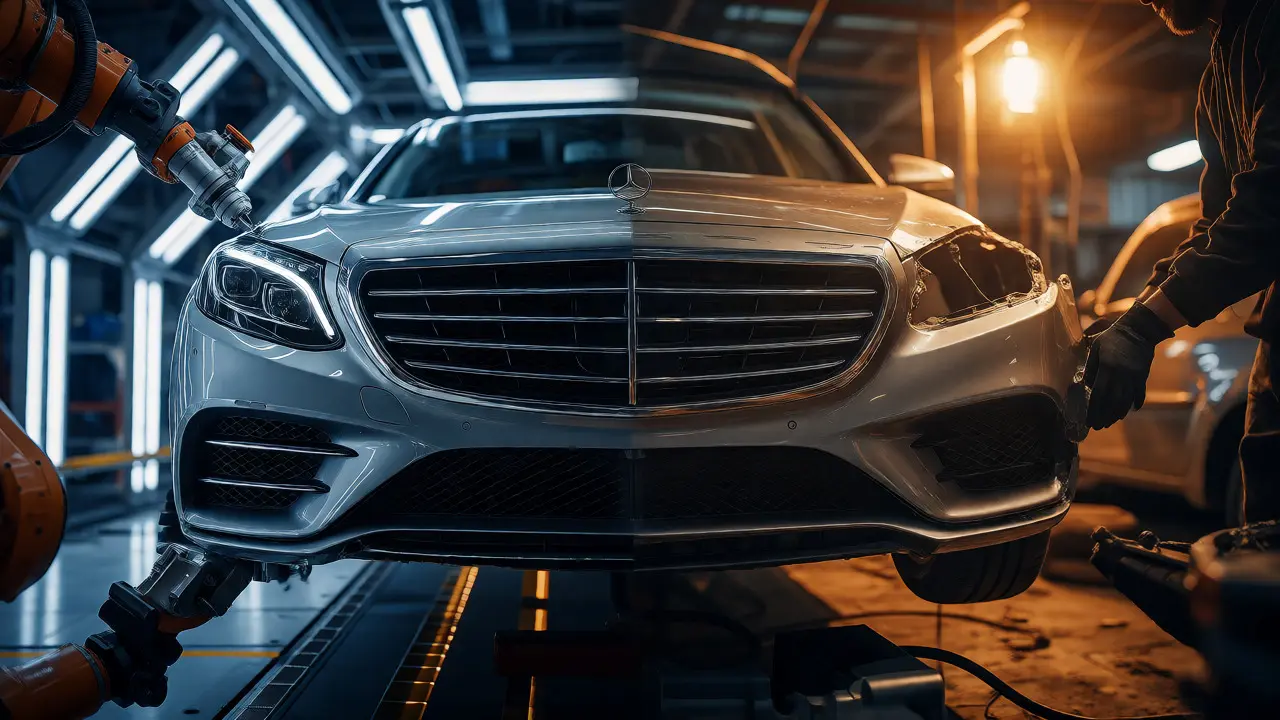
If neither new OEM nor aftermarket appeals to you, consider recycled (used) parts. These are original components salvaged from wrecked vehicles, inspected, and cleaned before sale. They offer the perfect fit and material quality of OEM at a fraction of the cost.
This option works best for older cars where finding new OEM parts is expensive or difficult. However, there’s a catch: hidden damage. A used door might have micro-cracks in the metal that aren’t visible until you start sanding it for paint. Always ask for photos of the part before purchase and insist on a short return window if the part arrives damaged or incompatible.
When to Choose Which Part: A Decision Guide
Your choice should depend on three factors: the age of your car, who is paying, and your long-term plans for the vehicle.
Choose OEM If:
- Your car is under warranty: Using non-OEM parts can sometimes void specific powertrain or corrosion warranties.
- You have ADAS features: Vehicles with blind-spot monitoring or automatic emergency braking rely on precise sensor placement. OEM parts ensure the brackets align perfectly.
- You plan to lease the car: Lease returns require strict adherence to factory condition. Even minor fitment issues with aftermarket parts can result in hefty penalties.
- It’s a luxury or electric vehicle: Brands like Tesla or BMW often use proprietary alloys or complex electronics integrated into body panels. Aftermarket options may lack these integrations.
Choose Aftermarket If:
- You’re paying out of pocket: Saving $300 on a bumper cover allows you to allocate funds toward labor or paint quality.
- The car is older (7+ years): Resale value differences diminish over time. A high-quality aftermarket fender looks fine on a daily driver.
- It’s a common consumer vehicle: Models like the Toyota Camry or Honda Accord have mature aftermarket ecosystems with well-tested, reliable parts.
Pitfalls to Avoid During Installation
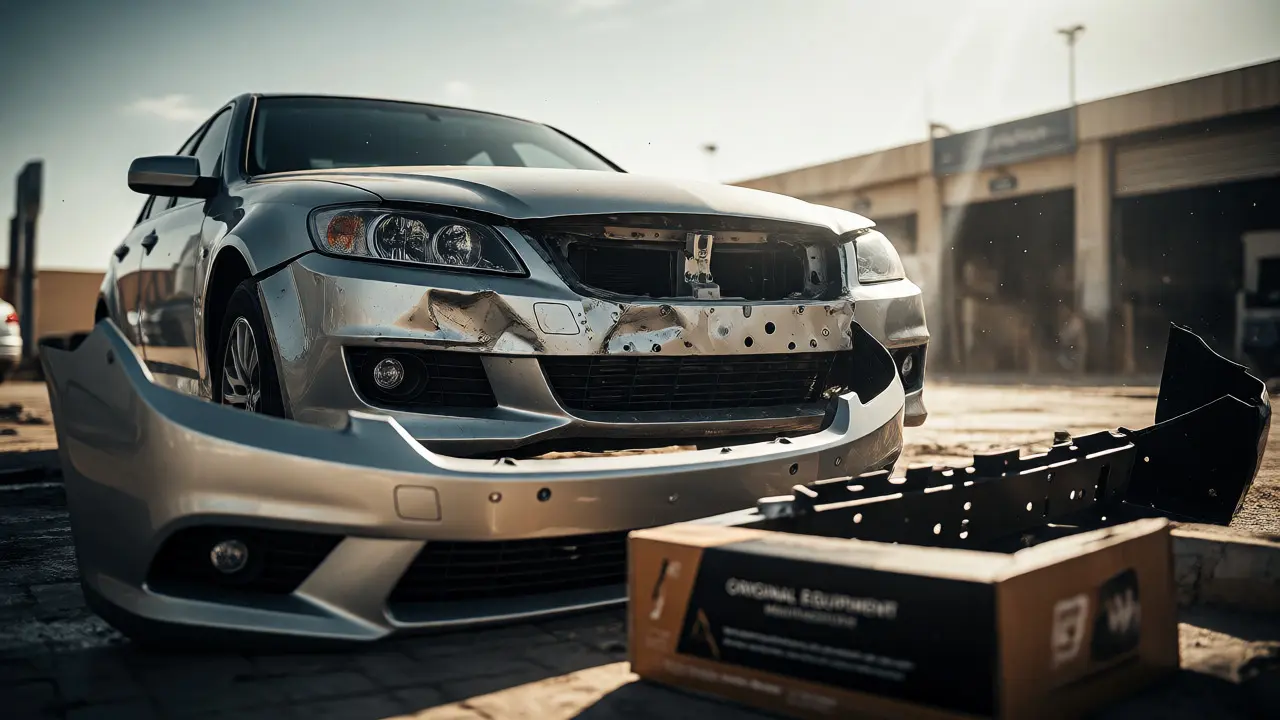
Even the best part fails if installed poorly. Here are common mistakes that ruin both OEM and aftermarket repairs:
- Ignoring Paint Prep: New panels come with primer. Skipping proper cleaning and etching leads to peeling paint within a year.
- Mismatched Plastic Types: Bumper covers are made of polypropylene or ABS. Using the wrong adhesive or welder setting causes cracks.
- Skipping Corrosion Protection: Aftermarket steel panels often lack the factory e-coat dip. You must apply internal cavity wax to prevent rust from the inside out.
- Assuming All Clips Fit: Sometimes, aftermarket clips are brittle. Replace all retaining clips with new ones during installation to avoid rattles later.
How Insurance Companies View Aftermarket Parts
In many US states, insurers are required to offer aftermarket options unless you specifically request OEM. This is known as the "betterment clause." If your car is five years old, the insurer argues that replacing a worn part with a new one improves its value beyond its pre-loss condition, so they only pay for the equivalent used or aftermarket part.
You can usually override this by paying the difference. Ask your body shop for a line-item quote showing the cost delta. Often, the difference is small enough that upgrading to OEM makes financial sense for peace of mind.
Do aftermarket parts reduce my car's resale value?
Potentially, yes. Buyers often perceive aftermarket repairs as lower quality, especially on newer or luxury vehicles. However, if the work is done professionally and documented, the impact is minimal. For older economy cars, the effect is negligible compared to the savings.
Are aftermarket parts covered by warranty?
Yes, reputable aftermarket parts come with a limited lifetime or one-year warranty against defects. However, this warranty typically covers the part itself, not the labor to replace it if it fails. Always check the terms before installing.
Can I tell the difference between OEM and aftermarket visually?
Often, yes. Look for mold marks, rough edges, or inconsistent texture on aftermarket plastics. On metal panels, check the spot welds; factory welds are uniform and clean, while aftermarket ones might be irregular. Also, OEM parts usually have the manufacturer's logo stamped into the back.
Does using aftermarket parts affect my insurance premium?
Generally, no. Your premium is based on driving history and vehicle type, not the parts used in previous repairs. However, frequent claims might raise rates regardless of part choice.
What is CAPA certification?
CAPA stands for Collision Industry Certification Program. It certifies that aftermarket parts meet strict industry standards for fit, finish, and durability. Choosing CAPA-certified parts ensures a higher level of quality control than uncertified imports.