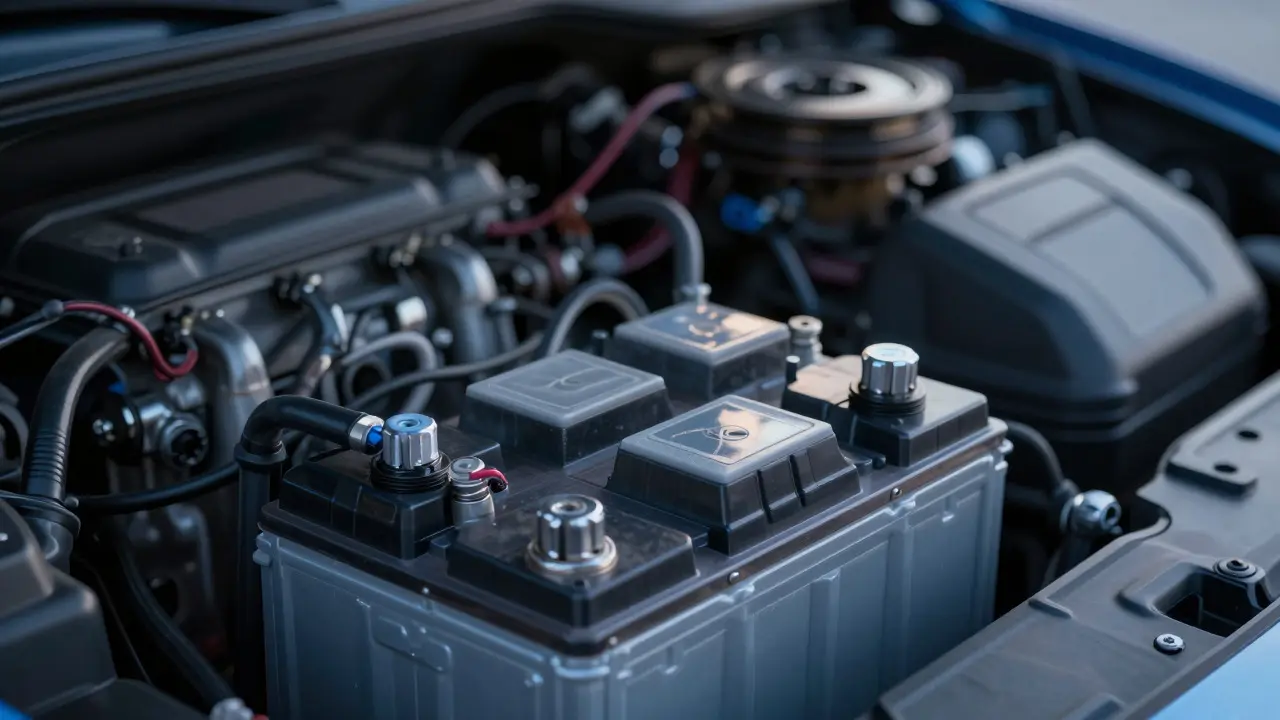
There is nothing more frustrating than turning the key or pressing the start button only to hear a slow, dying whine. Your car battery is the primary power source for starting your engine and running electrical systems when the engine is off. It is not just a component; it is the heartbeat of your vehicle's electrical ecosystem. When it fails, you are stranded. The good news? Most dead batteries are preventable. With a few consistent habits and an understanding of how your battery actually works, you can extend its life from the average three years to five or even six.
Prevention is not about buying the most expensive battery on the shelf. It is about protecting the one you already have from the things that kill it: deep discharge, extreme temperatures, corrosion, and parasitic drains. Let’s look at the specific actions you can take today to keep your car ready to go.
Understanding What Actually Kills a Battery
To prevent failure, you first need to know the enemy. A lead-acid battery (the standard type in most vehicles) works through chemical reactions between lead plates and sulfuric acid electrolyte. These reactions generate electricity. However, these chemicals degrade over time. Two main processes shorten this life: sulfation and water loss.
Sulfation occurs when lead sulfate crystals form on the battery plates and harden. This usually happens when a battery sits at a low charge level for too long. Once these crystals harden, they block the flow of current, reducing capacity permanently. Water loss, or evaporation, happens due to heat. As the water leaves the electrolyte, the plates become exposed, leading to faster degradation and potential short circuits.
Knowing this helps explain why "just driving" isn't always enough. If you drive short distances where the alternator never fully recharges the battery, you are slowly inviting sulfation. If you live in a hot climate, heat is actively boiling off your electrolyte. Prevention means counteracting these specific chemical enemies.
The Habit of Regular Short Trips
This is the single most overlooked factor in battery health. Your car’s alternator is a generator that converts mechanical energy into electrical energy to recharge the battery while the engine runs. For the alternator to work effectively, the engine needs to run for a sufficient duration. If you only make two-minute trips to the mailbox or the store, your alternator barely gets up to speed before you turn the engine off.
Here is a simple rule of thumb: Aim for at least one 15-to-20-minute drive per week. This allows the alternator to bring the battery back to a full state of charge, reversing mild sulfation and keeping the chemistry active. In Portland, Oregon, where winter days are short and gray, drivers often complain about cold starts. Combining a longer drive with proper insulation can make a huge difference. If you cannot do a long drive, consider using a battery maintainer (also known as a trickle charger). These devices monitor voltage and provide small pulses of current to keep the battery topped off without overcharging.
Cleaning Terminals to Prevent Corrosion
Have you ever seen white or blueish powder around your battery terminals? That is corrosion. It is caused by hydrogen gas leaking from the battery reacting with the air and metal. While it looks messy, its real danger is resistance. Corrosion creates a barrier between the battery post and the cable clamp. Even a thin layer can increase electrical resistance, meaning less power reaches your starter motor. In cold weather, this extra resistance can be the difference between starting and not starting.
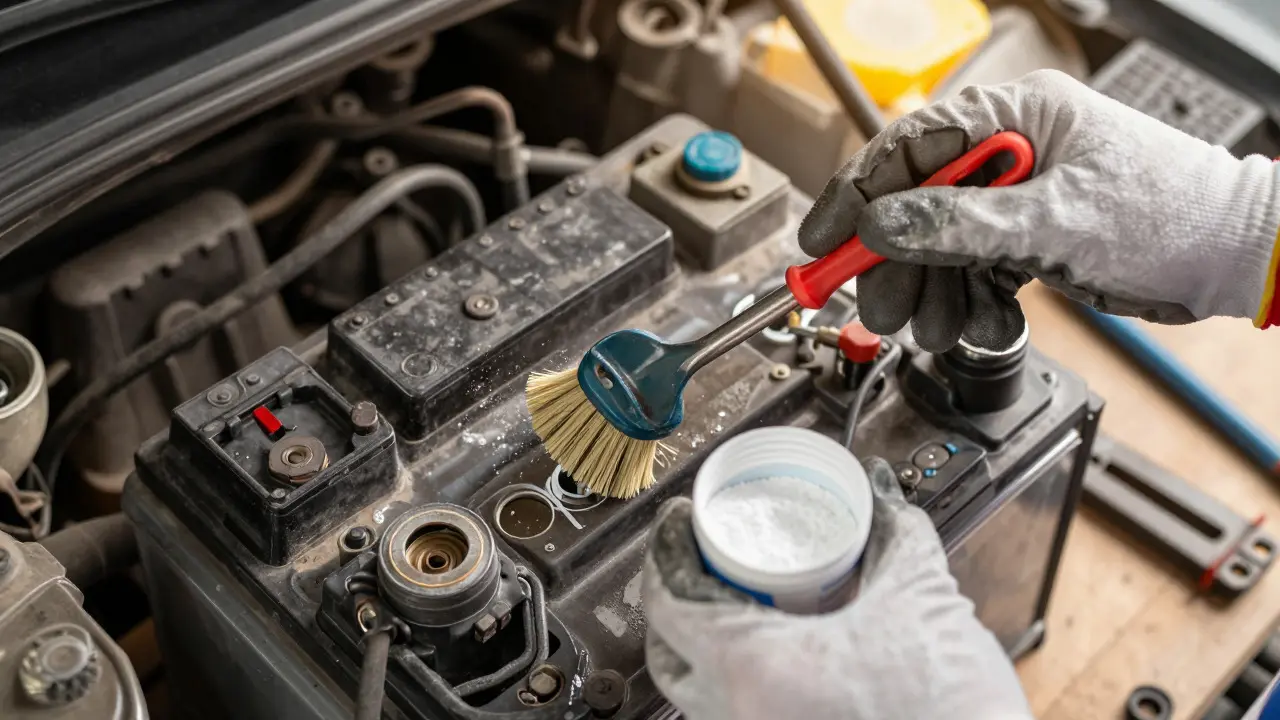
Cleaning your terminals takes five minutes and requires almost no tools. Here is how to do it safely:
- Turn off the engine and remove the keys.
- Disconnect the negative terminal first. This prevents accidental shorting if your wrench touches the chassis.
- Mix baking soda and water (about one tablespoon per cup of warm water).
- Apply the solution to the corroded areas. It will fizz as it neutralizes the acid residue.
- Scrub with a wire brush or old toothbrush until the metal is clean and shiny.
- Rinse with clean water and dry thoroughly.
- Reconnect the positive terminal first, then the negative.
- Apply a dielectric grease or petroleum jelly to the terminals to slow future corrosion.
Doing this every six months keeps your connection tight and efficient. It is a cheap insurance policy against random no-starts.
Managing Parasitic Drains
Your car has many electronic components that stay active even when the ignition is off. We call this a parasitic drain is continuous draw on the battery from electrical components while the vehicle is parked. Modern cars have clocks, radio memory, security systems, and infotainment modules that sip power constantly. A normal parasitic draw is less than 50 milliamps. If it is higher, something is wrong.
You don’t need to be an electrician to spot common culprits. Check these items:
- Interior lights: Does the dome light stay on if a door switch is faulty? This can kill a battery overnight.
- Aftermarket accessories: Did you install a dash cam, GPS tracker, or phone charger? Ensure they have a cut-off feature or use a fuse tap with a shunt.
- Trunk and glove box lights: Sometimes the latch doesn’t close properly, leaving the light on.
If you park your car for more than four days regularly, disconnect the negative battery terminal or use a smart maintainer. This stops the drain entirely and preserves your battery chemistry.
Temperature Extremes: Heat vs. Cold
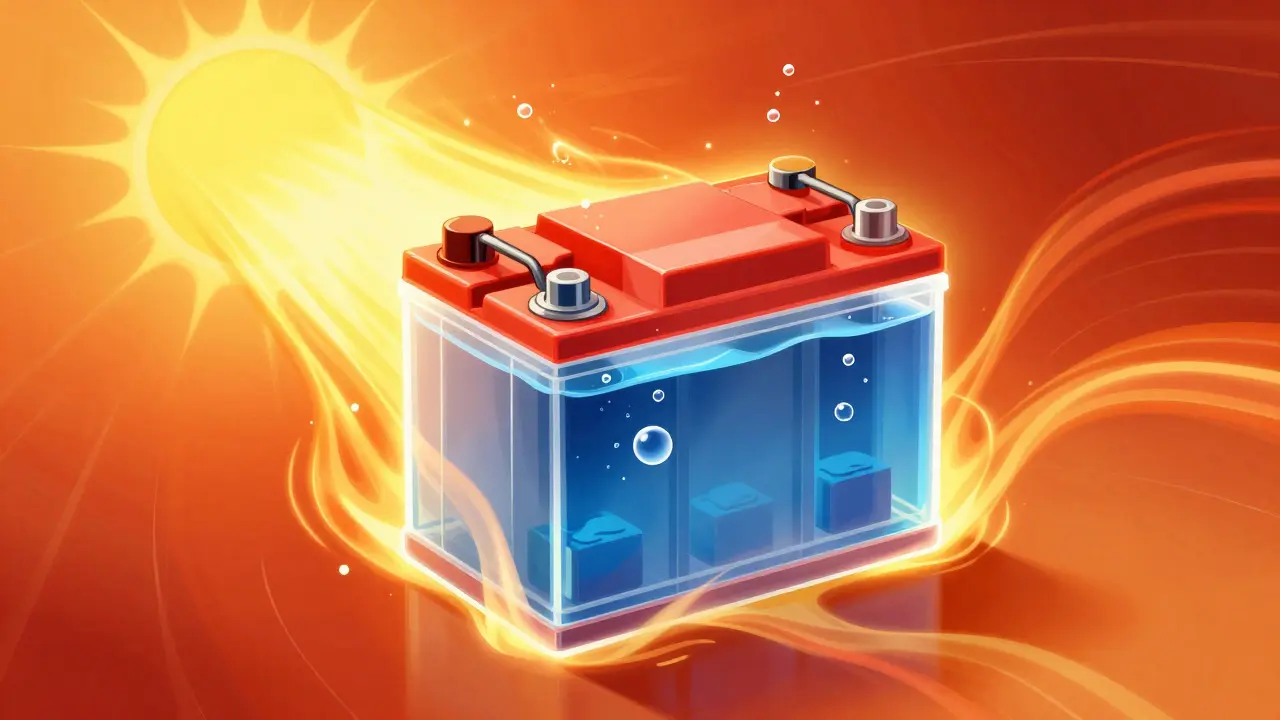
We often think cold kills batteries, but heat is actually the silent killer. High temperatures accelerate the internal chemical reactions, causing water to evaporate from the electrolyte. This reduces the battery’s capacity and lifespan. In hotter regions, batteries fail twice as fast as in moderate climates. In Portland, our winters are cool but not freezing, which is generally kind to batteries. However, summer heat waves can still cause issues if you leave the car in direct sun for hours.
Cold weather, on the other hand, reduces the battery’s available power. A battery at 32°F (0°C) provides about 65% of its rated cranking amps. At 0°F (-18°C), it drops to 50%. This is why older batteries struggle in winter. They haven’t died yet, but they don’t have enough reserve power to crank the engine in the cold. To mitigate this, ensure your battery is fully charged before winter arrives. A fully charged battery handles cold much better than a partially discharged one.
Checking Voltage: The Simple Health Test
You can check your battery’s health with a basic multimeter. This gives you an immediate snapshot of its state of charge. Here is what the numbers mean:
| Reading (Volts) | Status | Action Required |
|---|---|---|
| 12.6V - 12.8V | 100% Charged | None. Battery is healthy. |
| 12.4V | 75% Charged | Drive for 15+ mins to recharge. |
| 12.2V | 50% Charged | Charge immediately. Risk of sulfation. |
| Below 12.0V | Discharged | Deep discharge. May need replacement. |
Note: These readings are taken with the engine off and no electronics running. If your reading is consistently below 12.4V after a full drive, your charging system may be failing, or the battery is weak. A load test at an auto parts store can confirm if the battery holds charge under stress.
When to Replace: Signs You Can’t Ignore
Even with perfect care, batteries wear out. Knowing when to replace them saves you from being stranded. Look for these signs:
- Age: If your battery is over 4-5 years old, start monitoring it closely. Most last 3-5 years depending on climate and usage.
- Slow Crank: The engine turns over slower than usual. This is often the first sign of weakness.
- Swollen Case: If the plastic case looks bulged, the battery is likely damaged by heat or overcharging. Replace it immediately.
- Frequent Jump Starts: If you need a jump start more than once a year, the battery is nearing end-of-life.
- Corrosion Despite Cleaning: If heavy corrosion returns within weeks of cleaning, the battery may be venting gas internally, indicating a failed cell.
Don’t wait for total failure. Replacing a battery before it dies completely ensures you have a reliable backup. Many auto shops offer free testing, so take advantage of that service during routine oil changes.
Frequently Asked Questions
How often should I check my car battery?
Check the voltage every three months, especially before winter. Inspect terminals for corrosion every six months. If you drive short distances frequently, check monthly.
Does using headlights while parked kill the battery?
Yes. Headlights draw significant power. Leaving them on for more than 30-60 minutes with the engine off can deeply discharge a healthy battery. Always double-check that all exterior lights are off when parking.
Is it bad to let the car sit for a month?
It depends on the battery age and climate. A new battery might survive a month of sitting, but an older one will likely die. Use a battery maintainer or disconnect the negative terminal if storing the car for more than two weeks.
What is the best way to charge a dead battery?
Use a smart charger set to "repair" or "recondition" mode. Avoid jump-starting repeatedly, as high current can damage a deeply discharged battery. Charge slowly over 12-24 hours to restore health.
Do AGM batteries need different care?
AGM (Absorbent Glass Mat) batteries are sealed and require less maintenance regarding water levels. However, they are sensitive to overcharging. Ensure your vehicle’s charging system is calibrated for AGM batteries, or use a charger specifically designed for AGM types.