
You just bought a used BMW from a seller in Al Quoz, or maybe you're driving a Toyota Land Cruiser that's seen better days. Now the check-engine light is on, and you're staring at two options: drive to the official dealership showroom in Sheikh Zayed Road, or find a reputable brand specialist in Garhoud or Al Quoz. The price difference can be shocking-sometimes hundreds of dirhams for the same oil change, thousands for a transmission fix. But is the cheaper option actually cheaper when you factor in tool quality and part authenticity?
Living in Dubai means dealing with extreme heat, high humidity, and specific regulatory checks like RTA testing. Your choice of mechanic isn't just about wallet size; it's about whether they have the right diagnostic software to talk to your car's computer. Let's break down the real cost and tool differences between dealers and independents here.
The Real Cost Breakdown: Labor Rates and Parts Markup
Let's talk numbers. In Dubai, labor rates are where the biggest gap exists. A major dealership like Al-Futtaim (Toyota/Lexus) or Gargash (Mercedes-Benz) typically charges between 350 AED and 600 AED per hour for labor. An independent brand specialist? They might charge 150 AED to 250 AED per hour. That sounds great until you look at the parts bill.
Dealerships sell Genuine Original Equipment Manufacturer (OEM) parts exclusively. If you need a water pump for a Nissan Patrol, the dealer will quote you around 800-1,200 AED for the part alone. An independent shop might offer an OEM-equivalent aftermarket part for 400 AED, or even source the genuine part for 700 AED if they have good supplier connections. The trick many independents use is bundling labor discounts with part markups. They make their margin on the parts, not just the time.
Here’s a quick reality check for common services in Dubai as of late 2026:
| Service Item | Official Dealer (AED) | Independent Specialist (AED) | Notes |
|---|---|---|---|
| Standard Oil & Filter Change | 450 - 650 | 250 - 350 | Dealers often include multi-point inspection free. |
| Front Brake Pads (Per Axle) | 900 - 1,400 | 500 - 800 | Indies may use Brembo or TRW instead of branded box. |
| Air Conditioning Recharge | 300 - 500 | 150 - 250 | Critical in Dubai summers; check refrigerant type. |
| Diagnostics Scan | Free (with service) | 100 - 200 | Dealers waive this if you book repairs. |
| Timing Belt Replacement | 2,500 - 4,000 | 1,200 - 2,000 | Labor-intensive; huge savings with independents. |
Notice the pattern? For simple, quick jobs, the dealer markup hurts less because the total bill stays under control. For complex mechanical work, the hourly rate difference compounds quickly. However, if you're leasing a car through a bank in UAE, the lease agreement often mandates dealer servicing to keep the warranty valid. Check your contract before you save money and lose coverage.
Tools and Technology: Who Actually Knows Your Car?
This is the part most people ignore. Modern cars are rolling computers. A 2024 Mercedes C-Class has over 100 million lines of code. You can't just plug in a generic OBD-II scanner from Amazon and expect to reset the adaptive transmission logic. This is where the tool gap matters.
Dealerships have direct access to manufacturer-specific diagnostic servers. When a technician plugs in their proprietary tool (like Xentry for Mercedes or ISTA for BMW), they aren't just reading error codes. They are downloading firmware updates, recalibrating sensors, and accessing technical service bulletins (TSBs) that haven't been released to the public yet. If your car has a known issue with the infotainment system freezing, the dealer knows about it before you do.
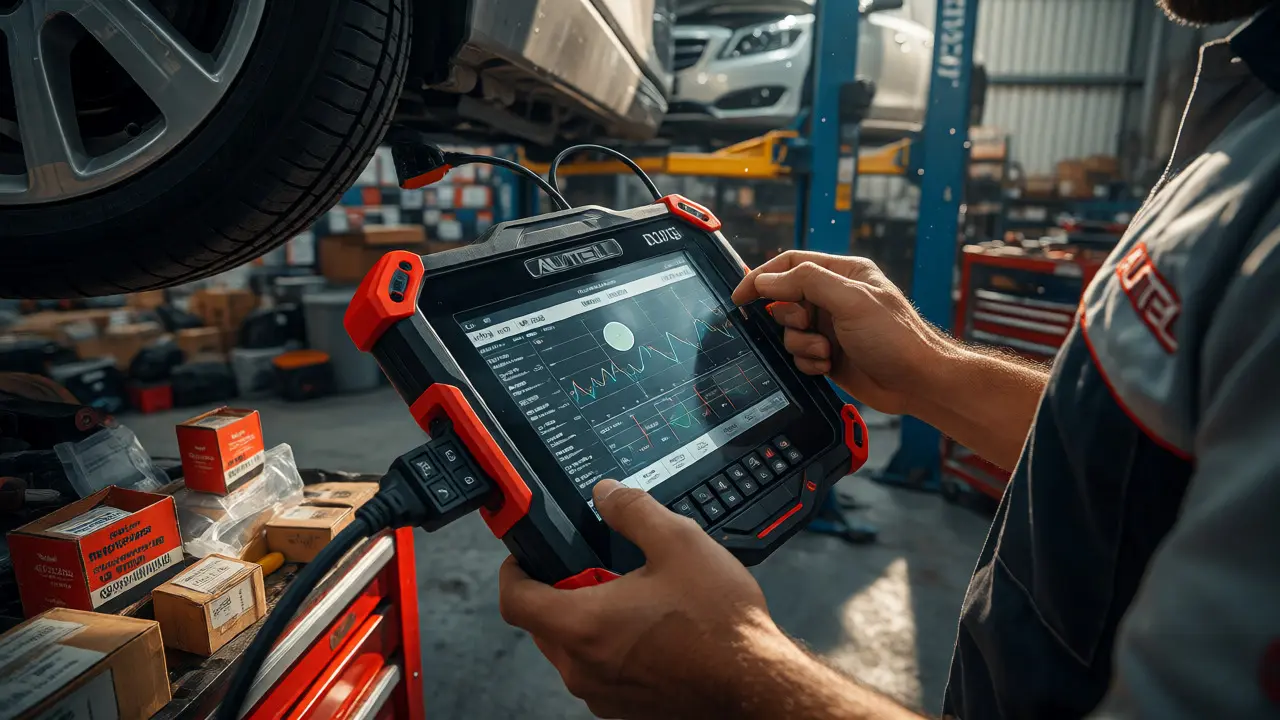
Good Independent Specialists in Dubai invest heavily in high-end aftermarket diagnostic tools. Shops specializing in European cars often buy licenses for Autel MaxiSys Ultra or Launch X-431 PAD V. These tools mimic dealer functions up to 90%. They can perform bi-directional controls, coding, and adaptations. The remaining 10%? Usually obscure module replacements that require online authentication with the factory server. If your issue is a simple sensor replacement, an independent with a $5,000 scanner is just as effective as a dealer with a $50,000 setup.
But beware the "generalist" garage. A random workshop in Sharjah that fixes everything from Honda Civics to Ford F-150s likely doesn't have the specialized software for a Porsche Cayenne. They might guess, replace parts randomly, and charge you for trial-and-error. Always ask: "What diagnostic tool do you use for my specific model?" If they hesitate, walk away.
Parts Sourcing: Genuine vs. Aftermarket in the UAE Market
Dubai is a global logistics hub. This affects what parts your mechanic can get. Dealerships order directly from regional distribution centers in Jebel Ali Free Zone. Their supply chain is tight but expensive. Independents operate differently. Many import parts directly from Germany, Japan, or Thailand, bypassing local distributors. This cuts costs by 30-50%.
However, quality varies wildly. There are three tiers of parts you'll encounter:
- Genuine OEM: Same part as the dealer sells, but boxed by the manufacturer (e.g., Bosch, Denso). Often identical to the dealer part but sold without the car brand logo. Best value.
- OEM Supplier: Made by the company that supplies the car factory (e.g., Mahle for pistons). High quality, lower price than dealer-branded.
- Aftermarket: Third-party manufacturers. Quality ranges from excellent (Brembo brakes) to questionable (cheap Chinese alternators). Ask for brands like Bosch, NGK, or Gates if you want reliability.
A reputable independent specialist will show you the box. If they say "trust me," don't. In Dubai, counterfeit parts are a real problem. Fake oil filters with poor filtration media can destroy engines in the desert dust. Always inspect the packaging for holograms or QR codes that verify authenticity.
When to Choose the Dealer (And When to Walk Away)
So, who wins? It depends on your situation. Here is a decision tree to help you choose.
Choose the Dealer if:
- Your car is under warranty (less than 3-5 years old).
- You have a complex electrical or software issue (e.g., airbag light, hybrid battery errors).
- You need recall work done (this is always free at dealers, regardless of mileage).
- You want a complete digital service history accessible to future buyers via VIN lookup.
Choose an Independent Specialist if:
- Your car is out of warranty (older than 5 years).
- You need mechanical repairs (brakes, suspension, timing belts, AC compressors).
- You are paying cash and want to avoid administrative fees (dealers often add VAT and admin charges separately).
- You found a shop with certified technicians who specialize in your exact brand (e.g., a dedicated Audi/VW garage in Al Quoz).
One hidden cost at dealers is the "service package." They push extended warranties or premium care plans aggressively. At independents, you pay for what you need. But remember: independents rarely offer loaner cars. If you live in Marina and your car is stuck in Garhoud for two days, you're paying for taxis or rental cars. Factor that into your "savings."
Red Flags and Green Lights in Dubai Workshops
How do you spot a good independent from a bad one? Start with the cleanliness. A clean floor usually means organized management. Look for signs of specialized equipment. Do they have a lift specifically for low-clearance sports cars? Do they have refrigerant recovery machines that look modern? Old, rusty lifts suggest outdated practices.
Ask for photos of the old parts removed. A transparent shop will send you WhatsApp images of the worn brake pads or broken belt before you approve new ones. This builds trust. Also, check their reviews on Google Maps. Ignore the five-star ratings with no text. Read the three-star reviews. Do they complain about communication delays? Overcharging? Or did they resolve the issue after a follow-up?
Green lights include:
- Technicians wearing uniforms with brand logos (e.g., "BMW Certified").
- Clear pricing displayed on walls or digital tablets.
- Warranty on labor (minimum 3 months).
- Use of torque wrenches and calibrated tools (ask them how they tighten wheel nuts).
Red flags:
- No written estimate provided upfront.
- Refusal to let you watch the work being done.
- Vague answers about where parts come from.
- Pressure to replace parts that are still functional (like tires with 5mm tread).
Final Verdict: Balancing Wallet and Peace of Mind
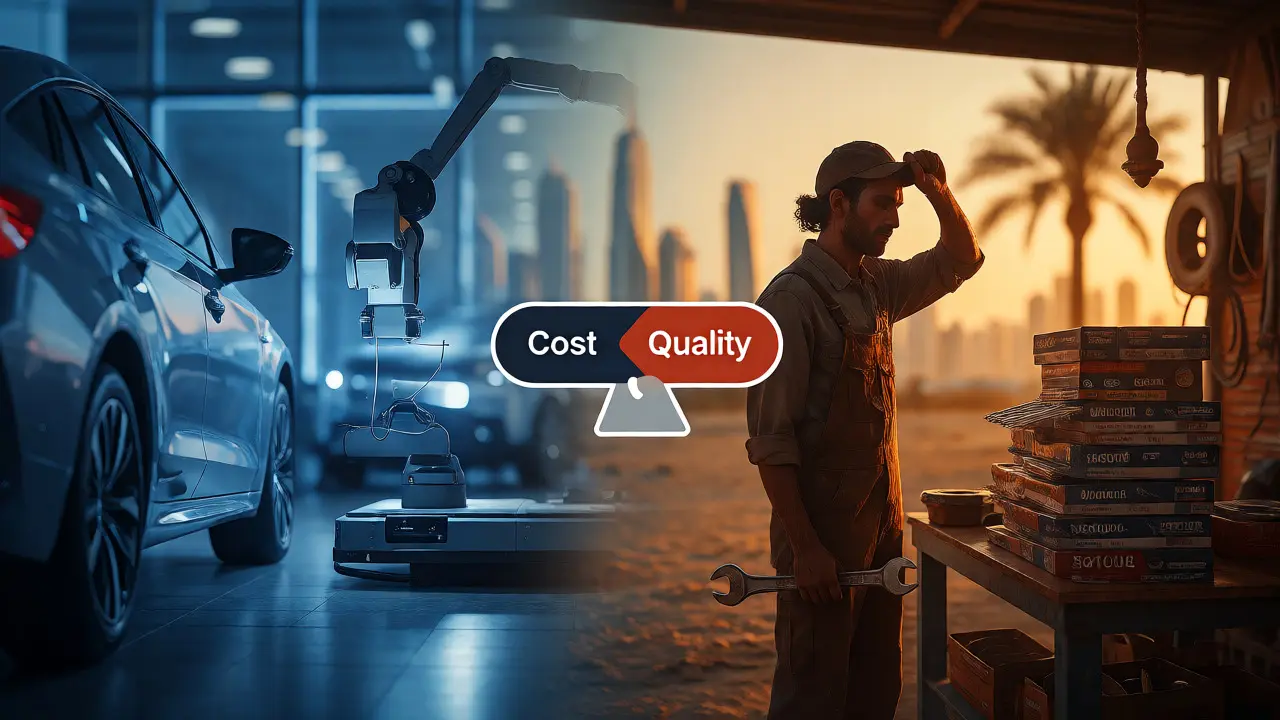
There is no single winner. For a new Lexus RX, the dealer is worth the premium for software precision and warranty protection. For a ten-year-old Nissan Sunny, the dealer is a rip-off; take it to a trusted local garage. The sweet spot for most Dubai drivers is a specialized independent shop. They bridge the gap with professional tools and fair prices.
Start building a relationship with one specialist. Give them a small job first, like an oil change. See how they communicate. Did they call you when the car was ready? Did they explain the next maintenance needed? Trust is currency in the automotive world. Once you find a good one, stick with them. They will know your car's history, which saves time and money in the long run.
Will servicing at an independent void my new car warranty in Dubai?
Not necessarily. Under UAE consumer protection laws, manufacturers cannot void your entire warranty simply because you used an independent shop, provided the work was done correctly with appropriate parts. However, if a failure occurs due to poor workmanship by the independent, the dealer can deny the claim for that specific component. To stay safe, keep all invoices and proof of part quality. For cars under 3 years old, sticking to the dealer is still the path of least resistance for hassle-free claims.
Are independent workshops in Dubai trustworthy for luxury cars like Mercedes or BMW?
Yes, if they are true brand specialists. Avoid general garages. Look for shops that advertise specialization in European vehicles and have technicians trained on those specific systems. Many former dealership mechanics open their own shops in areas like Al Quoz and Garhoud. They bring their expertise and sometimes access to dealer-level software licenses. Always check for certifications or affiliations with parts suppliers like Bosch Car Service.
How much should I expect to pay for diagnostics at an independent shop?
Expect to pay between 100 AED and 300 AED for a comprehensive diagnostic scan at a reputable independent. This fee covers the time to connect advanced scanners, read live data, and identify the root cause. Some shops waive this fee if you proceed with the recommended repairs. Be wary of shops that diagnose for free but then inflate the repair costs to compensate.
Do dealers in Dubai provide loaner cars during service?
Most authorized dealers in Dubai offer complimentary loaner cars for major services or repairs that take more than a few hours, especially for warranty work or loyal customers. Availability depends on the branch and time of year. During peak seasons (like before Ramadan or summer travel), loaners may be scarce. Independent workshops rarely provide loaners, so plan for alternative transportation.
What is the best way to verify if parts used were genuine?
Ask to see the old parts and the new packaging. Genuine parts usually have specific branding, barcodes, and sometimes security holograms. For critical components like airbags or engine internals, you can cross-reference the part number with the manufacturer's catalog. Reputable independents will happily show you the boxes. If they discard the old parts immediately without showing you, ask why. Transparency is key.