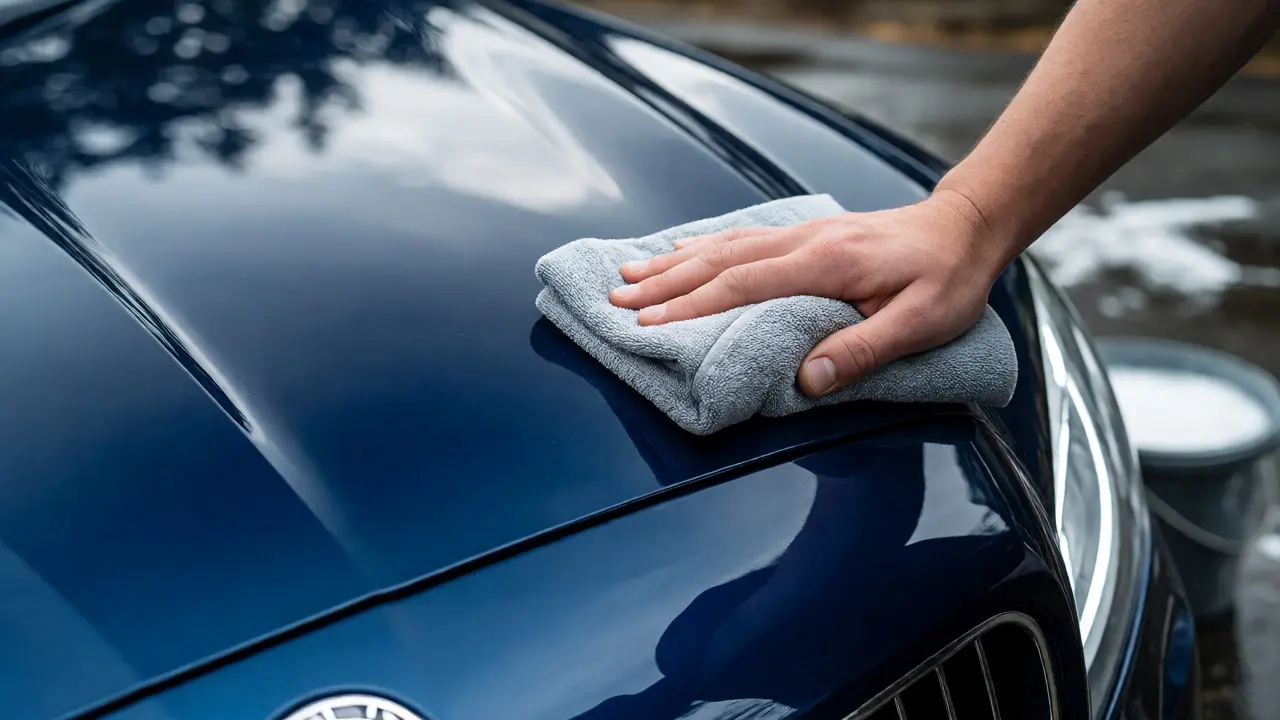
You know that feeling when you walk into a used car lot and instantly dismiss a vehicle because the seats look like they’ve survived a food fight? That’s the power of detailing. It’s not just about making your car shiny; it’s about changing the buyer’s emotional response before they even check the mileage. If you’re planning to sell your vehicle in Portland or anywhere else, skipping this step is basically leaving cash on the table. Buyers judge books by their covers, and in the automotive world, the cover is the paint job and the upholstery.
Let’s be real: most people underestimate how much grime accumulates over years of driving. We’re talking about more than just dust on the dashboard. We mean embedded dirt in the fabric, brake dust baked onto the wheels, and that mysterious sticky residue on the door panels. When a potential buyer sees a clean, well-maintained car, they subconsciously assume the engine has been cared for too. A dirty car screams "neglect," while a detailed one whispers "pride of ownership." This psychological shift can add hundreds, sometimes thousands, to your final sale price.
Why Detailing Pays Off More Than You Think
Think of detailing as an investment with an immediate return. According to data from major auto marketplaces like Autotrader and CarGurus, vehicles listed with high-quality photos showing clean interiors and exteriors receive significantly more clicks. But clicks don’t pay the bills-offers do. A study by the National Automobile Dealers Association (NADA) suggests that professional detailing can increase resale value by up to $500 on average for standard passenger cars. For luxury vehicles, that number can jump to $1,000 or more.
But here’s the catch: you don’t always need to hire a pro. DIY detailing can get you 90% of the way there if you have the right tools and patience. The key is knowing what matters most to buyers. Spoiler alert: it’s rarely the trunk liner. Focus on the surfaces people touch and see first. If you’re selling privately, you are the dealer. Your presentation is your marketing budget. So, grab your microfiber towels and let’s break down exactly how to prep your ride without losing your mind.
The Exterior: First Impressions Are Everything
The exterior is your car’s business card. If it looks tired, scratched, or dull, buyers will wonder what other problems are hiding under the hood. Start with a thorough wash using the two-bucket method to avoid swirl marks. One bucket for soapy water, one for rinsing your mitt. This simple technique prevents you from rubbing grit back into the paint.
- Wheel Cleaning: Don’t skip the wheels. Brake dust is acidic and can etch into alloy rims if left too long. Use a dedicated wheel cleaner and a soft brush to get between the spokes. Clean wheels make the whole car look newer.
- Paint Decontamination: After washing, run your hand over the paint. Does it feel rough? That’s bonded contaminants like tree sap, industrial fallout, or tar. Use a clay bar kit to gently lift these particles off the surface. This step is crucial before polishing.
- Polishing and Waxing: Once the paint is smooth, apply a machine polish or a hand-applied wax. You don’t need to correct every single scratch unless you’re aiming for a show-car finish. Just aim to restore gloss and protect the clear coat. A layer of synthetic sealant lasts longer than traditional carnauba wax and gives a deeper shine.
Pro tip: Pay attention to trim pieces. Plastic bumpers and window seals often turn gray from UV exposure. Use a trim restorer product to bring them back to black. It’s a cheap fix that makes a huge difference in the overall aesthetic. Also, check your headlights. Yellowed lenses are a major eyesore and signal age. A quick headlight restoration kit costs less than $20 and can make your car look five years younger.
The Interior: Where Deals Are Made or Broken
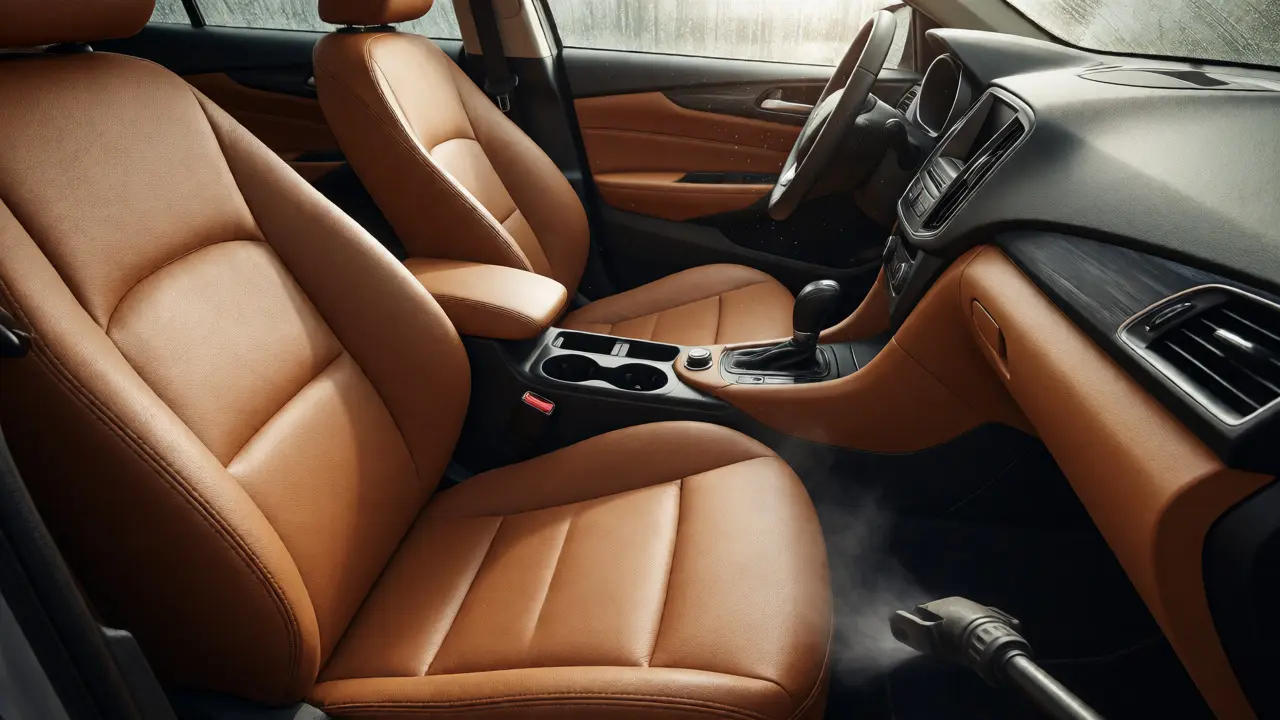
If the exterior gets them interested, the interior closes the deal. No one wants to sit in a car that smells like stale fries or feels gritty under their feet. Start by removing all personal items. Take out the parking passes, the gym bag, the child seat anchors. You want the space to feel neutral and spacious.
Vacuuming is obvious, but most people miss the details. Vacuum the crevices between seats, the underside of the floor mats, and the trunk area. Use a stiff brush attachment to agitate carpet fibers and release trapped dirt. For leather seats, use a pH-balanced leather cleaner followed by a conditioner. Dry, cracked leather looks neglected and expensive to fix. Conditioned leather looks supple and inviting.
| Tool/Product | Primary Use | Why It Matters for Sales |
|---|---|---|
| Steam Cleaner | Deep cleaning fabric seats and carpets | Removes stains and odors without harsh chemicals |
| Microfiber Towels | Drying and wiping surfaces | Prevents lint and scratches compared to paper towels |
| Enzyme Odor Eliminator | Neutralizing pet or smoke smells | Breaks down odor sources rather than masking them |
| Interior Dressing | Restoring plastic and vinyl trim | Gives a fresh, new-car look to dashboards and consoles |
Don’t forget the glass. Inside windows often accumulate a film from breath and air conditioning vents. Clean them thoroughly with a dedicated glass cleaner and a waffle-weave towel. Streak-free windows allow buyers to see out clearly, which improves their driving impression during test drives. And please, check the ceiling liner. If it’s sagging, you might need a glue injection repair. It’s a known issue in many older cars, and fixing it shows you care about maintenance.
Engine Bay and Mechanical Presentation
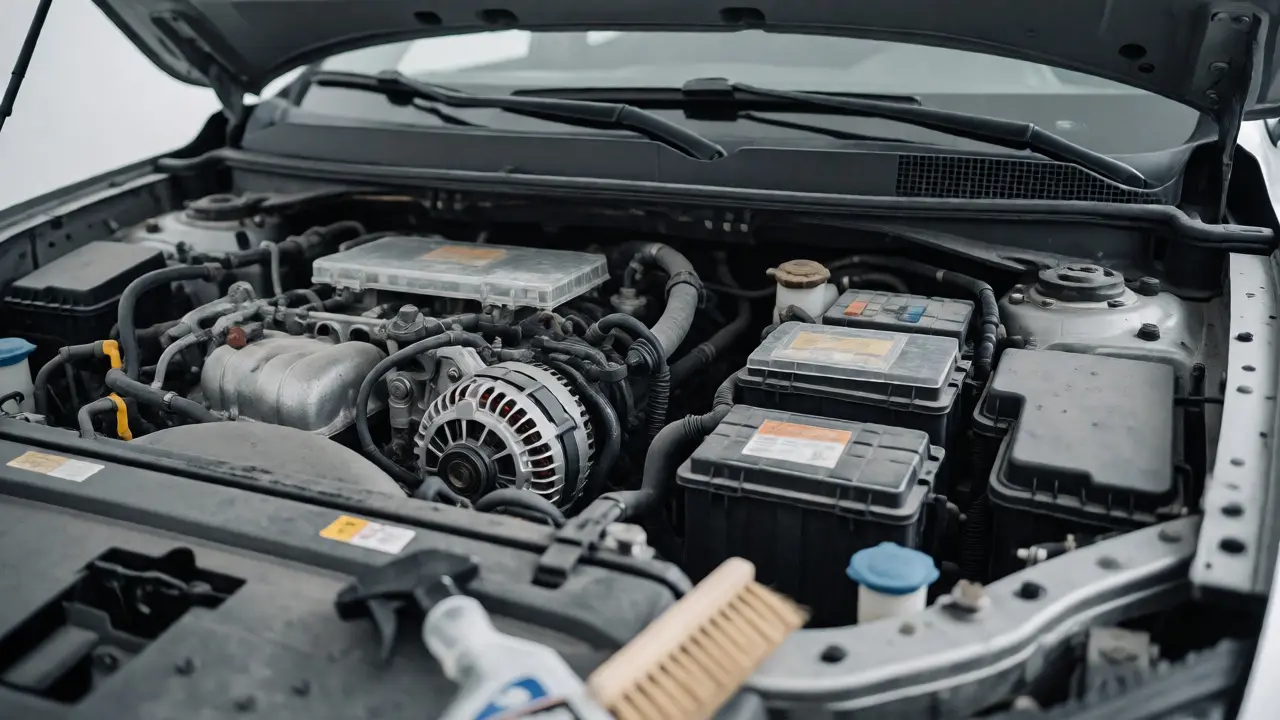
Should you detail the engine bay? Yes, but carefully. A dirty engine doesn’t necessarily mean a bad engine, but a clean one looks reassuring. However, never pressure wash a hot engine. Wait until it cools down completely. Cover sensitive components like the alternator, fuse box, and intake system with plastic bags. Use a degreaser spray and a soft brush to scrub away oil sludge and dust. Rinse gently with a hose, avoiding direct high-pressure streams on electrical parts.
A clean engine bay signals that the previous owner paid attention to maintenance. It allows mechanics or knowledgeable buyers to spot leaks or corrosion easily. If you see any fluid leaks, note them down. Honesty builds trust. If the engine bay is pristine, take photos of it for your listing. Most sellers only post pictures of the exterior and seats. Including a shot of a clean engine sets you apart from the competition.
Common Mistakes That Kill Resale Value
We’ve seen it all. Here are the biggest blunders sellers make when prepping their cars for sale:
- Over-dressing tires: While shiny tires look good in photos, excessive dressing attracts dust quickly. In person, it can look greasy. Aim for a matte or satin finish instead of a wet-look shine.
- Ignoring the smell: You might be nose-blind to your car’s scent. Ask a friend to sniff-test the interior after you think it’s clean. Air fresheners mask odors; they don’t remove them. Use ozone generators or enzyme sprays for deep cleaning.
- Cleaning only when it rains: Water spots from rain or sprinklers ruin a freshly polished car. Always dry your car with a clean microfiber towel after washing, especially if you live in a hard-water area like parts of Oregon.
- Skipping the trunk: Buyers open trunks to check storage space and spare tire condition. A cluttered or stained trunk suggests general laziness. Throw in a vacuum nozzle and get in there.
Another common error is trying to hide major flaws with cheap fixes. Using filler on bodywork that isn’t blended properly looks worse than the original dent. Be honest about imperfections. A small scratch is forgivable; a poorly repaired panel raises red flags about hidden accident damage.
DIY vs. Professional Detailing: What’s Worth It?
Time is money. If you have a weekend and basic skills, DIY detailing saves you $150-$300. You’ll need a quality car shampoo, wheel cleaner, clay bar, polish, wax, interior cleaner, and several microfiber towels. Expect to spend 4-6 hours doing a thorough job.
Hiring a professional mobile detailer or visiting a shop ensures consistency and access to industrial-grade equipment. They can perform tasks like steam extraction, paint correction, and ceramic coating application that are difficult to replicate at home. For high-value vehicles ($20,000+), professional detailing is usually worth the cost. For older, lower-value cars, DIY is often sufficient if done meticulously.
Consider the local market context. In Portland, where rain is frequent, ensuring proper drainage and checking for mold in sunroof channels is vital. Professionals often include moisture checks in their service packages. If you’re DIY-ing, use a leaf blower to blow out water from crevices to prevent mildew growth before storing the car.
Final Checklist Before Listing Photos
Before you snap those listing photos, do a final walkthrough. Park the car in natural light, preferably early morning or late afternoon to avoid harsh shadows. Check for fingerprints on door handles and mirrors. Ensure the fuel tank is full-a full tank implies readiness for a test drive and avoids questions about gauge accuracy. Remove all temporary stickers, including dealership decals or inspection tags if they obstruct views.
Take photos of the clean details: the gleaming hubcaps, the conditioned leather stitching, the spotless windshield. These close-ups reassure remote buyers who can’t physically inspect the car yet. Remember, the goal is to make the buyer feel confident that they are buying a well-cared-for vehicle. Detailing isn’t just cleaning; it’s storytelling through cleanliness.
How much does professional detailing cost for a car sale?
Professional detailing typically ranges from $150 to $300 for a standard sedan, depending on location and service level. Full interior/exterior packages with engine bay cleaning and waxing fall in this range. Luxury SUVs or trucks may cost $300-$500 due to larger surface areas.
Does detailing really increase the sale price?
Yes, studies suggest detailing can add $200-$1,000 to the resale value. More importantly, it helps the car sell faster. Cars that sell quickly often command higher prices because they don't sit on the market long enough to attract lowball offers.
What is the best way to remove pet hair from car seats?
Use a rubber squeegee or a specialized pet hair removal tool. Dragging a damp rubber glove across fabric lifts hair effectively. Vacuuming alone often misses static-clung hair. Follow up with a lint roller for stubborn strands.
Should I fix minor dents before detailing?
It depends on the cost versus value added. Minor dings (under 1 inch) often aren't worth professional repair unless you're selling a premium brand. Polishing can minimize their appearance. For larger dents, weigh the repair cost against potential negotiation losses.
How long should I wait after detailing before selling?
List the car immediately after detailing. The shine and freshness fade within weeks, especially with regular use. Keep the car covered or in a garage if possible, and limit driving to essential trips until the sale closes.