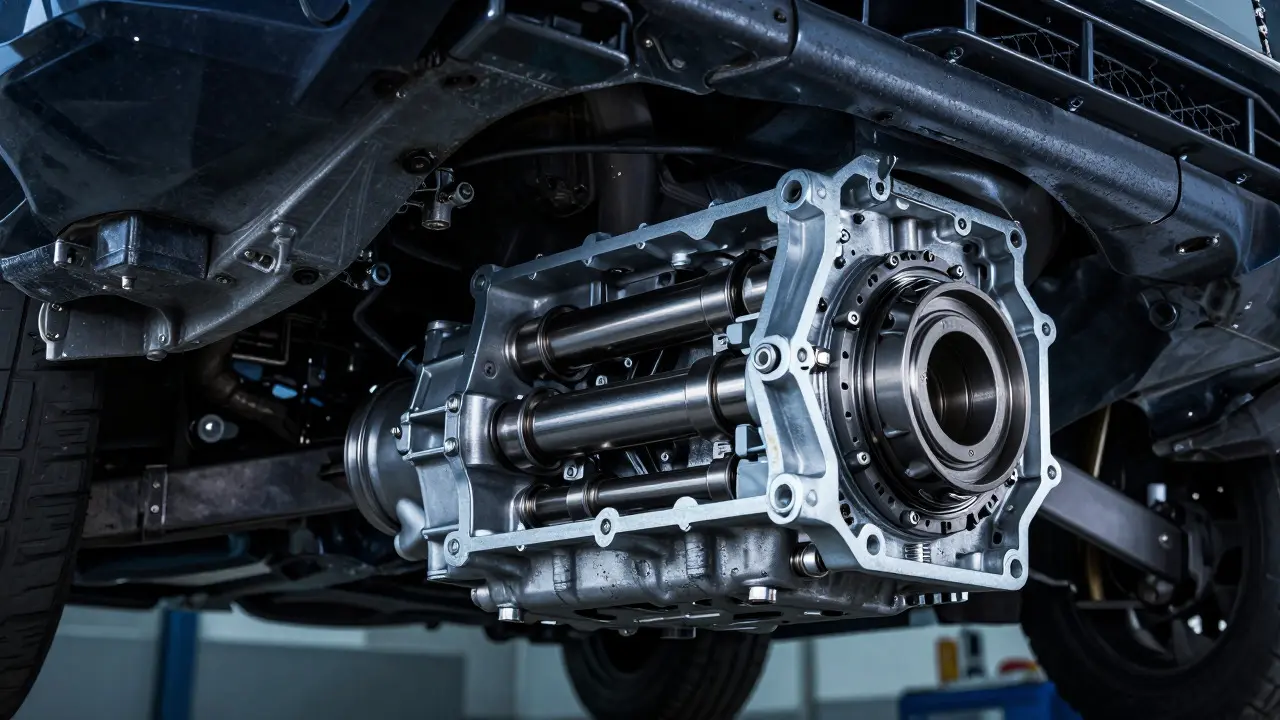
There is a specific shudder that happens when you pull away from a stop in a modern Volkswagen or Audi. It feels like the car is hesitating, then lurching forward with a rough vibration. If you own a vehicle with a DSG transmission is a dual-clutch automatic gearbox that uses two separate clutches to handle odd and even gears simultaneously for faster shifts. Unlike traditional torque converter automatics, it relies on mechanical friction plates rather than hydraulic fluid coupling. This design offers sporty performance but demands precise maintenance to avoid expensive failures.
Most owners treat their DSG like any other automatic, ignoring the unique requirements until things go wrong. The result? A repair bill that can exceed the value of the car. Understanding the three critical components-the mechatronic unit, the clutch packs, and the fluid-helps you decide between a simple service and a major overhaul.
Why DSG Transmissions Fail Differently
The core issue with Direct-Shift Gearboxes (DSG) is their hybrid nature. They act like manual transmissions in how they engage gears but operate automatically. There are no torque converters to absorb shock; instead, two dry or wet clutches take the brunt of the wear. In high-mileage vehicles, these clutches thin out. When the friction material wears down, the electronic control unit struggles to maintain grip, leading to slipping, delayed engagement, or harsh shifting.
This failure mode is distinct from traditional automatics, which often fail due to worn valve bodies or burnt fluid. For DSG owners, the problem usually starts with software calibration drift or physical wear on the clutch plates. Ignoring early warning signs, such as a brief hesitation in second gear or a check engine light related to shift timing, often leads to complete clutch disengagement.
The Mechatronic Unit: The Brain of the System
At the heart of every DSG is the mechatronic unit is the integrated control module and solenoid assembly that manages clutch engagement and gear selection via electrical signals. This component sits at the bottom of the transmission case. It contains the TCU (Transmission Control Unit) and a series of solenoids that direct hydraulic pressure to the clutches and synchronizers.
Solenoid failure is one of the most common reasons for DSG repairs. These small electromagnetic valves can stick, burn out, or leak. When a solenoid fails, the transmission may lock into limp mode, preventing certain gears from engaging. Replacing just the mechatronic unit is often cheaper than replacing the entire transmission assembly, provided the internal gears and shafts are still intact. However, this part requires precise calibration after installation. If the new unit isn't coded correctly to the vehicle's VIN and mileage, the transmission will not learn proper shift points, leading to continued jerky behavior.
Clutch Pack Wear and Replacement Costs
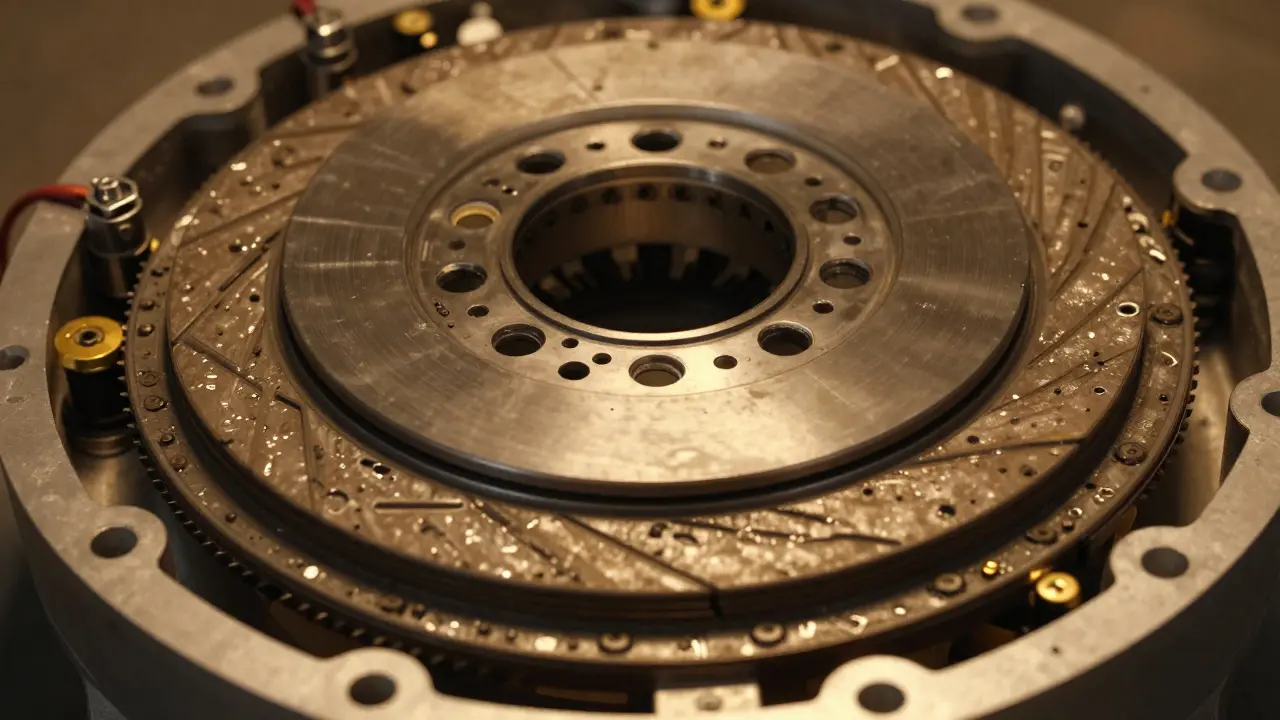
The clutch packs in a DSG are essentially stacks of friction plates and steel plates. In dry-clutch models (common in front-wheel-drive VWs), these plates are exposed to air and heat, making them more prone to wear than the wet-clutch versions found in Audi Quattro models. Over time, the friction material erodes. Once the gap between the plates exceeds the manufacturer's tolerance, the mechatronic unit cannot fully engage the clutch.
Replacing the clutch pack is a labor-intensive job. Technicians must disassemble the entire transmission to access the packs. Because the mechatronic unit is bolted directly to the housing where the clutches sit, many shops recommend replacing both the mechatronic unit and the clutch pack simultaneously. This approach prevents the customer from having the transmission opened twice. While the parts cost varies by model, the labor rate is significant because the transmission must be removed from the vehicle entirely.
Fluid Changes: The Most Neglected Maintenance Item
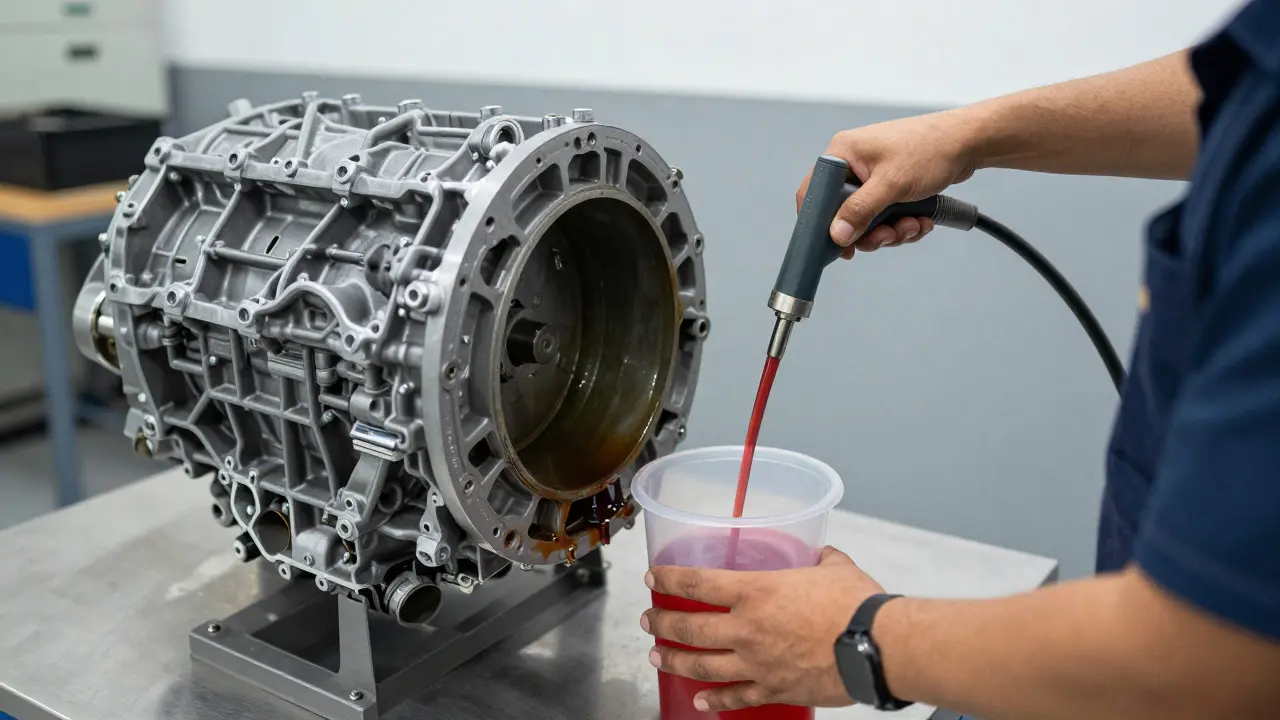
Many manufacturers label DSG fluid as "lifetime," which is a marketing term rather than a technical guarantee. In reality, the fluid degrades over time, losing its lubricating properties and becoming contaminated with metal shavings from normal wear. Old fluid causes increased friction, overheating, and accelerated wear on the mechatronic solenoids and clutch plates.
A proper fluid service involves draining the old oil and refilling with the correct specification. For most VW/Audi DSG units, this means using G 000 253 01 or G 004 892 02 fluid, depending on the specific generation. Using the wrong fluid can void warranties and cause immediate slippage. The drain plug is located on the side of the transmission case. During a standard service, technicians should also inspect the magnetic drain plug for excessive metal flakes, which indicate severe internal wear.
| Task | Frequency | Key Component | Risk if Ignored |
|---|---|---|---|
| Fluid Change | Every 40,000 - 60,000 miles | DSG Oil | Solenoid burnout, clutch slip |
| Mechatronic Calibration | After part replacement or erratic shifting | Tcu / Solenoids | Limp mode, harsh shifts |
| Clutch Pack Replacement | When wear exceeds tolerance (often 80k+ miles) | Friction Plates | Complete transmission failure |
Dry vs. Wet Clutch Systems
Not all DSG transmissions are created equal. The distinction between dry and wet clutch systems dictates your maintenance strategy. Dry-clutch DSGs, often found in base-model Golf, Jetta, and Passat cars, use air-cooled clutches. They are lighter and more fuel-efficient but less durable under heavy traffic conditions. Stop-and-go driving generates immense heat, causing the dry plates to glaze over quickly. Owners of these cars should prioritize frequent fluid changes and consider adding an external cooler if they drive in dense urban areas.
Wet-clutch DSGs, typically found in Audi Q5, A4, and higher-performance VW models, submerge the clutches in oil. This provides better cooling and longer life. However, the fluid contamination risk is higher because debris circulates through the entire system. For wet systems, using high-quality synthetic fluid is non-negotiable. The thermal capacity is superior, but the cost of a full rebuild is generally higher due to the complexity of the oil pump and cooler circuit.
Diagnosing Early Warning Signs
You don't need a scanner to know something is wrong, though a diagnostic tool helps confirm the issue. Pay attention to these symptoms:
- Hesitation at low speeds: A noticeable pause before the car moves from a standstill suggests the clutch is slipping or the solenoid response is slow.
- Jerky upshifts: If the transition from first to second gear feels like hitting a wall, the synchronization is off, likely due to worn clutch plates or dirty fluid.
- Check Engine Light: Codes P0730 (Incorrect Gear Ratio) or P17A2 (Clutch Pressure Sensor) are classic DSG indicators.
- Noise during reverse: Grinding or whining noises often point to bearing wear in the input shaft, which can spread to the mechatronic unit if left alone.
If you experience these symptoms, do not ignore them hoping they will go away. DSG failures rarely self-correct. The longer you wait, the more likely you are to damage the transmission case or the main shaft, turning a $1,500 repair into a $5,000+ replacement.
Choosing Between Repair and Replacement
When facing a DSG issue, you have three main paths: full transmission replacement, remanufactured unit installation, or targeted component repair. A brand-new OEM transmission is rare and extremely expensive. Most reputable shops offer remanufactured units that come with a warranty. These units include a new mechatronic unit, new clutch packs, and fresh seals.
Targeted repair makes sense if the problem is isolated. For example, if only the mechatronic unit is faulty, replacing just that part saves money. However, if the clutch packs are worn, a targeted repair is risky because the old mechatronic unit may not calibrate properly against the new clutches. Always ask your mechanic for a quote on both options. Get a written estimate that specifies whether the price includes programming and road testing. Verbal quotes often exclude the labor required to code the new parts to the vehicle's computer.
Frequently Asked Questions
How often should I change DSG transmission fluid?
Despite manufacturer claims of "lifetime" fluid, most experts recommend changing DSG fluid every 40,000 to 60,000 miles. Driving in heavy traffic or towing loads warrants shorter intervals. Use only the fluid specified in your owner's manual to avoid compatibility issues.
Can I fix a slipping DSG clutch myself?
No. DSG clutch replacement requires specialized tools to measure plate thickness and calibrate the mechatronic unit. Doing it without proper equipment often leads to misalignment and immediate re-failure. Leave this task to a specialist who has experience with dual-clutch systems.
What is the difference between dry and wet DSG clutches?
Dry clutches are cooled by air and are used in smaller front-wheel-drive cars. They are cheaper to manufacture but wear faster in stop-and-go traffic. Wet clutches are submerged in oil, providing better cooling and longevity, but they require more frequent fluid changes to prevent debris buildup.
Is a remanufactured DSG transmission reliable?
Yes, provided it comes from a reputable supplier with a solid warranty. Remanufactured units typically include new clutches, mechatronics, and seals. Ensure the warranty covers both parts and labor for at least two years to protect against early recurrence of issues.
Why does my DSG hesitate when pulling away?
Hesitation usually indicates that the clutch is not engaging fully. This can be caused by worn clutch plates, low fluid level, or a failing solenoid in the mechatronic unit. Start with a fluid check and scan for codes before assuming the clutches are completely failed.