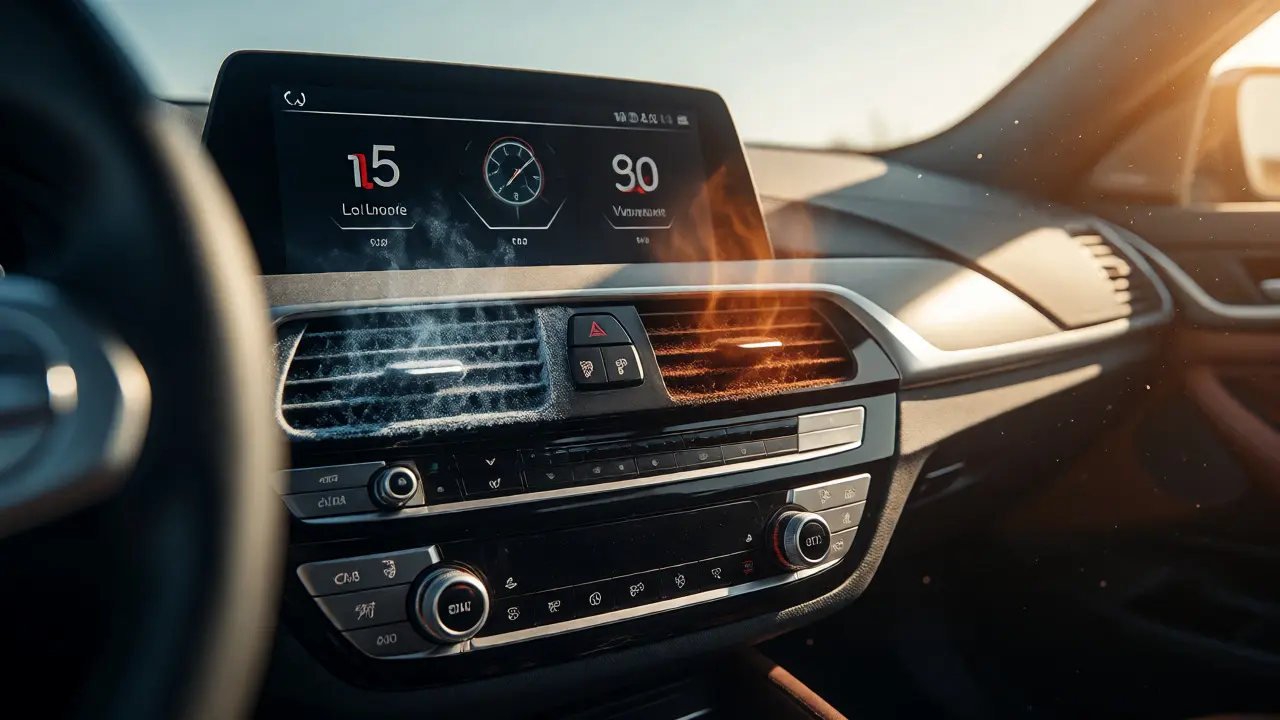
You’re driving down the highway on a scorching July afternoon. The driver’s side is freezing, but the passenger side feels like the inside of an oven. You check the controls-both are set to 65°F (18°C). What gives? If you have a dual-zone car AC system, this mismatch isn’t just annoying; it’s a signal that something in your vehicle’s climate control network has failed.
Most modern cars come equipped with these systems because they let two people be comfortable at once without fighting over the thermostat. But here’s the catch: dual-zone setups are more complex than old-school single-dial units. They rely on extra sensors, actuators, and sometimes separate refrigerant loops or blend doors. When they break, diagnosing the issue takes more than just checking the freon level. This guide walks you through exactly how these systems work, why they fail, and how to fix them before you end up sweating through your shirt-or shivering into hypothermia.
How Dual-Zone Climate Control Actually Works
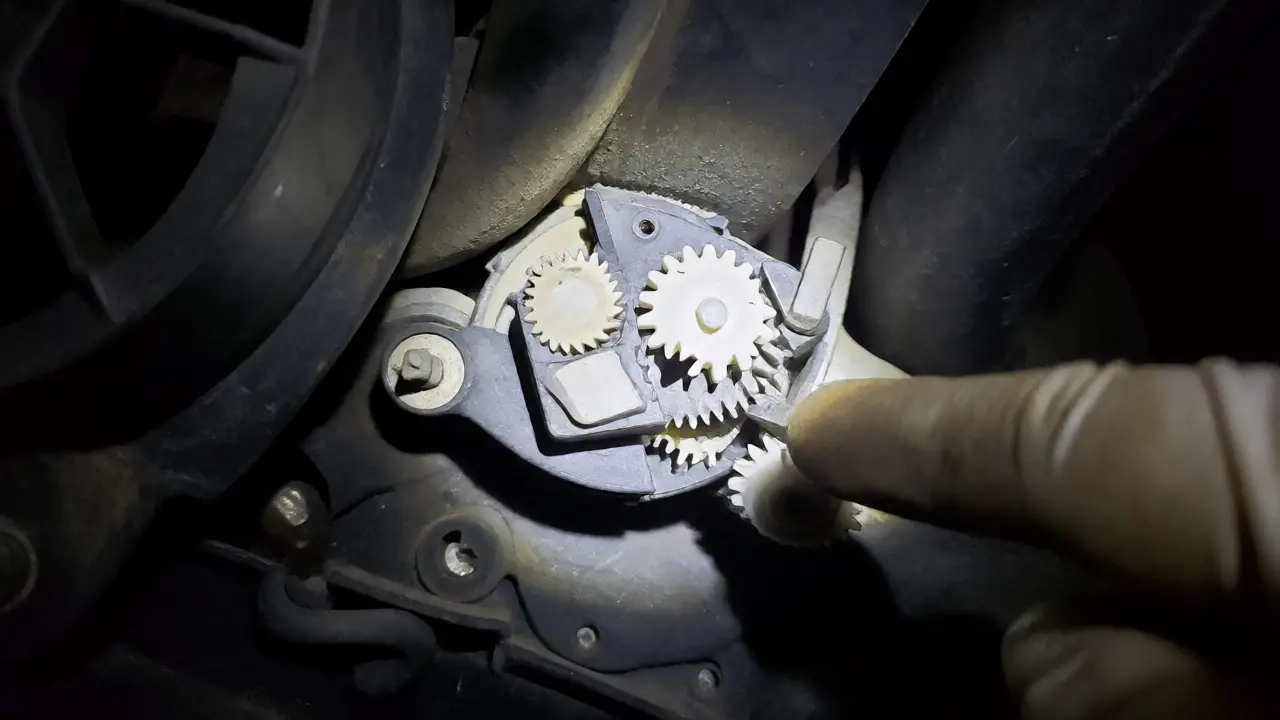
To fix the problem, you need to understand the machinery. A standard air conditioner cools air for the whole cabin. A dual-zone system splits that cooled air into two distinct streams-one for the driver, one for the passenger. It does this using blend door actuators, which are small electric motors that physically move flaps inside your dashboard to mix hot and cold air.
The process starts with the HVAC module, the computer brain of your heating, ventilation, and air conditioning system. It reads data from several sources:
- Cabin Temperature Sensors: Usually located behind the dash near the vents, these tell the module what the current air temp is.
- Sunload Sensors: Mounted on the top of the dashboard, these detect direct sunlight hitting the windshield to adjust cooling intensity.
- Evaporator Temperature Sensor: Prevents the core from freezing by monitoring its surface temp.
Common Failure Points in Dual-Zone Systems
Unlike mechanical parts that wear out gradually, electronic components in HVAC systems often fail abruptly. Here are the three most frequent culprits behind uneven cooling.
Stuck Blend Door Actuators
This is the number one cause of "one-side-hot, one-side-cold" issues. The actuator is a plastic gear-driven motor. Over time, the plastic gears strip, or the motor burns out. When this happens, the blend door stays stuck in one position. If it’s stuck closed, no cold air reaches that zone. If it’s stuck open, you get too much cold air. You can often hear a clicking sound coming from behind the glove box or under the dash when you change the temperature setting. That click is the stripped gear trying-and failing-to turn.
Refrigerant Leaks and Low Pressure
Some high-end vehicles use variable displacement compressors or even dual evaporator cores. In these setups, low refrigerant levels don’t always mean both sides lose cooling equally. One side might retain enough pressure to feel cold, while the other struggles. However, in most mainstream cars (like Honda Civics or Toyota Camrys), a leak affects the whole system. If both sides are warm, suspect a leak first. If only one side is warm, look elsewhere.
Faulty Cabin Air Filters
A clogged filter restricts airflow globally, but if the blockage is uneven or if the fan speed is low, the effect can feel asymmetric. More importantly, a dirty filter causes the evaporator core to freeze up. Once ice forms, it blocks airflow to specific ducts, leading to strange hot/cold pockets. Replacing a $20 filter is the cheapest diagnostic step you can take.
Step-by-Step Troubleshooting Routine
Before you spend money on parts, run this simple test sequence. It takes about ten minutes and requires no special tools.
- Check the Basics: Ensure both zones are set to the same temperature (e.g., 70°F) and fan speed is on High. Make sure "Recirculate" mode is off initially to rule out sensor confusion.
- Listen for Actuator Noise: Turn the driver’s side temp from Hot to Cold slowly. Do the same for the passenger side. Listen closely for clicking, grinding, or silence. Silence usually means a dead motor; clicking means stripped gears.
- Feel the Vents: Place your hand directly in front of the center vents and then the side vents. Is there a significant temperature difference? Note which side is warmer.
- Reset the System: Disconnect the negative battery terminal for 15 minutes. This resets the HVAC module’s learned positions. Sometimes, the software just needs a reboot to recalibrate the blend doors.
- Scan for Codes: Use an OBDII scanner capable of reading body codes (not just engine codes). Look for B-codes related to HVAC, such as B1445 (Driver Blend Door Circuit) or B1446 (Passenger Blend Door Circuit).
Maintenance Tips to Prevent Costly Repairs
Dual-zone systems aren’t maintenance-free. Ignoring them leads to compressor failure or expensive actuator replacements. Follow this schedule to keep things running smoothly.
| Task | Frequency | Why It Matters |
|---|---|---|
| Replace Cabin Air Filter | Every 15,000-20,000 miles | Prevents mold buildup and maintains airflow balance between zones. |
| Run AC Weekly (Even in Winter) | Once per week for 10 mins | Lubricates seals and prevents compressor clutch seizing due to lack of use. |
| Check Refrigerant Levels | Annually | Low pressure triggers safety shut-offs that mimic actuator failures. |
| Inspect Drain Tube | Every oil change | A clogged drain causes water damage to HVAC modules and electrical connectors. |
One critical tip: Never ignore a musty smell. Mold grows on the evaporator core when moisture sits stagnant. This biofilm insulates the core, reducing heat transfer efficiency. You’ll end up cranking the fan higher, straining the blower motor. Use an aerosolized AC cleaner spray designed for automotive use to kill bacteria and clear the drain path.
When to DIY vs. Visit a Professional
Can you fix this yourself? Yes, if you’re handy. Can you fix it easily? Depends on the part.
DIY Friendly: * **Cabin Air Filter:** Located behind the glove box or under the hood. Takes 5 minutes. * **Blend Door Actuator:** Often accessible without removing the entire dashboard. Requires basic socket sets and patience. Watch a YouTube video specific to your make/model first. * **Battery Reset:** Free and solves software glitches.
Pro Required: * **Refrigerant Recharge:** Requires EPA-certified recovery machines. DIY cans often contain stop-leak additives that clog expansion valves in complex dual-zone systems. * **HVAC Module Replacement:** Needs programming with a specialized scan tool (like Techstream for Toyota or IDS for Ford). * **Leak Detection:** UV dye and electronic sniffer tools are needed to find micro-leaks in lines hidden deep in the firewall.
Troubleshooting Specific Scenarios
Let’s tackle real-world complaints drivers report most often.
Scenario 1: Driver Side Cold, Passenger Side Warm This is almost always a faulty passenger blend door actuator. The driver’s side works because its actuator is functional. Replace the passenger unit. Part cost: $50-$150. Labor: 1-2 hours.
Scenario 2: Both Sides Blow Hot Check the compressor clutch. Does it engage? If not, check fuses and relays. If it engages but still blows hot, check refrigerant pressure. If pressure is normal, the expansion valve may be blocked.
Scenario 3: Blowing Cold, Then Suddenly Warm The evaporator is freezing over. This indicates a low refrigerant charge or a failing blower motor speed controller. The ice builds up, blocks airflow, melts, and repeats. Check the blower resistor first-it’s a cheap part ($20) compared to a compressor.
Can I drive with a broken dual-zone AC?
Yes, but comfort suffers. If the compressor seizes completely, it can damage the serpentine belt, leaving you without power steering or alternator function. Monitor for squealing noises. If the system just lacks cooling, you’re safe to drive until you can book a repair.
Why does my AC work better on Max A/C?
Max A/C bypasses some blend door logic and runs the compressor at full capacity. If it works here but not in Auto mode, your issue is likely a faulty sunload sensor or cabin temperature sensor giving incorrect readings to the HVAC module.
How much does it cost to fix a blend door actuator?
Parts range from $50 to $200 depending on the vehicle. Labor adds $100-$300. Total shop costs typically fall between $200 and $500. DIY saves the labor fee but requires careful disassembly of trim panels.
Do all dual-zone systems have two compressors?
No. Most use a single compressor with a sophisticated ductwork and blend door setup. Only luxury vehicles or hybrids sometimes use electric auxiliary compressors for rear zones or independent front/rear control. Check your owner’s manual for specifics.
Why is my AC blowing humid air?
The evaporator core removes moisture from the air. If it’s frozen or dirty, condensation doesn’t drain properly. Water drips onto the floor mats instead of outside. Clean the filter and ensure the drain tube under the car is clear.