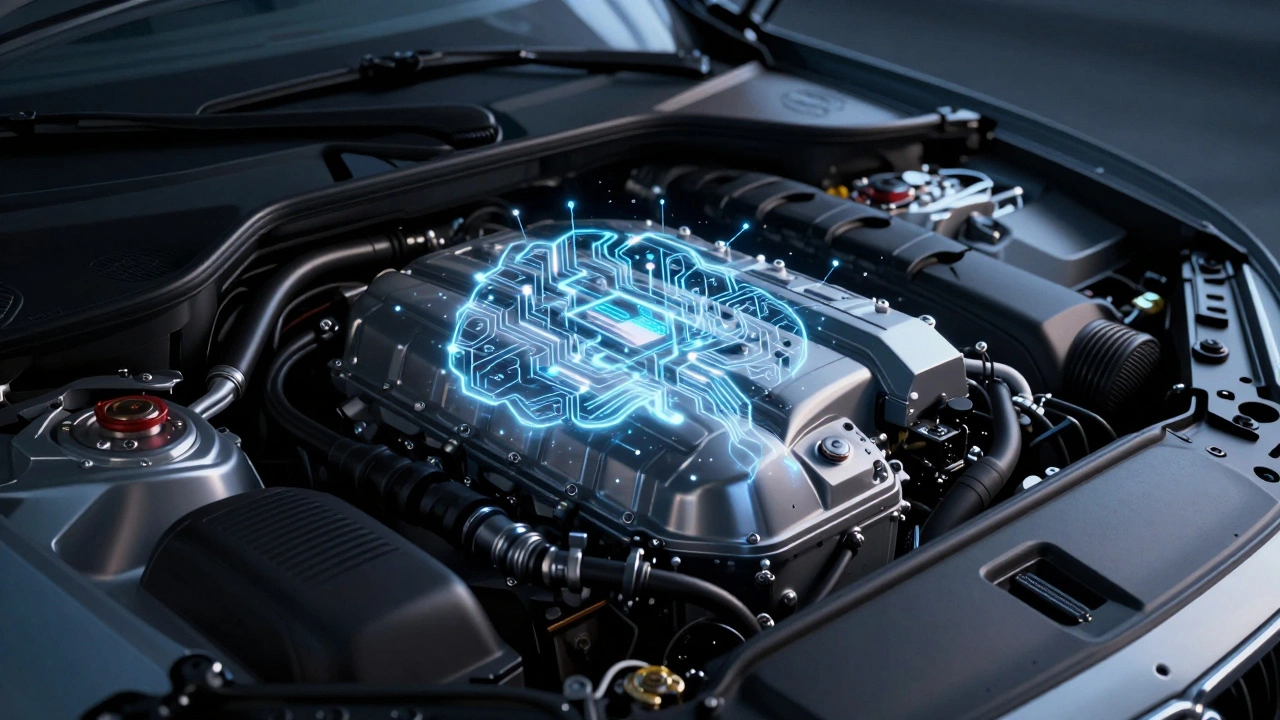
Whether you're looking to squeeze an extra 80 horsepower out of a turbocharged engine or you've just replaced a damaged door module and can't get the windows to roll down, understanding how these electronic systems talk to each other is key. For European cars, this isn't as simple as plugging in a generic scanner; it requires manufacturer-specific protocols and specialized hardware.
The Core of the System: What is an ECU?
The ECU (Engine Control Unit) is essentially the central computer of your car. It manages everything from fuel injection and ignition timing to boost pressure in turbocharged engines. However, a modern European car isn't controlled by just one brain. It uses a network of distributed modules-everything from the transmission control to the infotainment system and safety sensors-all communicating via a complex wiring architecture.
When we talk about programming, we are usually doing one of four things:
- ECU Flashing: Overwriting the existing software with a new version. This is common for performance upgrades or official manufacturer updates.
- Parameter Optimization: Fine-tuning specific "maps" like fuel delivery or spark timing to get more power or better MPG.
- Variant Coding: Telling the car it has a specific feature. For example, if you install OEM fog lights, you might need to "code" the ECU to recognize them so they actually turn on.
- Module Adaptation: Calibrating two different parts to work together. If you replace a steering angle sensor, the car needs to "learn" where center is through an adaptation process.
Manufacturer-Specific Tools and Software
You can't just use any tablet to program a Mercedes or a BMW. Each brand has its own "language" and security gateways designed to keep unauthorized users out. Using the wrong tool can lead to a "bricked" module-meaning the hardware becomes a useless plastic box because the software was corrupted during the write process.
Depending on what you drive, the toolkit looks very different. For instance, BMW owners and techs rely on ISTA-P for dealer-level programming and E-Sys for more advanced coding of F and G series models. If you're into deep tuning, you'll see tools like KESSv2 or KTAG being used to read the ECU's memory directly.
Over at Mercedes-Benz, the gold standard is Xentry for diagnostics, while engineers use DTS Monaco or Vediamo for low-level programming. For Audi and Volkswagen, the VCDS (VAG-COM Diagnostic System) is the most ubiquitous tool for modifying vehicle settings and performing adaptations.
| Manufacturer | Official/Dealer Tool | Engineering/Tuning Tool | Primary Use Case |
|---|---|---|---|
| BMW | ISTA-P | E-Sys / KESSv2 | Coding & Performance |
| Mercedes-Benz | Xentry | DTS Monaco / Vediamo | System Diagnostics & Logic |
| Audi/VW | ODIS | VCDS | Adaptations & Feature Activation |
Performance Gains: The Power of Tuning
For those with turbocharged European engines, the gains from a professional remap are often staggering. By adjusting the boost pressure and fuel maps, it's common to see horsepower increases ranging from 40 to over 100 hp. But it's not just about peak numbers. A good tune improves throttle response, making the car feel more "awake" and responsive when you step on the gas.
However, there's a catch. If your car has worn-out spark plugs or a leaking turbo seal, increasing the boost pressure will only accelerate the failure of those parts. Professional tuners always perform a health check first. If the mechanical foundation isn't solid, the software can't save you-it will only push the car toward a breakdown faster.
Restoration and Module Replacement
Programming isn't always about speed. Often, it's about survival. If a window regulator module fries due to a short circuit, you can't just swap in a part from a junkyard and expect it to work. Most European modules are "married" to the vehicle's VIN (Vehicle Identification Number) via an immobilizer system.
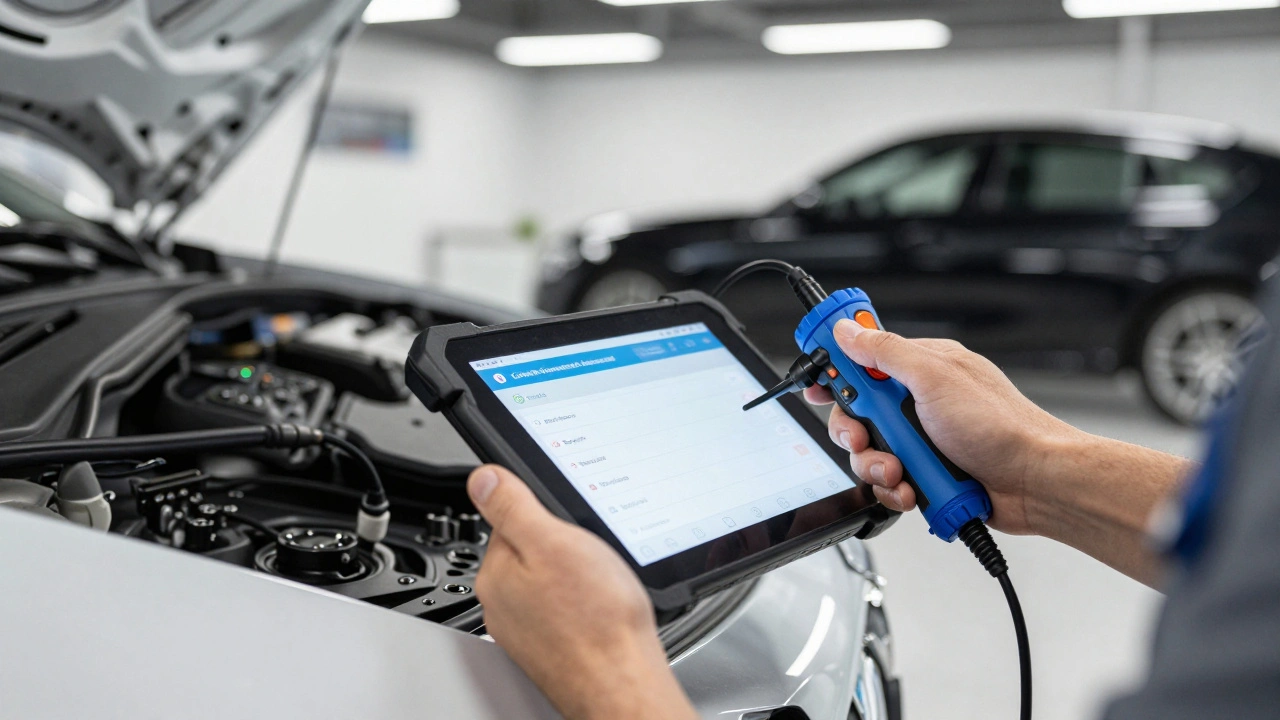
This is where professional tools like the Autel MaxiIM IM608 or the Launch X431 series come in. These tools can read the EEPROM (Electrically Erasable Programmable Read-Only Memory) and the MCU (Microcontroller Unit) to clone data from an old module to a new one, or program a new key to the immobilizer. Without this step, your car might refuse to start or throw a constant "Communication Error" on the dashboard.
DIY vs. Professional Programming
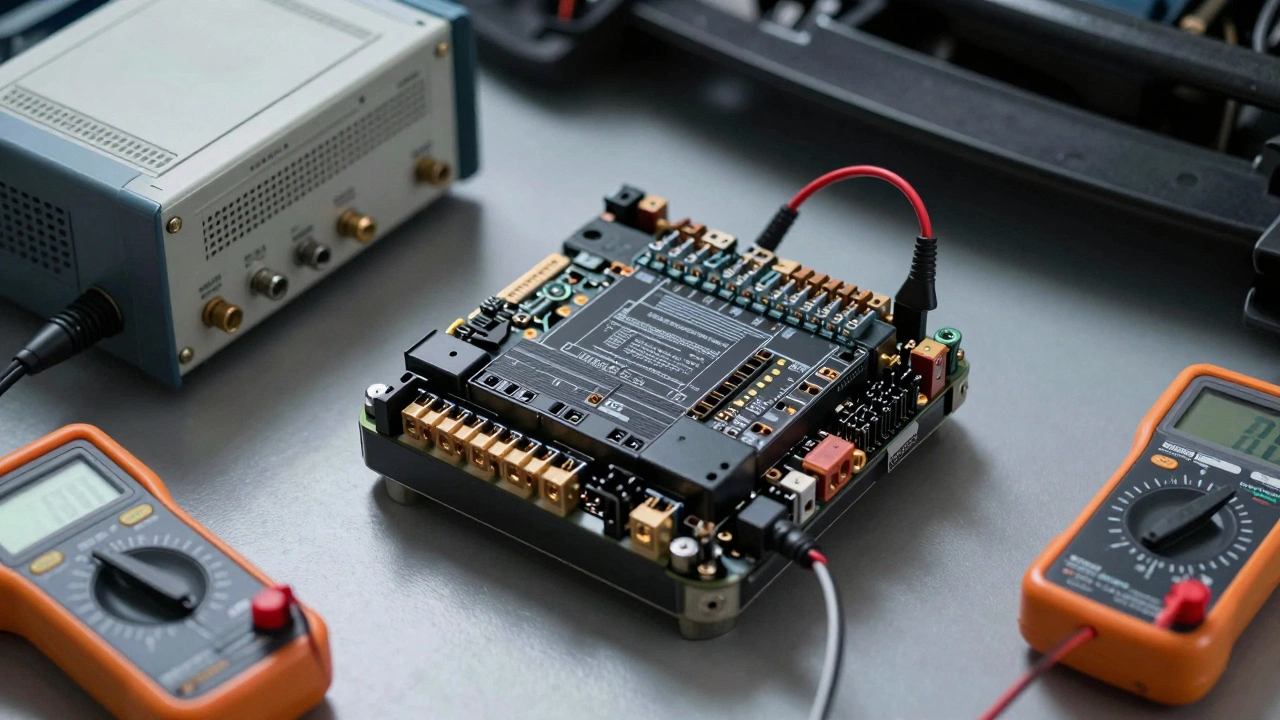
With the rise of YouTube tutorials, many owners are tempted to buy a cheap OBD dongle and start changing codes. While some basic tasks (like turning off a day-time running light) are low-risk, flashing an ECU is a different beast entirely. If the power drops for even a second during a flash, you can corrupt the firmware. Recovering a bricked ECU often requires "bench mode" programming, where the unit is physically removed from the car and connected to a hardware programmer via pins.
Professionals use stabilized power supplies to ensure the voltage doesn't dip during the process. They also have access to the latest security tokens required by manufacturers to bypass the gateways. For most people, the cost of a professional service is far lower than the cost of towing a dead car to a dealership and paying for a brand-new ECU.
The Future of European Vehicle Software
We are moving toward a world of "Software Defined Vehicles." European manufacturers are increasingly locking down their systems to prevent unauthorized modifications, citing safety and emissions compliance. This means the tools will continue to evolve, moving from simple OBD reads to complex cloud-based authentication. Staying current with these security protocols is what separates a hobbyist from a professional technician.
Will ECU programming void my warranty?
Generally, yes. Most manufacturers can detect if the ECU has been flashed or if parameters have been changed. If an engine failure occurs and the dealer finds a non-factory tune, they may deny warranty claims related to the powertrain.
How long does a typical module reprogramming take?
A simple adaptation or coding change can take 15 to 30 minutes. However, a full ECU flash or the installation and programming of a new complex module (like a Transmission Control Module) can take several hours depending on the software update size and the need for calibration drives.
Can I program my own European car with a generic OBD2 scanner?
No. Generic scanners are designed to read fault codes (DTCs) and clear them. They cannot write new software to the ECU, change variant coding, or perform module adaptations. You need manufacturer-specific software like VCDS, ISTA, or Xentry for that.
What is "Bench Mode" programming?
Bench mode is when the ECU is physically removed from the vehicle and connected to a programmer on a workbench. This is used when the OBD port is locked, the ECU is unresponsive (bricked), or the technician needs direct access to the chip for cloning.
Does ECU tuning affect fuel economy?
It depends on how you drive. While some tunes are designed for maximum power (which can decrease MPG if you have a heavy foot), many optimization tunes actually improve fuel efficiency by optimizing the air-fuel ratio and ignition timing for better combustion.
Next Steps for Vehicle Owners
If you're planning to modify your car's software, start with a full diagnostic scan to ensure there are no hidden fault codes. If you've recently replaced a part and it's not working, check if that module requires an adaptation process before assuming the part is defective. For performance gains, look for a shop that provides a "dyno-tune" rather than a generic "off-the-shelf" file; this ensures the software is tailored to your specific engine's health and environment.