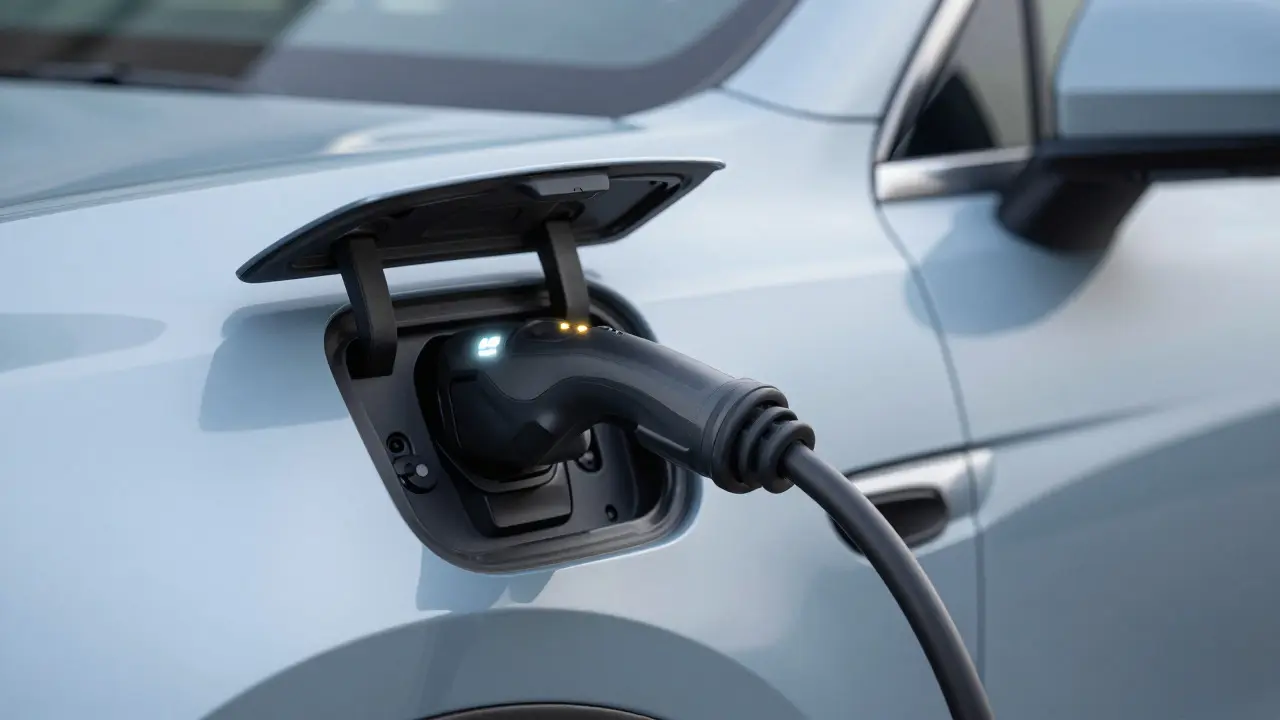
Buying an electric vehicle is a big financial commitment, but the real headache often comes later. You’re not just buying a car; you’re buying a complex piece of technology with a massive battery pack that dictates its value and lifespan. If your electric car warranty expires right when your battery starts degrading, you could be looking at a five-figure repair bill out of pocket. Understanding exactly what is covered, for how long, and under what conditions is the difference between peace of mind and financial stress.
The landscape for EV-specific coverage details that protect owners from costly repairs on high-voltage components like batteries and motors has shifted significantly by 2026. Manufacturers have standardized their approaches, but there are still critical nuances that most buyers miss. This guide breaks down the standard protections, the hidden exclusions, and how to extend your coverage without getting ripped off.
The Baseline: Federal Minimums vs. Manufacturer Reality
First, let’s clear up a common misconception. The federal government mandates a minimum warranty for all new vehicles, including EVs. Under the Magnuson-Moss Warranty Act, every new car sold in the U.S. must come with a basic bumper-to-bumper warranty. For most manufacturers, this lasts three years or 36,000 miles, whichever comes first. This covers almost everything except wear-and-tear items like tires and brake pads.
However, the heart of an EV is its powertrain, specifically the battery and electric motor. Because these components are expensive and central to the vehicle's function, they carry a separate, longer warranty. As of 2026, the industry standard for the High-Voltage Battery and drive unit is eight years or 100,000 miles. This isn't just a marketing fluff; it’s a legal requirement for many states to ensure consumers aren’t left holding the bag on the most expensive part of the car.
But here is where it gets tricky. Does "eight years" mean eight calendar years from the date of purchase? Yes. Does it reset if you buy a used EV? No. If you buy a two-year-old EV, you only have six years left on that critical battery protection. This distinction is vital for anyone considering the pre-owned market.
What Exactly Is Covered Under EV-Specific Terms?
When people hear "battery warranty," they assume it means free replacement if the range drops slightly. That’s rarely the case. The coverage is specific to performance thresholds. Most manufacturers guarantee that the battery will retain at least 70% of its original capacity at the end of the warranty period. If your Lithium-Ion Battery Pack holds less than 70% of its initial charge after eight years or 100,000 miles, you qualify for a repair or replacement.
Let’s look at some concrete examples from major players in the 2026 market:
- Tesla: Offers an 8-year warranty on Model 3 and Y (Standard Range) and Model S/X (Long Range). The threshold is 70% state of health. Notably, Tesla also includes a 4-year/50,000-mile limited warranty on the rest of the car.
- Hyundai/Kia: Their EV lineup, including the Ioniq 5 and EV6, comes with an 8-year/100,000-mile battery warranty. They also offer a unique 10-year/100,000-mile powertrain warranty, which is broader than the federal minimum.
- Chevrolet: The Bolt EUV and Equinox EV feature an 8-year/100,000-mile battery warranty. GM has been aggressive in extending their software support, which is a subtle but valuable part of modern EV ownership.
- Ford: The Mustang Mach-E and F-150 Lightning include an 8-year/100,000-mile battery warranty. Ford also provides a 3-year/36,000-mile basic warranty, aligning with industry norms.
Notice that while the battery terms are similar, the "basic" warranty varies. Some brands cover the air conditioning compressor and infotainment system for four years, while others stick to the three-year federal minimum. Always check the owner’s manual for the specific breakdown of component coverage.
Battery Health: The Metric That Matters
State of Health (SoH) is the key metric in any a measure of the current capacity of an EV battery compared to its original full capacity dispute. It is expressed as a percentage. A new battery has a SoH of 100%. As you charge and discharge the battery, chemical reactions degrade the cells, lowering the SoH.
Most EVs lose about 1-2% of their SoH per year under normal driving conditions. By year eight, a typical battery might sit around 85-90% SoH, well above the 70% warranty threshold. However, extreme usage can accelerate degradation. Factors that hurt battery life include:
- Extreme Heat: Living in Phoenix or Las Vegas without proper thermal management can degrade cells faster than living in Seattle.
- Frequent Fast Charging: Using DC fast chargers daily puts more stress on the battery chemistry than using Level 2 home charging.
- Deep Discharges: Regularly letting the battery drop below 10% before recharging can reduce longevity.
If you live in a hot climate, consider keeping your battery charged between 20% and 80% for daily driving. Reserve full charges for road trips. This simple habit can help keep your SoH higher, potentially avoiding warranty claims entirely.

Used EVs: Transferring the Warranty
One of the biggest questions for buyers of used EVs is whether the warranty transfers. In most cases, yes. The manufacturer’s warranty follows the vehicle, not the owner. If you buy a 2023 model with a 2031 battery expiration date, you inherit that protection until 2031, regardless of who bought it new.
However, there are caveats. The "basic" bumper-to-bumper warranty usually does not transfer fully. Many manufacturers limit the remaining basic warranty to the lesser of the original term or a certain number of months/miles after the sale. For example, if a car had one year left on its basic warranty, you get that one year. But if it had zero left, you get nothing.
Always verify the exact expiration dates before purchasing. Ask the dealer for a printout of the warranty status from the manufacturer’s portal. Don’t rely on verbal assurances. If the battery warranty is expired, negotiate the price down accordingly, assuming a potential $10,000-$15,000 replacement cost if the battery fails soon.
Extended Warranties: Worth the Money?
Once the factory warranty expires, you’re on your own. Extended warranties, or Service Contracts, fill that gap. But are they worth it? It depends on your risk tolerance and the vehicle’s age.
For a new EV, an extended warranty typically costs $1,500 to $3,000 for three additional years. Given that battery replacements can cost upwards of $15,000, this seems like a no-brainer. But remember, the probability of a total battery failure within the first 11 years (8 factory + 3 extended) is relatively low. Most failures happen due to manufacturing defects, which are caught in the early years.
Consider these factors before buying an extended plan:
- Vehicle Reliability Data: Check consumer reports and J.D. Power rankings for your specific model. If the brand has a history of electrical gremlins, the extended warranty is safer.
- Cost of Repair: Compare the price of the extended warranty to the average cost of replacing the battery or motor. If the repair is cheaper than the annual premium, skip it.
- Exclusions: Read the fine print. Do they cover software glitches? Do they cover damage from improper charging? Many extended plans exclude "wear items" like brakes and tires, which is standard, but some oddly exclude the inverter or onboard charger.
A good rule of thumb: If you plan to keep the car for more than 10 years, an extended warranty makes sense. If you sell it before year 8, the factory warranty likely covers your entire ownership period, making the extension unnecessary.
Common Exclusions and Pitfalls
Even with comprehensive coverage, there are gaps. Here are the most common reasons EV warranty claims get denied:
- Accidental Damage: Hitting a curb and cracking the battery housing is usually considered physical damage, not a mechanical failure. This falls under auto insurance, not the manufacturer warranty.
- Improper Maintenance: While EVs have fewer moving parts, they still require service. Skipping recommended coolant flushes or software updates can void coverage for related components.
- Aftermarket Modifications: Installing third-party chargers or modifying the suspension can sometimes void the warranty on related systems. Stick to OEM-approved accessories.
- Software Glitches: Some manufacturers classify software bugs as "known issues" rather than defects. If the fix requires a firmware update, it’s usually free, but if it requires hardware replacement due to a software-induced failure, approval can be slow.
Keep meticulous records of all maintenance visits and software updates. If you experience a recurring issue, document it with photos and videos. This evidence strengthens your claim if the dealer tries to deny it.
Comparing Top EV Warranty Packages
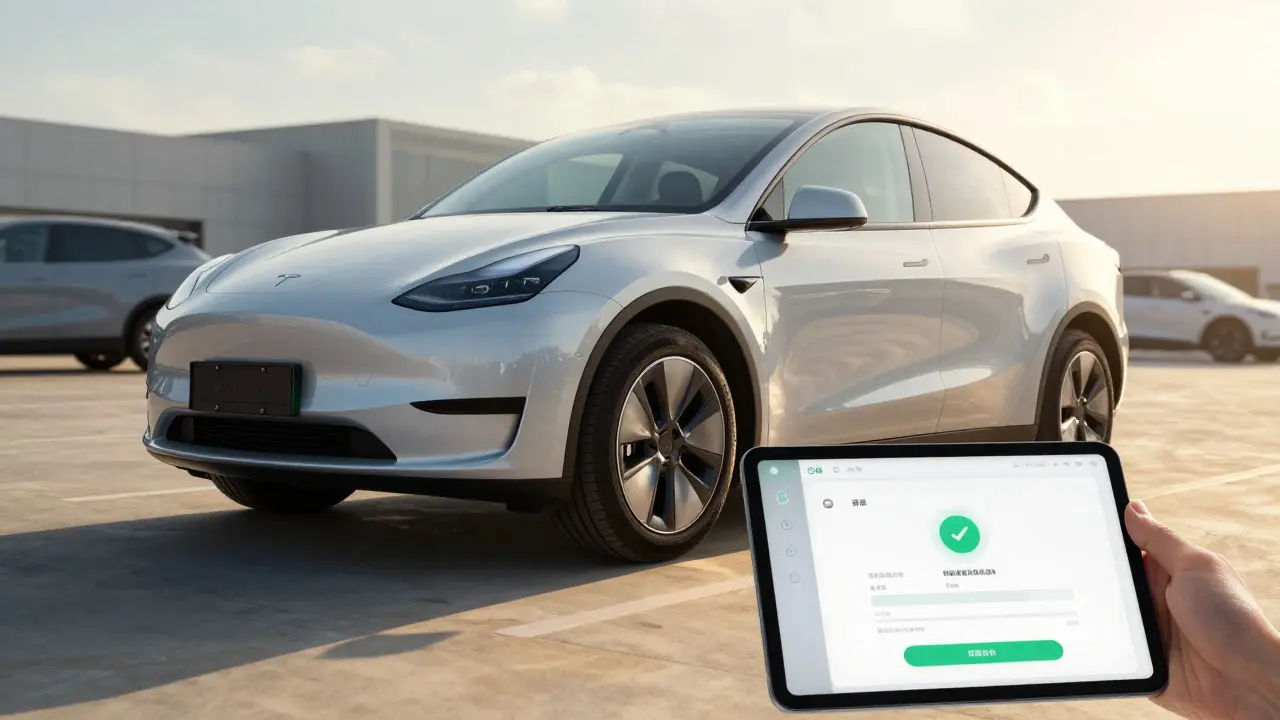
To help you visualize the differences, here’s a comparison of warranty terms for popular 2026 models:
| Model | Basic Warranty | Battery Warranty | Powertrain Warranty | Key Notes |
|---|---|---|---|---|
| Tesla Model Y | 4 yrs / 50k miles | 8 yrs / 100k miles | 8 yrs / 100k miles | 70% SoH threshold |
| Hyundai Ioniq 5 | 5 yrs / 60k miles | 8 yrs / 100k miles | 10 yrs / 100k miles | Strongest basic coverage |
| Chevrolet Equinox EV | 3 yrs / 36k miles | 8 yrs / 100k miles | 8 yrs / 100k miles | Standard federal compliance |
| Ford Mustang Mach-E | 3 yrs / 36k miles | 8 yrs / 100k miles | 8 yrs / 100k miles | Includes roadside assistance |
| BMW iX | 4 yrs / Unlimited miles | 8 yrs / Unlimited miles | 8 yrs / Unlimited miles | No mileage cap on basic/battery |
Note that BMW offers unlimited mileage on its basic and battery warranties, which is a significant advantage for high-mileage drivers. If you drive more than 15,000 miles a year, prioritize brands with unlimited mileage caps or higher mileage limits.
How to Maximize Your Coverage
You don’t need to be a lawyer to protect yourself. Follow these practical steps to ensure you get the most out of your EV warranty:
- Register Your Vehicle Online: Create an account with the manufacturer’s customer portal. This gives you direct access to recall notices, software updates, and warranty status.
- Use Authorized Dealers for Major Repairs: While minor fixes can be done anywhere, major electrical work should be handled by certified technicians to avoid disputes over labor quality.
- Monitor Your SoH: Many apps allow you to track your battery’s State of Health. Download one early to establish a baseline. If the SoH drops unexpectedly, contact the dealer immediately.
- Keep Proof of Purchase and Maintenance: Store digital copies of your invoice, registration, and all service receipts. These documents are crucial if you need to prove the car was maintained properly.
- Understand the Claim Process: Know who to call if something goes wrong. Usually, it’s the dealership’s service manager, but for complex cases, you may need to escalate to the manufacturer’s warranty department.
By staying proactive, you turn the warranty from a passive safety net into an active tool for protecting your investment.
Frequently Asked Questions
Does the EV battery warranty cover charging port damage?
Usually, no. Physical damage to the charging port, such as bending the pins or cracking the housing, is often considered accidental damage and excluded from the standard warranty. However, if the port fails electronically without physical impact, it is typically covered under the basic bumper-to-bumper warranty.
What happens if my battery reaches 65% SoH at year 7?
If your battery drops below 70% SoH before the 8-year or 100,000-mile mark, you are eligible for a warranty claim. The manufacturer will either replace the entire pack or repair individual modules, depending on the extent of the degradation. You do not need to wait until year 8 to file a claim.
Is the warranty transferable if I sell my EV?
Yes, the manufacturer’s warranty is tied to the vehicle VIN, not the owner. When you sell the car, the remaining time and mileage on both the basic and battery warranties transfer to the new owner automatically. This adds value to your resale price.
Do I need an extended warranty if I have a strong credit score?
Your credit score doesn’t directly affect warranty coverage, but it may influence the cost of financing an extended warranty. More importantly, if you plan to keep the car beyond the 8-year battery warranty, an extended plan is wise regardless of credit. If you sell before year 8, you likely don’t need it.
Can I use non-OEM batteries to save money on repairs?
Using non-OEM (aftermarket) batteries can void the remainder of your factory warranty. Most manufacturers require OEM parts for warranty repairs. Once the warranty expires, you can choose aftermarket options, but availability is limited and compatibility issues can arise.