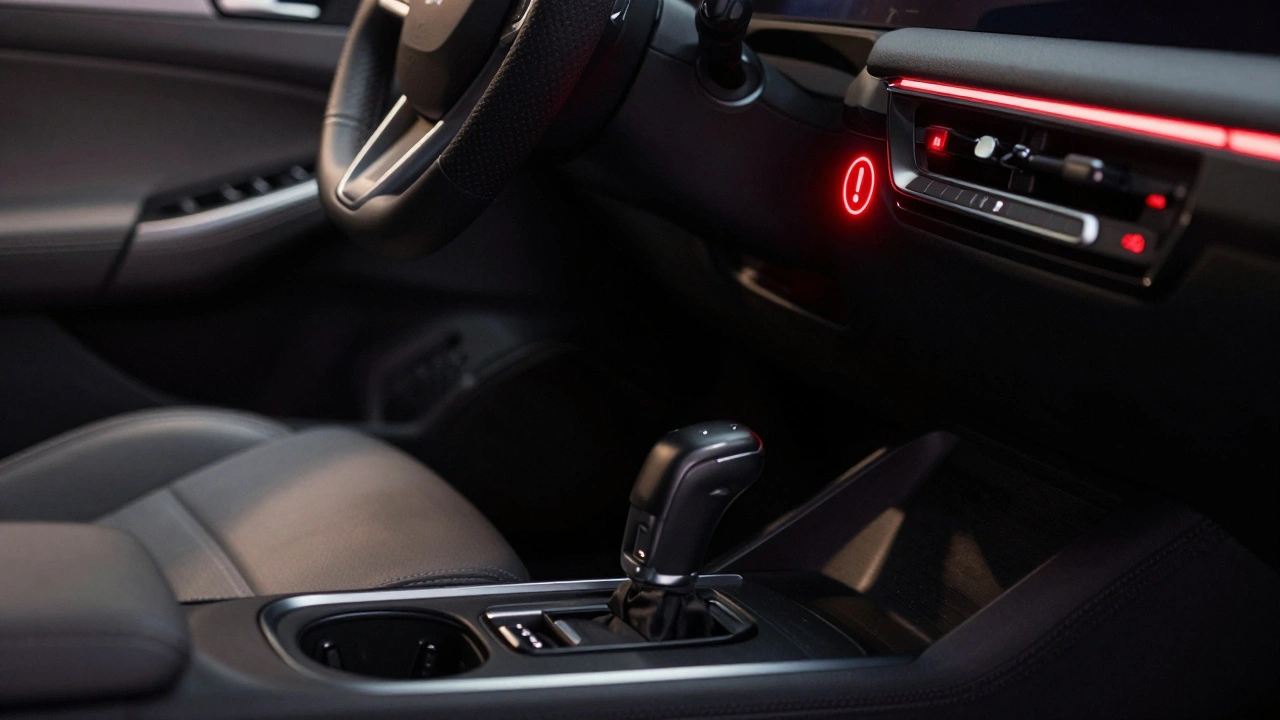
Your dashboard lights up with a red warning icon, and you can’t seem to get your car out of park. It happens more often than you might think in 2026. While traditional levers have disappeared from modern vehicles, the “heelie” switch under your foot does its job silently. However, when it fails, the solution isn’t always obvious. If you have noticed unusual noises or stuck mechanisms, understanding how the system works is your first step toward fixing it.
Understanding the Electronic Braking System
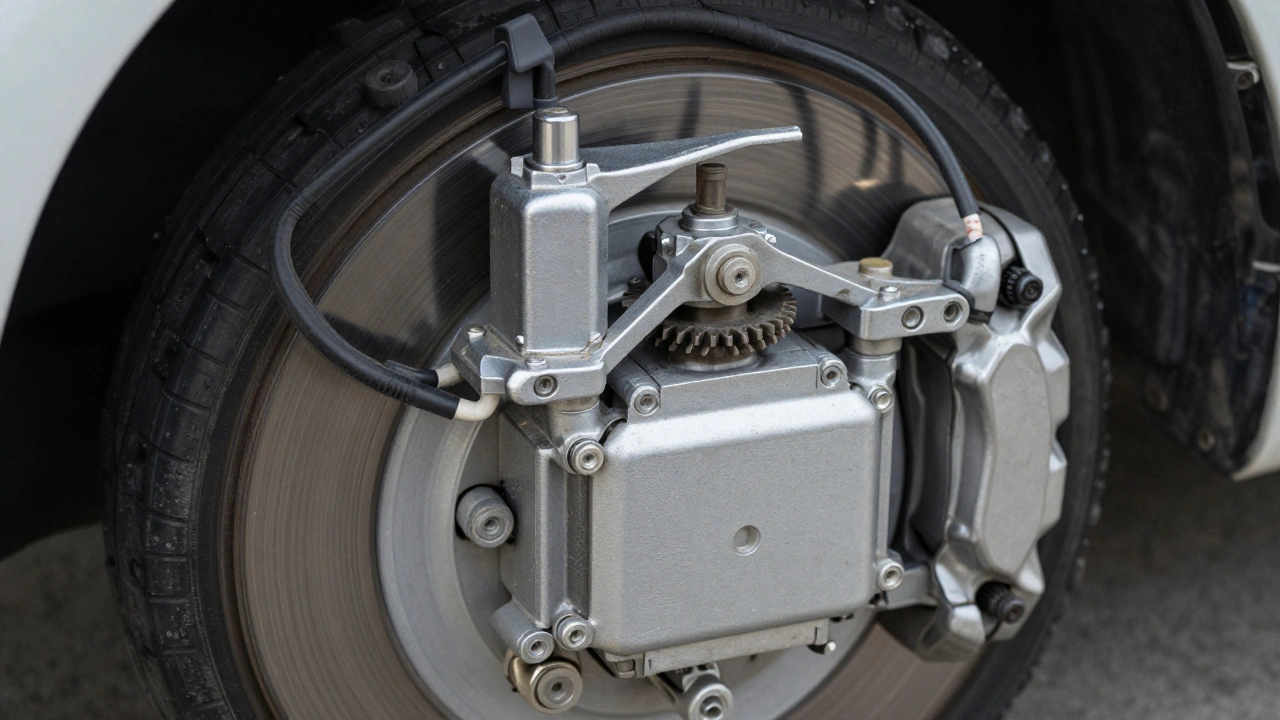
Electric Parking Brake, or EPB, is a vehicle safety feature that uses a motor to apply braking force instead of a cable pull. Unlike the old manual cables found in older cars, these systems integrate directly into the rear brake calipers. A small DC motor, known as an actuator, pulls the mechanism to lock the wheels when you press the switch. This design offers a cleaner cabin and better space management, which is why manufacturers made it standard across nearly every model by mid-2026. However, the complexity shifts from physical wear to electrical reliability.
The system relies on a communication chain between the switch, a control module, and the actuators. If any link breaks, the entire system goes offline. You cannot engage the brake while moving, which makes it distinct from emergency mechanical brakes. Drivers sometimes worry about safety here, knowing that if the battery dies completely, the brake stays locked until power returns. This reality means a dead car battery can turn into a tow truck expense quickly without the right jumper cables or jump starter handy.
Identifying Common Electrical Faults
Most trouble starts with electricity. Wiring harnesses run along the chassis and through suspension components, making them vulnerable to vibration damage over time. Corrosion, especially in rainy climates like the Pacific Northwest, eats away at connectors. When moisture gets into a connector, it causes resistance or shorts. This sends error codes to the computer, triggering the red brake warning light on your dash.
- Fuse box failures can cut power instantly.
- Loose ground wires prevent the circuit from closing.
- Damaged wires near heat sources may melt insulation.
Sensor malfunctions represent another frequent problem area. The car monitors wheel speed and switch position constantly. If a sensor sends false data, the computer assumes the brake is faulty even if the mechanics work fine. You might drive with the light on constantly because the system simply misinterprets the signal. Cleaning contacts helps sometimes, but replacing sensors is often necessary.
| Type of Issue | Common Symptom | Potential Cause |
|---|---|---|
| Electrical | Dashboard Light Only | Fuse or Wiring Short |
| Mechanical | Clicking or Whistling | Actuator or Caliper Wear |
| Sensor | False Warnings | Misaligned Switch |
Mechanical Wear and Physical Blockages
While electronics dominate the conversation, mechanics still fail. Dirt accumulates on the switch button itself. If you live in a dusty area or frequently track mud in, debris jams the toggle mechanism. The system refuses to register your command because the physical button won’t move far enough. A simple cleaning with compressed air or a soft brush solves this without needing parts.
Cables and calipers suffer from rust just like mechanical brakes do. Water seeps into the seal over years, causing the piston to stick. If the actuator binds, the motor overheats trying to force movement. You might smell burning rubber or plastic coming from the rear wheels after parking. Do not ignore this smell. Continuous engagement stresses the system, leading to rapid degradation of brake pads and discs. In extreme cases, the brakes remain clamped down while driving, causing dangerous drag and excessive wear.
Step-by-Step Reset Procedures
Before calling a shop, try resetting the system. Software glitches sometimes cause temporary lockouts. The procedure varies by brand, so consult your owner’s manual first. Generally, you need the ignition on and the foot brake depressed. Some models require holding both buttons simultaneously. Others need a specific sequence of pressing and releasing the switch.
- Ensure the vehicle battery voltage is adequate.
- Press the service brake pedal firmly with your left foot.
- Hold the parking brake switch for five to ten seconds.
- Listen for a click or watch the indicator light blink.
- Release the button and check if the warning clears.
If a diagnostic scan tool is available, connect it to the OBD port. Modern computers store specific fault codes for the electric parking brake system. Clearing codes alone might not fix the root issue, but it confirms if the glitch was temporary. If the code returns immediately, there is a hard fault requiring repair. Attempting to force the brake off without deactivating the system electronically can break the gears inside the caliper.
Maintenance and Prevention Strategies
Preventive care keeps the system functional for years. Regularly inspect the wiring harness visible near the trunk or rear bumper. Look for fraying or exposed copper strands. Clean the button area every few months to prevent grime buildup. Keep the battery terminals tight; low voltage confuses the control module. If you plan to store the car for winter, disconnect the battery or ensure it remains charged to avoid activation locks.
Avoid engaging the brake on slippery surfaces where possible. While safe, frequent application on ice might increase motor stress. Let the vehicle roll slightly before locking up in extreme conditions. Manufacturers recommend servicing the system during major tune-ups. Technicians measure the travel of the actuator and test the switch resistance values. Skipping this maintenance often leads to surprise breakdowns later.
When Professional Help Is Necessary
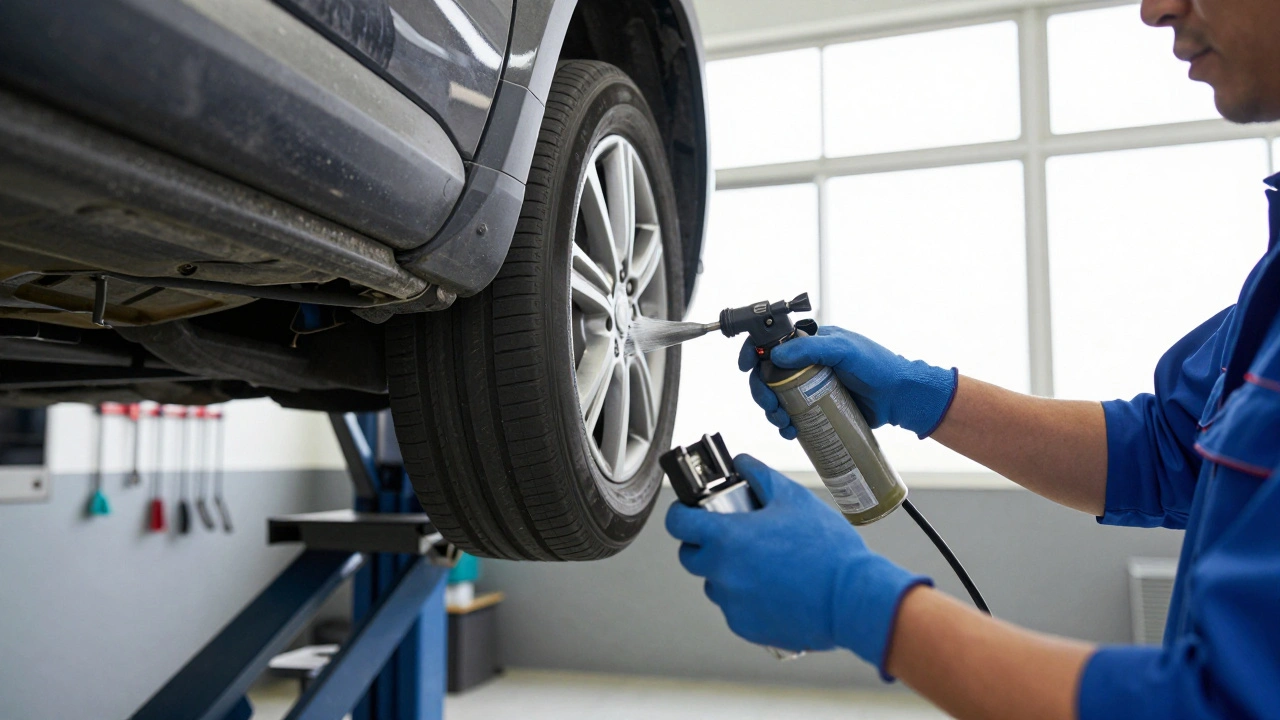
Some repairs demand specialized tools. Removing the caliper requires specific software commands to retract the piston safely. Forcing it mechanically destroys the seal. Authorized service centers have proprietary equipment to deactivate the motor and release tension. If DIY attempts fail, bring the car in. Attempting advanced repairs without the right interface risks permanent damage to the electronic control unit.
FAQ
Can I drive my car if the EPB light is on?
Driving with the warning light active puts stress on the hydraulic brakes. If the EPB is engaged, you risk damaging rotors. If disengaged but the light stays on due to a sensor, driving is usually safe temporarily, but diagnosis is needed soon.
Does a dead battery lock the parking brake?
Yes. Most systems hold the brake applied when power is lost. You must reconnect a charger or jump-start the battery before the system allows you to release the brake pads.
How much does EPB repair cost?
Costs vary widely. A simple fuse replacement is cheap, but replacing an actuator can range from hundreds to over a thousand dollars depending on the vehicle brand and labor rates.
Can I manually release the brake?
Some vehicles have a manual override lever hidden near the transmission tunnel, but many newer models rely entirely on electrical release. Consult your manual for emergency access.
Why do I hear clicking sounds from the rear?
Clicking usually indicates the motor is struggling to engage or release. This points to sticking calipers or low voltage preventing smooth operation.