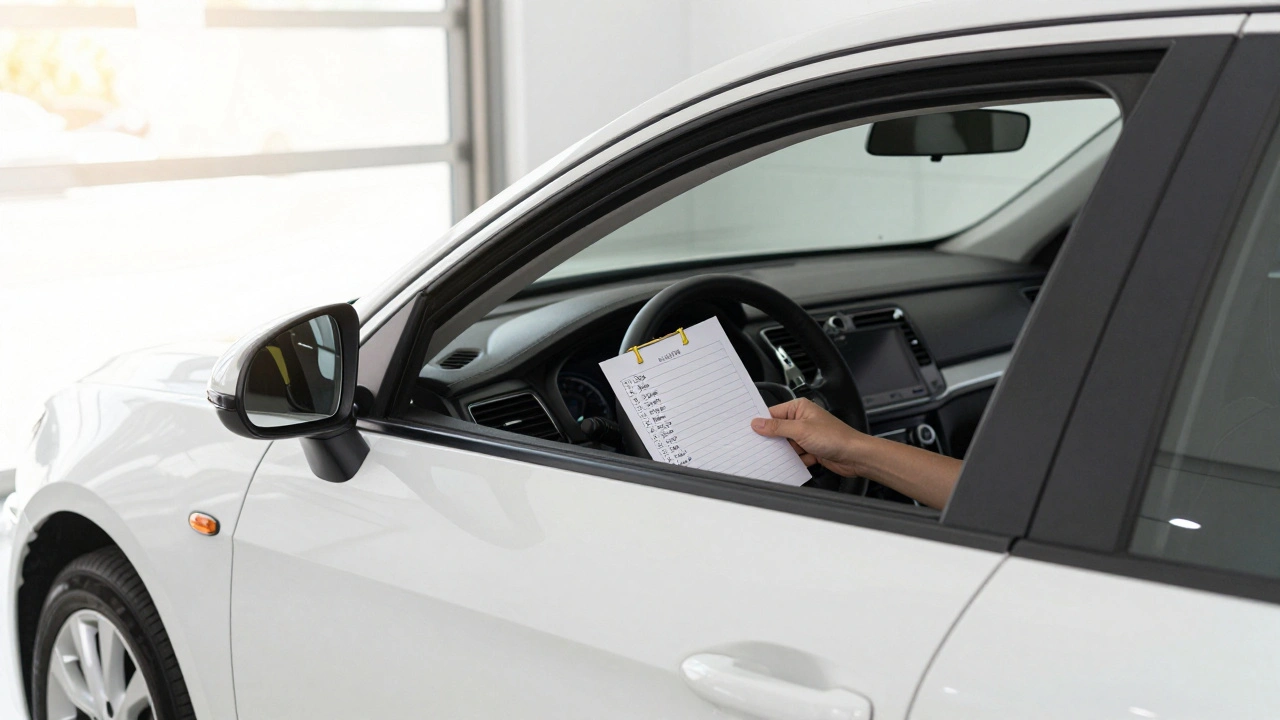
When your lease ends, the car you’ve been driving doesn’t just disappear. It goes back to the leasing company - and what happens next can cost you hundreds, even thousands, if you’re not prepared. Most people think returning a leased vehicle is as simple as handing over the keys. But that’s where they’re wrong. End-of-lease vehicle reconditioning isn’t optional. It’s your last chance to protect your wallet. Skip it, and you’ll pay for every scratch, every worn tire, every missing key. Do it right, and you walk away with nothing but a clean record and more money in your pocket.
Start Early - 90 Days Out Is the Sweet Spot
Waiting until the last week to think about your lease return is like waiting until the night before a test to study. By then, it’s too late to fix major issues without paying premium prices. The smart move? Begin reconditioning 90 days before your lease ends. That’s when most leasing companies send out their first notice, and that’s when third-party inspectors start scheduling their pre-return checks. Companies like Honda and Ally use these early inspections to give you a detailed list of what needs fixing - before they charge you for it.
Don’t wait for the official letter. If you’re unsure when your lease ends, check your contract or call your lessor. Set a calendar reminder for 90 days out. That’s your start date. From there, you have time to find a trustworthy repair shop, compare prices, and schedule work without the rush-hour premiums dealers charge.
What Gets Checked - And What Costs You Money
Inspectors don’t guess. They follow strict guidelines. Here’s what they look for - and how much it can cost if you ignore it:
- Tires: If tread depth falls below the manufacturer’s minimum (usually 2/32 inch), you’ll pay per tire. Replacing four tires at a dealership can run $800+. Independent shops do it for half that.
- Wheels: Curb rash, deep scratches, or bent rims? Dealers often charge $300-$600 per wheel to replace or refinish. A local shop can buff and polish for under $100 each.
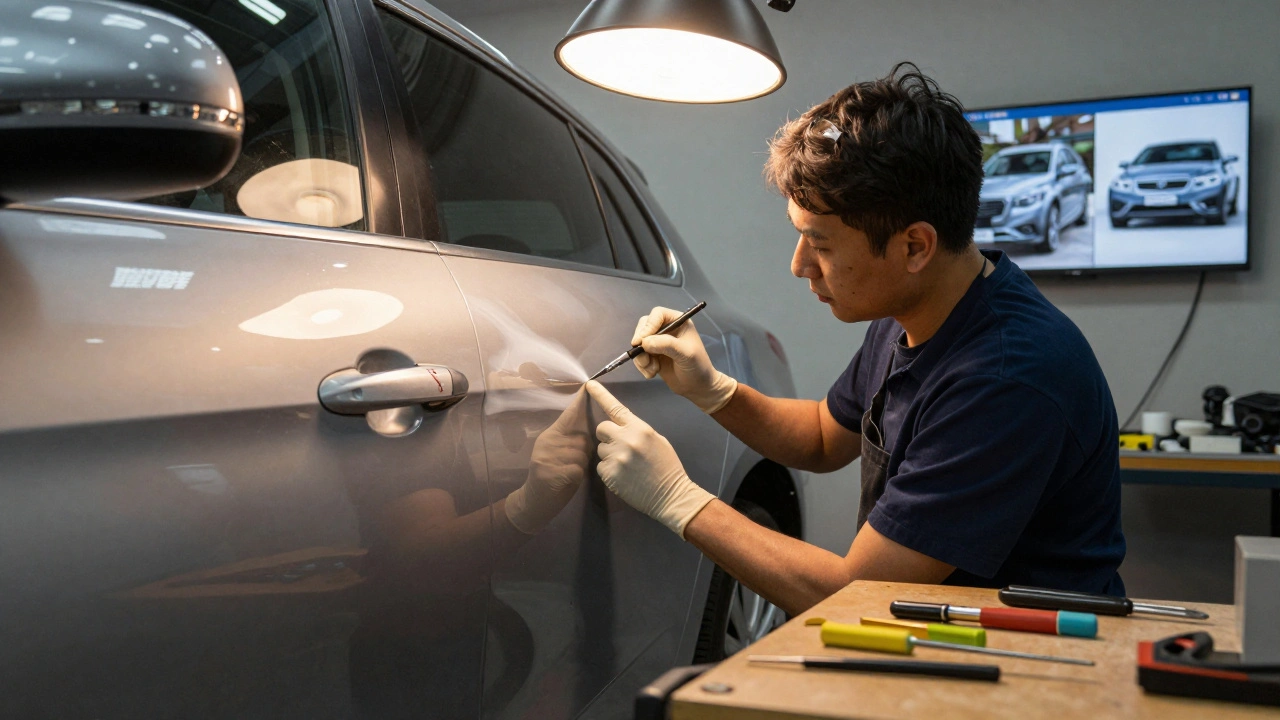
- Paint damage: A single scratch longer than 6 inches? You might be charged for repainting an entire panel. Spot touch-ups cost $50-$150. Full panel repaints? $500-$1,200.
- Windshield chips: More than 15 stone chips on the hood or bumper? That’s chargeable. A $20 chip repair now avoids a $400 windshield replacement later.
- Interior stains: Coffee spills, pet hair, cigarette burns - if they’re larger than 1.5 cm (about the size of a quarter), you’ll pay. Professional upholstery cleaning runs $100-$200. Dealers? They’ll replace the whole seat and charge you for it.
- Missing parts: Keys, remotes, chargers, cargo covers, even the manual. If it came with the car, it must go back. Missing one key? Expect a $250-$500 replacement fee.
These aren’t guesses. These are real numbers from lease return reports filed by major dealerships across the U.S. The same scratches you think are "just a little" can turn into $1,200 in charges.
Remove Everything That Doesn’t Belong
That custom spoiler you added? The Bluetooth speaker you glued to the dash? The aftermarket rims you swapped in? Take them out. Now.
Leasing companies require the vehicle to be returned in its original factory condition. Any modification - even if you think it improved the car - triggers a charge. You might have spent $1,000 upgrading your stereo, but if you didn’t get written permission from the lessor, you’ll pay to have it removed and the factory parts reinstalled.
Also, remove all personal items. Not just your coffee mug. Think phone chargers, gym bags, child seats, roof racks, even those little air fresheners. One lessee in Oregon got charged $180 because a used gym sock was left in the back seat. Inspectors don’t care if it’s "harmless." They care if it’s not factory.
Don’t Trust the Dealership Repair Shop
Dealerships will tell you they’re the only ones who can fix your car properly. That’s not true. In fact, they’re often the most expensive option.
A scratch on your door? A dealership might charge $700 to repaint the entire panel. An independent body shop? $180 for a precise touch-up. A cracked windshield? Dealers charge $600+ for OEM glass. A local auto glass specialist? $300 with a lifetime warranty.
Use your 90-day window to get quotes. Search for "auto body shop near me" or "wheel refinishing Portland" - local shops often have before-and-after galleries. Ask for a written estimate. Compare it to what the dealer quoted. You’ll almost always save.
Excess Mileage? Plan for It
Most leases come with a mileage limit - usually 10,000 to 15,000 miles per year. Go over? You pay. Typically, $0.15 to $0.30 per extra mile. That’s $450 for 3,000 over.
Don’t panic if you’re over. You have options:
- Buy the car outright. If the buyout price is low, it might cost less than paying mileage fees.
- Extend your lease for 30-90 days. Many lessors allow this if you ask. Use the extra time to drive less and lower your total.
- Pre-pay the excess miles. Some companies let you pay a flat rate upfront at a discount.
Check your lease agreement. The per-mile fee is listed there. Calculate your overage now. If it’s over $300, start thinking about your options - don’t wait until the day you return the car.
Disposal Fees Are Coming - Be Ready
Even if your car is perfect, you’ll likely pay a disposition fee. It’s usually $350-$500. This covers the cost of reconditioning the vehicle before it’s resold. It’s non-negotiable - unless you buy the car.
That’s why some people choose to buy. If the buyout price is close to market value, buying can save you money long-term. Compare the total of: disposition fee + excess mileage + wear-and-tear charges vs. the buyout price. Sometimes, buying is the smarter financial move.
Keep It Clean - Every Single Day
Here’s the secret most people miss: end-of-lease reconditioning isn’t a one-time job. It’s a habit.
Every time you drive, you’re either adding to the damage - or preventing it.
- Wipe up spills immediately. Coffee on the seat? Vacuum it. Don’t let it soak in.
- Wash your car every 2-3 weeks. Dirt and salt eat paint. A clean car looks better - and inspectors notice.
- Use floor mats. Always. Even in the rain. They’re there for a reason.
- Don’t slam doors. Cracks in the door frame? Chargeable.
- Keep the interior cool. Sun damage fades dashboards and cracks leather. A sunshade costs $15.
These small habits add up. A car that looks cared for often gets a more lenient inspection. Inspectors are human. They notice effort.

Final Day: What to Bring and What to Expect
On the day you return the car:
- Bring all keys, remotes, and chargers.
- Have your lease agreement and return notice handy.
- Get a signed receipt. Keep it. You’ll need proof you returned the vehicle on time.
- Ask for a copy of the final inspection report. It should match what you fixed.
If you see a charge you didn’t expect, ask for it to be explained. You have the right to review the inspection findings. Many times, minor issues are waived if you point out you already repaired them.
What If You Can’t Fix It All?
Life happens. A dent you didn’t notice. A stain that won’t come out. If you can’t fix everything before your lease ends, don’t panic. Contact your lessor. Many will allow a short extension - 30 days - to complete repairs. This is common. Just ask.
Don’t return the car with unresolved damage and hope for the best. That’s how you get hit with $2,000 in charges. A 30-day extension might cost $50-$100. That’s a bargain compared to surprise fees.
Know Your Lease Terms - Before You Sign
Here’s the real truth: most people get hit with fees because they didn’t read their lease. When you signed, you agreed to specific standards. Those standards are in writing.
Find your lease agreement. Look for the section labeled "Wear and Tear Guidelines" or "Return Conditions." It will tell you exactly what’s acceptable. For example:
- "Minor scuffs under 2 inches" - acceptable
- "Tire tread below 4/32 inch" - chargeable
- "Tear in seat fabric larger than 1.5 cm" - chargeable
Print this section. Tape it to your garage door. Review it every month. That’s how you avoid surprises.
What Happens After You Return the Car?
You’ll get a final summary email or letter within 5-10 business days. It lists every charge, with photos and descriptions. If you disagree, you have 30 days to dispute it. Call the lessor’s customer service. Have your repair receipts ready. Many charges are reversed if you can prove you fixed the issue.
And if you’re leasing again? A clean return helps. Lessors track your history. A history of clean returns means better rates next time.