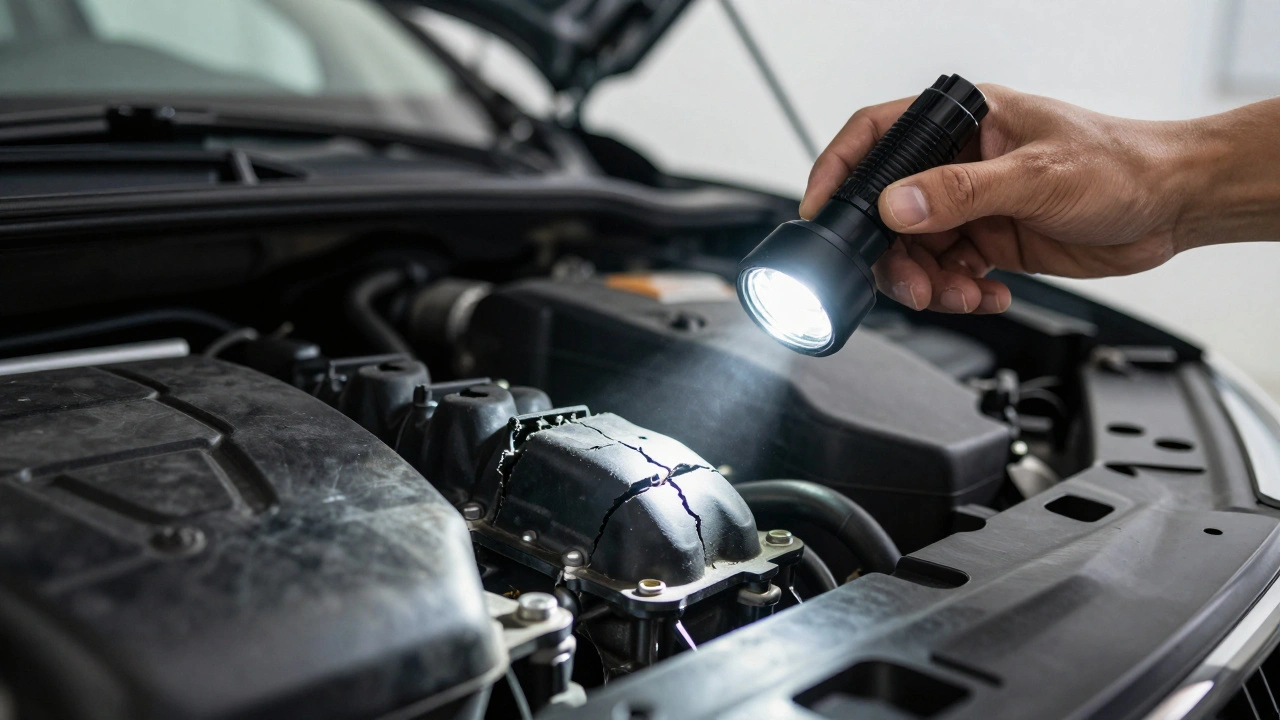
Does your car feel like it’s trying to escape every time you step on the gas? Or maybe the steering wheel vibrates so hard at a stoplight that your coffee ripples? It’s easy to blame bad tires or an out-of-balance wheel, but the culprit might be sitting right under the hood. Engine mounts are critical components that secure the engine to the chassis while absorbing vibrations and controlling noise. When they wear out, your ride quality drops fast. Ignoring them doesn’t just make for a noisy commute; it can lead to expensive damage to your exhaust, drivetrain, and even the body structure.
Most drivers don’t think about engine mounts until something goes wrong. These unsung heroes have been keeping our cabins quiet since Chrysler introduced the “Floating Power” system in 1932. Back then, rigid steel mounts made early cars shake violently. Today, almost every vehicle uses rubber, hydraulic, or active mounts to keep vibrations within a comfortable range. But like any part made of rubber or fluid, they degrade over time. In this guide, we’ll walk through exactly how to inspect your mounts, what specific symptoms mean, and when it’s time to replace them before your daily drive becomes a punishment.
Why Engine Mounts Matter for Ride Comfort
To understand why a broken mount ruins your day, you have to look at what it actually does. An engine mount is a device consisting of metal brackets and elastomeric bushings or hydraulic chambers that isolates engine vibration from the vehicle frame. Think of it as a shock absorber for your engine. The engine is a heavy, vibrating mass spinning thousands of times per minute. Without mounts, that energy would transfer directly into the cabin.
There are usually three to five mounts on a typical passenger car. They work together to control Noise, Vibration, and Harshness (NVH). Engineers design these systems to keep vertical and longitudinal accelerations inside the human comfort band. According to ISO 2631 standards, humans start feeling discomfort when whole-body vibration exceeds roughly 0.3-0.5 m/s² in the 4-8 Hz frequency range. When mounts fail, those numbers spike. You feel it as a harsh buzz in your seat, a drone in your ears, or a shudder in the steering wheel.
The type of mount matters too. Older or budget vehicles often use solid rubber mounts. They’re durable but stiff, transmitting more idle vibration. Hydraulic mounts, common in modern front-wheel-drive cars, use fluid-filled chambers to dampen low-frequency shakes better. Premium cars might have active mounts controlled by vacuum or electronics. Regardless of the technology, the goal is the same: isolate the chaos of the engine from the peace of the cabin. When that isolation breaks down, comfort vanishes.
Visual Inspection: What to Look For Under the Hood
You don’t need a degree in engineering to spot a failing mount. Most failures leave visible clues. Grab a flashlight and get under the hood. Look for the bolts connecting the engine block to the subframe. Here is what indicates trouble:
- Cracks in the Rubber: Look for transverse or circumferential cracks wider than 1-2 mm. If surface checking covers more than half the visible rubber area, the material has aged and lost elasticity. Hardened rubber acts like a solid block, sending high-frequency buzzes straight into the dashboard.
- Rubber Separation: Check the bond between the rubber and the metal bracket. A gap of even 1-3 mm means the mount is losing its grip. If you can see daylight between the rubber and metal, or if the engine bracket isn’t centered, the mount is effectively broken.
- Collapse or Sagging: Compare the height of the mount to specifications if available. Often, you can just compare left and right sides. If one side looks compressed so that metal parts are touching or closer than the original 5-15 mm gap, the mount has collapsed. This causes the engine to sag by 5-15 mm, changing shaft angles and creating secondary vibrations.
- Fluid Leaks: If you have hydraulic mounts, look for oily residue or dripping fluid. A leak means the internal bladder has failed. Damping capability drops instantly, leading to dramatic increases in idle vibration.
Take photos of each mount. It helps you remember which ones looked suspect before you move the engine around during testing. Visual inspection is free and takes less than ten minutes. If you see any of these signs, proceed to dynamic testing to confirm the diagnosis.

Dynamic Testing: Feeling the Symptoms
Visual checks tell you if the part looks bad. Dynamic tests tell you if it’s affecting your drive. These methods link the physical condition of the mount to the ride comfort issues you’re experiencing. Always ensure the car is in Park with the parking brake engaged before starting these tests.
- The Idle Vibration Test: Start the car and let it idle in Drive with your foot firmly on the brake. Feel the steering wheel and the seat. Is there a noticeable shake? A healthy car should feel smooth. If the vibration amplitude feels double what it used to be, or if you see the steering wheel visibly trembling by several millimeters, the mounts are likely compromised.
- The Gear Shift Thump: With the engine running, shift from Park to Drive, then to Reverse. Listen and feel for a strong shudder or “thump.” This happens because torque (100-300 N·m) is applied suddenly, causing the engine to rock against soft or broken mounts. A small movement is normal; a loud clunk or excessive rocking is not.
- The Power-Brake Test: Have a helper watch the engine while you hold the brake and gently rev the engine to 2,000 RPM. Then release the throttle quickly. Watch for excessive engine movement. On a healthy front-wheel-drive car, you might see 5-15 mm of rock. If the engine moves 20-40 mm or hits nearby components like the firewall or radiator, the mounts are significantly worn.
- The Acceleration Buzz: Take the car for a drive. Pay attention to moderate acceleration between 1,500-3,000 RPM. Do you hear a booming noise or feel a buzzing sensation in the floor pan? This often indicates that the mounts can no longer control the twist of the engine under load.
If you experience multiple symptoms here, especially combined with visual damage, the evidence is strong. Your mounts are failing, and they are directly responsible for your reduced ride comfort.
Differentiating Mount Issues from Other Problems
Vibration is a tricky symptom. Before you buy new mounts, make sure you aren’t chasing a ghost. Several other issues mimic worn engine mounts. Professional diagnostic flowcharts always rule these out first.
| Symptom | When It Happens | Likely Cause |
|---|---|---|
| Shaking at 55-70 mph only | Specific highway speeds | Tire imbalance or bent rim |
| Rough idle + Check Engine Light | At any speed, often with misfire codes | Engine misfire (spark plugs, coils) |
| Clunking over bumps | Driving over potholes/joints | Worn suspension bushings or ball joints |
| Vibration at idle + shifting gears | Stationary or low-speed acceleration | Worn Engine Mounts |
| Drone at constant speed | Cruising at steady RPM | Wheel bearing or transmission issue |
Key distinction: Mount-related vibrations are almost always present at idle or under low-speed load. If your car vibrates smoothly at idle but shakes violently at 60 mph, look at your tires first. If the check engine light is on with misfire codes (P0300-P030X), fix the engine tuning before blaming the mounts. Also, check your exhaust. A sagged engine mount can pull the exhaust hangers tight, causing the pipe to touch the body. Replacing the mount restores clearance and often stops the noise immediately.
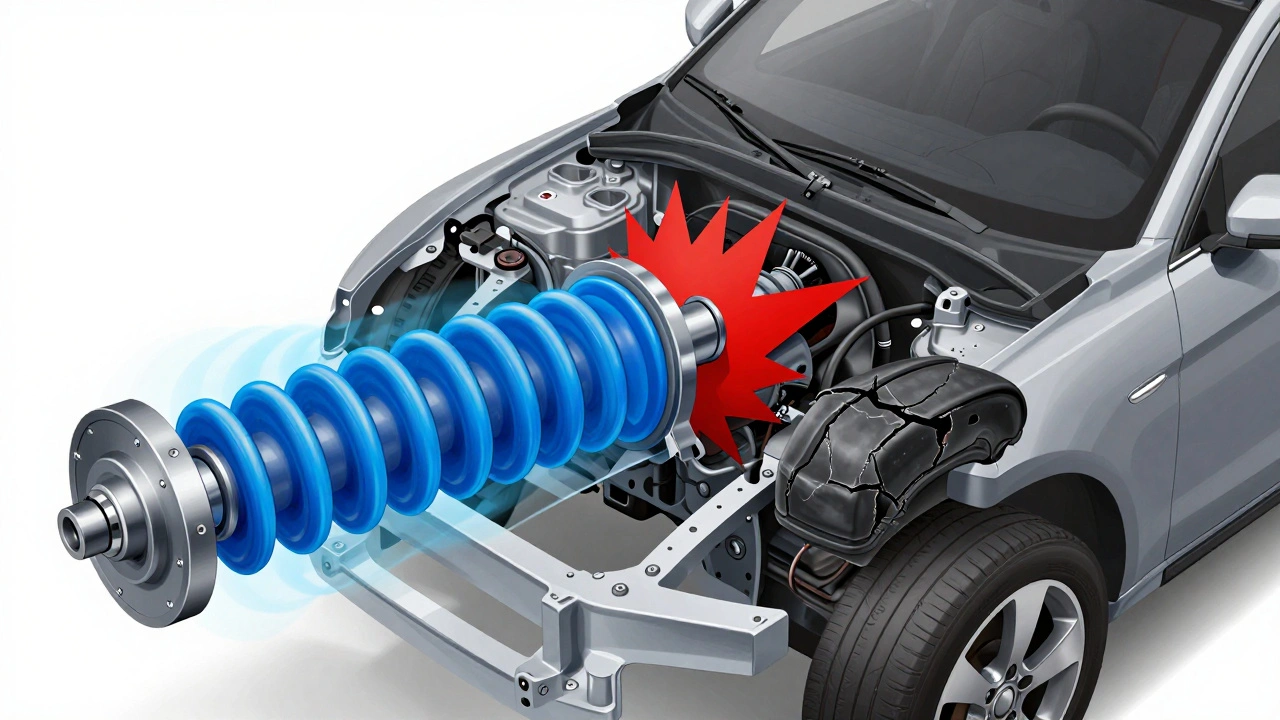
Cost, Labor, and Replacement Considerations
Replacing engine mounts isn’t a quick oil change job. It requires lifting the engine slightly to relieve pressure on the bolts. This adds complexity and labor time. Understanding the costs involved helps you plan your budget and decide whether to DIY or go to a shop.
Parts vary widely by type. Solid rubber mounts cost between $20 and $80 each. Hydraulic mounts run $80 to $200 per unit. Active electronic mounts on luxury brands can hit $300-$600 each. Labor rates in North America typically range from $100 to $200 per hour. Depending on accessibility, replacing one mount might take 1-1.5 hours, while difficult lower mounts can take 3-4 hours. A full set replacement often falls between $250 and $900 for parts and labor.
Here is a pro tip: Don’t mix old and new mounts. If one mount fails, the others are likely near the end of their life too. Replacing all mounts at once ensures even weight distribution and prevents the new mounts from taking undue stress. Also, avoid the cheapest aftermarket options. Economy mounts often use inferior rubber that hardens quickly or has incorrect stiffness, leading to renewed vibrations within a year. Stick to OEM-equivalent or high-quality aftermarket brands that meet factory specifications.
If you attempt this yourself, you will need an engine hoist or a jack with a proper support block. Misalignment during installation can cause premature failure. Torque specifications are critical-usually between 40-120 N·m depending on the bolt size. Consult your service manual for exact values. If you’re uncomfortable lifting hundreds of pounds of engine, hire a professional. The safety risk isn’t worth saving a few hundred dollars.
Prevention and Long-Term Care
Can you prevent engine mounts from wearing out? Not entirely-they are wear items designed to degrade so they protect the rest of the car. However, you can extend their life and catch problems early.
- Annual Visual Checks: Make it a habit to glance at your mounts during routine maintenance. Look for cracks or leaks. Early detection prevents collateral damage.
- Avoid Aggressive Launches: Frequent hard launches put massive torsional stress on mounts. While fun, it accelerates wear, especially on rubber compounds.
- Inspect After Impacts: Hit a deep pothole or curb hard? Check your mounts. High-impact events can crack rubber or deform hydraulic chambers instantly.
- Climate Awareness: Heat kills rubber. If you live in a hot climate like Arizona or Florida, expect mounts to age faster. Inspect every 6-8 years instead of waiting for mileage milestones.
Most drivers notice issues between 60,000 and 120,000 miles. But time matters more than distance. Rubber dries out and hardens regardless of mileage. If your car is older than 10 years, give the mounts a serious look. Proactive replacement restores that “new car” smoothness and protects your drivetrain from shock loads.
How long do engine mounts last?
Engine mounts typically last between 8 to 15 years or 60,000 to 120,000 miles. However, lifespan varies based on driving habits, climate, and mount type. Hot climates accelerate rubber degradation, while aggressive driving shortens mechanical life. Regular inspections are key since failure isn't always sudden.
Can I drive with a bad engine mount?
You can drive temporarily, but it’s not recommended. A severely worn mount allows excessive engine movement, which can damage the exhaust system, transmission, wiring harnesses, or fuel lines. It also reduces ride comfort and safety by increasing vibration fatigue. Replace them as soon as possible.
What is the difference between rubber and hydraulic mounts?
Rubber mounts use solid elastomer bushings to absorb vibration. They are durable and cheap but stiffer, transmitting more idle noise. Hydraulic mounts contain fluid-filled chambers that provide superior damping at low frequencies, resulting in a smoother, quieter ride. However, hydraulic mounts can fail catastrophically if the fluid leaks.
How much does it cost to replace engine mounts?
Total costs range from $250 to $900 for parts and labor. Parts alone vary from $20 for basic rubber mounts to $600+ for active electronic mounts. Labor depends on accessibility, ranging from 1 to 4 hours per mount. Replacing all mounts at once is often more cost-effective in the long run.
Do electric vehicles need engine mounts?
Yes, EVs still need powertrain mounts. While they don’t have combustion engines, they have heavy battery packs and electric motors that generate vibration and whine. Mounts isolate these noises and manage impact loads from road imperfections. Some EVs use modified conventional mounts with adjusted stiffness for optimal NVH control.