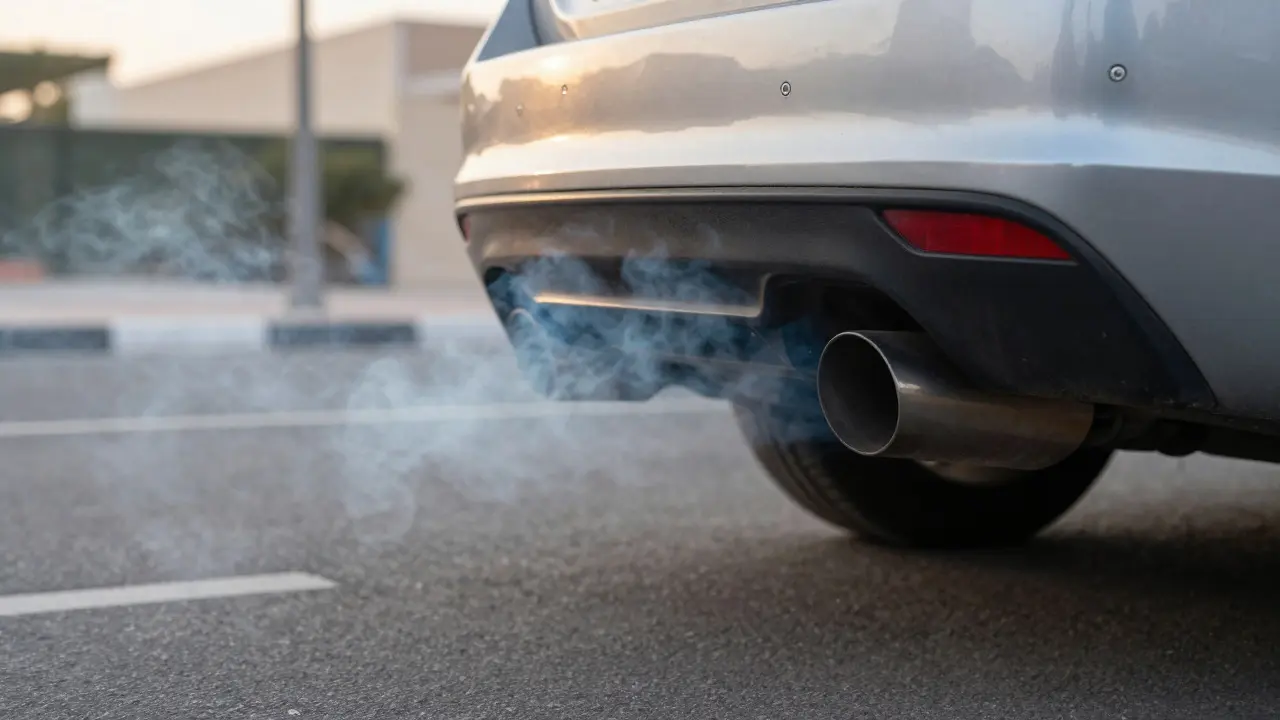
There is a specific type of dread that hits when you pull out of the driveway and see a faint plume of smoke trailing behind your car. Is it just cold air condensing? Or is your engine eating its own lifeblood? If you check the dipstick weekly and still find levels dropping, or if the exhaust emits a distinct blue-gray hue, you are likely dealing with engine oil burning. It’s not just an annoyance; it’s a symptom of internal wear that, if ignored, can turn a $500 repair into a $4,000 rebuild.
Understanding why this happens is the first step to saving your vehicle. Oil doesn’t just vanish into thin air. It gets pushed past seals, rings, or gaskets and ends up in the combustion chamber where it gets burned along with fuel. The good news? Most cases are fixable without replacing the entire powerplant. The bad news? You need to identify exactly which component is failing before you start spending money on parts that won’t solve the problem.
How to Diagnose the Source of the Smoke
Before you pop the hood, look at the tailpipe. The color and timing of the smoke tell you more than any mechanic’s guesswork. This visual diagnostic method saves you from unnecessary test drives and misdiagnoses.
- Blue-Gray Smoke: This is the classic sign of oil entering the combustion chamber. It usually appears during acceleration or after idling. If it’s thick and persistent, you have significant internal leakage.
- White Smoke (Sweet Smell): Don’t confuse this with oil. White smoke that smells like maple syrup indicates a blown head gasket allowing coolant to enter the cylinders. This is a separate, often more urgent issue.
- Black Smoke: This means too much fuel is being injected (rich mixture), not oil. Check your air filter and fuel injectors first.
If you’ve confirmed it’s blue-gray, the next step is checking the Positive Crankcase Ventilation (PCV) system. A clogged PCV valve increases crankcase pressure, forcing oil past worn seals. Replacing this small plastic part costs less than $10 and fixes the problem in about 30% of low-mileage vehicles. Always rule out the cheap fixes before assuming catastrophic failure.
The Three Main Culprits: Rings, Seals, and Valves
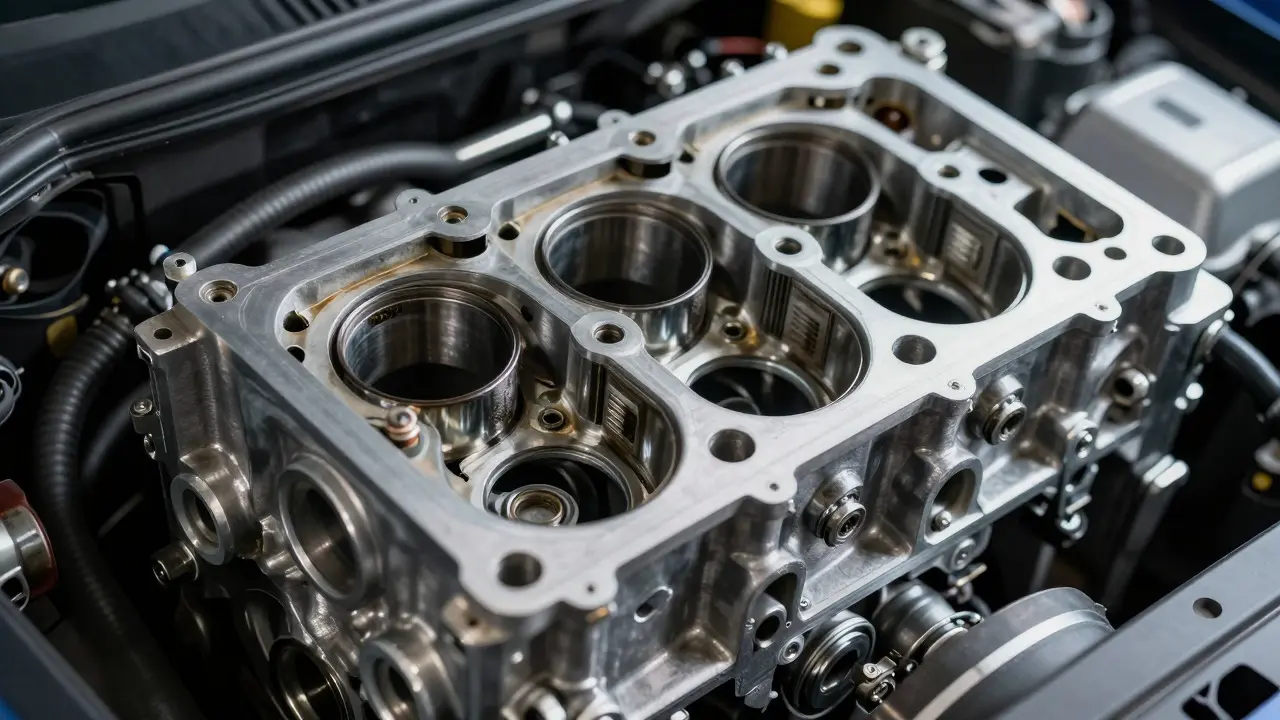
Once you’ve ruled out the PCV system, the leak is almost certainly coming from one of three areas inside the engine block. Each has a distinct failure pattern and repair cost profile.
| Component | Typical Symptom Pattern | Average Repair Cost (Labor + Parts) | Labor Intensity |
|---|---|---|---|
| Piston Rings | Smoke under load/acceleration, high oil consumption | $1,500 - $3,500 | High (Top-end rebuild) |
| Valve Stem Seals | Smoke on startup/cold idle, improves when warm | $800 - $1,500 | Medium (Head removal required) |
| Intake Valve Guide Seals | Oil visible in intake ports, rough idle | $600 - $1,200 | Medium-Low (Often accessible without full head removal) |
Piston rings are metal bands that seal the gap between the piston and cylinder wall, preventing oil from mixing with fuel. When they wear out, oil slips down into the combustion chamber every time the piston moves. This is the most common cause in high-mileage engines (over 100,000 miles). The wear is gradual, so you might notice the dipstick level dropping by half a quart every two weeks before the smoke becomes obvious.
Valve stem seals are rubber components that prevent oil from dripping down the valve stems into the combustion chamber. These degrade due to heat and age rather than mileage alone. A key diagnostic clue here is the "cold start" behavior. If you see a puff of blue smoke when you first start the car in the morning, but it clears up after five minutes of driving, the valve stem seals are likely the culprit. The oil pools around the valves while the car sits overnight, then gets sucked in upon startup.
Why Synthetic Oil Isn't Always the Answer
A common misconception is that switching to thinner synthetic oil will stop the burning. While modern synthetics offer better lubrication and film strength, they don't seal gaps. In fact, if your piston rings are significantly worn, a very thin 0W-20 oil might actually increase consumption because it flows more easily past the leaks. Conversely, using a thicker 10W-40 or 5W-50 oil can help temporarily mask the problem by providing a thicker barrier, but it may increase drag and reduce fuel economy.
The real long-term solution isn't an oil change; it's mechanical repair. However, until you get the work done, choosing the correct viscosity based on your manufacturer's specification is critical. Deviating from the recommended grade can accelerate wear on other components like the turbocharger (if equipped) or variable valve timing systems.
Repair Strategies: Fix vs. Replace
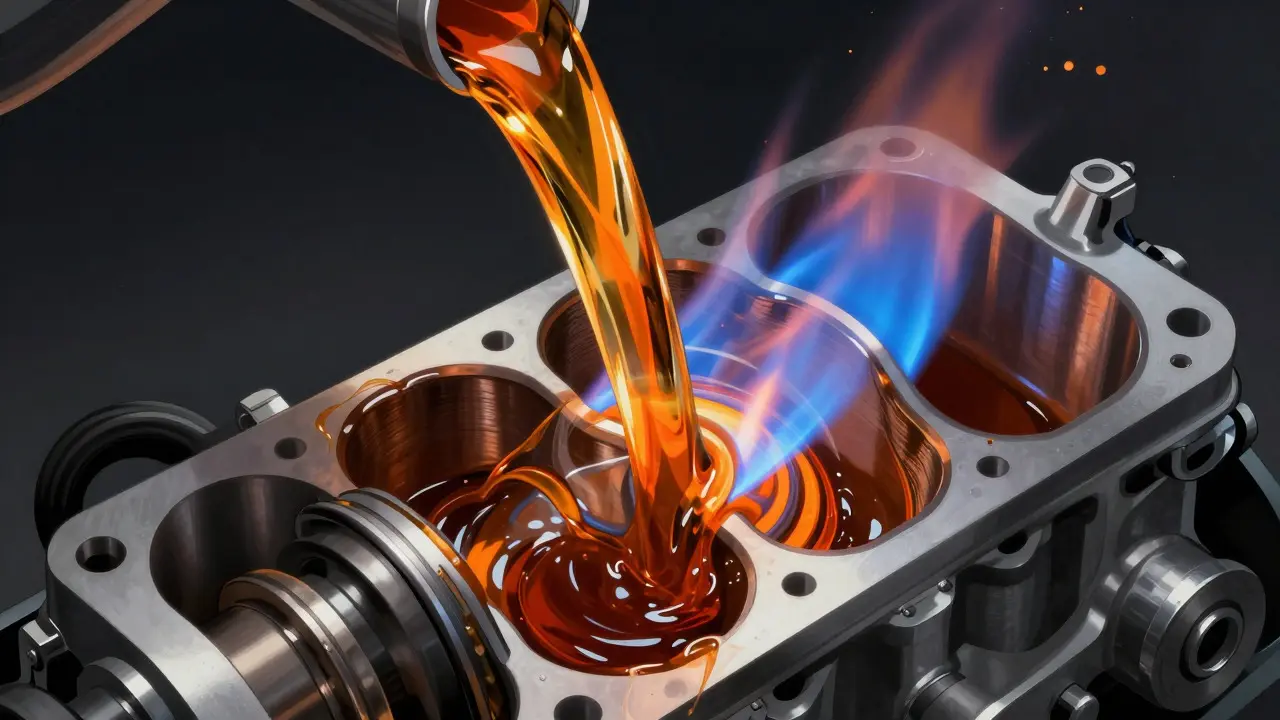
When you sit down with a mechanic, the conversation usually centers on whether to rebuild the engine or replace it entirely. Here is how to navigate that decision.
- Assess Engine Mileage: If your car has under 80,000 miles, a top-end rebuild (replacing rings and seals) is usually worth it. The engine block is likely still strong, and you’ll recover significant resale value. If the car has over 150,000 miles, compare the cost of a rebuild ($2,500+) against the price of a used or remanufactured engine ($1,500-$2,500 installed).
- Check for Collateral Damage: Before agreeing to a rebuild, ask for a compression test and a leak-down test. If the cylinders show uneven compression, there might be cracks in the block or warped heads. These issues make a simple ring job risky and expensive.
- Consider a Remanufactured Unit: For older vehicles, installing a certified remanufactured engine is often cheaper and provides a "like-new" starting point. It eliminates the risk of hidden block damage and typically comes with a longer warranty than a shop-rebuilt unit.
Don't let a mechanic rush you into a full engine replacement if only the valve guides are worn. Ask for a detailed estimate broken down by labor hours and parts. A reputable shop will perform a borescope inspection to visually confirm the condition of the rings and valves before quoting a major repair.
Preventing Future Oil Consumption
Even after a successful repair, you can take steps to extend the life of your new seals and rings. The goal is to minimize thermal shock and maintain proper oil pressure.
- Warm Up Properly: Avoid aggressive acceleration for the first 5-10 minutes of a cold drive. Cold oil is thicker and doesn't flow as quickly to upper engine components, leading to increased wear on valve seals.
- Stick to Maintenance Intervals: Changing oil every 5,000-7,500 miles (or as per manual) ensures contaminants don't abrade the cylinder walls. Sludge buildup can stick piston rings, causing them to lose their spring tension.
- Monitor Oil Levels Weekly: Make checking the dipstick a habit. Catching a slow leak early gives you negotiating power with your mechanic and prevents running the engine dry, which causes catastrophic failure.
Regular maintenance isn't just about avoiding breakdowns; it's about preserving the precision tolerances that keep oil where it belongs. By treating your engine as a complex hydraulic system rather than a black box, you make smarter decisions that save money and keep your car on the road for years to come.
Is it safe to drive with a mild oil burn?
Yes, provided you monitor the oil level frequently. A minor seep from valve stem seals rarely causes immediate damage. However, if consumption exceeds one quart per 1,000 miles, schedule a repair soon to avoid running low on oil, which can lead to bearing failure.
Can carbon cleaning stop oil burning?
Usually no. Carbon buildup on intake valves is a result of direct injection, not the cause of oil leaks. Cleaning the intake manifold helps performance but does not seal worn piston rings or valve stem seals. Mechanical repair is required for true leaks.
What is the lifespan of new valve stem seals?
Quality rubber seals typically last 100,000 to 150,000 miles. Their lifespan depends heavily on driving habits. Frequent short trips and cold climates accelerate degradation due to moisture accumulation and thermal cycling.
Does a turbocharged engine burn more oil?
Turbocharged engines generally consume slightly more oil due to higher operating pressures and temperatures. The turbocharger itself requires oil for lubrication and cooling, and some loss is normal. However, excessive consumption still indicates wear on the same components as naturally aspirated engines.
Should I use an oil additive to stop burning?
Most additives provide temporary relief by thickening the oil or cleaning deposits. They are not a permanent fix for mechanical wear. Use them only as a bridge to a repair, and ensure they are compatible with your engine's specifications to avoid clogging sensitive components.