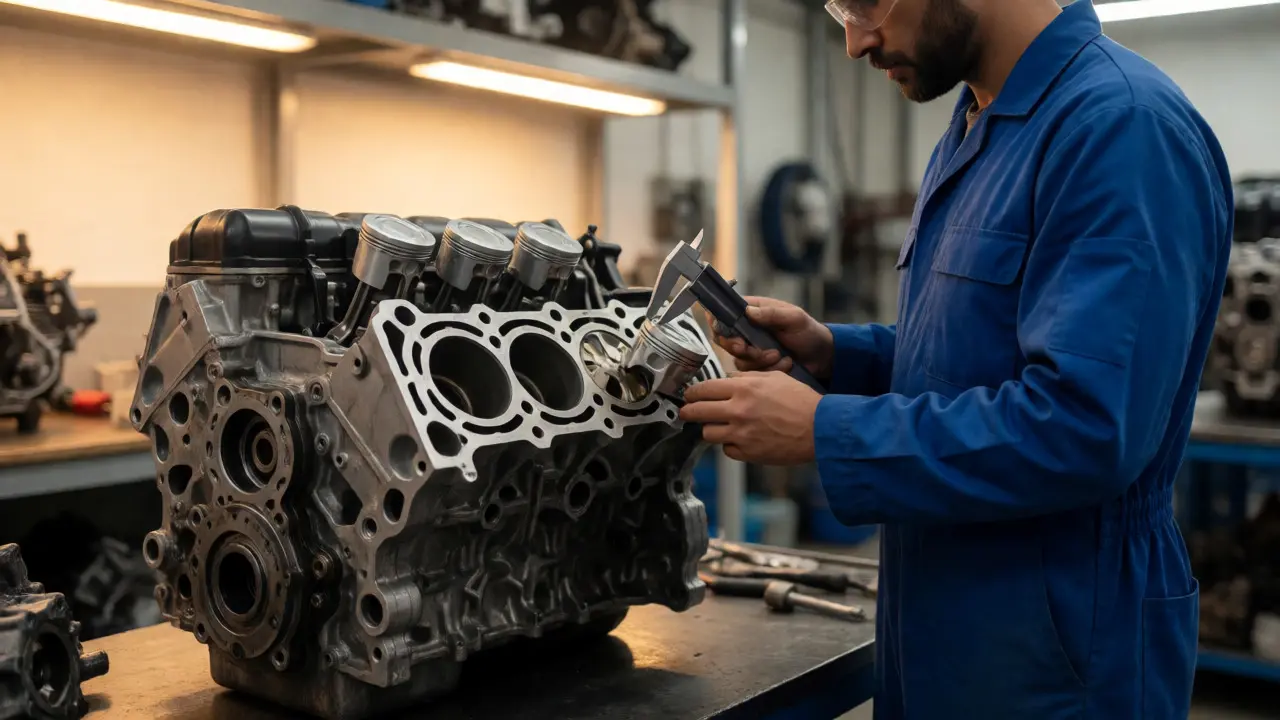
You’re staring at the estimate sheet, and the number makes your stomach drop. The check engine light has been on for weeks, but now there’s smoke, a knock in the block, or oil pressure that just won’t stay up. Your mechanic gives you two options: rebuild the current engine or swap it out for a new (or used) one. The prices are close enough to make you hesitate. Which one actually saves you money? And more importantly, which one keeps your car running for another five years without blowing up again?
There is no single right answer here. It depends entirely on your specific car, how long you plan to keep it, and what kind of damage occurred. But we can break down the math so you stop guessing and start deciding with confidence.
The Real Cost Breakdown
Let’s talk numbers first, because that’s usually why this decision feels impossible. In 2026, labor rates have climbed, and parts availability varies wildly depending on whether you drive a common Honda Civic or a rare BMW X5. Generally speaking, an engine rebuild costs between $2,500 and $4,500. This includes machining the block, replacing pistons, rings, bearings, gaskets, and often the camshaft or crankshaft if they’re scored.
An engine replacement using a crate engine-a pre-assembled unit from a manufacturer like GM or Ford-typically runs $3,500 to $7,000 installed. If you opt for a used engine from a salvage yard, you might get away with $1,500 to $3,000, but that comes with massive risk. You don’t know how many miles were on it before it landed in the junkyard, and warranties are often short.
| Factor | Engine Rebuild | New Crate Engine | Used Engine Swap |
|---|---|---|---|
| Average Cost (Installed) | $2,500 - $4,500 | $3,500 - $7,000+ | $1,500 - $3,000 |
| Labor Hours | High (Machining + Assembly) | Medium (Removal + Install) | Medium (Removal + Install) |
| Warranty | 1-3 Years / Unlimited Miles | 1-3 Years / Limited Miles | 30-90 Days (Often) |
| Resale Value Impact | Neutral to Positive | Positive (if documented) | Negative (buyer skepticism) |
| Downtime | 2-4 Weeks | 1-2 Weeks | 1 Week |
When Rebuilding Makes Sense
Rebuilding is essentially giving your existing heart a transplant of its own organs. It’s the best choice when the block itself is healthy. If your engine failed due to poor maintenance-like low oil causing spun bearings or overheating warping the head-but the cylinder walls are still straight and round, a rebuild restores it to factory specs. You keep the original serial number, which matters for classic cars or vehicles where matching numbers affect value.
It’s also the smarter move for older vehicles where a new crate engine isn’t even available anymore. Think about a 1998 Toyota Camry or a 2005 Ford F-150. Manufacturers stopped making new engines for these models years ago. Finding a reliable used one is a lottery ticket; rebuilding yours is a calculated investment. Plus, rebuilds often come with better warranties than used swaps because the rebuilder controls every part that goes into the machine.
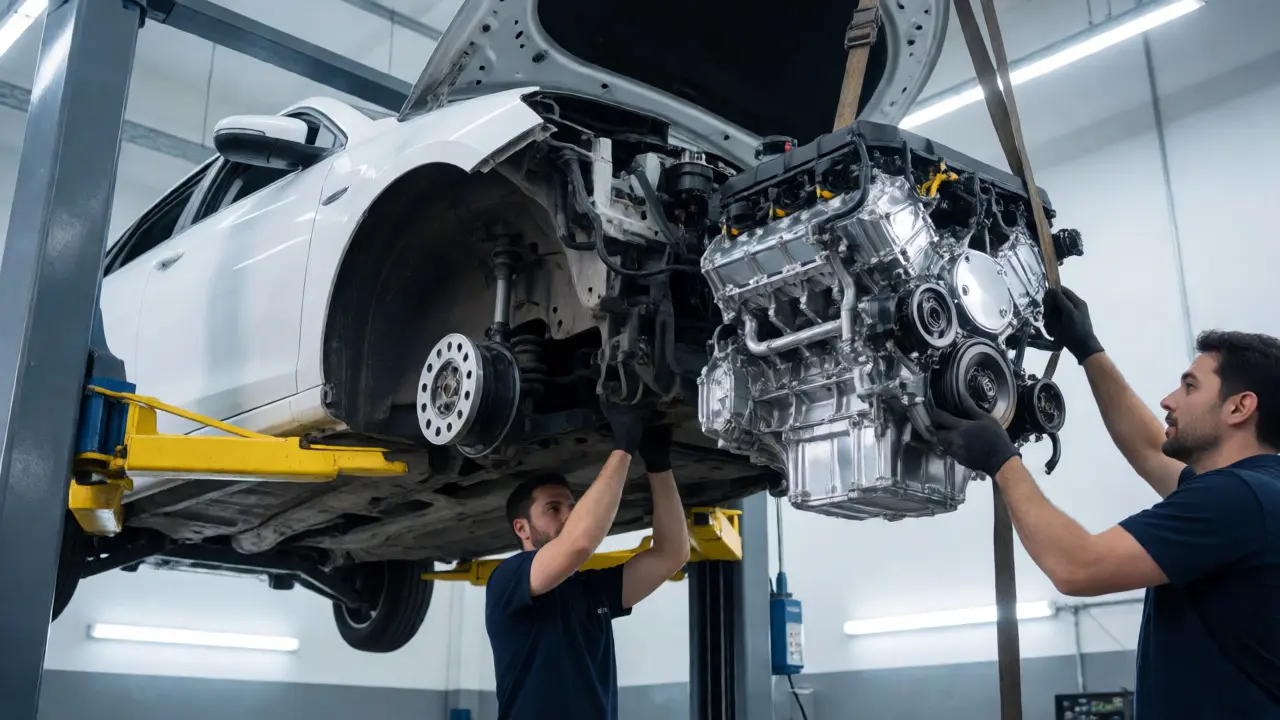
Why You Might Choose Replacement
Sometimes, rebuilding is throwing good money after bad. If your engine suffered catastrophic failure-say, a thrown rod punched a hole through the block or the crankshaft snapped-you can’t rebuild a broken piece of iron. You need a whole new unit. In these cases, a crate engine is the only viable option. These engines are manufactured new by companies like Jasper or Reman, offering peace of mind that internal components are fresh.
Replacement is also faster. If you rely on your car for work, spending four weeks waiting for a machinist to hone cylinders and balance rotating assemblies might cost you more in lost income than the price difference between a rebuild and a swap. A crate engine drops in quickly. The shop spends time on fluids, sensors, and wiring harnesses, not on precision machining. For modern turbocharged engines, like those found in Subaru WRXs or VW GTIs, replacement is often preferred because these units are complex and sensitive to assembly tolerances. A factory-built crate engine eliminates the risk of human error during a custom rebuild.
The Hidden Risks of Used Engines
You’ll see ads online for "low mileage" used engines for half the price of a rebuild. Tempting? Absolutely. Safe? Rarely. When you buy a used engine, you’re buying someone else’s neglect. Did the previous owner change the oil every 3,000 miles or every 10,000? Was it driven hard in cold weather? You don’t know.
Most salvage yards offer a 30-day warranty. That’s barely enough time to install it, let alone drive it long enough to uncover hidden issues like cracked heads or worn timing chains. If it fails on day 31, you’re paying for removal and installation all over again. We’ve seen customers spend $2,000 on a used engine, only to blow it up three months later because the previous owner ran it with a coolant leak. Now they’ve paid $4,000 total and still have no working car.
Factors That Tip the Scale
Before you sign the work order, ask yourself these three questions:
- What is the car worth? If your vehicle’s total value is $6,000, spending $5,000 on a new engine doesn’t make financial sense unless you plan to keep it for another decade. If the car is worth $20,000, a $4,000 repair is a bargain.
- How long will you keep it? Planning to sell next year? Go for the cheapest fix that passes inspection. Keeping it for five more years? Invest in quality.
- Is the transmission okay? If your engine blew up, did it take the transmission with it? Sometimes debris from a destroyed engine clogs the torque converter. If you replace the engine but ignore the transmission, you might be back in the shop in six months.
Making the Final Call
Here’s the rule of thumb we use in our shop: If the block is intact and the car is under 15 years old, rebuild it. You get a known history, a solid warranty, and likely lower total cost. If the block is cracked or the engine is obsolete, look for a high-quality remanufactured crate engine with at least a one-year unlimited-mileage warranty. Avoid cheap used swaps unless you’re handy enough to handle potential failures yourself.
Don’t let the sticker shock blind you to the long-term value. A properly rebuilt engine can last as long as a new one, sometimes longer, because it was built specifically for your chassis. Talk to your mechanic about their supplier. Ask who builds the crate engines they recommend. Knowledge is your best tool here.
Is a rebuilt engine as good as a new one?
Yes, if done correctly. A professional rebuild uses new pistons, rings, bearings, and gaskets, restoring the engine to factory specifications. Many mechanics argue a skilled rebuild is superior to mass-produced new engines because it allows for precise fitting and attention to detail that factory assembly lines might miss.
How long does an engine rebuild take?
Typically 2 to 4 weeks. This includes removing the engine, sending the block to a machine shop for cleaning, honing, and balancing, then reassembling it with new parts. Delays can happen if parts are backordered or if additional repairs (like head resurfacing) are needed.
Does replacing an engine reset the odometer?
No. Federal law requires that the odometer reflect the actual distance traveled by the vehicle, not the engine. However, you should keep detailed records of the engine replacement date and mileage to show future buyers that the powertrain is newer than the rest of the car.
Can I drive my car with a blown head gasket?
You can drive short distances, but it’s risky. Coolant can enter the cylinders, leading to hydrolock, or oil can mix with coolant, destroying bearings. Continuing to drive can turn a simple head gasket repair into a full engine rebuild or replacement.
Are remanufactured engines reliable?
Generally, yes. Companies like Jasper, ATK, and BluePrint specialize in remanufacturing. They disassemble used cores, inspect them, and replace wear items with new components. Look for brands that offer a minimum 1-year/50,000-mile warranty.