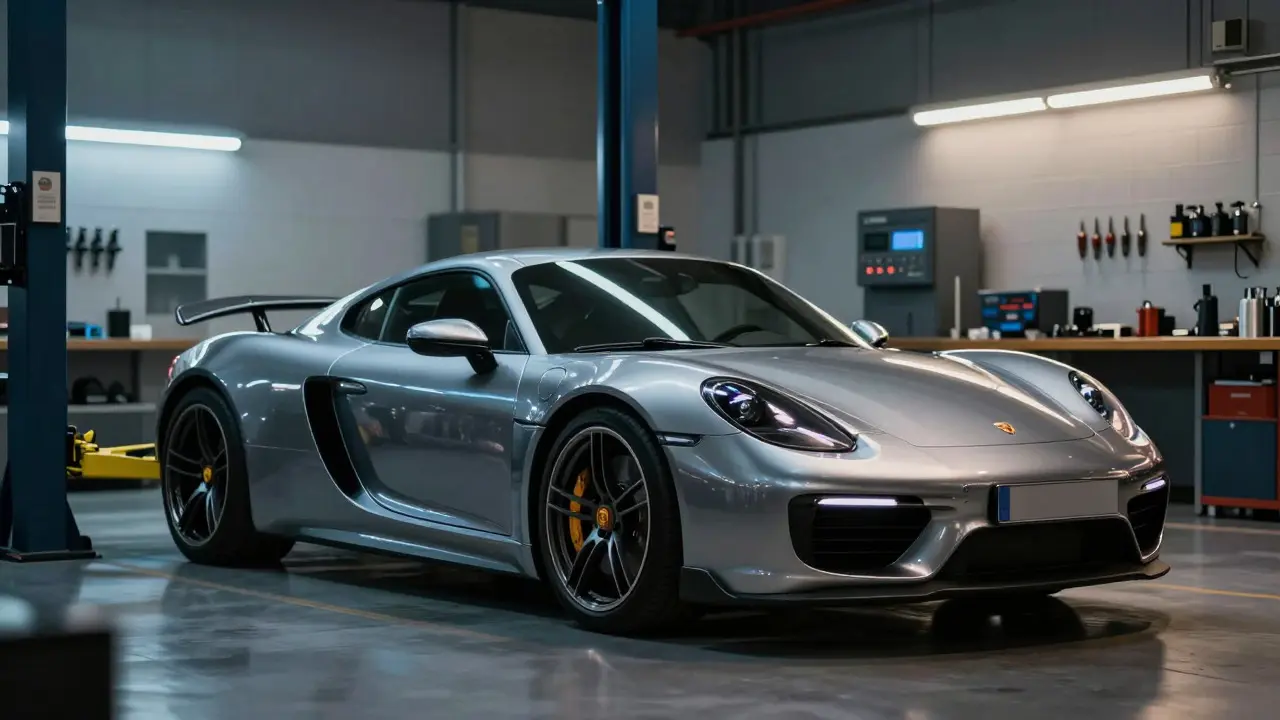
There is a specific kind of silence that fills the air when a high-end German or Italian sports car pulls into a shop. It isn't just the lack of engine noise; it's the tension. You know that if this vehicle goes to a generic mechanic who has only worked on domestic sedans, you might be looking at a $15,000 bill for a problem that should cost half that. The difference lies in one critical area: the transmission. For European luxury vehicles, the transmission is not just a component; it is the heart of the driving experience, and it demands a level of specialization that most general auto shops simply do not possess.
The Complexity Gap: Why Your Local Shop Might Struggle
When you drive a BMW M3, a Porsche 911, or an Audi RS7, you are not driving a standard machine. These cars use sophisticated powertrains that blend mechanical precision with complex electronics. A typical American or Japanese vehicle might use a conventional torque converter automatic or a simple dual-clutch system. In contrast, modern European luxury brands often employ advanced dual-clutch transmissions (DCT), automated manual transmissions (AMT), or highly refined traditional automatics with multiple hydraulic circuits.
The core issue for non-specialists is calibration. While any competent mechanic can change oil or replace a worn clutch plate, diagnosing why a Porsche PDK transmission is hesitating during upshifts requires specific diagnostic software and deep knowledge of the manufacturer’s logic. If a technician uses generic OBD-II scanners, they will see error codes but rarely understand the underlying cause. This leads to "part swapping," where expensive components are replaced without fixing the root issue, leaving you back at the dealership eventually. Specialized European transmission shops invest in dealer-level diagnostic tools specifically because these systems speak a different language than standard vehicles.
What Defines a True Specialist?
How do you identify a shop that actually knows what they are doing? It isn't just about having a sign that says "Euro Car Expert." Real expertise shows up in three specific areas: hardware familiarity, software proficiency, and parts sourcing.
- Hardware Familiarity: Does the shop have dedicated lifts and jacks designed for low-slung sports cars? Do they have the specific pull tools required for tight packaging in engines like the V8s found in Mercedes-AMG or the flat-sixes in Porsches? If they struggle to access the transmission housing, the labor time will skyrocket, and the risk of damage increases.
- Software Proficiency: Luxury transmissions require relearning procedures after repairs. For example, after replacing the valve body in an Audi S-tronic, the adaptive memory must be reset using proprietary software. A specialist knows exactly which parameters need adjusting to restore factory-smooth shifts. A generalist might miss this step, resulting in harsh shifting that feels like the car is broken again.
- Parts Sourcing: Generic aftermarket parts often fail in high-performance applications. Specialists typically source OEM (Original Equipment Manufacturer) or high-tier aftermarket components (like ZF or Getrag branded parts) that match the original specifications. They understand that a cheap seal from a universal catalog may leak under the heat generated by a turbocharged performance engine.
Common Failure Points in Luxury Transmissions
Knowing what usually breaks helps you communicate better with your mechanic. Different brands have distinct weak points. Understanding these can save you money by helping you ask the right questions before authorizing major work.
| Brand | Transmission Type | Common Failure Point | Specialist Solution |
|---|---|---|---|
| Porsche | PDK (Dual Clutch) | Mechatronic Unit / Solenoids | Rebuild of mechatronic unit rather than full replacement |
| BMW | DCT / Steptronic | Valve Body Clogging / Pressure Control | Flush and valve body recalibration |
| Audi/VW | S-tronic (DSG) | Clutch Pack Wear / Mechatronics | Clutch kit replacement with adaptive reset |
| Mercedes-Benz | 7G/9G Tronic | Converter Clutch Shudder | Torque Converter inspection and fluid exchange |
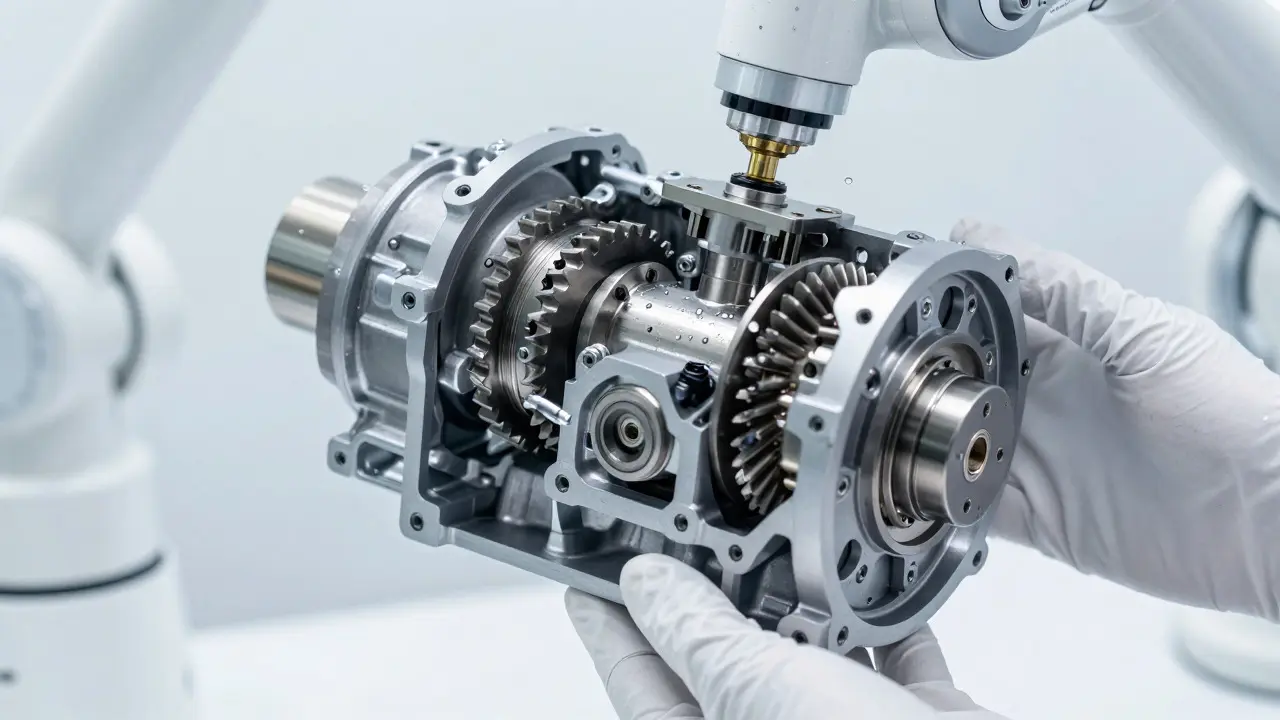
Notice the pattern: many issues stem from the electronic control units (mechatronics) or fluid degradation. Because these systems are sealed and complex, opening them up incorrectly can lead to catastrophic failure. A specialist knows how to disassemble these units without contaminating the internal sensors, which are far more sensitive than those in older, purely mechanical gearboxes.
The Cost-Benefit Analysis of Specialty Service
You might wonder if paying a premium for a specialist is worth it compared to a local independent shop. The math usually favors the specialist for two reasons: labor efficiency and first-time fix rate.
Labor rates at specialized shops might be 10-20% higher than a discount chain, but the time spent on diagnosis is significantly lower. A generalist might spend four hours guessing; a specialist spends one hour confirming the fault with precise data logs. More importantly, the "first-time fix" rate is higher. If a generalist fixes the wrong part, you pay for their labor twice, plus the cost of towing the car back. With a specialist, the likelihood of the car running correctly upon delivery is much higher, protecting your resale value and daily usability.
Consider the long-term value. A properly serviced dual-clutch transmission in a Porsche can last over 100,000 miles with correct maintenance. Neglecting the specific fluid changes required for these systems (which differ from standard ATF) can lead to premature wear. Specialists adhere to the exact fluid specifications and intervals recommended by the manufacturer, extending the life of a component that costs thousands to replace.
Red Flags to Watch For
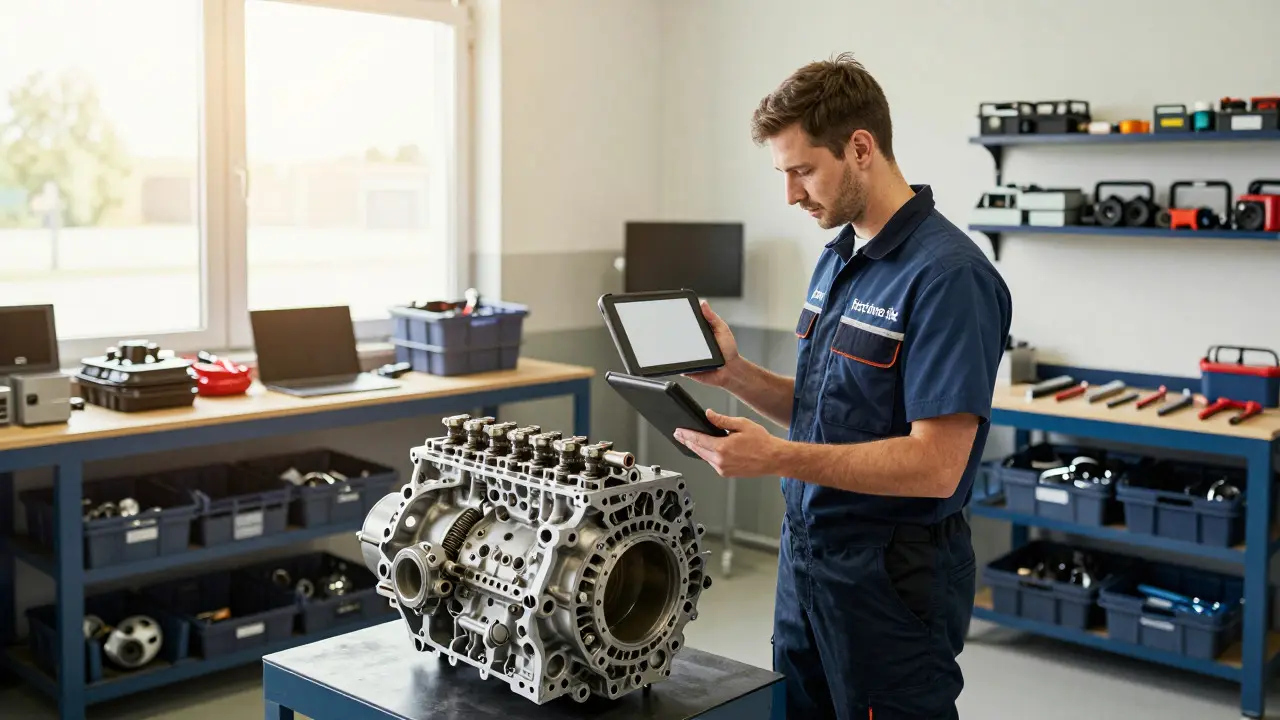
Before dropping your keys, look for these warning signs that a shop might not be equipped for your vehicle's transmission:
- Vague Diagnostic Process: If they say they will "just swap the computer" without checking pressure readings or shift times, they are guessing.
- Lack of Specific Tools: Ask if they have the specific torque wrenches and pullers for your model year. If they hesitate, they haven't done it recently.
- Generic Parts Recommendations: If they suggest a universal brand for a critical sealing component in a high-performance application, proceed with caution.
- No Relearning Procedure Mentioned: If they don't mention resetting the adaptive memory or calibrating the sensors after repair, the fix may not hold.
Choosing the Right Partner for Your Vehicle
Your luxury vehicle is an investment. Whether it is a daily driver or a weekend toy, the transmission dictates how it feels to drive. By choosing a European transmission specialist, you are buying peace of mind and technical accuracy. You are ensuring that the person turning the wrench understands the interplay between the engine management system and the gearbox controller. It is not about elitism; it is about engineering reality. These cars were built differently, and they need to be fixed differently. When you find a shop that speaks your car's language fluently, you won't just get a repair; you'll get a restoration of the driving character you fell in love with in the first place.
Is it worth paying more for a European transmission specialist?
Yes, for most luxury vehicles. The complexity of dual-clutch and automated manual transmissions means that misdiagnosis is common at general shops. The higher upfront cost of a specialist is often offset by accurate diagnostics, correct parts usage, and a higher probability of fixing the issue in one visit, avoiding repeated labor charges.
What is the main difference between a DCT and a traditional automatic transmission?
A Dual-Clutch Transmission (DCT) uses two separate clutches for odd and even gears, allowing for near-instantaneous shifts without interrupting power flow. Traditional automatics use a torque converter and planetary gear sets. DCTs are faster and more efficient but are mechanically more complex and sensitive to maintenance schedules.
How often should I service my luxury car's transmission?
Most European manufacturers recommend transmission fluid changes every 40,000 to 60,000 miles, though some claim "lifetime fill." However, for high-performance driving or stop-and-go traffic, changing the fluid every 40,000 miles is widely advised by specialists to prevent internal wear and sensor clogging.
Can a general mechanic diagnose a transmission problem in a Porsche or BMW?
They can read basic error codes, but diagnosing the root cause often requires dealer-specific software and live data analysis of shift pressures and solenoid activity. General mechanics may identify symptoms but frequently lack the depth of knowledge to distinguish between a mechanical failure and an electronic calibration issue.
What should I ask a shop before authorizing transmission work?
Ask three things: 1) What specific diagnostic steps will you take before recommending parts? 2) Are you using OEM or equivalent high-quality parts? 3) Will you perform the necessary relearning/calibration procedures after the repair? Their answers will reveal their level of expertise.