There is a specific sound every driver knows too well. It’s that high-pitched squeal when you brake, the rattling under the hood, or the sudden loss of power on the highway. These are not just annoyances; they are signals from failed components vehicle parts that have exceeded their operational lifespan or suffered damage due to wear, neglect, or environmental factors. Understanding what fails, why it fails, and how to fix it before it strands you is the difference between a $50 repair and a $2,000 engine replacement.
In this guide, we break down the most frequent points of failure in modern vehicles. We will look at the symptoms, the root causes, and the practical steps to keep your car running smoothly. Whether you are dealing with an aging sedan or a newer SUV, these insights will help you navigate the world of car repairs with confidence.
Key Takeaways
- Brake systems are the most common failure point, often caused by worn pads or corroded calipers.
- Battery and electrical faults frequently result from loose connections rather than dead cells, especially in cold climates like Portland.
- Tire degradation leads to uneven wear, which stresses suspension components and reduces fuel efficiency.
- Regular preventive maintenance can extend component life by up to 30% according to industry data.
- Ignoring warning lights or unusual noises typically increases repair costs exponentially.
The Brake System: Where Safety Meets Friction
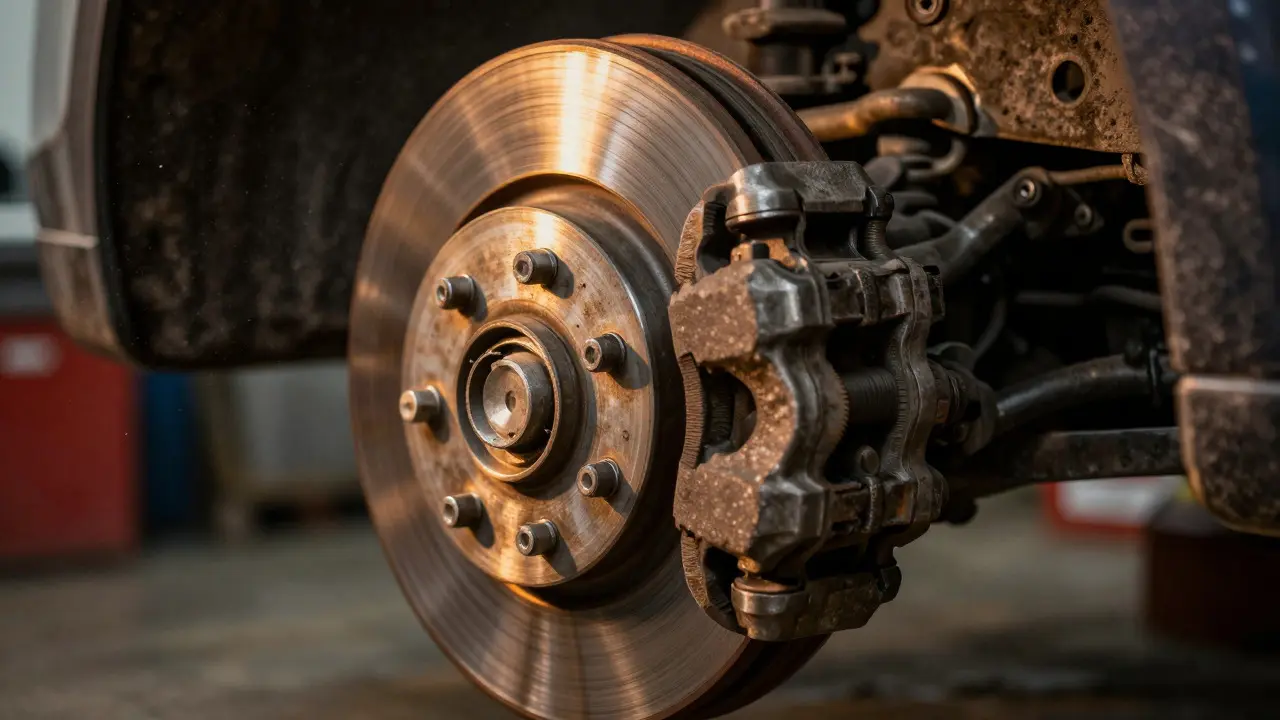
If you ask any mechanic in the Pacific Northwest what breaks first, they will likely point to the brakes. The brake system a hydraulic network consisting of pads, rotors, calipers, and lines that converts kinetic energy into heat to stop the vehicle works under extreme stress. Every time you hit the pedal, friction generates temperatures exceeding 600 degrees Fahrenheit. Over time, this heat cycles cause metal fatigue.
The most visible sign of failure is the brake pad. When the friction material wears down to less than 1/4 inch, you start hearing squeals. This noise is actually a built-in sensor-a small metal tab designed to scrape against the rotor to warn you. If you ignore it, the metal backing plate contacts the rotor, causing permanent scoring. Repairing a scored rotor costs three to four times more than replacing the pads early.
Beyond pads, the calipers can seize. In humid environments, moisture gets inside the caliper housing, rusting the piston. A stuck caliper keeps the pad pressed against the rotor even when you aren't braking. This drags the wheel, overheats the brake fluid, and warps the rotor. You might notice your car pulling to one side or feeling heavy during acceleration. Checking for heat buildup after a short drive is a simple DIY test: if one wheel is significantly hotter than the others, suspect a sticking caliper.
Electrical Failures: More Than Just Dead Batteries
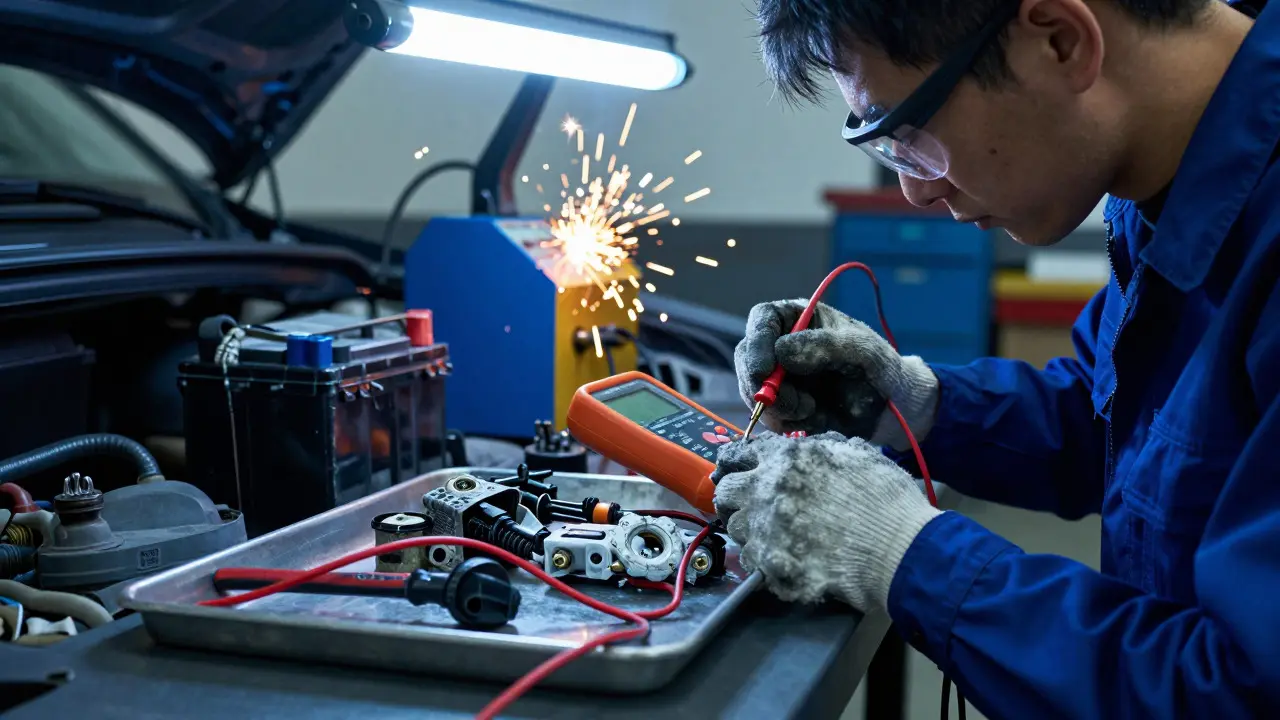
We often blame the battery when the car won’t start, but the culprit is usually something else. The automotive battery a lead-acid chemical storage device that provides initial power to start the engine and supports electrical systems while driving has a typical lifespan of three to five years. However, corrosion on the terminals is a far more common issue than internal cell death.
In regions with salted roads or high humidity, white or blue powder accumulates on the battery posts. This residue creates resistance, preventing enough current from reaching the starter motor. Cleaning these terminals with a baking soda solution and applying dielectric grease can restore full functionality instantly. Many drivers replace a perfectly good battery because they didn't check the connections first.
Another subtle electrical failure involves the alternator. This component recharges the battery while the engine runs. If the alternator belt slips or the internal diodes fail, the car runs on battery power alone. You might see dimming headlights or flickering dashboard lights. Unlike a dead battery, an alternator failure means your car will eventually stall completely. Replacing an alternator is a straightforward job for most independent shops, costing significantly less than a roadside tow and jump-start service.
Tires and Suspension: The Connection to the Road
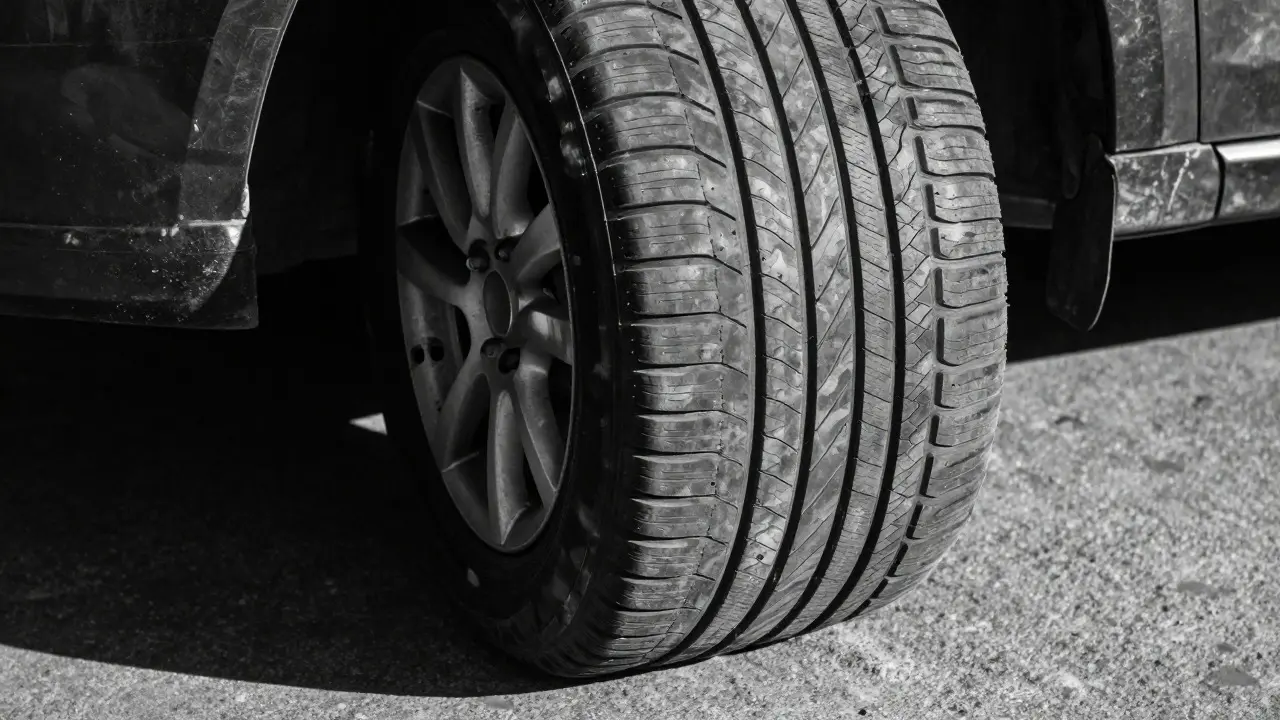
Your tires are the only part of your car touching the ground, yet they are often overlooked until they blow out. Tire failure isn't always about tread depth. Uneven wear patterns indicate alignment issues or suspension problems. For example, cupping-where the tire surface looks wavy-suggests worn shock absorbers. Biting into the road without proper damping causes the tire to bounce, wearing it out prematurely.
The suspension system the network of springs, shocks, struts, and links that connects the wheels to the chassis, absorbing impacts and maintaining tire contact with the road suffers silently. Worn ball joints or tie rod ends create play in the steering. You might hear a clunk over bumps or feel vague steering response. These small components are cheap to replace, but if left alone, they can snap, causing the wheel to collapse inward. This is a dangerous situation that requires immediate attention.
Alignment is also critical. After hitting a pothole, your wheel angle can shift. Even a half-degree of misalignment causes one side of the tire to scrub against the pavement. This not only destroys the tire but also makes the car pull to one side, increasing driver fatigue and reducing fuel economy by up to 5%.
Engine Cooling: The Silent Killer
Overheating is one of the most destructive failures in automotive engineering. The cooling system a closed-loop circuit containing coolant, a water pump, radiator, and thermostat that regulates engine temperature relies on constant circulation. The water pump is driven by the serpentine belt. If the belt snaps, the pump stops, and the engine overheats within minutes.
The thermostat is another weak link. It opens and closes based on temperature. If it sticks closed, the coolant doesn't flow to the radiator, causing rapid overheating. If it sticks open, the engine never reaches optimal operating temperature, leading to poor fuel efficiency and increased emissions. Replacing a thermostat is a low-cost repair that prevents catastrophic head gasket failure. A blown head gasket can cost thousands to fix, often requiring engine removal.
Don't forget the radiator cap. It maintains pressure in the system, raising the boiling point of the coolant. A weak spring in the cap allows steam to escape, lowering the boiling point and risking vapor lock. It’s a $15 part that saves engines from ruin.
Comparison of Common Failure Points
| Component | Typical Lifespan | Primary Symptom | Average Repair Cost (USD) | Risk Level |
|---|---|---|---|---|
| Brake Pads | 30,000 - 70,000 miles | Squealing noise, reduced stopping power | $100 - $300 | High (Safety) |
| Battery Terminals | Continuous | Slow cranking, intermittent starting | $0 - $50 | Medium |
| Alternator | 80,000 - 100,000 miles | Dim lights, battery warning light | $200 - $400 | Medium |
| Tires | 40,000 - 60,000 miles | Uneven wear, vibration | $400 - $800 (set of 4) | High (Safety) |
| Water Pump | 60,000 - 90,000 miles | Coolant leak, overheating | $300 - $600 | High (Engine Damage) |
| Thermostat | 80,000+ miles | Temperature fluctuations, poor fuel economy | $100 - $200 | Medium |
Preventive Maintenance Strategies
Most common issues stem from deferred maintenance. You don't need to be a mechanic to catch problems early. Here is a simple routine that fits into most busy schedules:
- Monthly Visual Check: Look under the car for puddles. Oil leaks are brown/black, coolant is green/orange/pink, and transmission fluid is red. Check tire tread depth using the penny test.
- Quarterly Battery Inspection: Clean terminals and check voltage with a multimeter. A healthy resting voltage should be between 12.4 and 12.7 volts.
- Annual Fluid Exchange: Replace brake fluid every two years. It absorbs moisture, which lowers its boiling point and causes corrosion inside the lines.
- Listen to Your Car: New noises are information. A click when turning could be a CV joint. A hum that changes with speed could be a wheel bearing. Write them down and show them to a technician.
Keeping a log of these observations helps you track trends. If a rattle appears after a specific type of road surface, you can pinpoint the issue faster. Mechanics appreciate customers who provide context, as it speeds up diagnosis and reduces labor hours.
When to DIY vs. When to Visit a Shop
Not every repair requires a professional. Changing air filters, checking fluid levels, and cleaning battery terminals are safe DIY tasks. However, working on the brake system requires caution. While changing pads is doable for many, bleeding the brake lines requires precision to avoid air in the system, which leads to a spongy pedal.
Suspension work generally requires special tools like a press and torque wrenches. Misaligned suspension components can lead to accidents. Similarly, timing belt replacements are critical. If a timing belt breaks in an interference engine, the pistons collide with the valves, destroying the engine. Always consult a manual or a trusted mechanic for these jobs.
For complex diagnostics involving electronic control units (ECUs), specialized scanners are needed. These devices read error codes that pinpoint the exact sensor or circuit failure. Attempting to guess based on code descriptions without proper equipment often leads to unnecessary part replacements.
Frequently Asked Questions
How often should I inspect my car's components?
A visual inspection once a month is ideal. Check fluids, tires, and lights. A professional inspection should happen annually or every 10,000 miles, whichever comes first. This ensures hidden issues like brake line corrosion or suspension bushing wear are caught early.
Is it expensive to replace failed components?
It depends on the part. Consumables like brake pads and filters are affordable. Complex parts like transmissions or engines are costly. However, delaying minor repairs almost always results in higher total costs due to collateral damage. For example, ignoring a small oil leak can lead to a seized engine.
What is the most common reason for brake failure?
Worn brake pads are the most common cause. However, brake fluid contamination is a hidden major factor. Moisture in the fluid lowers the boiling point, causing vapor lock during hard braking. This results in a soft pedal and reduced stopping distance.
Can bad weather affect component lifespan?
Yes. Salt on roads accelerates rust on brake calipers and exhaust systems. Extreme cold reduces battery capacity by up to 30%. Heat degrades rubber seals and hoses. Adjusting your maintenance schedule based on local climate conditions can extend component life significantly.
Should I buy OEM or aftermarket parts for repairs?
OEM (Original Equipment Manufacturer) parts guarantee fit and quality but cost more. Aftermarket parts vary widely in quality. For safety-critical items like brakes and airbags, OEM is recommended. For non-critical items like filters or wiper blades, reputable aftermarket brands offer good value.