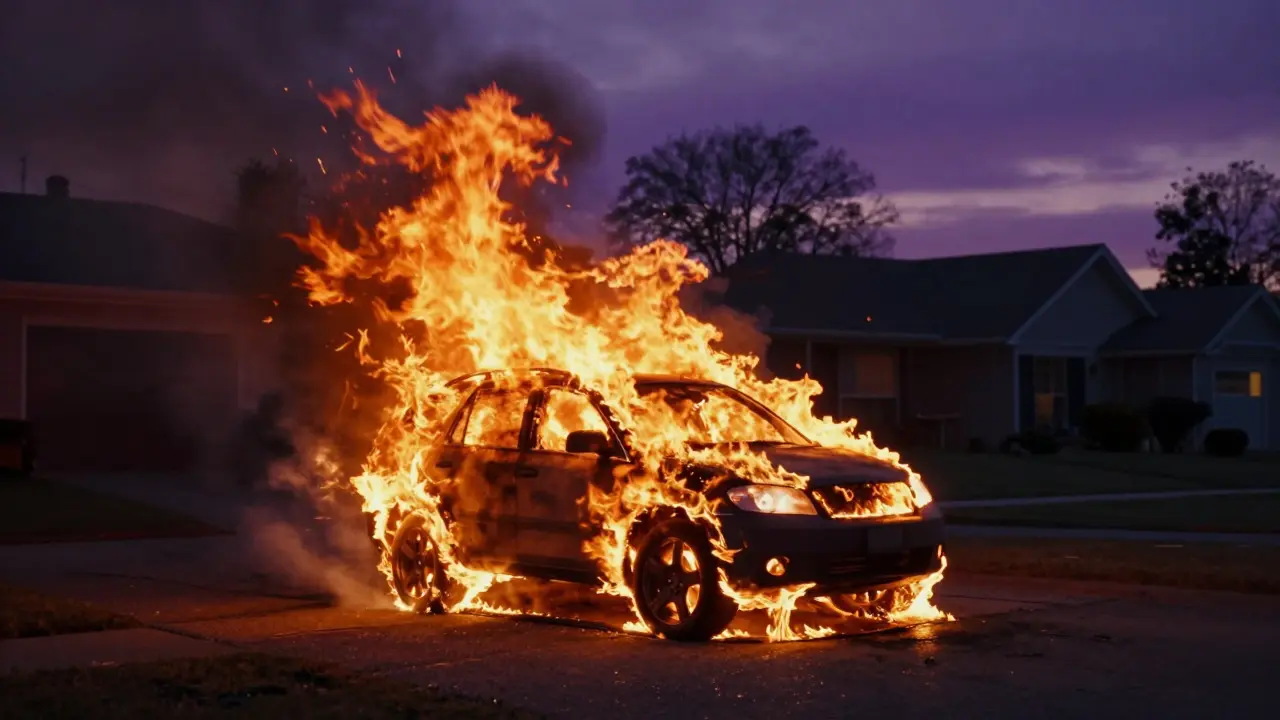
Imagine pulling out of your driveway to find your car wrapped in flames, or waking up to an empty spot where your vehicle used to be. In both scenarios, standard liability insurance won't help you. You need specific protection against fire and theft, which is typically bundled into a broader policy component known as comprehensive coverage. Understanding how this works, what it actually pays for, and where the limits lie is crucial for protecting one of your largest personal assets.
Many drivers assume that if their car burns down or gets stolen, they will get a check for the exact amount they paid for it. This is a common misconception. The reality involves complex calculations based on actual cash value (ACV), depreciation, and specific exclusions that can leave you holding the bag. Let’s break down exactly how these protections work so you know what to expect before disaster strikes.
What Exactly Does Fire and Theft Cover?
When insurers talk about fire and theft, they are usually referring to two distinct perils that fall under the umbrella of comprehensive insurance. It is not a standalone policy you buy separately; rather, it is a feature of your comprehensive auto insurance plan. If you only carry liability coverage, you are protected against damage you cause to others, but not against damage done to your own car by external forces like fire or criminals.
Comprehensive Auto Insurance is a type of auto insurance that covers non-collision damages to your vehicle, including fire, theft, vandalism, and natural disasters. This means if a lightning strike fries your engine, or if someone breaks into your garage and steals your sedan, comprehensive coverage kicks in. However, it is important to distinguish between "theft" and "vandalism." While both are covered, the payout mechanisms differ slightly because theft often involves total loss, whereas vandalism might result in partial repair costs.
- Fire: Covers damage from accidental fires, whether caused by electrical malfunctions, external sources like wildfires, or arson (if not committed by the policyholder).
- Theft: Covers the full value of the vehicle if it is stolen and not recovered within a specific timeframe (usually 30-60 days depending on the state).
- Related Perils: Since these are part of comprehensive, you also get coverage for hail, falling objects, animal collisions, and glass breakage at no extra premium cost specifically for those events.
Understanding Actual Cash Value vs. Replacement Cost
This is where most policyholders feel shortchanged. When your car is totaled by fire or declared a total loss after being stolen, the insurer does not pay you what you originally bought it for. They pay the Actual Cash Value (ACV). ACV is calculated by taking the current market value of your car and subtracting depreciation. Depreciation accounts for age, mileage, condition, and local market demand.
For example, if you bought a new SUV for $45,000 three years ago, its ACV today might be around $28,000. If it burns down, your check will reflect that $28,000 figure, minus your deductible. This gap between the purchase price and the ACV is why some drivers opt for "gap insurance," though that is more commonly associated with loans. For uninsured losses, understanding the ACV calculation is vital. Insurers use data providers like Kelley Blue Book or NADA Guides to determine these values, which can sometimes lag behind real-time market fluctuations, especially in tight supply markets.
| Factor | Fire Damage | Vehicle Theft |
|---|---|---|
| Typical Payout Basis | Repair Costs (if salvageable) or ACV (if totaled) | ACV (if not recovered) or Repair Costs (if recovered damaged) |
| Investigation Process | Fire marshal report required to rule out fraud | Police report required; recovery period applies |
| Deductible Application | Subtracted from final settlement | Subtracted from final settlement |
| Common Exclusions | Intentional acts, mechanical failure leading to fire | Missing keys, unreported theft, foreign countries without notice |
The Role of Deductibles in Your Protection
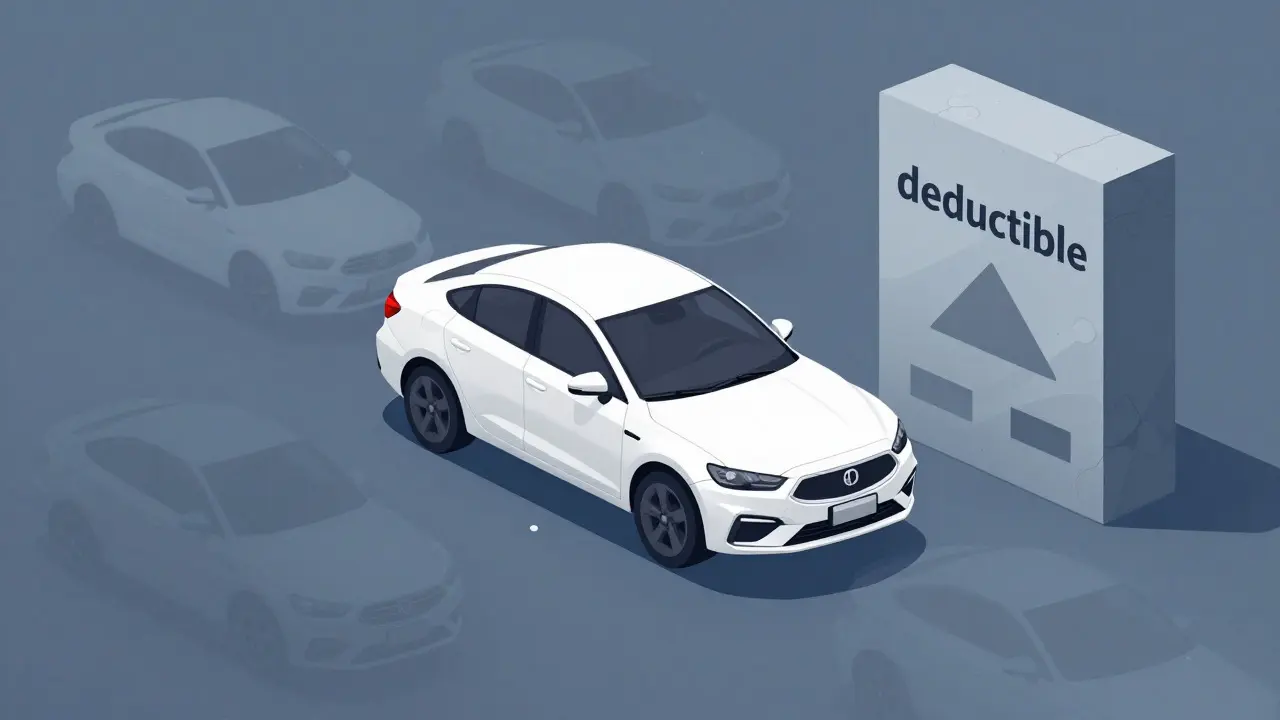
Your deductible is the amount you agree to pay out of pocket before the insurance company starts paying. For comprehensive coverage, which includes fire and theft, deductibles typically range from $250 to $1,000. Choosing a higher deductible lowers your monthly premium, but increases your immediate financial burden when a claim happens.
If your car is stolen and found three months later with significant water damage, you will still owe your deductible. If the repair estimate is $1,500 and your deductible is $500, the insurer pays $1,000. However, if the repair estimate is less than your deductible, it is usually not worth filing a claim. In the case of a total loss, the deductible is subtracted from the ACV. So, if your ACV is $20,000 and your deductible is $500, you receive $19,500. It is wise to keep a record of all receipts related to your vehicle, as this can sometimes support a higher valuation argument during the appraisal process.
Critical Exclusions That Can Void Your Claim
Even with comprehensive coverage, there are scenarios where you might be left without protection. Knowing these exclusions helps you avoid surprises.
- Mechanical Failure: If a fire starts due to a faulty wiring harness that was ignored despite warnings, some insurers may argue it was maintenance neglect rather than an accidental peril. Regular inspections can protect you here.
- Unlicensed Drivers: If a family member drives your car without a valid license and it is stolen, coverage might be contested depending on state laws and policy terms.
- Commercial Use: If you use your personal car for rideshare work or delivery services without adding commercial endorsements, a fire or theft incident might lead to a denied claim.
- Foreign Travel: Some policies limit coverage abroad or require pre-notification. If your car is stolen in another country without prior consent, the payout might be limited to the value in that region, which could be lower.
Always read the fine print regarding "named perils" versus "all-risk" language. Most modern policies cover named perils, meaning only listed causes are covered. If a rare event occurs that isn't listed, you might not be covered.
How to Maximize Your Protection Options
You don't have to accept the default terms of your policy. There are strategic ways to enhance your fire and theft protection.
- Add New Car Replacement: If you are within the first year or 15,000 miles of owning a new vehicle, consider this add-on. It pays the replacement cost of a similar new model instead of ACV, bridging the depreciation gap.
- Install Anti-Theft Devices: Many insurers offer discounts for vehicles equipped with GPS trackers, steering wheel locks, or alarm systems. These devices not only lower premiums but also increase the likelihood of recovery.
- Review Valuation Add-ons: If you have aftermarket parts like custom wheels, sound systems, or performance upgrades, ensure they are listed on your policy. Standard ACV calculations often ignore these modifications unless specifically endorsed.
- Check Sub-limits: Sometimes, specific items like tires or glass have sub-limits. Ensure your main comprehensive limit is high enough to cover the full value of your vehicle plus any necessary accessories.
In regions prone to wildfires, such as parts of the Pacific Northwest, it is also worth asking about wildfire-specific exclusions. While fire is generally covered, some policies may exclude damage from wind-driven embers if the home is also insured under a separate homeowner's policy, creating a potential gap in coverage coordination.
Filing a Claim: What to Do Immediately
Speed matters in both fire and theft claims. Here is a quick checklist to follow:
- Secure the Scene: For fire, ensure it is fully extinguished and safe. For theft, do not touch anything until police arrive.
- Contact Authorities: File a police report for theft immediately. For fire, request a fire department report to document the cause.
- Notify Your Insurer: Call your agent or insurer within 24 hours. Delay can raise questions about negligence.
- Document Everything: Take photos of the damage, the scene, and any relevant documents like registration or proof of ownership.
- Gather Witnesses: If anyone saw the incident, get their contact information.
Keep copies of all correspondence. Insurers may take weeks to investigate, especially in theft cases where they wait for the recovery window to close. Be patient but persistent in following up on the status of your claim.
Does fire insurance cover electrical fires?
Yes, electrical fires are generally covered under comprehensive auto insurance as long as they are accidental. However, if the fire resulted from a known defect that was ignored despite warnings, the insurer might investigate further to rule out negligence.
How long do I have to wait for a stolen car claim?
Most insurers wait 30 to 60 days after a theft report before declaring the vehicle a total loss. If the car is found within this period, you may choose to have it repaired or accept the ACV payout. If not found, the claim proceeds as a total loss.
Is theft covered if I leave my keys in the car?
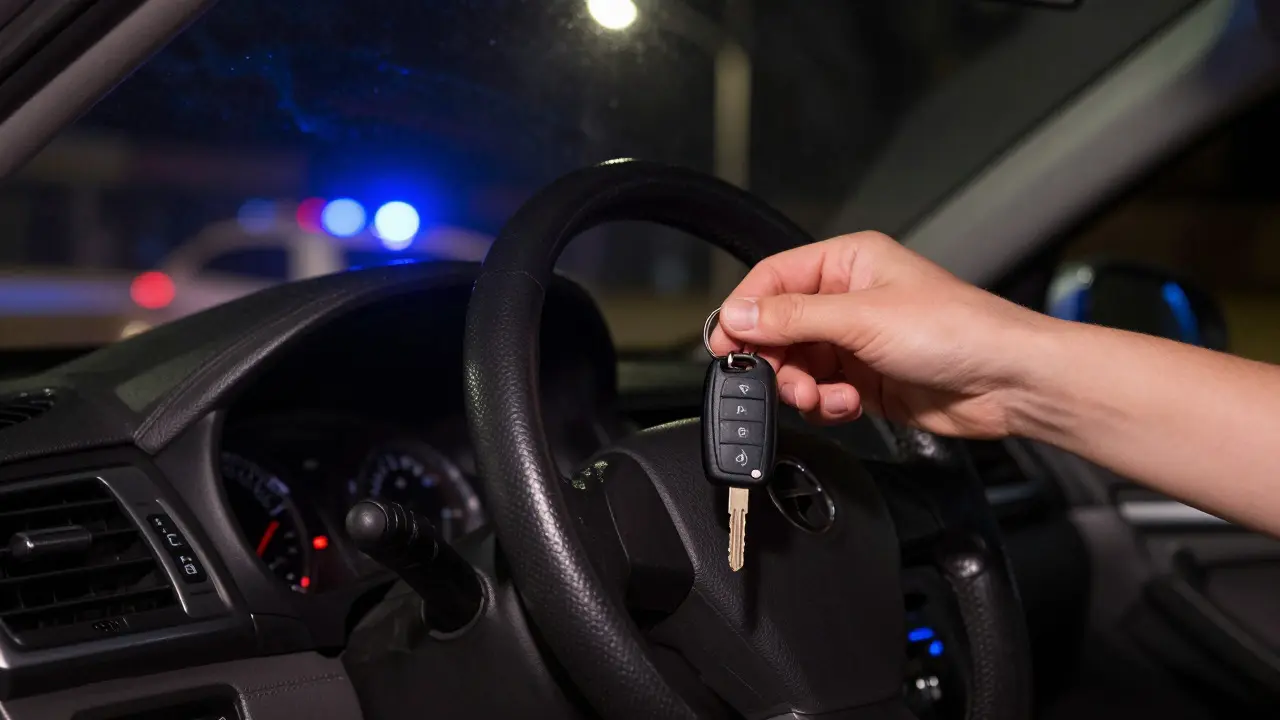
Usually, yes, but it depends on the circumstances. Leaving keys in a visible location in a public area might be considered gross negligence by some insurers, potentially reducing or denying the claim. In private parking, it is rarely an issue.
Do I need comprehensive coverage if I have a loan?
If you have a loan or lease, the lender will almost certainly require comprehensive and collision coverage. This protects their interest in the vehicle. Without it, you risk losing the car without being able to pay off the balance.
What happens if my car is stolen and found damaged?
You have the option to accept the ACV payout and let the insurer take the damaged car, or you can have it repaired. If repaired, the insurer pays the repair costs minus your deductible. If the repair cost exceeds the ACV, it is treated as a total loss.