
Imagine waking up to a monthly statement and discovering that 20% of your fuel budget vanished into thin air. It sounds like a nightmare, but for many fleet operators, it's a reality. With industry losses hitting billions annually, fuel theft isn't just a nuisance-it's a massive leak in your bottom line. The good news is that you don't have to just "accept" these losses. By using fuel card controls, you can lock down your spending and make it nearly impossible for unauthorized users to drain your accounts.
| Control Type | What it Does | Primary Goal |
|---|---|---|
| Authentication | PINs, Vehicle IDs, Trip Numbers | Verify the driver's identity |
| Spending Limits | Daily/Weekly caps, Tank capacity | Prevent over-purchasing |
| Environmental | Time-of-day, ZIP codes, Merchant types | Restrict where/when fuel is bought |
| Product Locks | Fuel-grade restrictions, "Fuel Only" | Stop non-fuel purchases |
The First Line of Defense: Authentication
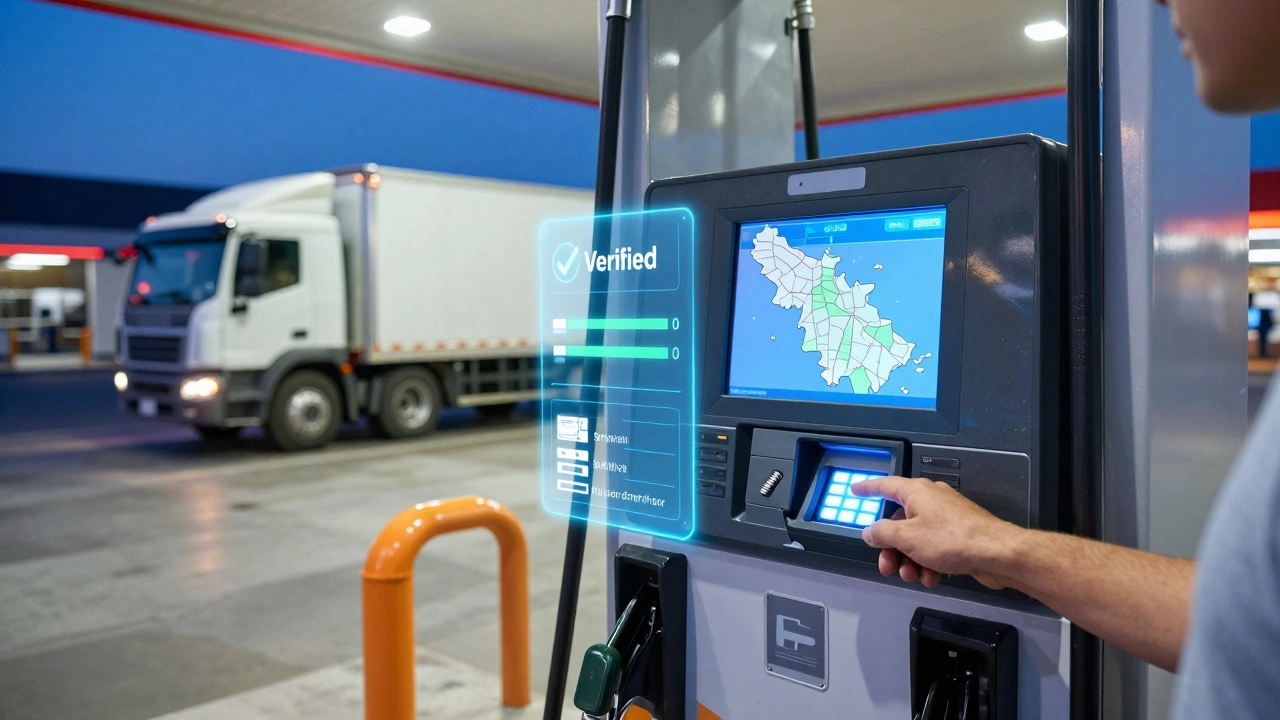
The simplest way to stop a stranger-or a dishonest employee-from using your funds is to ensure the card can't be used without a secret code. This is where Driver PINs is a unique 4-to-6 digit Personal Identification Number assigned to individual drivers to authorize transactions comes into play. When a driver swipes a card, the pump prompts them for this PIN. If they don't have it, the transaction fails.
But PINs aren't foolproof. Drivers sometimes share them or use obvious numbers like their birth year. To tighten things up, many managers implement multi-factor authentication. For example, some providers like PS Energy require a vehicle unit number in addition to the PIN. This means the thief would need both the card and the specific vehicle's ID to get fuel. For high-security fleets, WEX Inc. offers trip number validation, where the driver must enter a current trip ID that changes with every new dispatch.
Capping the Cost: Spending and Capacity Limits
Even with a PIN, a driver could theoretically fill up their personal car or a friend's truck. This is where spending limits save your budget. You can set daily or weekly dollar caps based on a vehicle's typical consumption. If a truck usually spends $200 a week, setting a $250 limit gives them enough breathing room for a detour but flags a $600 purchase immediately.
One of the smartest moves a manager can make is implementing tank capacity controls. By matching the card's limit to the physical fuel tank size of the assigned vehicle, you stop "phantom transactions" where drivers pump fuel into portable canisters. If the truck has a 100-gallon tank, the card simply won't allow a 150-gallon purchase.
Putting Borders Around Your Budget
Why is a card being used in Florida when your trucks are only supposed to be in Oregon? Location-based restrictions allow you to lock cards to specific ZIP codes or states. If a card is swiped outside these boundaries, the transaction is either blocked or triggers an instant alert to your phone.
You can also control when and where the money is spent. Time-of-day restrictions are a lifesaver for fleets that only operate during standard business hours. If a transaction occurs at 3:00 AM on a Sunday, it's a huge red flag. Furthermore, merchant category controls ensure your drivers aren't using the fuel card to buy snacks, lottery tickets, or electronics at the convenience store. By setting the card to "fuel only," you ensure every cent goes toward moving the vehicle.
Choosing Your Architecture: Closed-Loop vs. Open-Loop
Not all cards are built the same. Depending on your routes, you might need one or both of these systems:
- Closed-Loop Cards are tied to a specific network, such as Speedway Fleet Cards or CFN FleetWide. Because they only work at branded stations, the controls are much tighter, often including fuel-grade locks at the pump. They also tend to offer bigger discounts, sometimes 20-40¢ per gallon.
- Open-Loop Cards are backed by giants like Visa or Mastercard. They work anywhere, which is great for drivers on unfamiliar routes, but they rely more on Merchant Category Codes (MCC) to block unauthorized spending.
Fighting the Physical Threat: Skimming and Tampering
All the software in the world won't help if a thief physically steals the card data from the pump. Card skimming happens when a device is placed over the card reader to capture the magnetic stripe information. Your drivers are your eyes on the ground here.
Train your team to look for loose parts or bulky attachments on the card reader. A good rule of thumb is that pumps closest to the store attendant are generally safer and less likely to be tampered with. If a pump looks "off" or doesn't match the others in the row, tell your drivers to skip it and report it. A five-second visual check can prevent weeks of financial headache.
Real-Time Monitoring and the Modern Dashboard
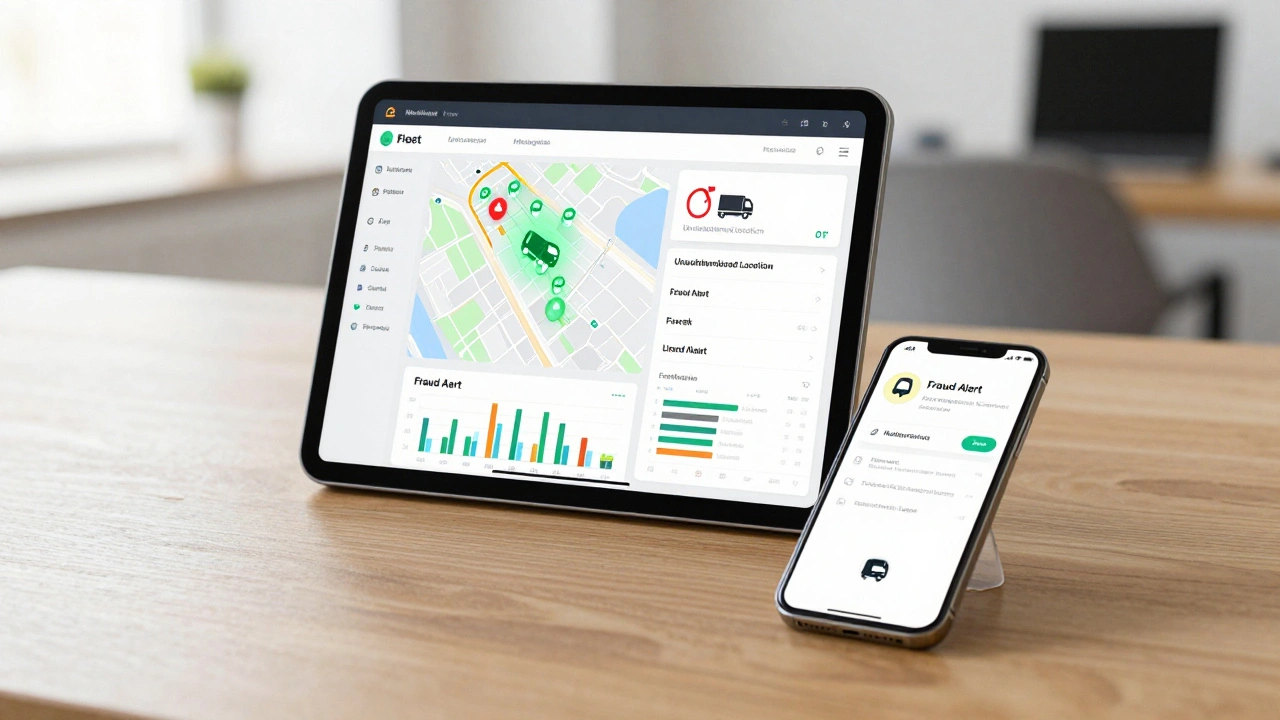
Gone are the days of waiting for a paper statement at the end of the month to find fraud. Modern platforms like P-Fleet provide real-time portals. The moment a card is swiped, you get an e-receipt. You can see the driver's name, the exact location, the odometer reading, and the amount of fuel consumed.
This instant visibility allows you to spot patterns. If a driver is consistently hitting their spending limit or fueling up more often than the mileage suggests, you can step in immediately. When combined with automated fraud alerts, you can freeze a compromised card in seconds rather than discovering the theft weeks too late.
What happens if a driver forgets their PIN?
Most fleet managers maintain a secure, encrypted digital record of driver PINs on a mobile device. This allows the manager to provide the correct PIN to the driver via phone or text, resolving the issue instantly without needing to reset the card at the provider's office.
Can I restrict my cards to only purchase diesel?
Yes. Most fuel card providers allow for fuel-grade restrictions. This prevents drivers from accidentally or intentionally purchasing more expensive premium grades or the wrong fuel type entirely, which protects both your budget and your engines.
How do I handle a driver who consistently exceeds their limits?
First, check if the limit is too low for the current route. If the limit is correct, it's a management issue. Reinforce that fuel card misuse is often illegal and can lead to disciplinary action or termination. Consistent overages are often a sign of either inefficient driving or fuel theft.
Is it better to have one card per truck or one per driver?
Assigning unique PINs to drivers is the gold standard. While the card may stay with the truck, the PIN identifies the person. This gives you a clear audit trail, showing exactly who was responsible for which transaction, which is essential for accountability.
Do open-loop cards have the same security as closed-loop cards?
Open-loop cards are more flexible but typically have slightly less granular control at the pump. They rely on merchant category blocking (stopping the card at a grocery store, for example) rather than the deep hardware-level locks found in closed-loop networks.
Next Steps for Fleet Managers
If you're currently using basic cards with no controls, start with these three steps:
- Audit your current spend: Look at your last three months of statements. Find the "leaks"-odd hours, weird locations, or amounts that don't match tank sizes.
- Implement Driver PINs immediately: If you're using shared codes, stop. Give every driver a unique ID to create a clear paper trail.
- Set hard limits: Start with a slightly generous spending cap and tighten it over 30 days as you see the actual average consumption per vehicle.