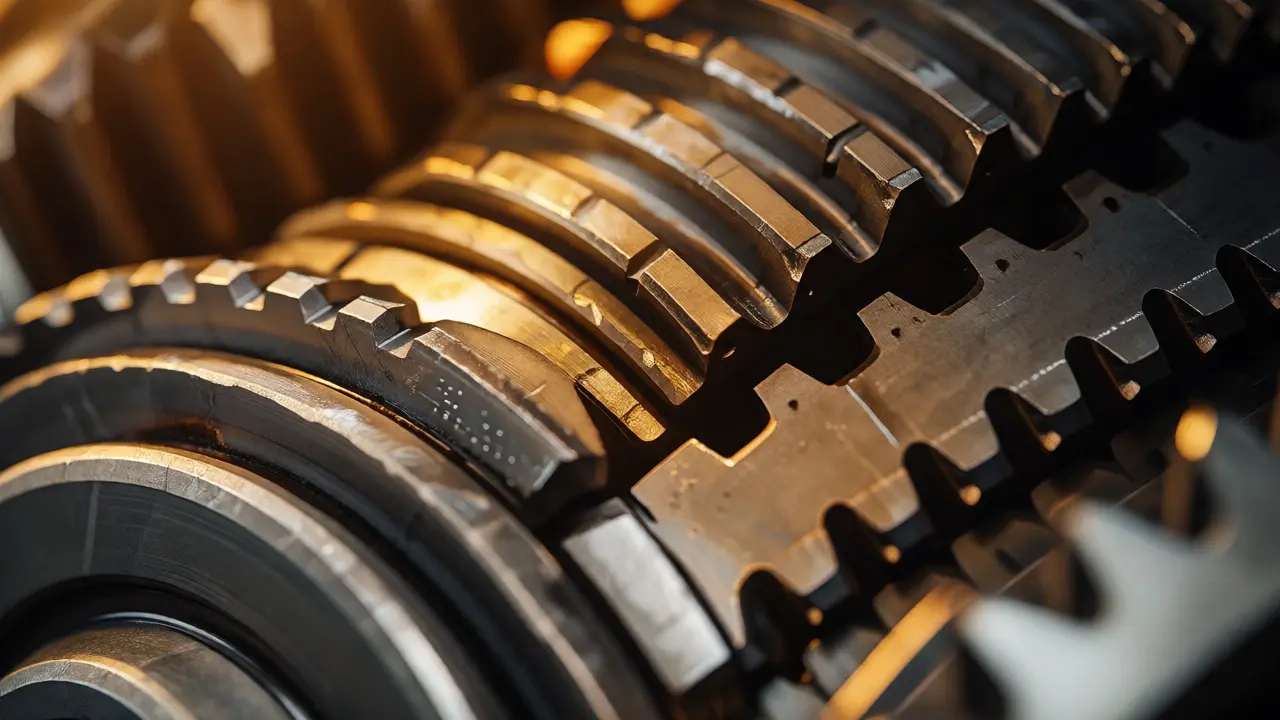
You’re cruising down the highway, shift into third gear, and suddenly hear that horrible sound-like someone dropped a bag of silverware inside your engine bay. That gear grinding noise isn’t just annoying; it’s a distress signal from your transmission. If you drive a manual, you’ve probably felt that moment where the shifter resists, or worse, locks up while you’re trying to change gears at a stoplight. It’s scary, it’s expensive if ignored, but it’s rarely fatal if caught early.
Most people panic because they think their entire transmission is blown. But here’s the good news: in many cases, the problem isn’t the massive internal gearset. It’s often a small, cheap component like a synchronizer ring or a worn clutch cable. The key is figuring out exactly what’s making that noise before you spend thousands on a rebuild you might not need.
The Usual Suspects: Why Gears Grind
To understand why your car sounds like a blender, you have to know how a manual transmission works. When you press the clutch pedal, you disconnect the engine from the transmission. This allows you to move the shifter without forcing spinning gears to mesh. Inside the gearbox, components called synchronizers (or synchros) match the speed of the gear you want to engage with the speed of the shaft. If these parts are worn, they can’t sync speeds quickly enough, so the metal teeth collide instead of sliding smoothly together. That collision is the grind.
But synchros aren’t the only culprits. Here are the four most common causes for grinding noises, ranked by likelihood:
- Worn Synchronizers: These brass or carbon rings wear out over time, especially if you’re rough with the shifter. They lose their ability to create friction needed to match gear speeds.
- Clutch Issues: If your clutch isn’t fully disengaging when you press the pedal, the transmission input shaft keeps spinning. You’re essentially trying to force gears to mesh while they’re still moving too fast. This is often due to air in the hydraulic line or a stretched cable.
- Low Transmission Fluid: Gear oil does more than lubricate; it cools and cleans. If levels are low, friction increases, heat builds up, and components swell slightly, causing resistance and noise.
- Misaligned Linkage: Sometimes the external cables or rods connecting your shifter to the transmission get bent or loose. The shifter says "third," but the transmission internals are halfway between second and third.
Diagnosing the Source: A Step-by-Step Guide
You don’t need a mechanic’s stethoscope to start this diagnosis. Grab a notebook and take your car for a short drive. Pay attention to when the noise happens. Does it happen when cold? When hot? Only when shifting up? Or only when shifting down?
Start with the simplest test: the double-clutch check. If you’re driving a manual, try double-clutching when you encounter the noisy gear. Press the clutch, move to neutral, release the clutch, give it a tiny blip of throttle, press the clutch again, and then shift. If the grind disappears during this process, your synchronizers are likely worn but functional. The double-clutch manually matches the engine speed to the transmission speed, bypassing the worn synchro. If the noise persists even with perfect double-clutching, the problem is likely mechanical damage inside the gearbox or a linkage issue.
Next, check the clutch engagement point. With the engine running and the car in park (or neutral), slowly press the clutch pedal. Where does the resistance feel different? If the pedal feels spongy or goes to the floor, you might have a hydraulic leak. Check under the car near the transmission bell housing for wet spots. If you see red or brown fluid, your master or slave cylinder is leaking. Low hydraulic pressure means the clutch plate doesn’t pull away completely from the flywheel, causing the input shaft to drag. That dragging shaft forces the gears to fight against each other, creating that crunch.
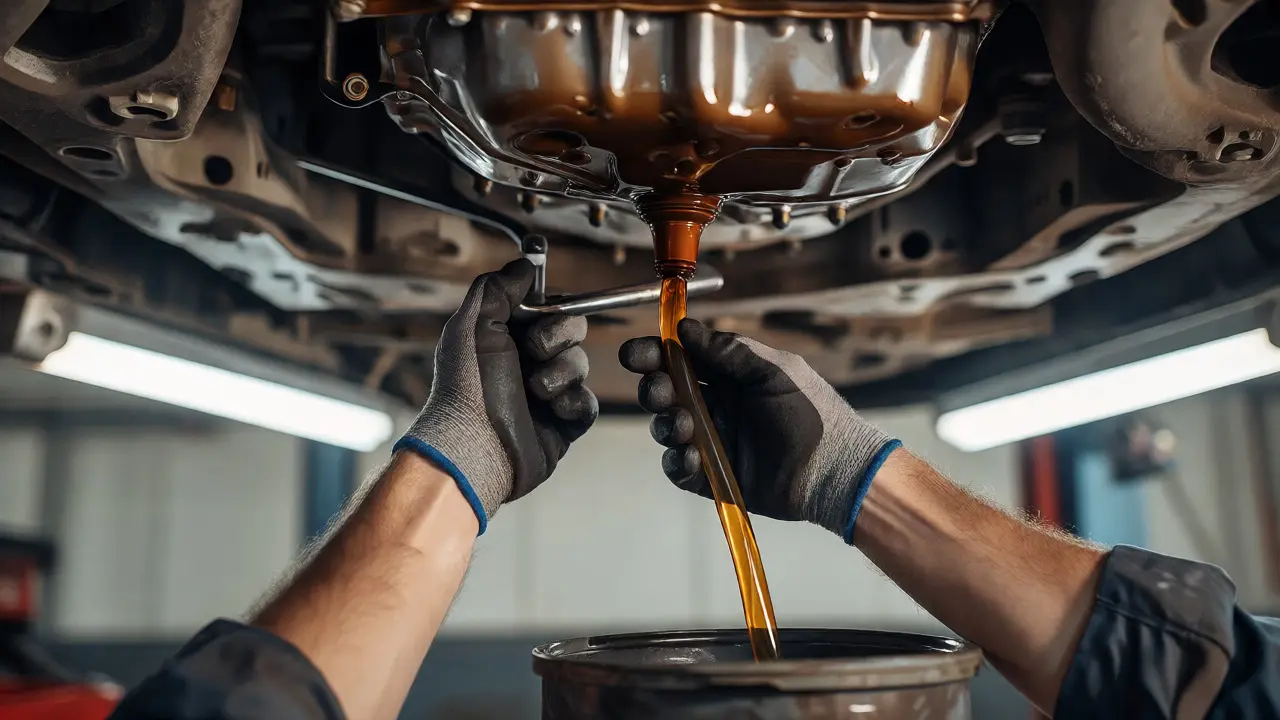
Finally, inspect the fluid level and condition. On many older cars, there’s a fill plug on the side of the transmission case. Remove it-if no fluid drips out, you’re low. Top it off with the correct grade (usually 75W-90 GL-4, but check your owner’s manual). Note: Do not use automatic transmission fluid (ATF) unless specified. Using the wrong fluid can cause seals to swell or fail, leading to leaks. If the fluid comes out looking like chocolate milk, water has gotten inside. Water ruins bearings and gears rapidly, leading to pitting and eventual failure.

Repair Options: From Cheap Fixes to Full Rebuilds
Once you know the cause, you can weigh your options. Repairs range from $100 DIY jobs to $3,000+ professional overhauls. Here’s how the costs break down based on the diagnosis.
| Problem | DIY Cost | Shop Cost | Complexity |
|---|---|---|---|
| Fluid Change/Top-up | $20 - $50 | $100 - $200 | Easy |
| Clutch Cable Adjustment | $0 - $20 | $80 - $150 | Easy |
| Master/Slave Cylinder Replacement | $100 - $200 | $400 - $800 | Moderate |
| Synchronizer Ring Replacement | $150 - $300 (parts) | $800 - $1,500 | Hard |
| Full Clutch Replacement | $300 - $600 (parts) | $1,200 - $2,500 | Hard |
| Transmission Rebuild/Replacement | N/A | $2,000 - $4,500+ | Expert |
If it’s just low fluid or a bad cable, do it yourself. It’s messy but straightforward. Drain the old fluid, replace the crush washer on the drain plug, and refill until it squirts out of the fill hole. For hydraulic issues, bleeding the clutch system requires two people or a vacuum bleeder kit. It’s tedious work involving pumping the pedal and cracking bleeder valves, but it saves hundreds in labor.
If you suspect synchronizer failure, the decision gets harder. Replacing synchros requires removing the transmission from the vehicle, splitting the case, and replacing specific rings. Most independent shops charge $800 to $1,500 for this. At that price point, many owners consider swapping in a used transmission from a junkyard. A used unit might cost $500 plus $800 labor, totaling around $1,300. However, buying used is a gamble-you don’t know how hard the previous driver shifted. A rebuilt unit with new bearings and seals is safer but pricier.
Preventative Maintenance: How to Stop the Grind Before It Starts
Grinding isn’t inevitable. It’s usually a sign of abuse or neglect. To keep your transmission healthy, adopt these habits immediately.
First, stop resting your hand on the shifter while driving. The weight of your arm presses the selector fork against the rotating sleeve, wearing down the contact surfaces. Keep both hands on the wheel. Second, come to a complete stop before shifting into reverse. Reverse gear typically lacks a synchronizer, so engaging it while the car is rolling forward forces gears to slam together. Always wait one second after stopping before selecting reverse.
Third, avoid riding the clutch. Keeping your foot lightly on the pedal at red lights wears the throw-out bearing and prevents full engagement. Let go of the pedal when stopped. Fourth, use the correct fluid. Manufacturers specify GL-4 or GL-5 gear oils for a reason. GL-5 contains extreme pressure additives that can corrode yellow metals (brass/copper) found in some synchronizers. If your car calls for GL-4, stick with it. Changing fluid every 30,000 to 60,000 miles is cheap insurance compared to a rebuild.
When to Walk Away: Is the Car Worth Fixing?
Here’s the brutal truth: sometimes the repair costs more than the car is worth. If you drive a high-mileage economy car valued at $3,000, and the shop quotes $2,500 for a transmission rebuild, you’re throwing money into a sinking ship. In these cases, selling the car as-is to a scrap yard or private buyer who wants a project might be smarter.
However, if the grinding is isolated to one gear (like 2nd or 3rd) and the rest of the transmission feels tight, it’s often worth fixing. A single worn synchro doesn’t mean the whole box is dead. Get a second opinion from a specialist who focuses on transmissions rather than a general quick-lube place. Specialists can often pinpoint the exact failed component, whereas general mechanics may recommend a total replacement out of caution.
Listen to your car. That grinding noise is a conversation. Right now, it’s whispering. Ignore it, and it will scream. Address it early, and you’ll save your wallet and your sanity.
Can I drive with a grinding transmission?
Yes, but carefully. If the grinding is mild and limited to one gear, you can skip that gear entirely. For example, if 2nd grinds, shift from 1st directly to 3rd. Avoid aggressive acceleration and heavy loads. If the grinding is severe or accompanied by popping out of gear, tow the vehicle to prevent catastrophic failure that could destroy the engine block.
Is grinding noise always a synchronizer problem?
No. While worn synchronizers are the most common cause, grinding can also result from a clutch that isn't fully disengaging, low transmission fluid, or damaged gear teeth. Always check the clutch hydraulics and fluid levels first, as these are cheaper fixes than internal transmission repairs.
How much does it cost to fix a grinding gear?
Costs vary widely. A simple fluid change or cable adjustment might cost under $100. Replacing a clutch master/slave cylinder ranges from $400 to $800. Internal repairs like synchronizer replacement typically run $800 to $1,500. A full transmission rebuild or replacement can exceed $2,500 depending on the vehicle model and labor rates in your area.
Does using the wrong transmission fluid cause grinding?
Indirectly, yes. Incorrect fluid viscosity or additive packages can lead to increased friction, overheating, and premature wear of synchronizers. Over time, this degradation results in poor synchronization and grinding noises. Always use the manufacturer-specified gear oil grade (e.g., 75W-90 GL-4).
Can I fix a grinding gear myself?
You can diagnose and fix external issues like fluid levels, clutch cables, or hydraulic leaks yourself. However, internal repairs requiring transmission removal and case splitting are complex tasks best left to experienced DIYers with proper tools or professional mechanics due to the precision required for reassembly.