Quick Takeaways
- German engineering relies on tight tolerances and complex electronics, requiring factory-grade diagnostic tools.
- Specialists focus on specific brands like BMW, Mercedes-Benz, and Porsche to ensure precise fit and function.
- Preventative maintenance in European cars is non-negotiable to avoid catastrophic engine or transmission failure.
- Using certified parts over generic alternatives prevents "cascading failures" in high-performance systems.
The Philosophy of European Engineering
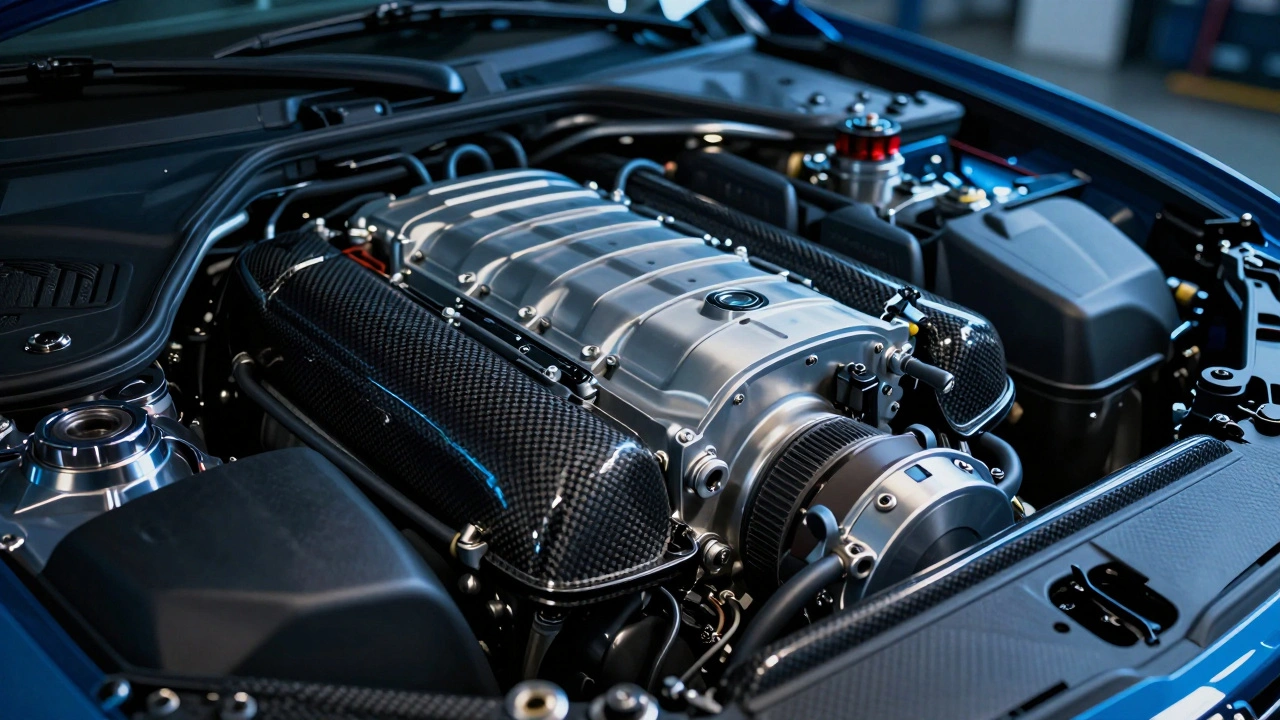
To understand why specialization matters, you have to understand the mindset behind the machine. German Automotive Engineering is a discipline defined by a relentless pursuit of efficiency, safety, and high-speed stability. Unlike some manufacturers that design for easy mass-market replacement, German brands often build components to last the life of the vehicle, provided they are maintained exactly to spec. This approach results in an incredible level of innovation. For instance, Germany registers an average of ten new patents every single day in the automotive sector. This means that the tech in your 2024 model might be fundamentally different from the 2020 version. A generalist mechanic might see a leak and try to patch it, but a specialist knows that a specific seal in a Porsche engine is designed to be replaced only when a specific mileage threshold is hit, regardless of how it looks on the outside.Why Generalists Struggle with European Cars
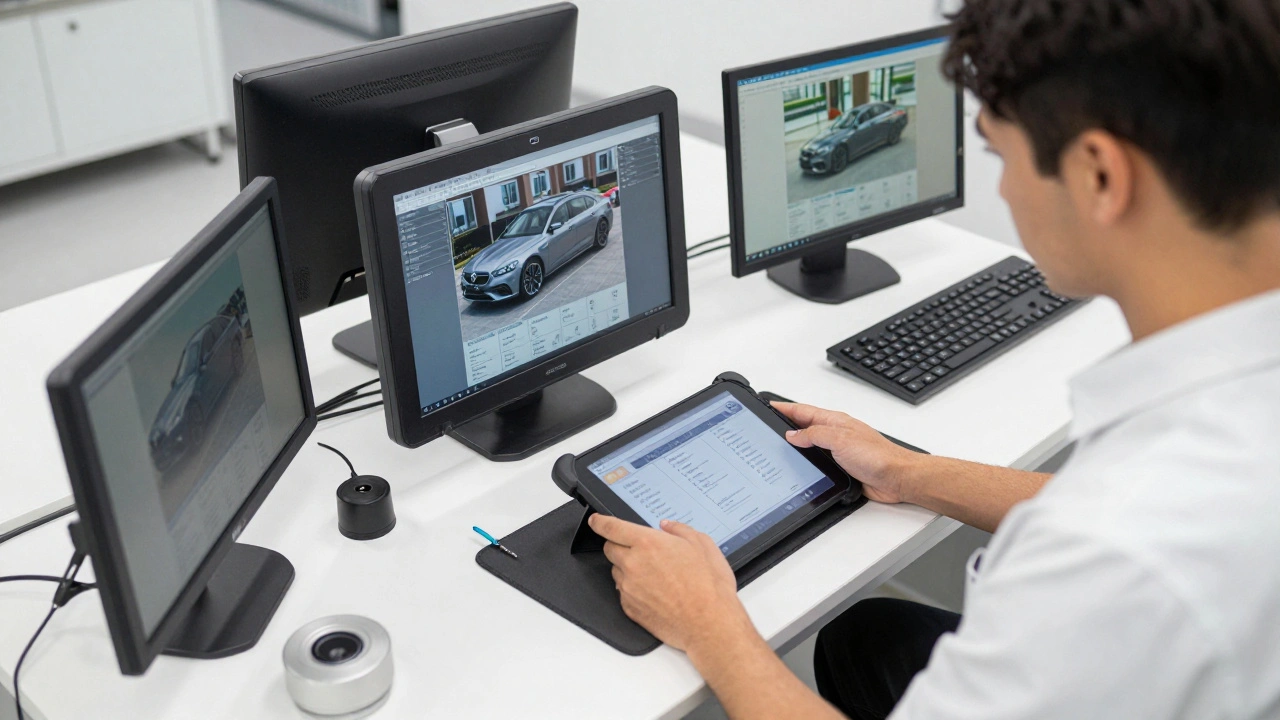
If you take your car to a shop that handles everything from old domestic trucks to new imports, you might run into a few roadblocks. The first is the tooling. Diagnostic Software for European brands is often proprietary and incredibly expensive. A specialist invests in factory-grade tools that can talk to the car's onboard computers in their own language, identifying a faulty sensor in minutes that a generic scanner might miss entirely. Then there is the "tight tolerance" problem. German engines are built with incredibly small gaps between moving parts to maximize compression and power. If a technician uses a bolt that is slightly off in grade or a gasket that isn't an exact OEM match, the heat and pressure of a high-performance engine will find that weakness instantly. This leads to what we call cascading failures, where a cheap $20 part causes a $5,000 engine rebuild.Decoding the Specialization: Which Expert Do You Need?
Not all European specialists are the same. While some shops handle all "Euro" cars, others dive deeper into specific lineages. Here is how the expertise usually breaks down across the major players:| Brand Focus | Key Engineering Challenge | Critical Maintenance Point | Specialist Tool Requirement |
|---|---|---|---|
| BMW | Complex cooling systems & electronics | Oil leaks & cooling system refreshes | ISTA Diagnostic software |
| Mercedes-Benz | Air suspension (Airmatic) & hydraulics | Transmission fluid & air spring health | Xentry Diagnostic system |
| Audi | Quattro AWD complexity & Turbocharging | Timing chain tensioners & DSG fluid | VCDS / ODIS tools |
| Volkswagen | Precision engine timing & emissions | DSG gearbox services | VAG-COM diagnostics |
| Porsche | High-RPM thermal management | Bore scoring prevention & PDK service | PIWIS specialized tools |
The High Cost of "Cheap" Parts
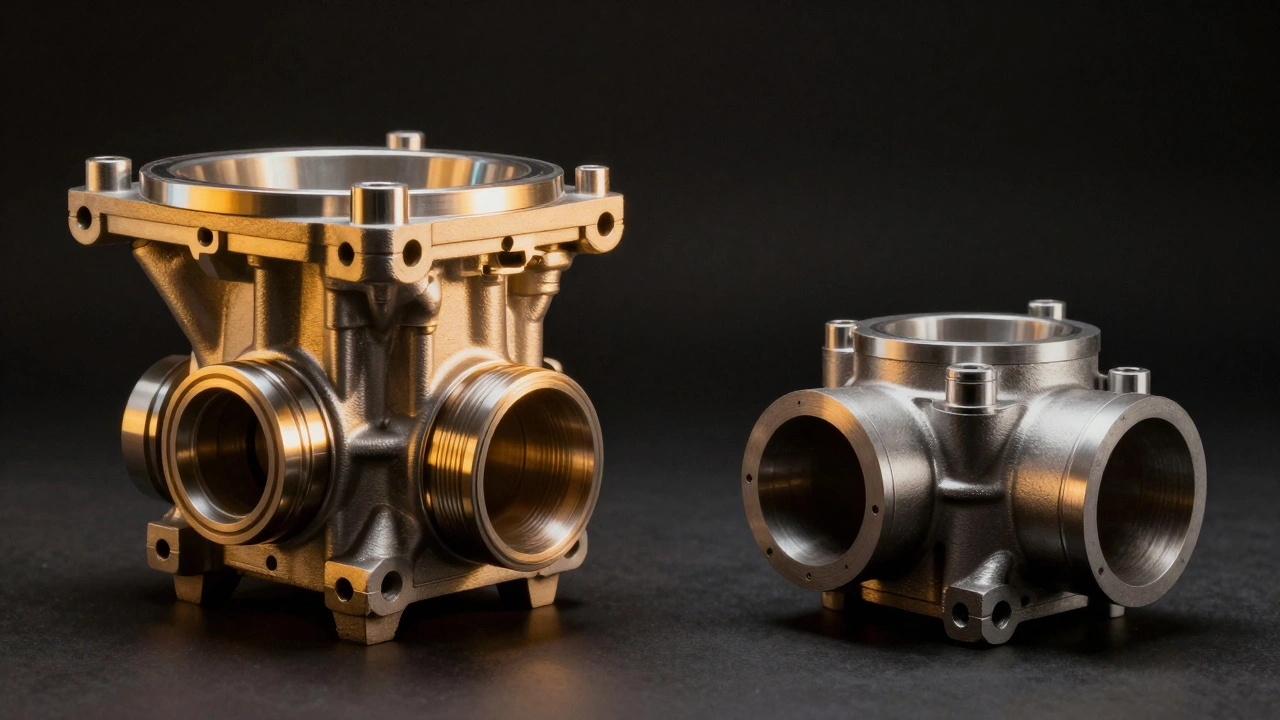
One of the biggest mistakes owners make is asking their mechanic to find the cheapest part that fits. In the world of European Auto Repair, there is a massive difference between an "aftermarket" part and an "OEM' (Original Equipment Manufacturer) part. Let's take a real-world scenario: a water pump on a BMW. A generic aftermarket pump might fit the holes and move water. However, it might be made of a slightly softer alloy. Under the extreme heat of a German-engineered engine, that alloy can warp. Once it warps, it leaks. Once it leaks, the engine overheats. Because these engines have aluminum heads, a single overheat event can warp the cylinder head, turning a $400 repair into a $7,000 engine replacement. A specialist will insist on OEM parts because they know the metallurgy matters.Essential Maintenance Intervals for European Owners
If you want your car to hit 200,000 miles, you can't just follow the dashboard light. You need a proactive strategy. Specialists typically recommend a tiered approach to maintenance:- The Fluid Cycle: Every 5,000 to 10,000 miles for synthetic oil. But don't forget the differential and transmission fluids, which many owners ignore until the car starts shuddering.
- The Cooling System Refresh: Around 60,000 to 80,000 miles, most German cars require a cooling system overhaul. Plastic hoses and connectors become brittle from heat; replacing them before they burst is a survival tactic.
- The Brake Philosophy: European cars are designed to stop violently. This means they eat brake pads and rotors faster than a domestic commuter car. Specialists check for rotor warping and pad thickness every 15,000 miles.
- The Electronic Health Check: Modern Audis and Mercedes use complex CAN-bus systems. A specialist will run a full system scan to find "ghost codes"-errors that haven't triggered a light yet but indicate a failing component.
Finding the Right Shop: Red Flags and Green Flags
How do you know if a shop is actually a specialist or just using the word for marketing? Look for these signs during your visit:Green Flags:
- They ask for your specific VIN (Vehicle Identification Number) before giving a quote. This shows they are checking for specific technical service bulletins (TSBs).
- The shop has a dedicated area for high-end diagnostic computers.
- The technicians are ASE-certified or have factory training certificates from Germany.
- They can explain *why* a part needs to be replaced, referencing the engineering logic of the car.
Red Flags:
- They claim they can fix any car regardless of the brand with the same tools.
- They suggest generic parts for critical engine components.
- The shop is cluttered with haphazardly repaired cars of all types, with no specialized equipment in sight.
- They don't mention the importance of using the correct specified oil grade (like European-spec synthetic).
The Future of European Maintenance
As we move toward hybrid and fully electric versions of these iconic brands, the role of the specialist is changing. The mechanical complexity of a piston engine is being replaced by the electrical complexity of battery management systems and high-voltage cabling. However, the core principle remains the same: European engineering is about precision. Whether it's a 1990s E30 or a 2026 Taycan, the requirement for specific, expert knowledge doesn't go away-it just shifts from the wrench to the software.Do I really need a specialist, or can a general mechanic do it?
For simple things like changing a tire or replacing a cabin air filter, a general mechanic is fine. However, for engine work, electrical diagnostics, or suspension repair, a specialist is critical. German cars use specialized fasteners, unique fluid specifications, and proprietary software that general shops simply don't have. Using the wrong tool or fluid can cause permanent damage to your engine or transmission.
Why are European car parts so much more expensive?
You're paying for the engineering and the materials. German manufacturers use higher-grade alloys, more complex casting processes, and tighter tolerances to achieve better performance and safety. While it's tempting to buy a cheaper alternative, these parts often fail prematurely because they aren't designed to handle the specific thermal and mechanical stresses of a European engine.
What is a "TSB" and why does my specialist mention it?
TSB stands for Technical Service Bulletin. These are official communications from the manufacturer to technicians about a common problem and the approved way to fix it. A specialist knows how to find and apply TSBs, meaning they can fix a known issue the first time without guessing, which saves you money in the long run.
How often should I actually take my German car in for service?
While the manual might suggest longer intervals, most specialists recommend oil changes every 5,000 to 7,500 miles for high-performance engines. A full "health check" including fluids, brakes, and electronics should happen every 10,000 miles. Proactive maintenance is significantly cheaper than reactive repair in European cars.
Is it better to go to the dealership or an independent specialist?
Dealerships are great for new car warranties and the absolute latest software updates. However, independent specialists often provide more personalized service, more transparent pricing, and a deeper understanding of older models that the dealership might struggle to service. The key is to ensure the independent shop has the same factory-grade diagnostic tools as the dealer.
Next Steps for Car Owners
If you've just purchased a European vehicle or have been using a general shop, here is a simple plan to protect your investment:- Audit Your Records: Gather all previous service records. If there's a gap in the history, assume the maintenance wasn't done.
- Find Your "Home" Shop: Search for a specialist who focuses on your specific brand. Check for ASE certification and a history of working with that marque for at least a decade.
- Perform a Baseline Inspection: Have a specialist do a comprehensive "health check." This identifies any ticking time bombs (like leaking gaskets or worn belts) before they cause a breakdown.
- Set a Maintenance Calendar: Don't wait for the dashboard light. Schedule your oil, fluid, and filter changes based on a specialist's recommended interval, not the most optimistic number in the manual.