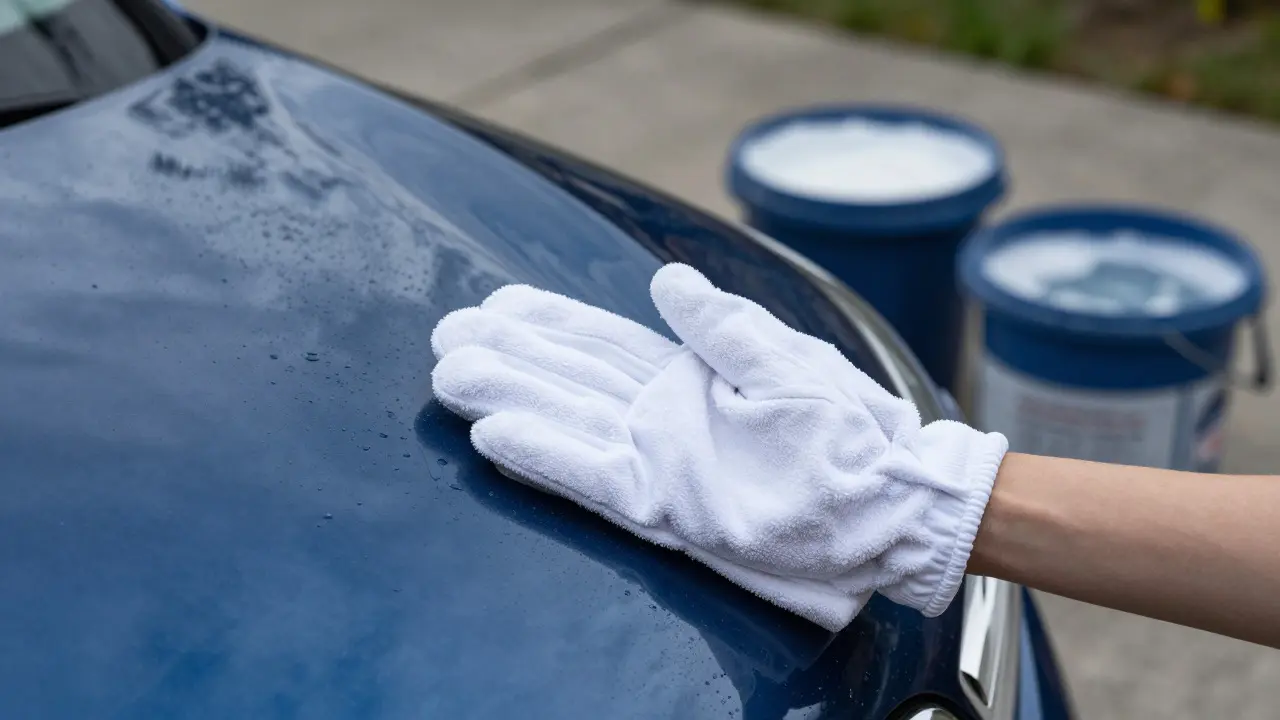
There is a persistent myth in the car enthusiast community that touching your vehicle with your hands is always worse than letting a high-speed brush do the job. But when you look at the physics of friction and chemical interaction, the reality is quite different. The choice between hand washing and automated car washes isn't just about convenience; it's a direct trade-off between labor intensity and risk management for your clear coat.
If you have spent any time inspecting a car under bright sunlight after an automatic wash, you likely know the tell-tale signs: fine, circular scratches that catch the light like spiderwebs. These are swirl marks, and they are the primary reason professional detailers often recommend manual methods. However, hand washing has its own pitfalls if done incorrectly, such as the two-bucket method failure or using dirty microfiber towels. Understanding these nuances allows you to make an informed decision based on your specific vehicle, budget, and available time.
The Mechanics of Paint Damage
To understand why one method might be safer than the other, we need to look at how dirt interacts with paint. Grime on a car is not uniform; it consists of dust, pollen, road tar, and brake dust. Brake dust, in particular, contains iron particles that are harder than most automotive clear coats. When these particles sit on the surface, they act like microscopic sandpaper.
In a traditional rotary-brush automatic car wash, large brushes rotate against the side of the car. If the pre-rinse doesn't fully suspend the loose dirt, the brush traps grit between the bristles and the paint. As the brush rotates, it drags this grit across the surface, creating linear or circular abrasions. While modern foam cannons and soft-touch systems have improved significantly, the mechanical nature of the process means that human error or equipment maintenance issues can still lead to damage.
Hand washing, by contrast, relies on controlled pressure. A properly trained washer uses a plush microfiber mitt to lift dirt off the surface rather than scrubbing it in. The key here is lubrication. Using a dedicated car wash soap creates a slick layer that allows the mitt to glide over the paint without dragging embedded particles. This controlled environment significantly reduces the likelihood of introducing new scratches compared to the uncontrolled rotation of an automatic brush.
Time, Cost, and Convenience Factors
Let’s be realistic: hand washing takes time. For an average sedan, a proper two-bucket hand wash, including drying and wheel cleaning, can take anywhere from 45 minutes to two hours depending on your experience level and the condition of the car. Add in the cost of supplies-quality shampoo, microfiber towels, buckets, and a water source-and the initial investment is higher than simply paying $10-$15 per wash at an automated facility.
Machine washing wins on speed. You pull in, pay, wait five to ten minutes, and drive out. It is perfect for quick cleanups between detailed washes. However, the cumulative cost of frequent automatic washes can add up, especially if you live in an area where salt or heavy pollution requires weekly cleaning. Furthermore, the convenience factor must be weighed against the long-term value of your paint. If you plan to keep the car for several years, preserving the original finish can impact resale value more than the savings from cheaper washes.
| Attribute | Hand Washing | Automatic Machine Washing |
|---|---|---|
| Average Time | 45-120 minutes | 5-10 minutes |
| Cost Per Wash | $0.50 - $2.00 (supplies amortized) | $10 - $25 |
| Risk of Swirl Marks | Low (if technique is correct) | Medium to High |
| Skill Level Required | High | None |
| Drying Method | Microfiber towel (manual) | Air dry or squeegee (automated) |
| Wheel Cleaning Quality | Thorough (manual brushing) | Variable (high-pressure spray only) |
The Role of Drying Techniques
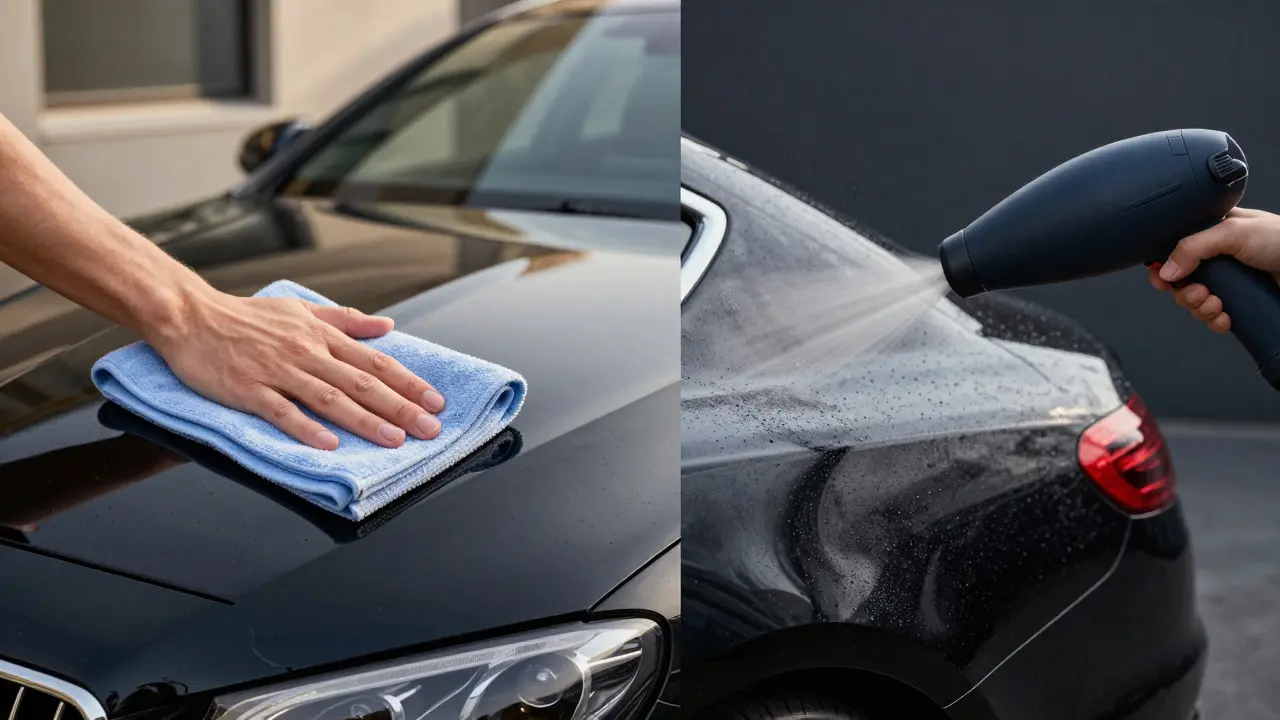
Many people focus solely on the washing phase, but drying is where a significant amount of damage occurs in both methods. In hand washing, the standard practice is to use a clean, plush microfiber drying towel. The critical rule is to pat or gently wipe, never drag. Dragging a towel over wet paint can scratch the surface because water spots and remaining grit become trapped in the fabric.
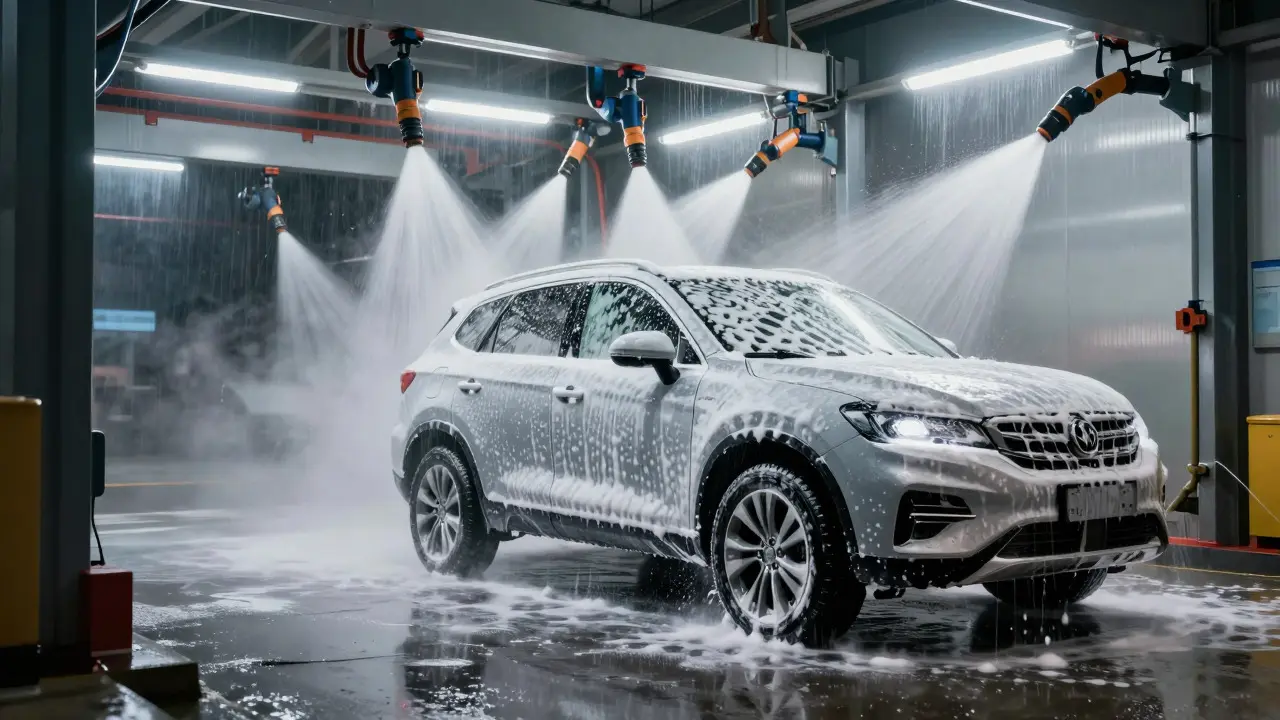
In automatic car washes, the drying mechanism varies. Some use high-powered air blowers, which are generally safe but may leave water spots if the air isn't strong enough to remove all moisture. Others use squeegees or rubber wipers. While effective at removing bulk water, these tools can sometimes leave streaks or, in rare cases, minor scratches if the rubber is worn or dirty. Air-drying, which is common in tunnel-style washes, is the safest option for the paint but leaves behind mineral deposits from hard water, requiring immediate wiping or treatment with a water spot remover.
Best Practices for Each Method
If you choose to hand wash, technique is non-negotiable. Here is what separates a safe wash from a damaging one:
- Two-Bucket Method: Use one bucket for soapy water and one for rinsing. Rinse your mitt in the rinse bucket before dipping it back into the soap to prevent re-depositing dirt onto the paint.
- Grit Guards: Place mesh screens in both buckets to trap larger debris before it touches your mitt.
- Pre-Rinse First: Always use a garden hose or pressure washer to rinse the car thoroughly before applying soap. This removes 80% of the loose dirt.
- Top-Down Approach: Start washing from the roof and work your way down. Gravity pulls dirt down, so you don't want to drag roof grime onto the cleaner lower panels.
- Clean Towels Only: Never reuse a drying towel until it is washed and dried completely. Lint and dirt trapped in old towels cause scratches.
For machine washing, you can mitigate risks by selecting the right type of facility. Avoid older rotary-brush models if possible. Look for facilities that advertise "soft touch" or "foam cannon" systems. These use rotating nozzles that spray high-pressure water and foam instead of physical brushes. Additionally, ensure the car is pre-soaked adequately. If the dirt looks particularly stubborn, a hand pre-wash with a degreaser can help loosen grime before entering the tunnel.
When to Choose Which Method
The decision often comes down to the condition of the car and your goals. If you are preparing a car for sale, a show, or a ceramic coating application, hand washing is almost mandatory. The goal in these scenarios is zero additional defects. Any new swirl mark introduced during a machine wash would require a machine polish to fix, costing hundreds of dollars and removing a thin layer of clear coat.
However, if you drive a daily commuter in a city with moderate pollution and don't mind some wear and tear, a high-quality foam-only automatic wash every two weeks is a reasonable compromise. It keeps the car clean without the time commitment. Just remember to inspect the paint periodically. If you notice an increase in swirl marks, switch to hand washing or find a better local facility.
Frequently Asked Questions
Is it safe to hand wash a car in the sun?
Generally, no. Heat causes soap and water to dry too quickly, leaving behind water spots and soap residue that can etch into the clear coat. Always wash in the shade or during cooler parts of the day, such as early morning or late afternoon.
Do automatic car washes ruin wax?
Yes, they can strip wax faster than hand washing. The high-pressure water and harsher detergents used in some machines break down hydrophobic layers. If you use a synthetic sealant or ceramic coating, check the manufacturer's guidelines, as some coatings are more resistant to automated washing than traditional carnauba waxes.
What is the best way to dry a car after hand washing?
Use a large, plush microfiber drying towel. Lay it flat over a panel and gently lift it away, rather than rubbing back and forth. This minimizes friction and prevents lint transfer. Alternatively, a leaf blower set to low speed can remove most water without touching the paint.
Are touchless car washes better than brush washes?
Touchless washes eliminate the risk of brush-induced swirl marks, making them safer in that regard. However, they rely heavily on high-pressure water, which can force dirt into crevices or damage poorly sealed trim. They also tend to leave more water spots if the air dry system is weak. Brush washes, when well-maintained, often clean wheels and door jambs more effectively.
How often should I hand wash my car?
Frequency depends on your environment. In urban areas with road salt or heavy traffic, every two weeks is ideal. In rural areas with less pollution, once a month may suffice. The key is consistency; letting dirt build up for months makes removal harder and increases the risk of damage during cleaning.