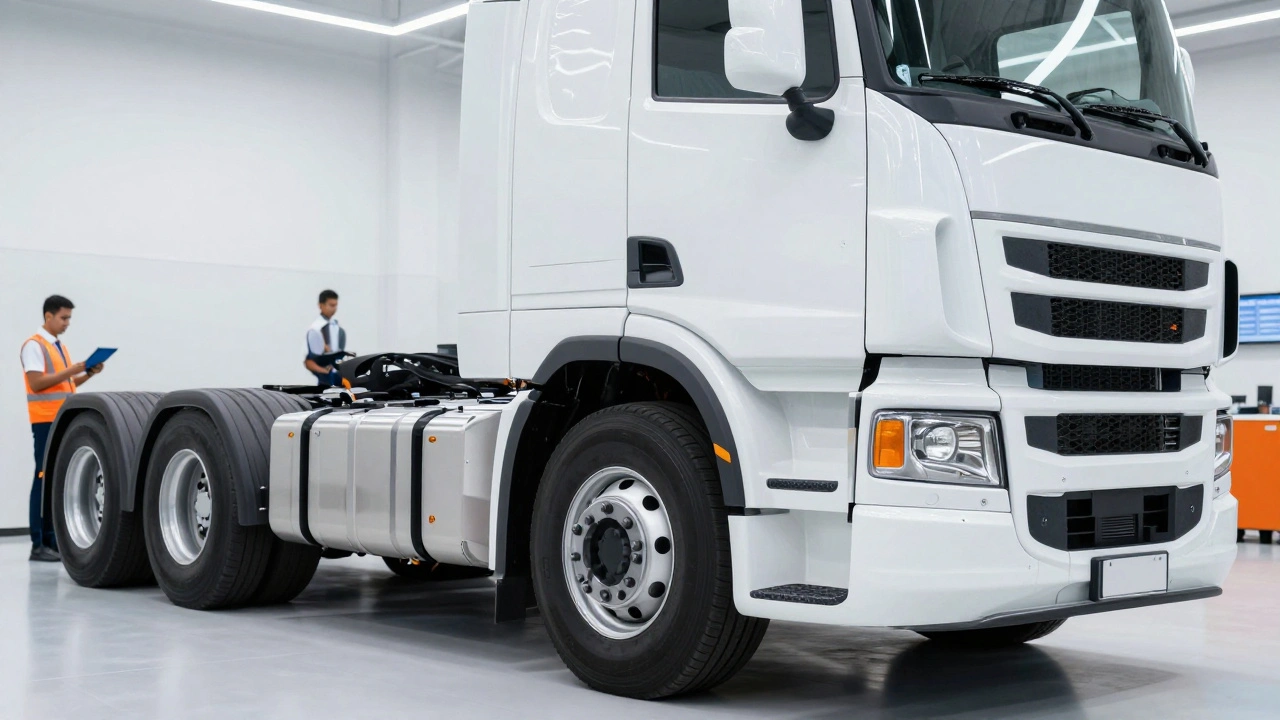
Running a logistics business or managing a fleet of trucks in the United Arab Emirates means navigating a strict regulatory environment. One slip-up on weight limits or safety checks can lead to heavy fines, immobilized vehicles, and lost revenue. The heavy vehicle inspection is the mandatory annual process that verifies commercial trucks meet federal safety, weight, and dimension standards before they are allowed on public roads. It is not just a bureaucratic hurdle; it is a critical checkpoint designed to protect the UAE’s infrastructure and ensure road safety for everyone.
If you own a commercial truck, you know that passing this inspection is non-negotiable. But do you know exactly what inspectors look for? Are your load distribution procedures up to code? This guide breaks down the current standards, costs, and practical steps you need to take to pass your inspection without delays.
Why Heavy Vehicle Inspections Matter in the UAE
The UAE has invested heavily in its road network. Bridges, highways, and tunnels are engineered to specific load capacities. When overweight or poorly maintained heavy vehicles hit these roads, the damage is cumulative and expensive. The primary goal of the inspection framework is threefold: protect the physical infrastructure, enforce consistent safety standards, and align with international best practices.
Overweight vehicles cause accelerated degradation of road surfaces. They also increase stopping distances and strain braking systems, which raises the risk of accidents. By enforcing strict inspections, authorities like the Ministry of Interior and Department of Mobility in Abu Dhabi aim to reduce fatalities and serious injuries caused by brake failures, tire blowouts, or suspension collapses.
The 18-Point Inspection Checklist
In Abu Dhabi, the inspection process is governed by the Abu Dhabi Heavy Vehicle Annual Test Manual. This manual outlines 18 distinct areas that technicians scrutinize. You should treat this list as your pre-inspection checklist. If any of these items fail, your vehicle will be rejected, costing you time and money.
- Vehicle and Trailer Dimensions: Ensuring the truck fits within legal height, width, and length limits.
- Brake System: Checking air pressure, pad wear, and line integrity.
- Steering and Suspension: Verifying there is no excessive play or damaged components.
- Fuel Tank Safety: Inspecting for leaks, proper mounting, and venting.
- Windscreen and Windows: Checking for cracks that obstruct the driver's view.
- Wipers and Washers: Ensuring they function effectively in all weather conditions.
- Mirrors: Confirming all mirrors are present, secure, and adjusted correctly.
- Horn: Testing functionality and volume.
- Seat Belts: Verifying all belts are intact and retract properly.
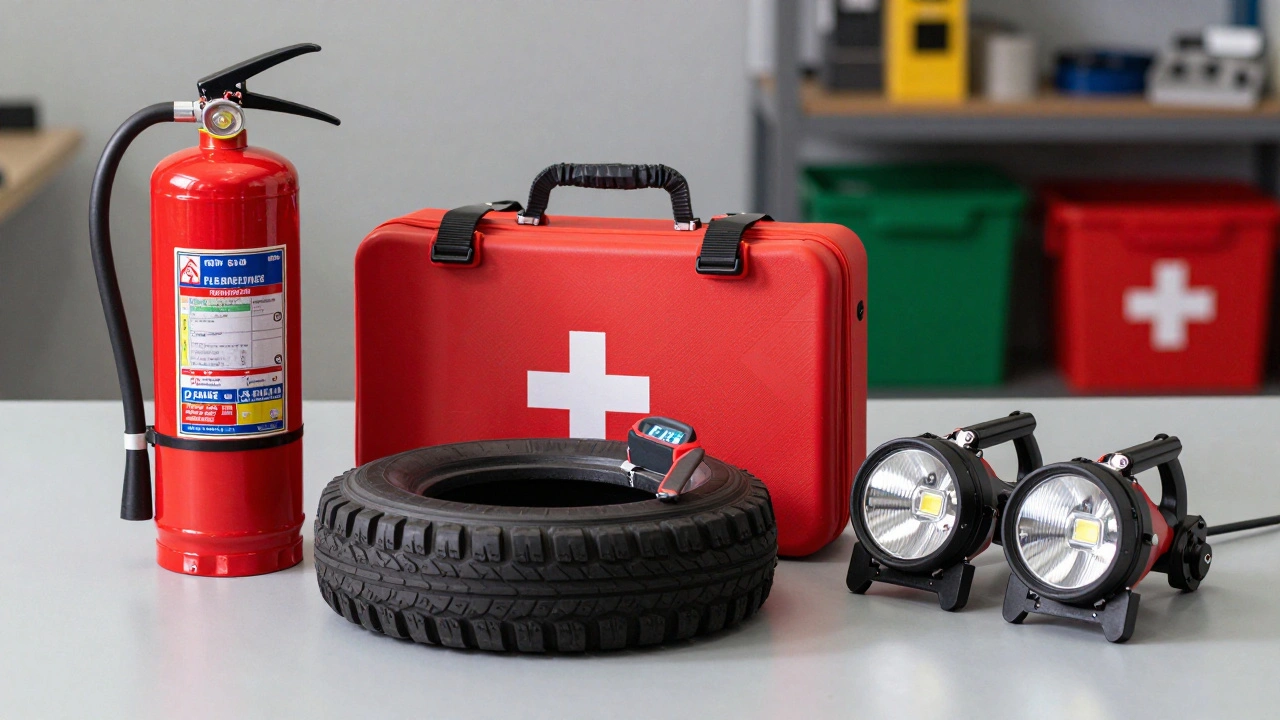
- Fire Extinguisher: Checking pressure levels and expiration dates.
- First Aid Kit: Ensuring it is stocked and accessible.
- Lights: Testing headlights, indicators, brake lights, and hazard lights.
- Rear and Side Marking: Verifying reflective tape and signage are visible.
- Tyres and Wheels: Measuring tread depth and checking for structural damage.
- Spare Wheel: Ensuring it is inflated and secured.
- Sideguards and Rear Protection: Checking underrun protection bars for integrity.
- Headlight Aim: Using equipment to verify beam alignment.
- General Items: A catch-all for loose fittings, rust, or unauthorized modifications.
Note that every part of the vehicle must be clean. Mud, dirt, or debris can obscure inspection points. If an inspector cannot see a component clearly, they may mark it as failed or require a retest. Wash your truck thoroughly before bringing it in.
Weight and Dimension Limits: The Hard Numbers
Exceeding weight or dimension limits is one of the most common violations. The Federal Decree by Law sets strict boundaries. For most heavy vehicles, the maximum height limit is 4.2 meters. This ensures trucks can safely pass under bridges, through tunnels, and along urban roads without striking overhead structures.
Weight limits are more complex. They depend on the number of axles and the vehicle configuration. The Gross Vehicle Weight (GVW) includes the vehicle's own weight plus cargo, fuel, and occupants. Operators must not exceed total and axial weights as determined by Cabinet Resolution.
| Parameter | Standard Limit | Enforcement Method |
|---|---|---|
| Maximum Height | 4.2 Meters | Fixed barriers, laser scanners, visual inspection |
| Maximum Width | Varies by axle count (typically 2.5m - 2.6m) | Weighbridges, mobile units |
| Axial Weight | Defined per axle type in Cabinet Tables | Fixed weighbridges, smart monitoring |
| Total GVW | Based on manufacturer design approval | Weighbridges, roadside checks |
If you are caught exceeding these limits, the consequences are severe. Enforcement officials can issue violation reports immediately. If the excess weight poses a danger to the road or users, they may order you to redistribute the load, offload cargo, or even immobilize the vehicle until compliance is achieved. Special permits are available for indivisible loads, but you must apply for them through the Ministry or Competent Authority beforehand.

Inspection Fees and Costs in 2026
Budgeting for compliance is essential. In Abu Dhabi, fees are standardized and transparent. Here is what you can expect to pay at the testing center:
- Initial Vehicle Testing: AED 165 (approx. USD 45)
- Retest Fee: AED 50 (approx. USD 14) - charged if you fail and return for another check.
- Permit or Change of Information: AED 40 (approx. USD 11)
- Certificate Printing: AED 40 (approx. USD 11)
- UAE Standard Test: AED 495 (approx. USD 135) - for specific comprehensive assessments.
These fees apply regardless of the size of your truck. To avoid the retest fee, invest time in a thorough pre-inspection check. Fixing a broken light or replacing a worn wiper blade yourself is cheaper than paying for a retest and losing a day of operation.
Preparation Tips: How to Pass on the First Try
Don't wait until the last minute. Treat the annual inspection as a maintenance milestone. Here is how to prepare your vehicle and documentation:
- Clean the Vehicle: As mentioned, remove all mud and debris from wheel wells, chassis, and undercarriage. Inspectors need clear visibility.
- Check Lights and Reflectors: Replace any burnt-out bulbs. Ensure all reflective markings are clean and not peeling.
- Inspect Tyres: Check tread depth and inflation. Look for cuts or bulges. Ensure the spare wheel is properly inflated.
- Verify Safety Equipment: Make sure your fire extinguisher is charged and the first aid kit is fully stocked.
- Gather Documents: Bring your current registration, proof of insurance, technical maintenance records, and previous inspection history.
- Review Advertising Permits: If your truck has ads, ensure they are approved by the Abu Dhabi Department of Economic Development (ADDED). Present the permit during inspection.
Fleet operators should implement internal pre-trip inspection routines. Train drivers to check brakes, tires, and lights before every journey. This habit not only helps with the annual inspection but also reduces the risk of breakdowns and accidents on the road.
Enforcement Technology and Roadside Checks
The days of relying solely on manual weighbridges are over. The UAE has integrated a sophisticated enforcement network. Authorities use fixed weighbridges, mobile inspection units, and smart monitoring systems across highways and logistics corridors.
Smart monitoring systems can detect violations in real-time. Cameras and sensors measure vehicle dimensions and estimate weight as trucks move. If a vehicle triggers an alert, enforcement teams are dispatched. This technology ensures that compliance is continuous, not just an annual event. It also protects compliant operators by removing unsafe competitors from the roads.
Training and Operational Procedures
Compliance is not just about the vehicle; it is about the operator. The Federal Decree requires companies to establish effective administrative and training procedures. Drivers must understand weight limits, dimension constraints, and proper load securing techniques.
Consider investing in professional training. Providers like Samson Training offer Fleet and Commercial Vehicle Safety Courses. These programs cover safe driving techniques for loaded vehicles, load distribution, and accident prevention. Well-trained drivers are less likely to overload their trucks or drive recklessly, reducing wear and tear and improving safety records.
Documentation is key. Keep detailed records of all maintenance activities, component replacements, and weight verifications. During an inspection or audit, these records demonstrate your commitment to compliance and can help resolve disputes.
What Happens If You Fail?
If your vehicle fails the inspection, you will receive a report detailing the defects. You must repair these issues before returning for a retest. Be aware that some defects, such as major structural damage or severe brake failure, may require significant downtime. Plan ahead to minimize disruption to your operations.
Repeated failures or ignoring defects can lead to stricter scrutiny. In extreme cases, where safety risks are high, authorities may suspend vehicle registration until full compliance is achieved. Do not ignore minor warnings; they often escalate into major failures.
How much does a heavy vehicle inspection cost in Abu Dhabi in 2026?
The standard vehicle testing charge is AED 165. If you fail and need a retest, the fee is AED 50. Additional fees include AED 40 for certificate printing and AED 40 for permit changes.
What is the maximum height for a truck in the UAE?
The maximum height limit for heavy vehicles is 4.2 meters. This applies to all commercial trucks using public roads to ensure they can safely navigate tunnels and bridges.
Can I get a special permit for an overweight load?
Yes, special permits are issued by the Ministry or Competent Authority for loads that cannot be divided. You must apply for this permit before transporting the load. Regular overweight violations without a permit result in fines and potential vehicle immobilization.
Do I need to wash my truck before the inspection?
Yes, it is highly recommended. Accumulation of dirt, mud, or debris can obstruct the inspector's view of critical components. If parts are not visible, the vehicle may fail or require a retest.
Who enforces heavy vehicle regulations in the UAE?
Regulations are coordinated by the Ministry of Interior and enforced by local authorities such as the Department of Mobility in Abu Dhabi and police departments across all emirates. They use fixed weighbridges and smart monitoring systems for enforcement.
What documents do I need for the inspection?
You must present your current vehicle registration, proof of insurance, technical maintenance records, and inspection history. If your vehicle has advertising, you also need the approval permit from ADDED.