You’re cruising down a highway, the radio is on, and everything feels fine. Then you hit the brakes to exit, and that familiar squeal hits your ears. It’s not just annoying; it’s a signal. But how do you know if it’s time for new pads or if your rotors are just doing their thing? There’s no single mileage number that fits every car, which is why so many drivers guess wrong.
Brake pads are friction material attached to metal backing plates. When you press the pedal, hydraulic pressure pushes calipers against these pads, clamping them onto spinning rotors to slow the vehicle. This process generates intense heat and wears away the pad material bit by bit. If you wait until the metal backing plate grinds against the rotor, you’re not just replacing pads anymore-you’re paying for expensive rotor resurfacing or replacement too.
The Myth of Fixed Mileage Intervals
Car manuals often suggest checking brakes every 10,000 to 20,000 miles, but this is a guideline, not a law. Why? Because driving style dictates wear faster than any manufacturer specification. A driver in Portland who stops at every light due to heavy traffic will burn through pads three times faster than someone commuting on open highways in rural Oregon. Aggressive acceleration followed by hard braking kills pads quickly. Conversely, smooth, anticipatory driving extends life significantly.
Most modern vehicles use semi-metallic or ceramic compounds. Ceramic pads generally last longer and produce less dust, while semi-metallic options offer better stopping power under heavy loads but wear down rotors slightly more aggressively. Knowing what type of pad your car uses can help you estimate longevity, but real-world conditions always trump spec sheets.
Signs That Your Brake Pads Are Gone
Your car tells you when it needs attention. Ignoring these cues leads to costly repairs. Here’s what to listen and look for:
- Squealing or Squeaking: Many pads have built-in wear indicators-small metal tabs that scrape the rotor when material gets low (usually below 3mm). This high-pitched noise is intentional. If you hear it consistently, schedule service soon.
- Grinding Sounds: This is serious. It means the friction material is completely gone, and metal is grinding against metal. Stop driving immediately if possible. This damages rotors and reduces stopping power.
- Vibration in the Pedal: Uneven pad wear or warped rotors cause pulsation when braking. While this often points to rotors, unevenly worn pads contribute to the problem.
- Increased Stopping Distance: If your car takes noticeably longer to stop, check your pads. Glazed pads (hardened surface from overheating) also reduce effectiveness.
- Pull to One Side: If the car veers left or right during braking, one caliper might be sticking, causing asymmetric pad wear.
Visual Inspection: What to Look For
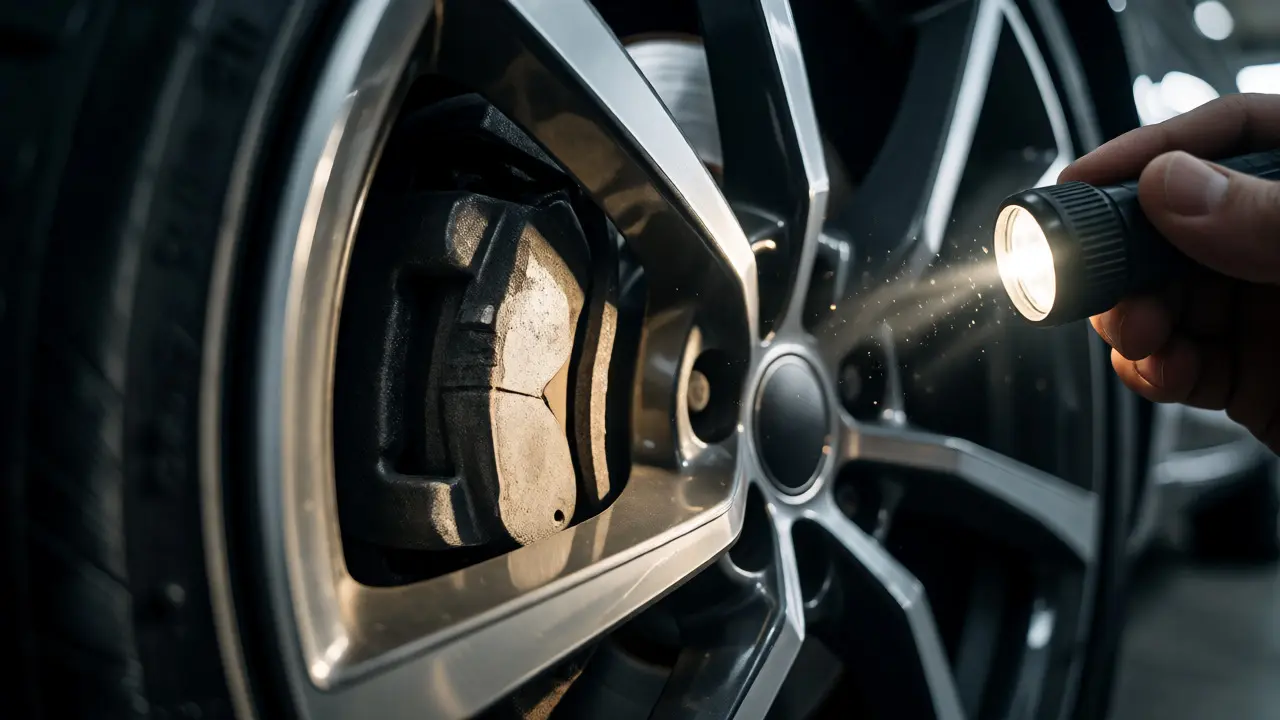
You don’t need to be a mechanic to check your own brakes. Most cars allow you to see the pads through the wheel spokes. Shine a flashlight on the outer pad (the one facing outward). New pads are about 10-12mm thick. When they reach 3mm, replacement is recommended. Below 2mm, you’re in the danger zone.
Check both front and rear axles. Front brakes handle 60-70% of the stopping force, so they wear out twice as fast as rear brakes. In some European models with electronic parking brakes, rear pads may wear differently depending on usage patterns. Always inspect all four corners to avoid surprises.
| Driving Profile | Average Lifespan (Front) | Average Lifespan (Rear) | Common Causes of Wear |
|---|---|---|---|
| City Commuter (Stop-and-Go) | 25,000 - 35,000 miles | 40,000 - 50,000 miles | Frequent braking, idling, short trips |
| Mixed Use (Suburban/Highway) | 40,000 - 60,000 miles | 60,000 - 80,000 miles | Occasional hard stops, moderate traffic |
| Highway Dominant | 60,000 - 80,000+ miles | 80,000 - 100,000+ miles | Minimal braking, engine braking usage |
| Performance/Aggressive | 15,000 - 25,000 miles | 25,000 - 35,000 miles | High-speed braking, track days, towing |
Factors That Shorten Brake Pad Life
Beyond mileage, several variables accelerate wear. Understanding these helps you predict replacements before failure occurs.
Towing and Hauling: Adding weight increases kinetic energy, requiring more friction to stop. If you tow a boat or trailer regularly, expect pad life to drop by 30-50%. The added stress also heats up components faster, leading to glazing.
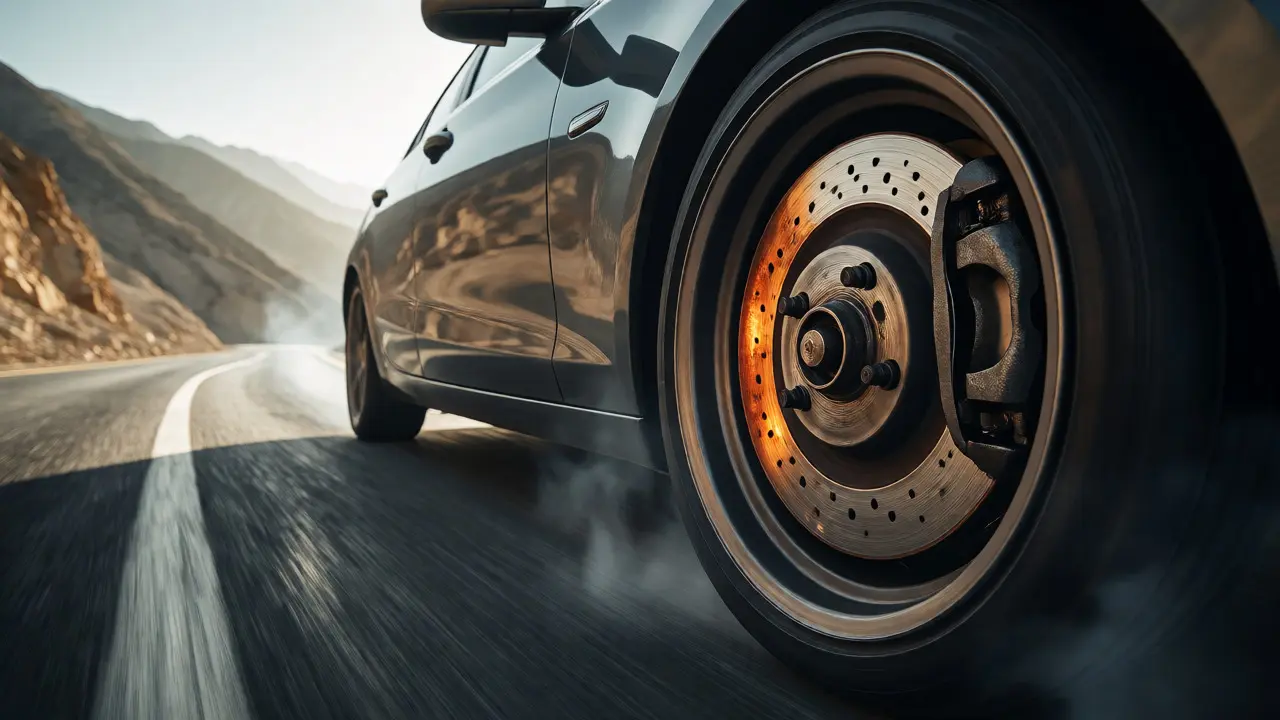
Climate and Terrain: Mountainous regions demand constant braking on descents. In places like the Rockies or even hilly areas near Portland, downhill stretches generate immense heat. Engine braking (using lower gears) saves pads here. Similarly, salty winter roads corrode hardware, potentially causing calipers to stick, which creates uneven pad wear.
Pad Quality: Cheap aftermarket pads often use softer compounds that fade quickly under heat. Premium brands like Brembo, Akebono, or Wagner ThermoQuiet use engineered materials that maintain consistent friction coefficients across temperature ranges. Investing $20-$40 more per axle often doubles lifespan.
When to Replace Rotors Too?
It’s common practice to replace pads and rotors together, but is it necessary? Not always. If rotors meet minimum thickness specifications and show no deep grooves, warping, or blue discoloration (sign of overheating), you can machine them (resurface) instead. However, machining removes material, reducing future cooling capacity and structural integrity.
Modern vehicles often have thinner rotors designed for lightweight efficiency. These may not have enough material left to resurface after one cycle. Check the "Minimum Thickness" stamp on the rotor hat. If current thickness is within 1-2mm of this limit, replace rather than resurface. Skipping rotor replacement when needed causes new pads to bed in poorly, leading to noise and reduced performance.
DIY vs. Professional Service
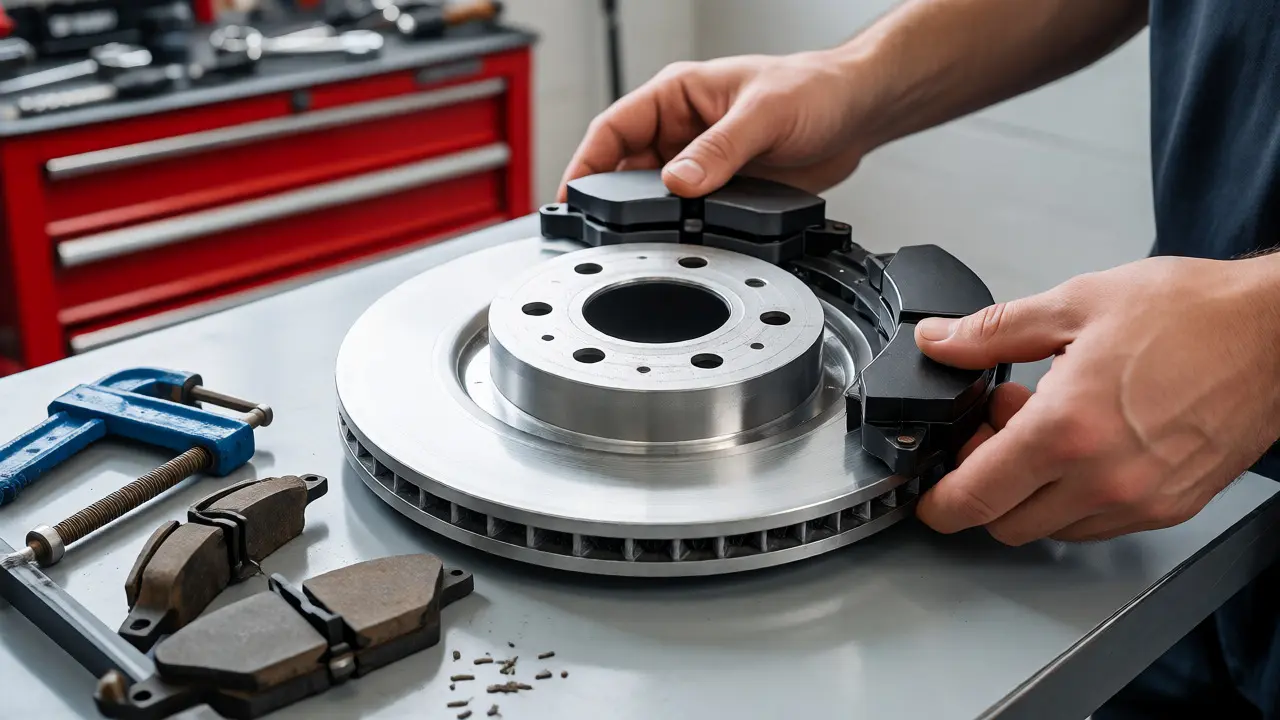
Replacing front brake pads is one of the most accessible DIY automotive tasks. You’ll need basic tools: jack, stands, socket set, C-clamp, and brake cleaner. The process involves removing the caliper, compressing the piston, swapping pads, and reassembling. Total time: 1-2 hours per axle.
Rear brakes are trickier, especially on cars with integrated parking brake mechanisms inside the hub assembly. Electronic parking brakes require diagnostic scanners to retract pistons electronically. If you lack experience or proper tools, professional installation ensures torque specs are met and safety checks are completed. Labor costs vary, but typically range from $100-$150 per axle in major metro areas.
Pro Tips for Longer Lasting Brakes
- Engine Brake: Shift to a lower gear on hills instead of riding the brakes. This uses compression to slow the car, saving pad material.
- Avoid Coasting in Neutral: Keep the car in drive. Automatic transmissions provide engine braking assistance.
- Clean Hardware: During replacement, clean caliper slides and pins. Lubricate with high-temp silicone grease. Sticking slides cause uneven wear and premature failure.
- Bed-In Properly: After installing new pads, perform controlled stops from 30-40 mph to transfer an even layer of friction material to the rotors. Skip this step, and you’ll likely get squeals and poor bite.
FAQ: Common Brake Pad Questions
Can I drive with squeaky brakes?
Yes, temporarily. Squealing usually indicates the wear indicator is touching the rotor, meaning you have roughly 1,000-2,000 miles of safe driving left. However, delay increases risk. If the sound changes to grinding, stop driving immediately as metal-on-metal contact damages rotors and compromises safety.
Do brake pads need to be replaced in pairs?
Always replace pads on both sides of the same axle simultaneously. Mismatched friction levels between left and right wheels cause pulling during braking, which is dangerous and accelerates uneven tire wear.
Why do my new brakes still squeak?
New pads often squeak initially due to moisture, rust buildup on rotors overnight, or lack of proper bedding-in. Ensure shims are installed correctly and hardware is lubricated. If noise persists after 500 miles, return to the installer to check for glazed surfaces or loose components.
Is it cheaper to replace pads or rotors?
Pads are significantly cheaper ($30-$80 per set) compared to rotors ($50-$150 each). However, skipping rotor replacement when they are damaged forces you to buy pads again sooner because bad rotors destroy new pads. Sometimes bundling both saves money long-term.
How does weather affect brake pad life?
Rain and snow add water and road salt to braking surfaces. Salt causes corrosion on caliper brackets and pins, leading to sticking. Water reduces initial friction, requiring harder presses. In wet climates, inspect hardware for rust annually to prevent binding issues.